
Smooth finishes that last start with understanding the surface beneath. Proper skimming throughout Rufforth — walls assessed, prepared correctly, coated evenly, finished while timing allows.
When you need professional skimming, the traditional platform route adds unnecessary steps. List the job, wait for responses, compare quotes, check reviews, make a decision — all while your walls sit there looking rough. Simpler is better.
Our approach is more straightforward.
Our approach is straightforward: one plasterer covers skimming work across Rufforth. Direct contact means honest pricing — you speak to the person who’ll attend your home and deliver quality finishes without unnecessary complications.
Professional plastering encompasses various skimming scenarios. Patch repairs blending into existing surfaces need precision, full re-skims need consistency, and each job benefits from understanding the surface conditions before work begins.
See what we handle below and decide if we’re the right people for your job. If yes, contact us and we’ll get things moving. If no, that’s completely fine — thanks for checking.

Smooth wall finishes start with professional skimming applied by experienced local plasterers. Rough render, damaged plaster, and textured surfaces all benefit from fresh skim coats that create flat, even walls throughout your rooms. Skilled application around obstacles, clean lines at edges, and consistent coverage ensure results that look right and last — walls ready for paint, paper, or any decorative treatment.
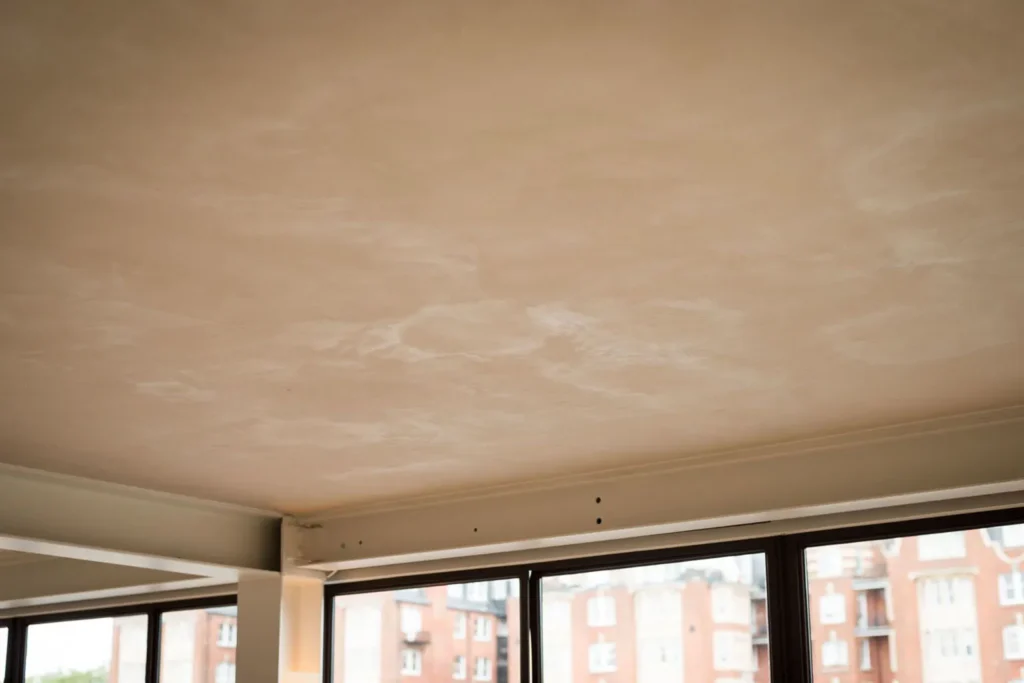
Re-skimming ceilings eliminates textured patterns that date properties and make decorating difficult. Stipple, swirl, bark, and other Artex finishes vanish beneath professional skim coats, leaving smooth surfaces ready for paint. Skilled ceiling work requires experience — working overhead, managing drying times, avoiding joins — delivering flat finishes that transform room appearances.

Professional patch plastering fixes localised damage without the disruption of full re-skimming. Impact holes, cable chases, removed fixtures, and cracked sections respond to targeted repair work that blends invisibly with existing surfaces. Experienced plasterers match textures, feather edges, and finish seamlessly — patches that paint over perfectly and stay hidden permanently.
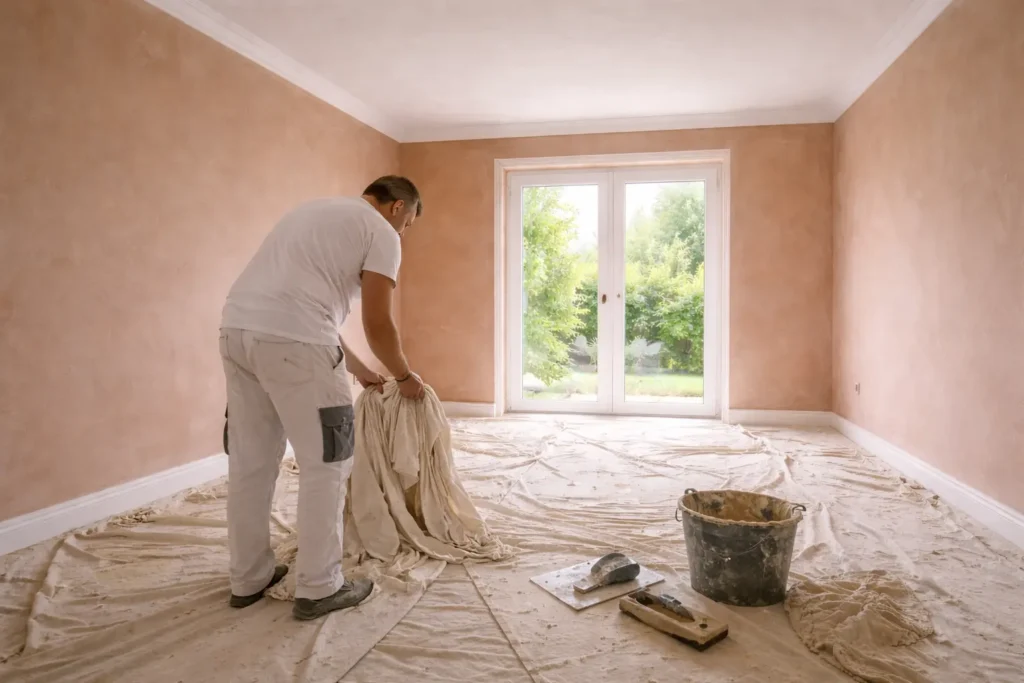
Professional plasterboard plastering finishes new spaces to high standards ready for decoration. Loft conversions, extensions, and new builds need expert joint treatment and skim coating to create smooth, consistent surfaces. Skilled plasterers tape invisibly, apply even coverage, and finish professionally — walls that look right from day one and stay that way.
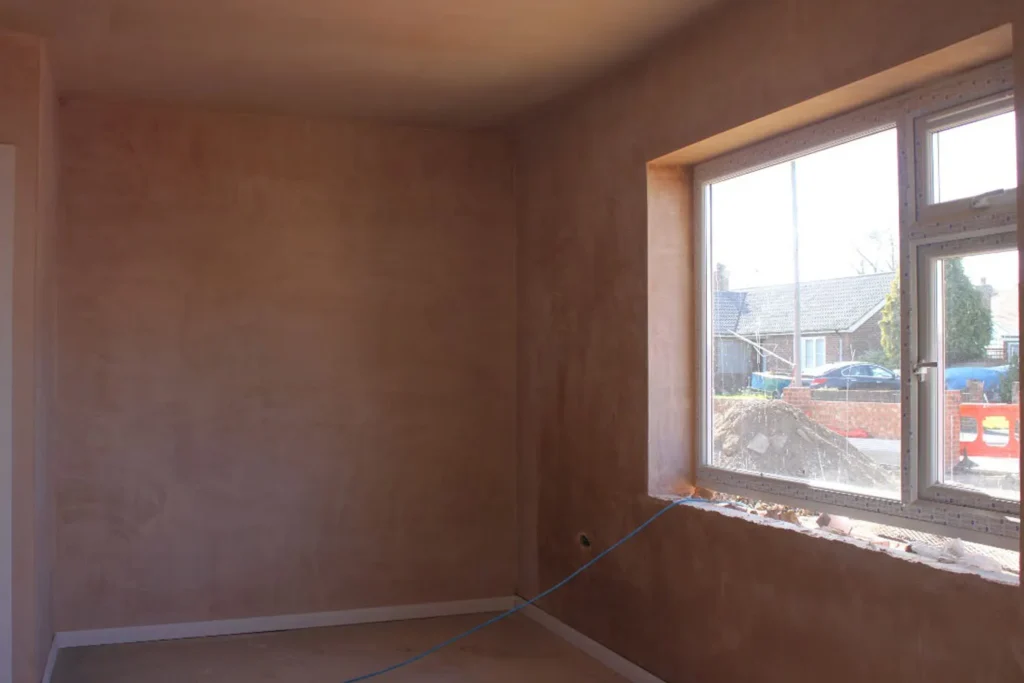
Full room plastering unifies surfaces with consistent smooth finishes across walls and ceilings together. Comprehensive re-skimming eliminates texture variations and patchy areas — delivering seamless results throughout. Skilled tradesmen work room by room, ensuring even quality and professional finishing that transforms spaces completely.
The trowel marks that disappear wet can reappear under paint. Here’s why our finishing technique creates surfaces that stay flat across Rufforth.
Years plastering near Rufforth Village, Rufforth Primary School, and York Hospital teaches you Rufforth walls properly. Not from books — from opening up ceilings, stripping back failures, seeing what previous plasterers did wrong. That hands-on knowledge improves every assessment.
New plasterboard drinks moisture unevenly, old lime plaster grabs too fast, painted surfaces reject bonding — preparation solves each problem differently. Skimming success across Rufforth starts with understanding what you’re coating.
For the most part inter-war semis and modern estates make up most of Rufforth, typically with 2.4m to 2.6m (7.9ft – 8.5ft) ceilings. Those building types share common features — similar construction eras, comparable materials, predictable issues. Understanding the patterns improves every job.
Contact puts you directly in touch with your tradesman — the person who’ll inspect surfaces, make preparation calls, and deliver quality finishes. Proper trade conversation about your specific walls, not generic sales chat.
Initial questions establish the scope — surface types, room count, known problems, finish expectations. The plasterer uses this to plan assessment requirements, then schedules a convenient visit to inspect walls properly and quote accurately.
Wall inspection includes hands-on assessment — tapping hollow sections, testing suction, checking for blown areas, noting repair history. Preparation needs get explained simply. Pricing reflects genuine surface condition found on site.
Jobs get completed properly — thorough preparation, consistent application, finishing while timing allows. Work areas receive full protection, and thorough tidying follows completion. You receive specific guidance about drying requirements, mist coating, and when full decoration can begin.
Planning plastering work brings practical questions — preparation needs, realistic timelines, decoration timing. Here’s the straightforward information most people ask for.
Timing reflects what walls need, not just room dimensions. Straightforward bedroom re-skim takes a day. Surfaces requiring extensive preparation — bonding, repairs, strip-back — take longer. Ceilings add time. Accurate estimates follow proper surface inspection.
It depends on current wall condition. Well-bonded existing plaster takes skim coats directly after proper keying. Delaminated areas need stripping. Multiple thick coats may require removal. Assessment determines what preparation your specific walls actually need.
Skim coats are thin finish applications — typically 2-3mm — creating smooth walls over existing surfaces. Plastering includes heavier work like base coats, render, or building thickness on bare masonry. Most domestic re-finishing involves skimming rather than complete replastering.
Sometimes — it depends on paint type and surface preparation. Matt emulsion over sound plaster can receive skim after proper keying with coarse sandpaper or bonding agent. Gloss, silk, or multiple thick paint coats create adhesion problems — stripping or heavy preparation often necessary. Assessment determines what approach your painted walls need.
Drying varies with conditions — ventilation, temperature, coat thickness. Surface typically dries enough in 2-4 days for mist coating, though full cure takes weeks. Diluted matt emulsion first seals the surface properly. Early decoration causes paint problems.
Fill out the form or call now to speak directly to the plasterer covering your area. No call centres, no delays – just clear answers and fast action.
Your details are safe – we only use them to respond to your enquiry
Skimming work extends across the complete Rufforth region. Local expertise in housing stock characteristics, wall behaviours, and preparation methods that deliver proper results on these surfaces.