
Walls that take paint properly start with proper skimming. Flat, smooth finishes across Castlecroft — preparation done right, coats applied evenly, surfaces ready for whatever decoration you’re planning.
When you need professional skimming, the traditional platform route adds unnecessary steps. List the job, wait for responses, compare quotes, check reviews, make a decision — all while your walls sit there looking rough. Simpler is better.
We’ve built a cleaner system.
Castlecroft has one dedicated skimming specialist. When your walls need refinishing, you contact them directly — and that’s who turns up to deliver smooth, paintable surfaces. Simple, reliable, quality-focused.
Skimming requirements vary between properties. Victorian solid walls behave differently than modern plasterboard, and each surface type needs appropriate preparation and application — recognising these differences ensures professional finishes throughout.
Check the information below and see if it matches what you’re dealing with. If it does, we’re ready to help — just get in contact. If not, that’s fine — thanks for taking a look.

Wall skimming transforms rough, damaged, or outdated surfaces into smooth, paintable finishes ready for any decoration. Whether following wallpaper removal, covering old Artex, or refreshing tired plasterwork, professional skim coats create flawless walls throughout your home. Skilled application ensures consistent coverage, clean edges around sockets and switches, and durable surfaces that won’t crack or flake — giving rooms a fresh, modern feel that makes decorating effortless.
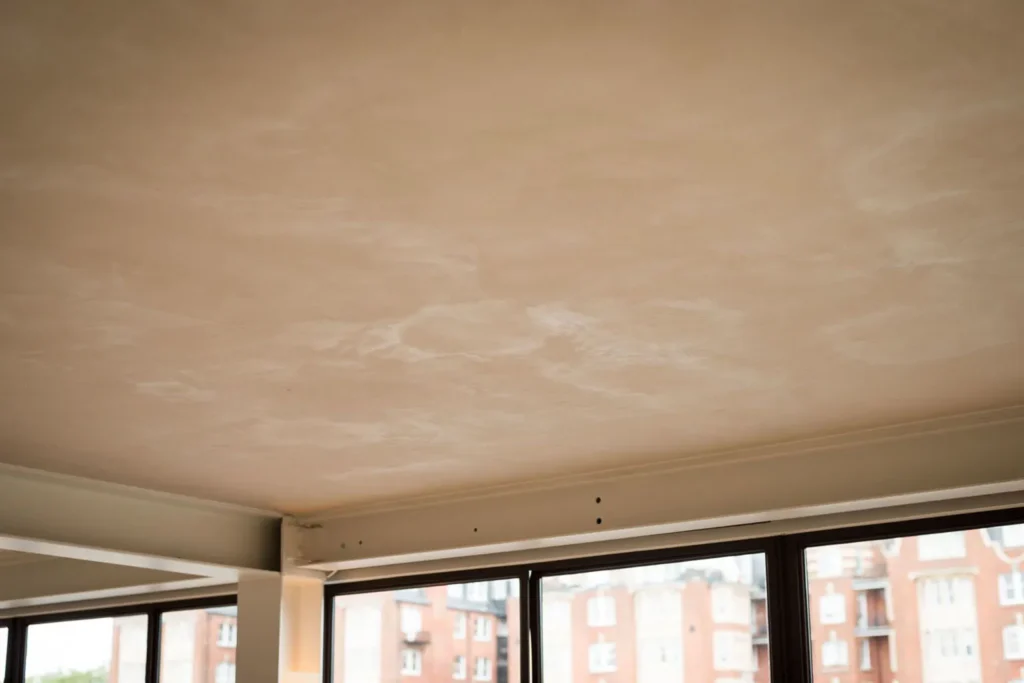
Ceiling re-skimming services cover everything from single rooms to whole-house transformations. Artex removal, water damage repair, and general resurfacing all benefit from professional skimming that delivers smooth, lasting finishes. Experienced plasterers handle overhead challenges efficiently — proper prep, quality application, seamless results — ceilings ready for any decorative treatment.

Expert plaster repairs blend invisibly into existing wall surfaces through professional skimming technique. Damaged sections get properly prepared, filled, and skim coated with careful attention to edge feathering. Texture matching ensures patches disappear completely — targeted repairs that restore walls efficiently without full re-skimming costs.
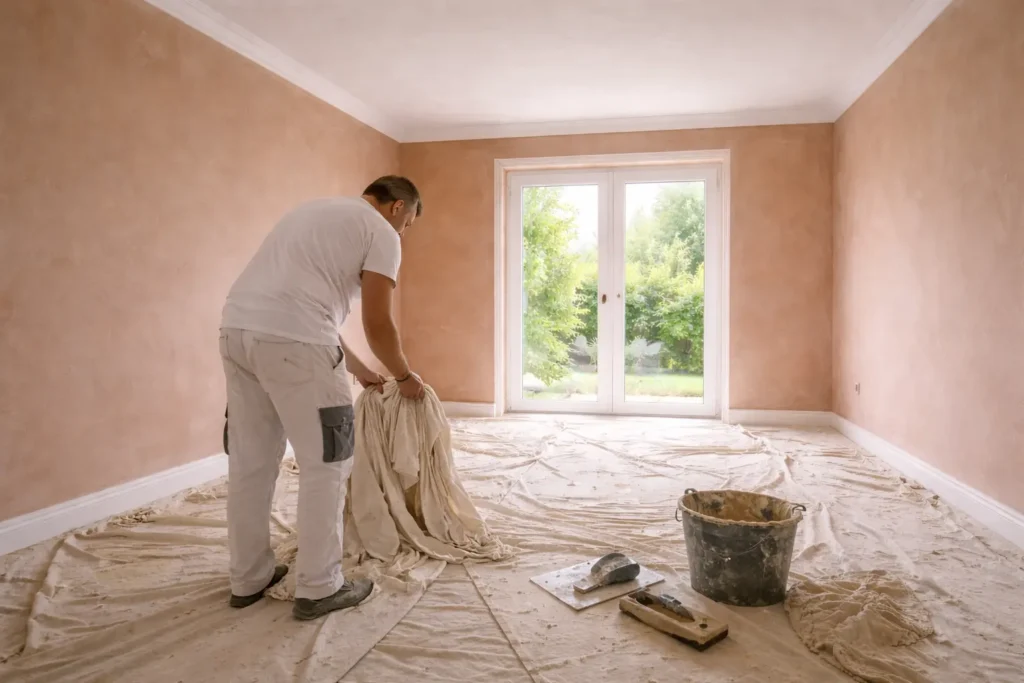
Professional plasterboard finishing transforms raw boards into smooth, paintable surfaces ready for decoration. New extensions, garage conversions, and loft rooms all need expert taping, jointing, and skimming to create seamless walls. Skilled plasterers work systematically — proper joint preparation, consistent skim application, quality finishing — delivering new-build quality throughout.
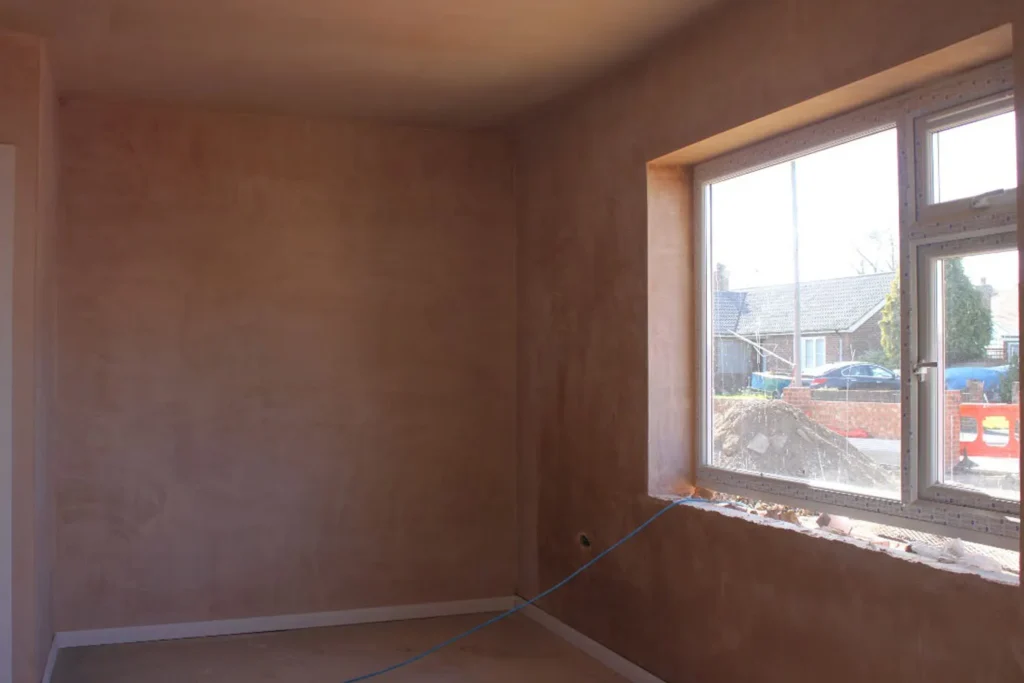
Whole room skimming creates unified smooth finishes that transform how spaces look and feel. Complete wall and ceiling coverage ensures consistent quality throughout — no patchy repairs, no texture mismatches, just seamless results everywhere. Professional plasterers work systematically, delivering even coverage and clean finishing that makes decorating effortless.
The difference between acceptable and excellent sits in the final ten minutes of finishing. Here’s where our focus goes across Castlecroft.
Properties around Castlecroft Primary School were mostly built pre-war — lime plaster, lath ceilings, solid walls. Near Windmill Bank the fifties estates dominate. Toward Bhylls Acres it’s newer construction. Each era across Castlecroft needs different preparation approaches.
Re-skimming old walls, smoothing over textured ceilings, finishing new extension boards, blending repairs into existing surfaces — different starting points need different approaches. We assess properly before mixing any plaster, ensuring preparation matches what Castlecroft walls actually need.
Most Castlecroft homes are inter-war semis or modern detached with 2.4m to 2.6m (7.9ft – 8.5ft) ceilings. Working continuously on these property types develops pattern recognition — spotting preparation requirements quickly based on accumulated experience.
Calls and forms go straight to your area’s tradesman — no filtering through people who’ve never held a trowel. You get honest conversation about wall types, preparation needs, and what quality skimming actually requires.
They’ll ask practical questions — what’s on the walls now, how many rooms, any known problems. Assessment timing gets arranged based on availability, ensuring proper site evaluation before providing detailed quotations.
Assessment means properly reading your walls — tapping for hollow sections, checking suction rates, identifying previous repairs, spotting potential problems. The plasterer explains what preparation’s needed and why. You get clear pricing based on actual surface condition, not guesswork from photos.
Skimming proceeds professionally — surfaces prepared correctly, plaster mixed fresh, coats applied evenly, finishing done at the right moment. Protection goes down throughout, cleanup happens after. Clear guidance covers drying periods, mist coat timing, and decoration readiness.
Planning wall work means practical questions need answering — what preparation involves, realistic durations, when you can decorate. Clear information below.
Standard room skimming typically takes a day on reasonable surfaces. Problem walls needing serious preparation extend timing considerably. Ceiling inclusion adds hours. Surface condition varies hugely between properties — assessment provides accurate scheduling for your specific walls.
It varies with condition. Sound plaster that’s firmly attached receives skim over existing surfaces. Blown areas need removing. Multiple previous coats might require stripping. Assessment determines what preparation your walls specifically require.
Skimming applies thin finish layers over prepared surfaces — creating smooth walls from existing plaster. Full plastering includes base coat application on masonry, rendering, or building thickness. Typical home re-finishing means skim coats over what exists already.
Sometimes — it depends on paint type and surface preparation. Matt emulsion over sound plaster can receive skim after proper keying with coarse sandpaper or bonding agent. Gloss, silk, or multiple thick paint coats create adhesion problems — stripping or heavy preparation often necessary. Assessment determines what approach your painted walls need.
New plaster requires proper drying — typically 2-4 days minimum, longer for full curing. Mist coat first using watered-down emulsion to seal surfaces correctly. Decorating too early risks adhesion failures, peeling, and blistering.
Fill out the form or call now to speak directly to the plasterer covering your area. No call centres, no delays – just clear answers and fast action.
Your details are safe – we only use them to respond to your enquiry
Coverage extends across the whole of Castlecroft. Quality skimming from plasterers who understand local construction — property ages, original materials, surface types — and what preparation each genuinely requires.