
Smooth walls aren’t luck — they’re preparation meeting technique. Professional skimming across Ashton-in-Makerfield that delivers flat, lasting surfaces ready for paint or paper.
Getting walls skimmed shouldn’t involve a research project. Posting online, comparing reviews, fielding calls from multiple tradesmen — it’s exhausting before anyone’s even picked up a trowel. Direct access to a proven plasterer simplifies everything.
Our approach is more straightforward.
One plasterer covers skimming work across Ashton-in-Makerfield. You speak to them directly, they assess your walls, and they complete the job. No platform delays, no multiple callbacks — just straightforward professional service.
Skimming work varies significantly depending on existing conditions. Sound plaster just needs re-coating, compromised areas need stripping back, and new boards need proper preparation — identifying the starting point ensures professional finishes.
Take a look at what we do below. If you think we’re a good match for your walls, get in touch. If not, no hard feelings — thanks for stopping by.

Re-skimming walls removes years of imperfections and creates fresh, smooth surfaces throughout your property. Old wallpaper damage, filled holes, patchy repairs, and uneven textures vanish beneath professional skim coats applied by skilled tradesmen. Proper preparation, quality materials, and careful technique ensure lasting results — walls that stay smooth, take paint evenly, and look professionally finished for years.
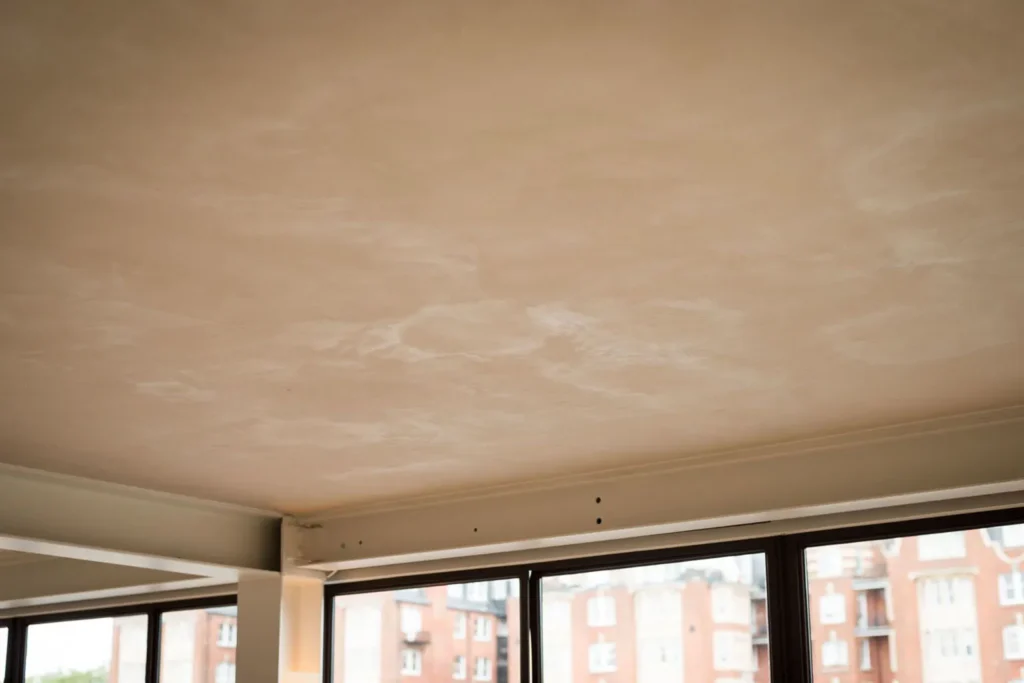
Expert ceiling plastering creates flawless overhead surfaces that reflect light evenly and make rooms feel larger. Damaged, textured, or outdated ceilings transform under professional skim coats applied with skill and experience. Consistent coverage, clean edges at coving, and smooth finishing throughout — ceilings that look right and make decorating effortless.

Expert patch plastering makes repairs invisible through skilled blending and finishing technique. Localised damage gets properly prepared and skim coated with careful feathering into surrounding surfaces. Professional tradesmen match existing textures and finishes exactly — patches that paint over seamlessly and stay hidden permanently without requiring full wall re-skimming.
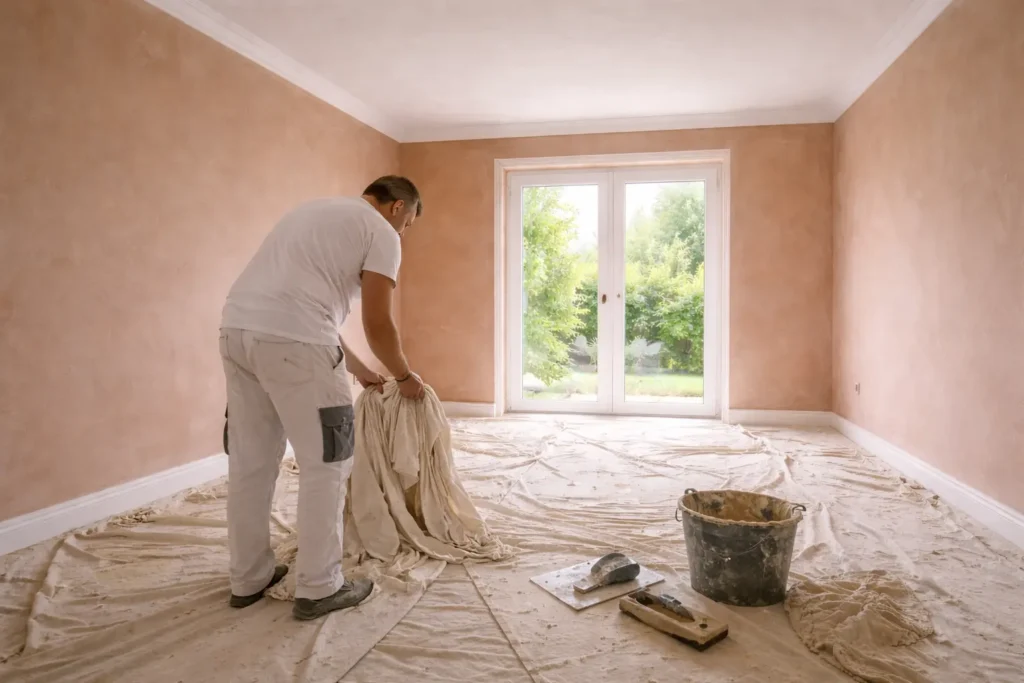
Plasterboard skim finishing delivers new-build quality on extension walls, conversion ceilings, and renovation projects. Professional joint treatment and smooth skim coats create seamless surfaces that transform raw construction into finished living spaces. Quality workmanship ensures lasting results — walls ready for decoration and built to stay that way.
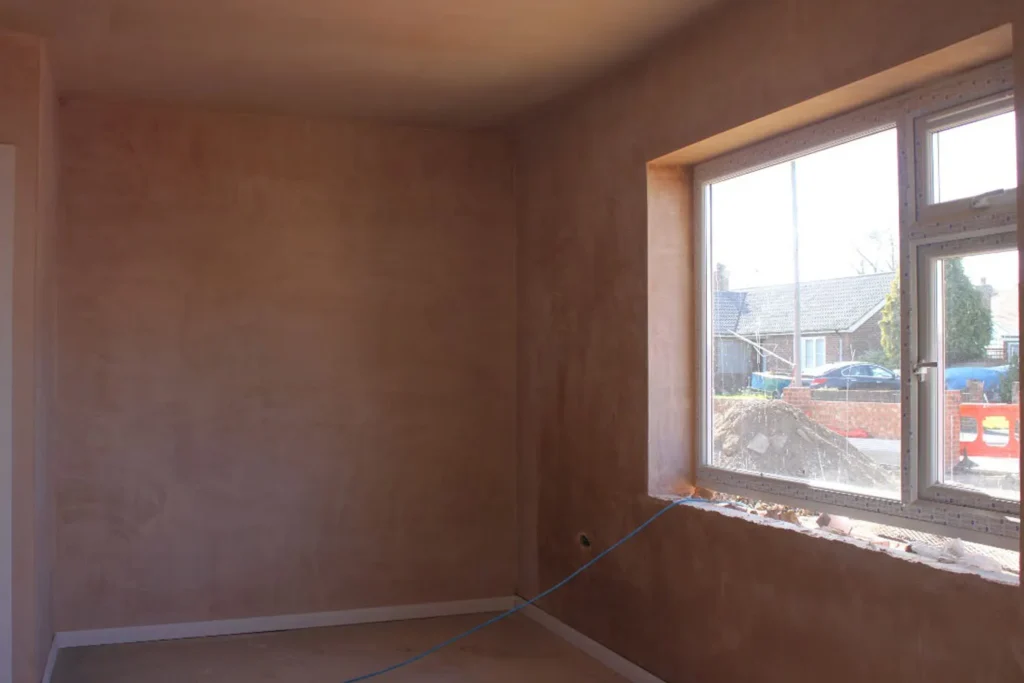
Whole room skimming creates unified smooth finishes that transform how spaces look and feel. Complete wall and ceiling coverage ensures consistent quality throughout — no patchy repairs, no texture mismatches, just seamless results everywhere. Professional plasterers work systematically, delivering even coverage and clean finishing that makes decorating effortless.
Good preparation makes good finishes possible. Here’s how we approach every skimming job throughout Ashton-in-Makerfield — from first assessment to final polish.
Plastering from St Thomas Church to Gerrard Street and across to Wigan Road for years teaches you what Ashton-in-Makerfield walls are actually made of. The Victorian terraces have lime underneath. The inter-war semis have hard pink gypsum. The estates have lightweight board. Each needs handling differently.
Old lime plaster, modern gypsum, fresh plasterboard, patched areas mixing all three — each responds differently to skim coats. Experience across Ashton-in-Makerfield properties means recognising what we’re working on and adjusting technique accordingly.
Locally victorian terraced houses and council estates properties dominate Ashton-in-Makerfield, generally 2.7m to 2.8m (8.9ft – 9.2ft) to the ceiling. Years skimming this specific housing builds instinct about wall behaviour, typical conditions, and preparation approaches that deliver lasting results.
Your call reaches the plasterer who’ll actually skim your walls — not an office worker reading from a script. You discuss surface conditions, room layouts, and realistic timelines with someone who’s spent years reading walls and knows what questions matter.
Conversation focuses on understanding the job — current surface state, scope of work, access considerations. Assessment gets booked at convenient timing to inspect walls thoroughly and provide clear, accurate pricing.
Wall inspection covers everything relevant — structural soundness, surface adhesion, previous repair quality, moisture levels. The plasterer explains preparation needs in plain terms. Pricing reflects what your walls actually require, not generic per-metre rates.
Work proceeds methodically — surface preparation, fresh plaster mixing, controlled application, skilled finishing. Dust sheets protect belongings throughout. Complete cleanup happens after. You’ll understand drying times, mist coat requirements, and decoration scheduling.
Skimming questions follow patterns — surface prep, job length, drying periods. Here’s the honest answers without the waffle.
A typical room takes around a day on cooperative surfaces. Wall condition affects timing more than room size — extensive preparation needs stretch schedules significantly. Ceilings add time. Assessment provides realistic duration based on your specific surface condition.
It depends on current wall condition. Well-bonded existing plaster takes skim coats directly after proper keying. Delaminated areas need stripping. Multiple thick coats may require removal. Assessment determines what preparation your specific walls actually need.
Skim coats are thin finish applications — usually 2-3mm — over existing prepared surfaces. Plastering covers broader scope including base coats on bare walls, render application, depth building. Most domestic jobs involve skimming rather than complete replastering from scratch.
It varies with paint condition. Thin matt emulsion over sound plaster takes skim after proper keying. Heavy coatings, gloss finishes, or silk paint cause bonding problems — usually needing stripping or adhesion treatment. Assessment reveals what preparation your walls require.
New plaster needs drying time before paint. Surface usually appears dry within 2-4 days, but complete curing takes 2-3 weeks depending on thickness and ventilation. Mist coat with watered-down emulsion before proper painting — rushing risks adhesion failures.
Fill out the form or call now to speak directly to the plasterer covering your area. No call centres, no delays – just clear answers and fast action.
Your details are safe – we only use them to respond to your enquiry
Services extend throughout Ashton-in-Makerfield for quality plastering. Local understanding of housing stock, original construction types, and preparation methods that achieve smooth, lasting finishes.