
Rough walls transformed into smooth, paintable surfaces. Proper skimming throughout Bayswater — surfaces assessed correctly, prepared thoroughly, finished to standards that show under any light.
Re-skimming a room should be straightforward, but the platform approach complicates everything. Post on Bark and suddenly you’re managing multiple quotes, juggling phone calls, and trying to work out who’s genuine. Direct contact with one trusted plasterer cuts through all that.
There’s a clearer route to great finishes.
One reliable plasterer handles skimming across Bayswater. Your call or form goes straight to the person who’ll actually do the work at your home — no intermediaries, no quote comparisons, just direct professional contact.
Wall skim plastering creates the blank canvas every decorator dreams of. Lumpy, bumpy, or damaged walls get transformed into perfectly flat surfaces ready for any finish. Professional plasterers assess existing conditions, prepare surfaces correctly, and apply smooth skim coats that hide imperfections completely — delivering the quality foundation that makes decorating straightforward and results impressive.
Read through what’s covered below and see if it fits your project. If it does, we’re here to help — just call or message. If it doesn’t quite match, that’s absolutely fine.

Flawless wall finishes require professional skimming from tradesmen who understand surface preparation and application technique. Rough walls, patchy repairs, and textured surfaces transform into smooth canvases ready for paint or paper. Quality materials, proper preparation, and skilled application combine to create lasting results — walls that stay flat, take decoration evenly, and look professionally finished.
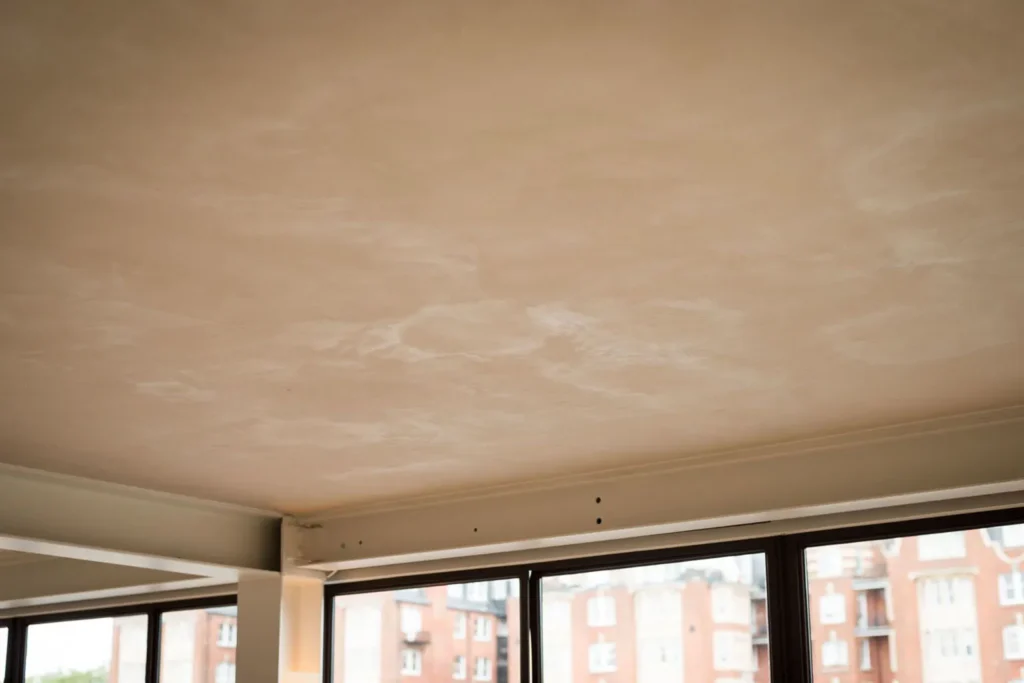
Professional ceiling finishes start with expert skimming that transforms rough or textured surfaces. Outdated Artex, damaged plaster, and uneven areas disappear beneath smooth skim coats applied by skilled tradesmen. Working overhead requires specific technique and experience — delivering flat ceilings that reflect light evenly and make rooms feel fresh.

Patch repair skimming blends seamlessly into existing surfaces, making damage invisible without re-plastering entire walls. Holes, cracks, dents, and damaged sections get properly filled, keyed, and skim coated to match surrounding plaster exactly. Skilled plasterers feather edges, match textures, and finish patches so they disappear completely — repairs that stay hidden under any decorative finish you apply.
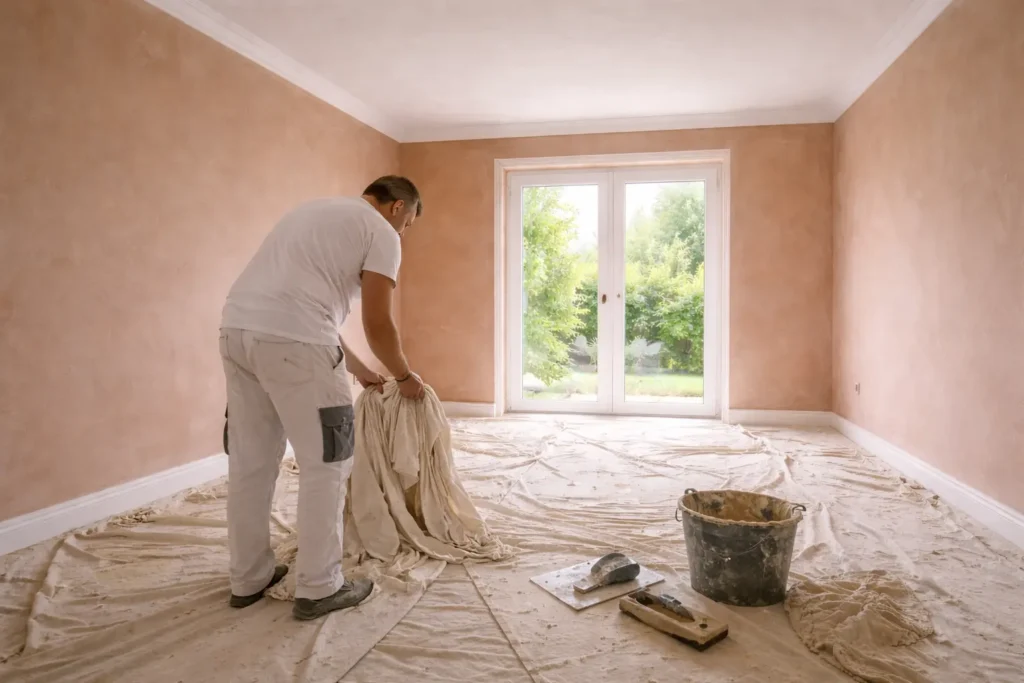
Expert new build finishing transforms plasterboard into the smooth, professional surfaces your project deserves. Extensions, garage conversions, and renovation work all require skilled taping, jointing, and skimming to create seamless walls and ceilings. Quality workmanship ensures lasting results — no visible joints, no future cracking, just flawless finishes throughout.
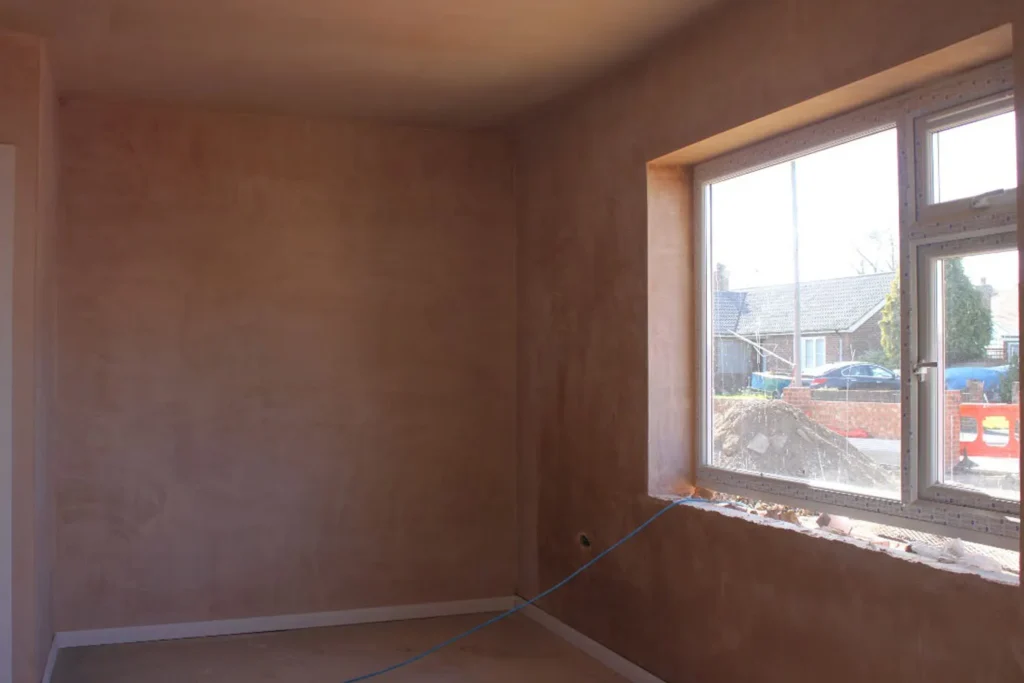
Full room plastering unifies surfaces with consistent smooth finishes across walls and ceilings together. Comprehensive re-skimming eliminates texture variations and patchy areas — delivering seamless results throughout. Skilled tradesmen work room by room, ensuring even quality and professional finishing that transforms spaces completely.
The finish you get depends entirely on who holds the trowel. Here’s the honest breakdown of how we approach skimming work throughout Bayswater.
From solid walls near Queensway to cavity construction around Hyde Park and board systems toward Whiteleys development, we’ve worked on Bayswater’s full housing spectrum. That experience builds preparation instincts that speed assessment and prevent mistakes.
Walls after wallpaper stripping that stripped plaster too, ceilings with nicotine staining beneath, patches where old and new plaster meet — problem surfaces need solving before skimming starts. We find the problems first throughout Bayswater.
Local properties run mainly victorian terraces and mansion blocks, 2.8m to 3.2m (9.2ft – 10.5ft) ceilings. Concentrated work on this housing type creates genuine expertise — not general plastering knowledge, but specific understanding of how Bayswater walls respond to skim coats.
Your message connects straight to the local plasterer — someone who can talk sensibly about existing surfaces, preparation requirements, and what’s actually involved in achieving smooth walls. No script readers, just trade knowledge.
Initial discussion covers the basics — wall condition, room count, finish expectations, any concerns. The plasterer arranges assessment for suitable timing, allowing proper surface inspection before committing to detailed quotes.
Assessment means properly reading your walls — tapping for hollow sections, checking suction rates, identifying previous repairs, spotting potential problems. The plasterer explains what preparation’s needed and why. You get clear pricing based on actual surface condition, not guesswork from photos.
Jobs happen professionally — thorough prep, even application, timely finishing work. Furniture and floors get protected properly, and comprehensive cleanup follows. You receive specific advice about drying periods, mist coating, and when full decorating can start.
The same queries come up before most skimming jobs — surface preparation, job duration, drying periods. Here’s the no-nonsense answers.
Room timing varies with surface requirements. Straightforward re-skimming in a standard bedroom completes in a day. Add preparation complications, problem areas, or ceiling work, and schedules extend. Accurate timing follows from proper wall inspection.
Some do, some don’t — existing condition decides. Sound plaster gets keyed and skimmed over. Hollow-sounding blown areas need removing. Multiple heavy coats might require stripping back. Assessment reveals what preparation your surfaces genuinely require.
Skimming means applying thin finish coats over existing plaster. Full plastering involves heavier work — base coats on brick or block, render layers, building depth where needed. Typical home work involves re-skimming surfaces rather than starting from bare masonry.
Sometimes — it depends on paint type and surface preparation. Matt emulsion over sound plaster can receive skim after proper keying with coarse sandpaper or bonding agent. Gloss, silk, or multiple thick paint coats create adhesion problems — stripping or heavy preparation often necessary. Assessment determines what approach your painted walls need.
Allow surfaces to dry properly before painting — 2-4 days minimum in ventilated rooms, though complete curing takes 2-3 weeks. Apply mist coat first with watered-down emulsion. Early decoration causes peeling and blistering issues.
Fill out the form or call now to speak directly to the plasterer covering your area. No call centres, no delays – just clear answers and fast action.
Your details are safe – we only use them to respond to your enquiry
Services extend throughout Bayswater for quality plastering. Local understanding of housing stock, original construction types, and preparation methods that achieve smooth, lasting finishes.