
Flat, smooth, ready to decorate — that’s what proper skimming delivers. Quality finishes across Churchfield from plasterers who understand surfaces and take preparation seriously.
When walls need re-skimming, the platform model adds friction where there shouldn’t be any. Multiple enquiries, coordinated site visits, competitive pricing games — all for a straightforward plastering job. Direct contact streamlines everything.
There’s a clearer route to great finishes.
Our approach is straightforward: one plasterer covers skimming work across Churchfield. Direct contact means honest pricing — you speak to the person who’ll attend your home and deliver quality finishes without unnecessary complications.
Skimming work varies significantly depending on existing conditions. Sound plaster just needs re-coating, compromised areas need stripping back, and new boards need proper preparation — identifying the starting point ensures professional finishes.
Check through the service details below to see if we’re suited to your job. If yes, reach out — we’ll get back quickly. If no, that’s completely fine — good luck with your project.

Professional wall re-skimming solves surface problems that paint alone can’t fix. Rough textures, visible repairs, and uneven plaster need proper skim coating to create smooth, consistent walls. Skilled tradesmen assess conditions, prepare surfaces correctly, and apply quality finishes that hide imperfections completely — delivering walls ready for any decorative treatment you’re planning.
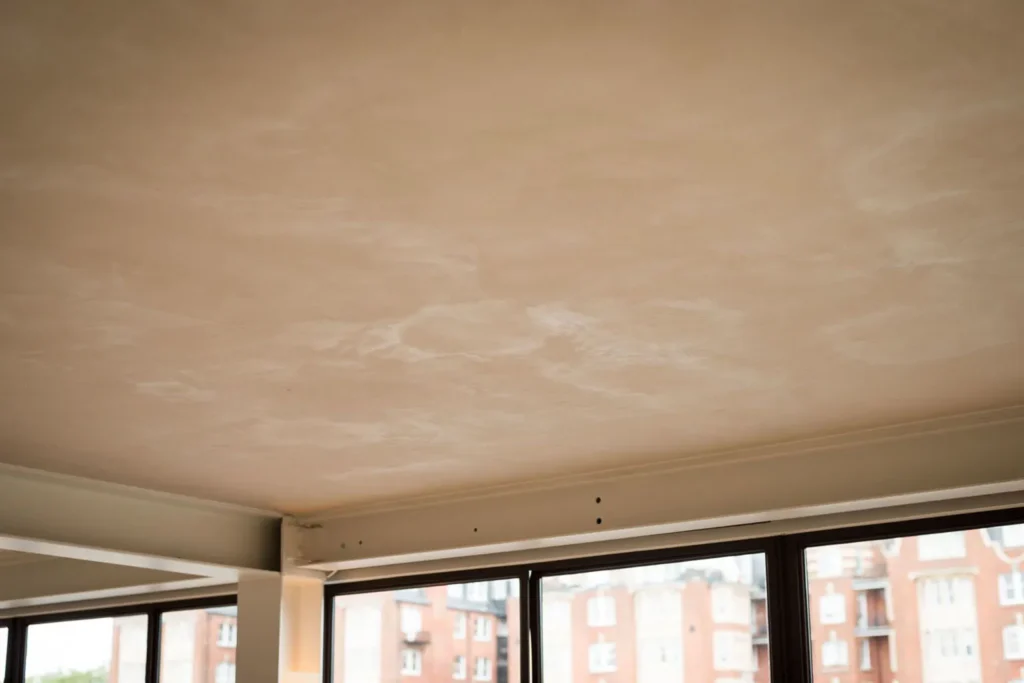
Ceiling re-skimming services cover everything from single rooms to whole-house transformations. Artex removal, water damage repair, and general resurfacing all benefit from professional skimming that delivers smooth, lasting finishes. Experienced plasterers handle overhead challenges efficiently — proper prep, quality application, seamless results — ceilings ready for any decorative treatment.

Patch repair skimming blends seamlessly into existing surfaces, making damage invisible without re-plastering entire walls. Holes, cracks, dents, and damaged sections get properly filled, keyed, and skim coated to match surrounding plaster exactly. Skilled plasterers feather edges, match textures, and finish patches so they disappear completely — repairs that stay hidden under any decorative finish you apply.
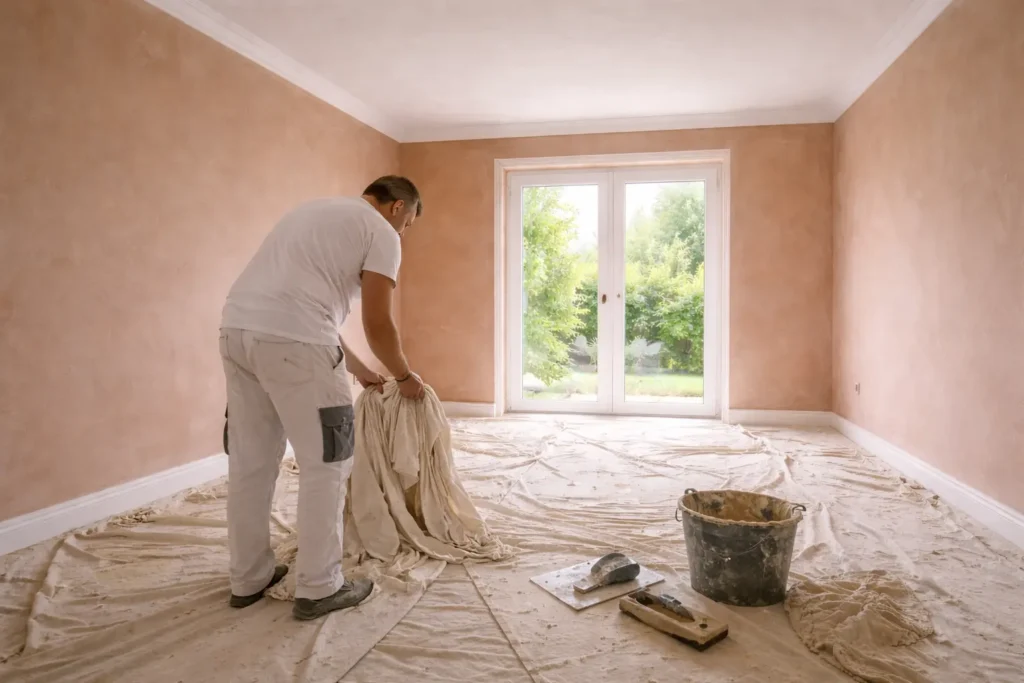
Quality plasterboard finishing completes construction projects with smooth, decoration-ready surfaces throughout. Extensions, loft rooms, and garage conversions all need professional taping and skimming to transform raw boards into finished walls. Skilled plasterers deliver seamless results — invisible joints, consistent coverage, professional finishing — spaces ready for decorating.
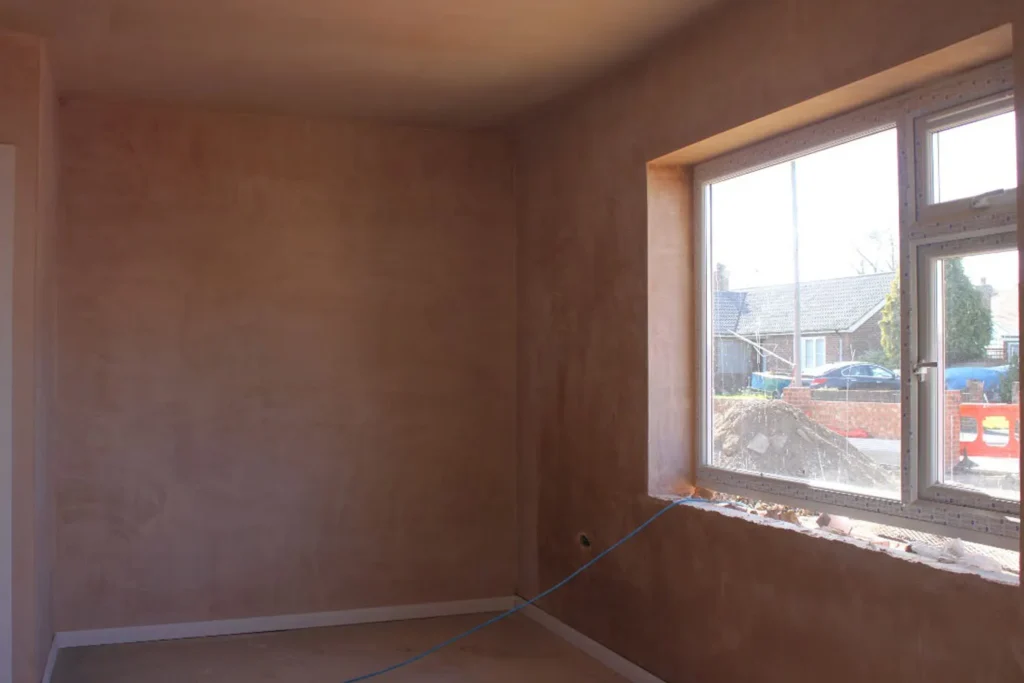
Full room plastering unifies surfaces with consistent smooth finishes across walls and ceilings together. Comprehensive re-skimming eliminates texture variations and patchy areas — delivering seamless results throughout. Skilled tradesmen work room by room, ensuring even quality and professional finishing that transforms spaces completely.
Most skimming complaints come six months later when cracks appear. Here’s how we prevent that across Churchfield properties.
We’ve opened up walls from Dartmouth Park right through to All Saints Way. The surprises reduce over time — you learn where the horse hair plaster sits, which estates used lightweight blocks, where the council did mass re-skims in the eighties. Churchfield walls become familiar.
Single feature walls, whole room transformations, awkward ceiling repairs, invisible patch blending — each job type brings its own challenges. Consistent quality across Churchfield comes from adapting methods to match conditions, not applying the same approach everywhere.
Churchfield’s housing — predominantly victorian terraces and post-war housing with 2.5m to 2.8m (8.2ft – 9.2ft) ceilings — has characteristics we’ve learned through repetition. Typical construction, common problems, effective preparation. That focused experience improves every job.
Contact connects you directly with your local tradesman — the person who’ll inspect your walls and deliver smooth finishes. Questions about surface types, preparation approaches, and expected results get trade answers, not sales responses.
They’ll want to understand your walls — existing condition, required work, known issues. Based on this, assessment gets scheduled at mutually convenient timing for proper site evaluation and accurate pricing discussion.
Site visits mean proper surface evaluation — checking adhesion, testing suction, spotting failures, assessing previous work. Preparation requirements get explained clearly. Pricing based on what your walls genuinely need, not generic assumptions.
Plastering gets completed properly — correct preparation, consistent application, careful finishing. Protection covers work areas throughout, and thorough tidying follows. Clear guidance covers drying stages, when emulsion misting should happen, and realistic decoration timelines.
People booking skimming want practical details — what’s involved, how long it takes, what happens after. Straight answers here, kept simple.
Standard room skimming typically takes a day on reasonable surfaces. Problem walls needing serious preparation extend timing considerably. Ceiling inclusion adds hours. Surface condition varies hugely between properties — assessment provides accurate scheduling for your specific walls.
Existing surface quality determines preparation. Well-bonded plaster takes skim coats directly after keying. Problem areas — hollow sections, loose coats, thick buildup — need stripping first. Assessment reveals genuine requirements rather than guessing.
Skim coats are thin finish layers — 2-3mm typically — applied over existing surfaces to create smooth walls. Plastering covers heavier applications including base coats on masonry, render work, or building depth. Most domestic work involves skimming existing plaster rather than full replastering.
Some can, some can’t — paint type determines approach. Light matt emulsion over sound plaster receives skim after keying. Gloss, silk, or heavy paint coatings create bonding issues — often needing stripping or specialist preparation. Assessment reveals requirements.
Drying times depend on coat thickness, room ventilation, and ambient temperature. Standard skimming typically dries within 2-4 days in well-ventilated rooms, though complete curing takes 2-3 weeks. Mist coat with diluted emulsion first — this seals the surface for proper paint adhesion. Rushing decoration risks paint failure.
Fill out the form or call now to speak directly to the plasterer covering your area. No call centres, no delays – just clear answers and fast action.
Your details are safe – we only use them to respond to your enquiry
Skimming work covers the complete Churchfield region. Local understanding of property construction, typical plaster conditions, and preparation methods that suit these specific housing types.