
Flat, smooth, ready to decorate — that’s what proper skimming delivers. Quality finishes across Moreton from plasterers who understand surfaces and take preparation seriously.
Getting clean, smooth walls shouldn’t involve managing a procurement process. The big platforms turn simple skimming jobs into comparison exercises that waste your time. One phone call to a trusted tradesman gets better results faster.
We work on trusted connections.
One reliable plasterer covers Moreton. When you need skimming done properly, you reach them directly — the same person responds, attends, and completes quality work without platform complications.
Professional skimming handles various wall states. Patchy repairs need blending, full rooms need consistent coverage, and ceilings need careful technique to avoid visible joins — experienced assessment determines the right approach for lasting results.
See what we handle below and decide if we’re the right people for your job. If yes, contact us and we’ll get things moving. If no, that’s completely fine — thanks for checking.

Professional wall re-skimming solves surface problems that paint alone can’t fix. Rough textures, visible repairs, and uneven plaster need proper skim coating to create smooth, consistent walls. Skilled tradesmen assess conditions, prepare surfaces correctly, and apply quality finishes that hide imperfections completely — delivering walls ready for any decorative treatment you’re planning.
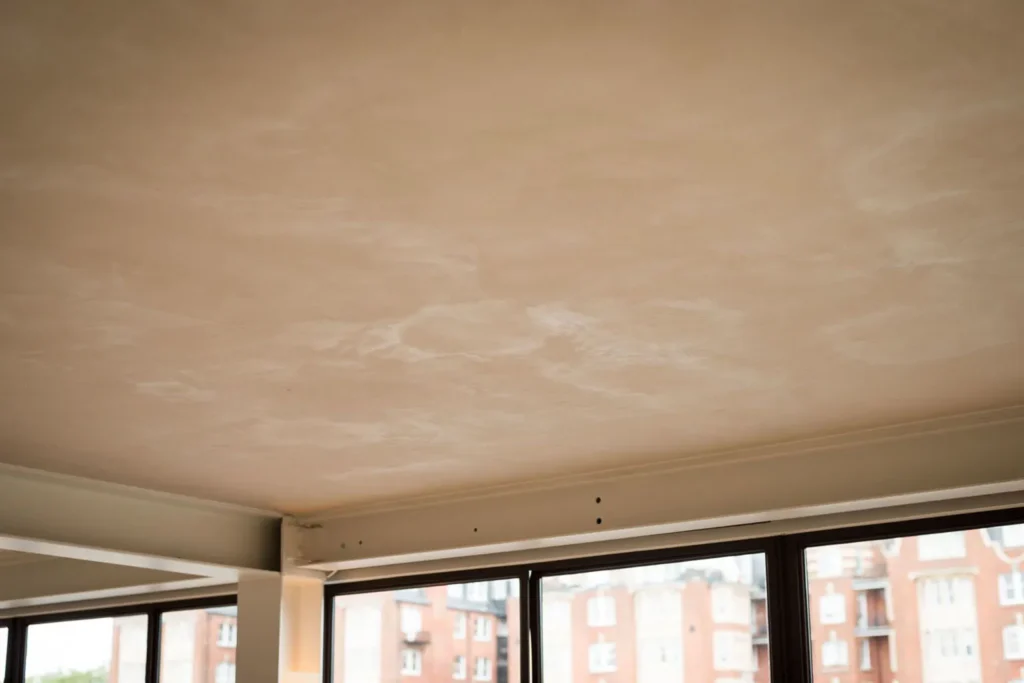
Ceiling skim plastering transforms overhead surfaces from dated eyesores into clean, modern finishes. Whether covering old Artex, repairing water damage, or refreshing tired plasterwork, professional skimming delivers flat ceilings throughout your home. Experienced tradesmen handle the demands of overhead work — proper preparation, consistent application, smooth finishing — for results that last.

Expert patch plastering makes repairs invisible through skilled blending and finishing technique. Localised damage gets properly prepared and skim coated with careful feathering into surrounding surfaces. Professional tradesmen match existing textures and finishes exactly — patches that paint over seamlessly and stay hidden permanently without requiring full wall re-skimming.
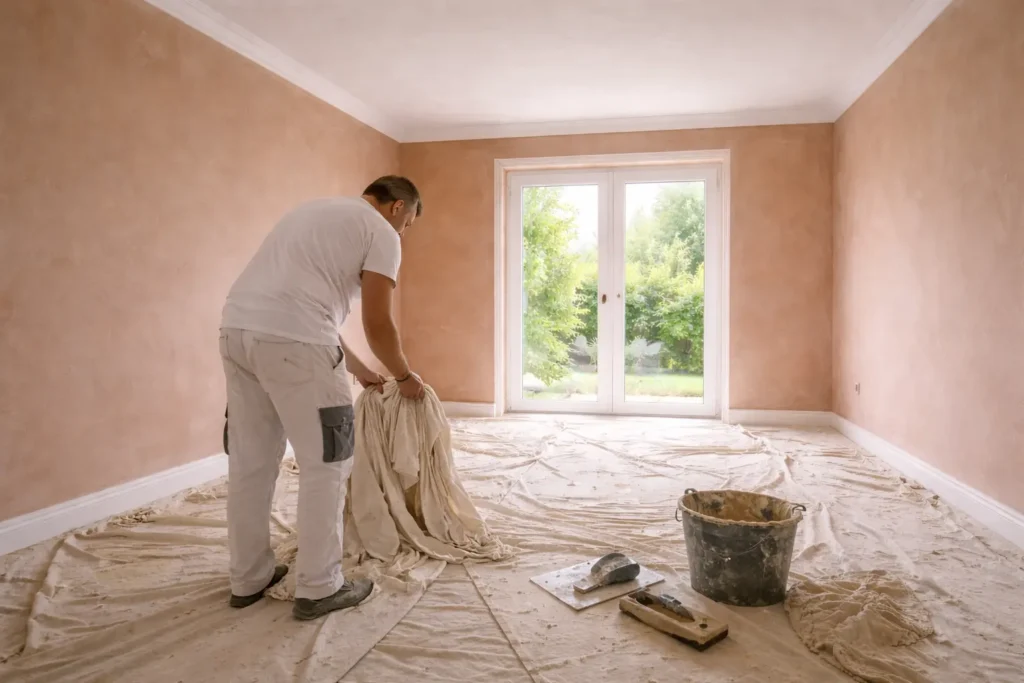
Plasterboard skim finishing delivers new-build quality on extension walls, conversion ceilings, and renovation projects. Professional joint treatment and smooth skim coats create seamless surfaces that transform raw construction into finished living spaces. Quality workmanship ensures lasting results — walls ready for decoration and built to stay that way.
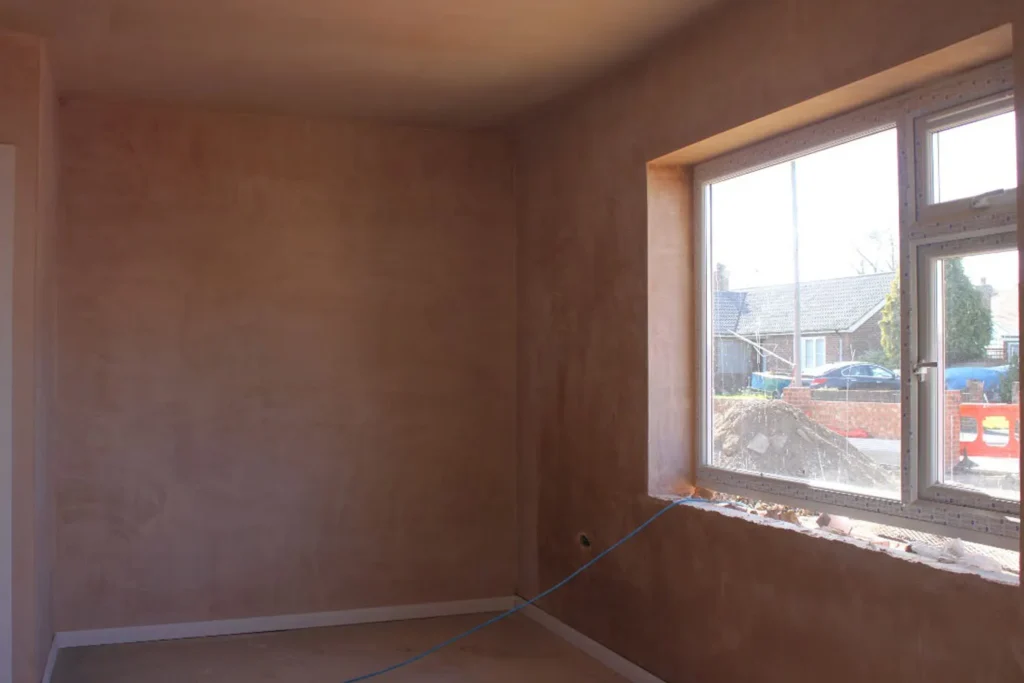
Full room skimming creates fresh, unified spaces with consistent smooth finishes across all surfaces. Comprehensive coverage ensures walls and ceilings match perfectly — no texture variations, no patchy areas, just seamless results throughout. Professional plasterers transform rooms completely, delivering even quality that makes decorating effortless.
Skimming looks easy until you try it yourself. Here’s the trade knowledge behind our consistently smooth finishes across Moreton.
Local knowledge from Leasowe Castle across to Shore Road means understanding Moreton construction patterns. Victorian artisan housing near the centre, inter-war expansion further out, post-war estates on the edges — each zone has characteristic wall types we’ve learned to handle.
Victorian solid walls with three previous skim coats, 1970s Artex hiding who-knows-what, plasterboard fitted yesterday — all need different approaches. Assessment across Moreton determines preparation, preparation determines finish quality.
Most Moreton properties are post-war houses or modern houses with 2.4m to 2.6m (7.9ft – 8.5ft) ceilings. Working exclusively on this housing type builds specific knowledge — where walls tend to blow, how surfaces typically behave, what preparation delivers lasting results.
Contact reaches the tradesman immediately — the same person who’ll assess your walls, solve any surface problems, and deliver the finished skim coats. Questions about wall condition and preparation get proper answers from someone who knows.
They’ll ask about your walls — what’s on them, what state they’re in, how many rooms need work. This shapes the assessment visit, which gets arranged for a mutually convenient time to inspect surfaces thoroughly before providing detailed costs.
On-site evaluation includes systematic checking — surface soundness, absorption consistency, damp presence, repair history. The plasterer explains what preparation involves and why. Quotes based on actual conditions, not hopeful assumptions about hidden problems.
Work happens systematically — thorough preparation, even coating, skilled finishing while plaster’s workable. Protection throughout, cleanup after. You’ll know specific drying times, when mist coat application should happen, and how soon full decoration can begin.
The common skimming questions — how surfaces get prepared, how long jobs take, when painting can happen. Straight answers, kept simple.
Timing reflects what walls need, not just room dimensions. Straightforward bedroom re-skim takes a day. Surfaces requiring extensive preparation — bonding, repairs, strip-back — take longer. Ceilings add time. Accurate estimates follow proper surface inspection.
Existing surface quality determines preparation. Well-bonded plaster takes skim coats directly after keying. Problem areas — hollow sections, loose coats, thick buildup — need stripping first. Assessment reveals genuine requirements rather than guessing.
Skim coats are thin finish layers — 2-3mm typically — applied over existing surfaces to create smooth walls. Plastering covers heavier applications including base coats on masonry, render work, or building depth. Most domestic work involves skimming existing plaster rather than full replastering.
Paint type and condition determine approach. Light matt emulsion on sound plaster can take skim after keying. Heavy paint buildup, gloss finishes, or silk coatings cause bonding problems — typically requiring stripping or bonding coat application. Assessment identifies what preparation your painted surfaces need.
New plaster needs drying time before paint. Surface usually appears dry within 2-4 days, but complete curing takes 2-3 weeks depending on thickness and ventilation. Mist coat with watered-down emulsion before proper painting — rushing risks adhesion failures.
Fill out the form or call now to speak directly to the plasterer covering your area. No call centres, no delays – just clear answers and fast action.
Your details are safe – we only use them to respond to your enquiry
Skimming work covers the complete Moreton region. Local understanding of property construction, typical plaster conditions, and preparation methods that suit these specific housing types.