
Walls that take paint properly start with proper skimming. Flat, smooth finishes across Knottingley — preparation done right, coats applied evenly, surfaces ready for whatever decoration you’re planning.
When you need professional skimming, the traditional platform route adds unnecessary steps. List the job, wait for responses, compare quotes, check reviews, make a decision — all while your walls sit there looking rough. Simpler is better.
There’s a better way to find a plasterer.
We assign one experienced skimming specialist to Knottingley. Contact goes directly to them when your walls need attention — no call centres filtering requests, just professional response from the tradesman who’ll do the work.
Professional wall skimming delivers the smooth finish that transforms how rooms look and feel. Rough plaster, textured surfaces, and patchy walls disappear beneath expertly applied skim coats, creating perfect bases for paint or wallpaper. Experienced plasterers prepare surfaces properly, apply consistent coverage, and finish to high standards — leaving walls flat, smooth, and ready for whatever decorative finish you choose.
Read the breakdown below and decide if we handle your type of skimming. If we do, get in contact and we’ll respond promptly. If we don’t, that’s fine — appreciate you stopping by.

Quality wall skimming eliminates surface problems that make decorating difficult. Cracks, bumps, patches, and uneven textures disappear beneath professionally applied skim coats, leaving smooth walls that take any finish beautifully. Experienced plasterers work methodically — proper prep, consistent application, clean finishing — delivering surfaces that transform how your rooms look and feel.
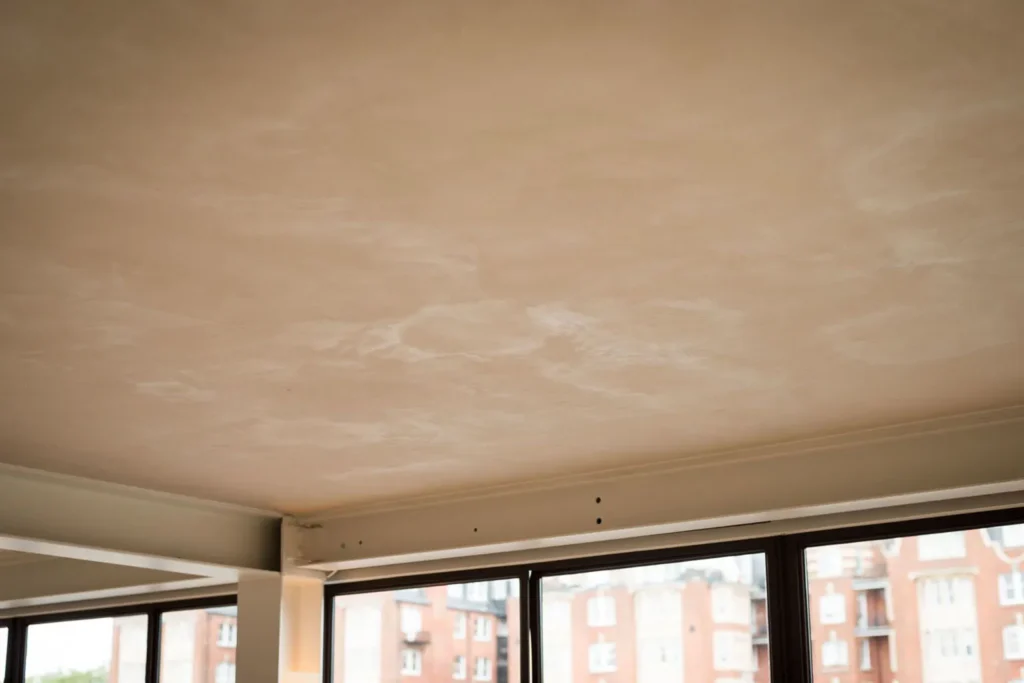
Expert ceiling skimming handles textured surfaces that paint alone can’t fix. Artex patterns, stippled finishes, and rough plaster need professional skim coating to create flat, contemporary ceilings. Skilled tradesmen prepare surfaces correctly, apply even coverage overhead, and finish to high standards — ceilings transformed and ready for decoration.

Blending patch repairs into existing plaster takes skill that professional plasterers develop over years. Visible damage gets properly filled, keyed, and skim coated with careful attention to edges and texture matching. Seamless feathering ensures patches disappear completely — walls restored to consistent smooth finishes ready for decoration without full re-skimming costs.
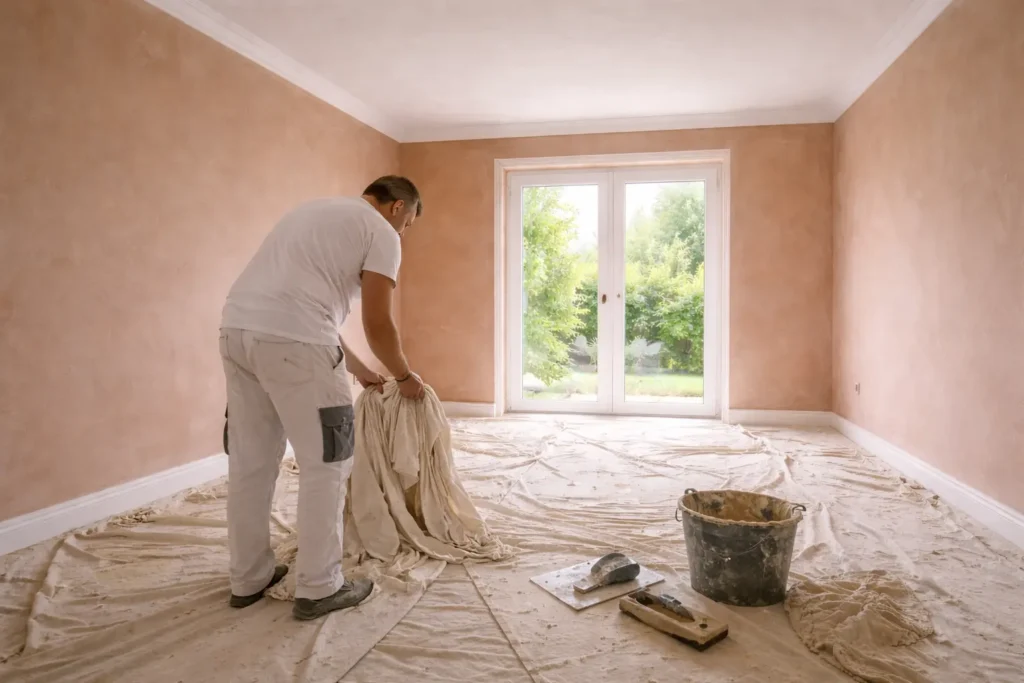
Professional finishing transforms new plasterboard into smooth, seamless surfaces ready for any decorative treatment. Extensions, loft conversions, and new builds need quality taping, jointing, and skimming to create walls that look right. Skilled plasterers ensure lasting results — no visible joints showing through, no cracking over time, just flawless finishes throughout.
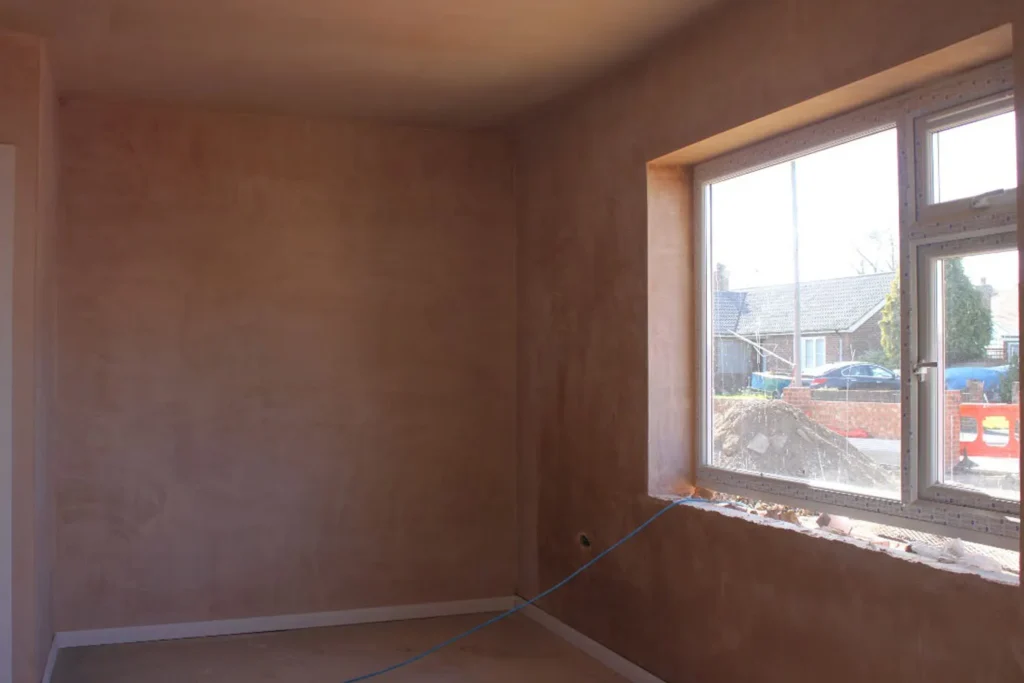
Complete room re-skimming delivers total transformation when walls and ceilings all need attention. Full coverage ensures consistent finishes throughout — no texture variations, no visible joins between old and new work. Experienced plasterers work systematically through each room, creating smooth surfaces that unify spaces and make decorating effortless.
Skimming looks easy until you try it yourself. Here’s the trade knowledge behind our consistently smooth finishes across Knottingley.
Working across Knottingley for years means knowing property histories. The streets around Aire and Calder Navigation flooded in ’97. The estate near Knottingley Glass Works had cavity wall insulation problems. The houses toward Hill Top suffer from condensation. History affects wall condition.
Walls stripped back to brick, ceilings with Artex underneath, patch repairs that need blending, new plasterboard waiting for its first coat — we handle the full range across Knottingley. Each surface type needs different preparation, and getting that wrong ruins everything that follows.
For the most part victorian terraces and council houses make up most of Knottingley, typically with 2.4m to 2.6m (7.9ft – 8.5ft) ceilings. Those building types share common features — similar construction eras, comparable materials, predictable issues. Understanding the patterns improves every job.
Enquiries reach the plasterer personally — not intermediaries booking jobs they don’t understand. You discuss surface conditions with someone who’s seen thousands of walls and knows which need stripping, which need bonding, and which just need keying.
Initial questions establish the scope — surface types, room count, known problems, finish expectations. The plasterer uses this to plan assessment requirements, then schedules a convenient visit to inspect walls properly and quote accurately.
Wall inspection includes hands-on assessment — tapping hollow sections, testing suction, checking for blown areas, noting repair history. Preparation needs get explained simply. Pricing reflects genuine surface condition found on site.
Jobs happen professionally — thorough prep, even application, timely finishing work. Furniture and floors get protected properly, and comprehensive cleanup follows. You receive specific advice about drying periods, mist coating, and when full decorating can start.
The usual skimming queries — how walls get prepared, how long it takes, when paint goes on. Straightforward answers, no jargon.
Completion time depends heavily on wall condition. Average bedroom on sound plaster takes roughly a day. Poor surfaces needing preparation work take longer — sometimes considerably. Ceiling work adds time. Assessment reveals what your walls actually require.
Surface condition governs preparation requirements. Well-bonded existing plaster takes skim coats directly. Blown sections need removal. Thick previous coats sometimes require stripping. Assessment identifies what your walls actually need rather than assuming worst-case scenarios.
Skimming applies thin finish coats over prepared surfaces — creating smooth walls from existing plaster. Plastering includes thicker applications like base coats on bare walls, rendering, or depth building. Typical home re-finishing means skimming over what’s there, not starting from scratch.
It depends on paint type and buildup. Thin matt emulsion can receive skim after surface keying. Heavy coatings, gloss finishes, or silk paint cause bonding failures — usually requiring stripping or adhesion agent application. Assessment identifies specific requirements.
Drying varies with conditions — ventilation, temperature, coat thickness. Surface typically dries enough in 2-4 days for mist coating, though full cure takes weeks. Diluted matt emulsion first seals the surface properly. Early decoration causes paint problems.
Fill out the form or call now to speak directly to the plasterer covering your area. No call centres, no delays – just clear answers and fast action.
Your details are safe – we only use them to respond to your enquiry
Skimming services cover all areas across Knottingley. Local expertise in housing stock characteristics, typical wall conditions, and preparation approaches that create smooth results on these specific surfaces.