
Flat finishes that stay flat come from doing things right. Quality skimming across Seaton Delaval — correct preparation, proper application, surfaces that take decoration evenly.
Posting skimming jobs online generates responses but not necessarily the right ones. Some quote low to win work then find extras, others quote high hoping you won’t check. Working directly with an established tradesman avoids the games.
We’ve built a cleaner system.
We assign one experienced skimming specialist to Seaton Delaval. Contact goes directly to them when your walls need attention — no call centres filtering requests, just professional response from the tradesman who’ll do the work.
Skimming addresses different wall and ceiling conditions. New plasterboard finishing differs from renovation re-coating, and each surface type requires appropriate preparation — proper evaluation ensures smooth, lasting results ready for any decorative finish.
Look through the details below to see if we cover your type of work. If it’s a good match, reach out — we’ll respond quickly. If it’s not our area, no worries — appreciate you stopping by.

Quality wall skimming eliminates surface problems that make decorating difficult. Cracks, bumps, patches, and uneven textures disappear beneath professionally applied skim coats, leaving smooth walls that take any finish beautifully. Experienced plasterers work methodically — proper prep, consistent application, clean finishing — delivering surfaces that transform how your rooms look and feel.
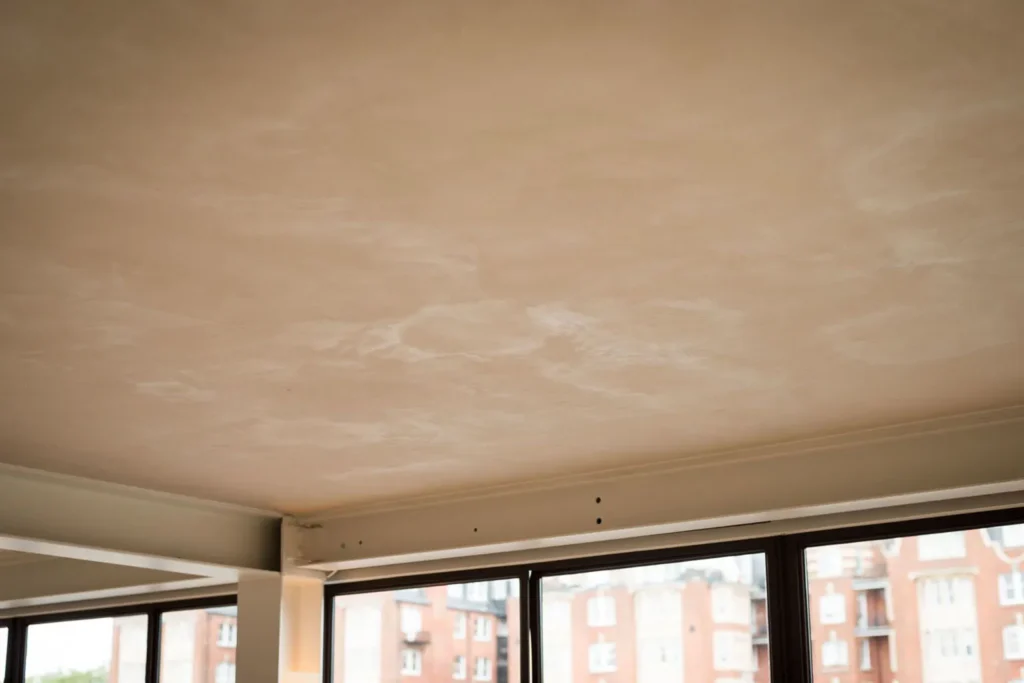
Re-skimming ceilings delivers smooth surfaces that transform room aesthetics completely. Textured patterns, visible repairs, and water staining disappear beneath flat skim coats that reflect light evenly. Professional ceiling work demands specific skills — working overhead, managing materials, finishing seamlessly — delivering results that modernise homes and simplify decorating.

Repair skimming handles localised wall damage efficiently without requiring full room re-plastering. Holes from shelving, cracks from movement, and damage from removed tiles all respond to professional patching that blends seamlessly. Skilled tradesmen prepare surfaces properly, apply skim coats that match, and finish so repairs become invisible — targeted fixes that save time and money.
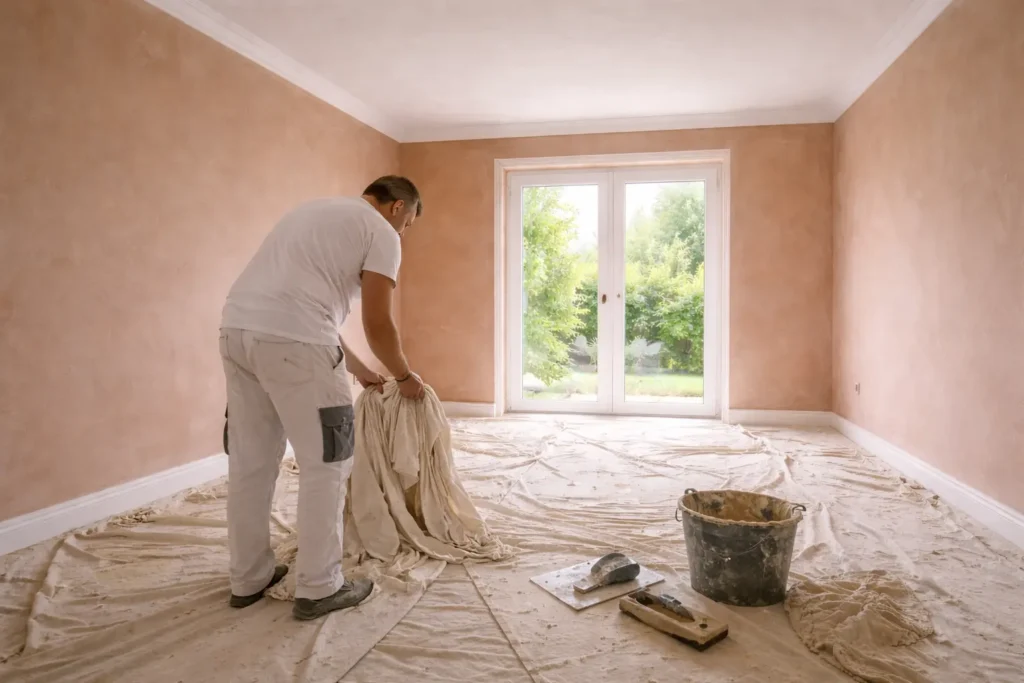
Finishing new plasterboard requires specialist technique that creates invisible joints and smooth surfaces. Extensions, conversions, and renovation projects need professional taping and skim coating to transform raw boards into decoration-ready walls. Experienced plasterers ensure seamless results — no visible joins, no cracking at corners, just flawless finishes throughout.
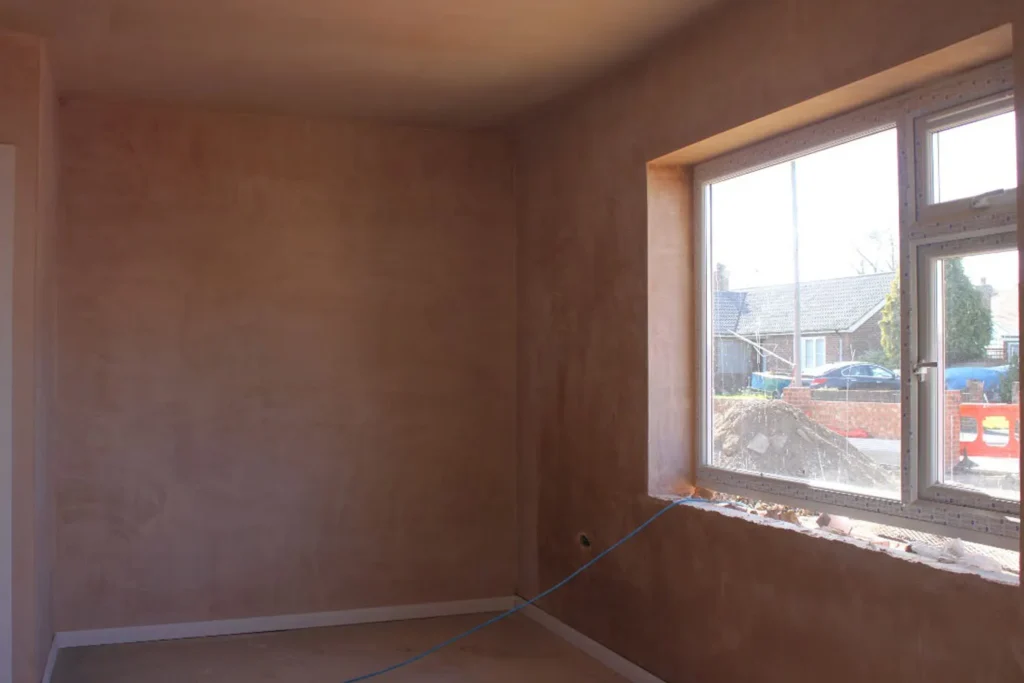
Complete room re-skimming transforms tired spaces with consistent professional finishes throughout. Walls and ceilings receive full attention — unified textures, even coverage, seamless quality everywhere. Experienced plasterers work efficiently through whole rooms, creating smooth surfaces that make spaces feel fresh and decorating straightforward.
Plaster forgives nothing — every shortcut shows eventually. Here’s the honest detail on how we work throughout Seaton Delaval.
Experience across Seaton Delaval — Monkseaton Metro Station, Spanish City nearby, Park View Shopping — builds a mental map of what’s behind the paint. Bay-fronted houses usually mean lath and lime. Pebbledash semis mean sand and cement render. That knowledge speeds up assessment and prevents preparation mistakes.
Walls stripped back to brick, ceilings with Artex underneath, patch repairs that need blending, new plasterboard waiting for its first coat — we handle the full range across Seaton Delaval. Each surface type needs different preparation, and getting that wrong ruins everything that follows.
For the most part inter-war semi-detached and post-war bungalows make up most of Seaton Delaval, typically with 2.4m to 2.6m (7.9ft – 8.5ft) ceilings. Those building types share common features — similar construction eras, comparable materials, predictable issues. Understanding the patterns improves every job.
Enquiries go straight to the plasterer covering Seaton Delaval — no booking team guessing at job requirements. You talk walls, surfaces, and preparation with someone who understands the difference between a quick re-skim and a full strip-back job.
Initial questions establish the scope — surface types, room count, known problems, finish expectations. The plasterer uses this to plan assessment requirements, then schedules a convenient visit to inspect walls properly and quote accurately.
Site visits involve proper surface reading — tapping for delamination, checking absorption rates, identifying weak spots, noting previous work quality. You understand preparation requirements before committing. Quotes match actual wall condition.
Work happens methodically — proper preparation, controlled application, careful finishing while the plaster’s still workable. Dust sheets protect your belongings, and complete cleanup follows. You’ll know exact drying times, when emulsion misting should happen, and how soon proper decoration can start.
Most people ask similar things before booking — what preparation’s needed, how long work takes, when decorating can start. Direct answers below.
A typical bedroom skims in a day when walls cooperate. Surface problems — blown plaster, poor adhesion, previous bodge jobs — extend timelines significantly. Ceiling work adds roughly half a day. You’ll get accurate timing once walls have been properly assessed.
Stripping depends on what’s there already. Firmly attached plaster in good condition skims over directly. Hollow-sounding blown areas need removing. Thick multi-coat buildup sometimes requires stripping back. Wall assessment reveals which approach your surfaces need.
Skimming applies thin finish layers over prepared existing surfaces. Full plastering includes base coat application, rendering, building thickness on bare walls. Typical home jobs involve skim finishing over existing plaster rather than plastering systems from scratch.
Depends on the paint and what’s beneath. Thin matt emulsion over good plaster skims after proper keying preparation. Thick paint layers, gloss finishes, or silk coatings prevent proper adhesion — usually needing removal or bonding treatment. Assessment determines requirements for your surfaces.
New skim needs drying time — typically 2-4 days for surface drying, weeks for complete curing. Mist coat first using diluted matt emulsion to seal porous surfaces. Then proper painting follows. Rushing decoration risks adhesion failure and paint defects.
Fill out the form or call now to speak directly to the plasterer covering your area. No call centres, no delays – just clear answers and fast action.
Your details are safe – we only use them to respond to your enquiry
Skimming work extends across the complete Seaton Delaval region. Local expertise in housing stock characteristics, wall behaviours, and preparation methods that deliver proper results on these surfaces.