
Flat finishes that stay flat come from doing things right. Quality skimming across Little Aston — correct preparation, proper application, surfaces that take decoration evenly.
The quote-comparison approach works in theory but creates headaches in practice. Three plasterers, three prices, three availability windows — and you’re still not sure who’ll do the best job. Direct access to one reliable professional solves that.
We’ve stripped out the unnecessary steps.
We assign one experienced skimming specialist to Little Aston. Contact goes directly to them when your walls need attention — no call centres filtering requests, just professional response from the tradesman who’ll do the work.
Professional skimming handles various wall states. Patchy repairs need blending, full rooms need consistent coverage, and ceilings need careful technique to avoid visible joins — experienced assessment determines the right approach for lasting results.
Read through what’s covered below and see if it fits your project. If it does, we’re here to help — just call or message. If it doesn’t quite match, that’s absolutely fine.

Wall skimming transforms rough, damaged, or outdated surfaces into smooth, paintable finishes ready for any decoration. Whether following wallpaper removal, covering old Artex, or refreshing tired plasterwork, professional skim coats create flawless walls throughout your home. Skilled application ensures consistent coverage, clean edges around sockets and switches, and durable surfaces that won’t crack or flake — giving rooms a fresh, modern feel that makes decorating effortless.
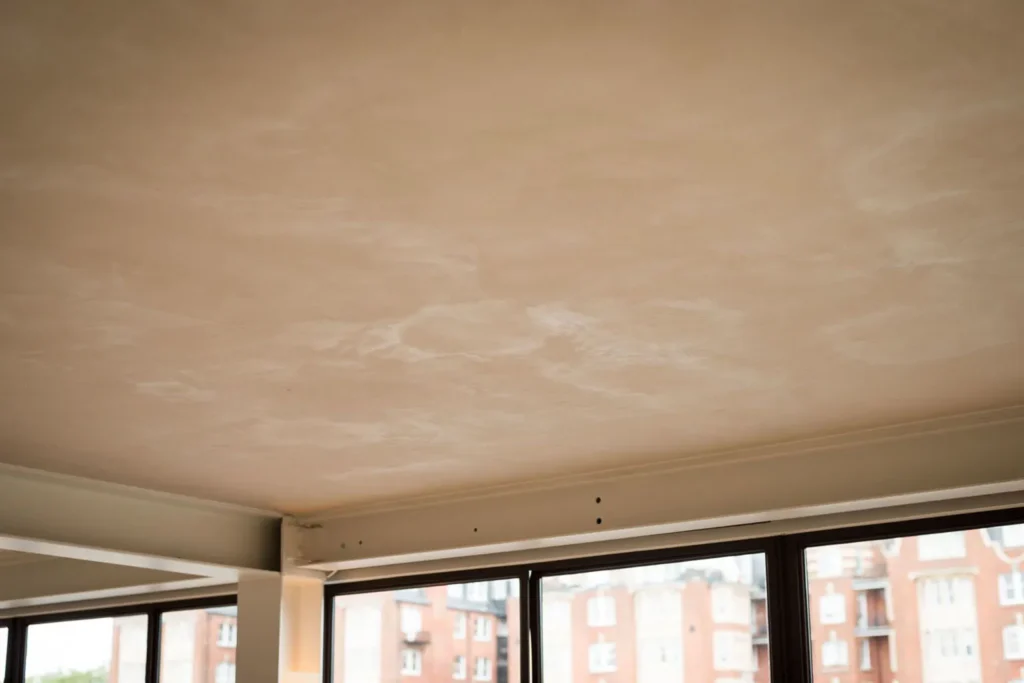
Quality ceiling re-skimming eliminates dated textures and creates fresh, smooth finishes throughout your property. Swirl patterns, stipple coatings, and damaged plaster respond to professional skimming that delivers flat overhead surfaces. Experienced plasterers handle ceiling work efficiently — proper technique, consistent results, lasting quality — rooms transformed by smooth, modern ceilings.

Quality repair skimming makes wall damage disappear without extensive replastering. Localised problems — fixture marks, impact holes, cracked areas — respond to professional patching that blends seamlessly. Skilled plasterers prepare surfaces properly, match existing textures, and finish so repairs become completely invisible under any decoration.
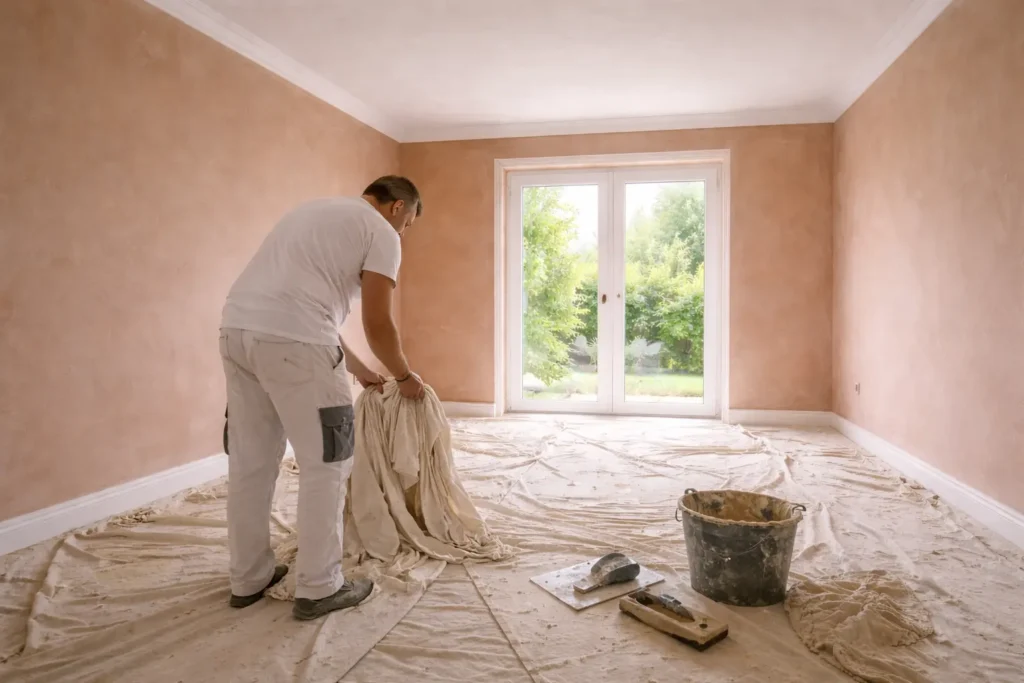
Plasterboard skim finishing delivers new-build quality on extension walls, conversion ceilings, and renovation projects. Professional joint treatment and smooth skim coats create seamless surfaces that transform raw construction into finished living spaces. Quality workmanship ensures lasting results — walls ready for decoration and built to stay that way.
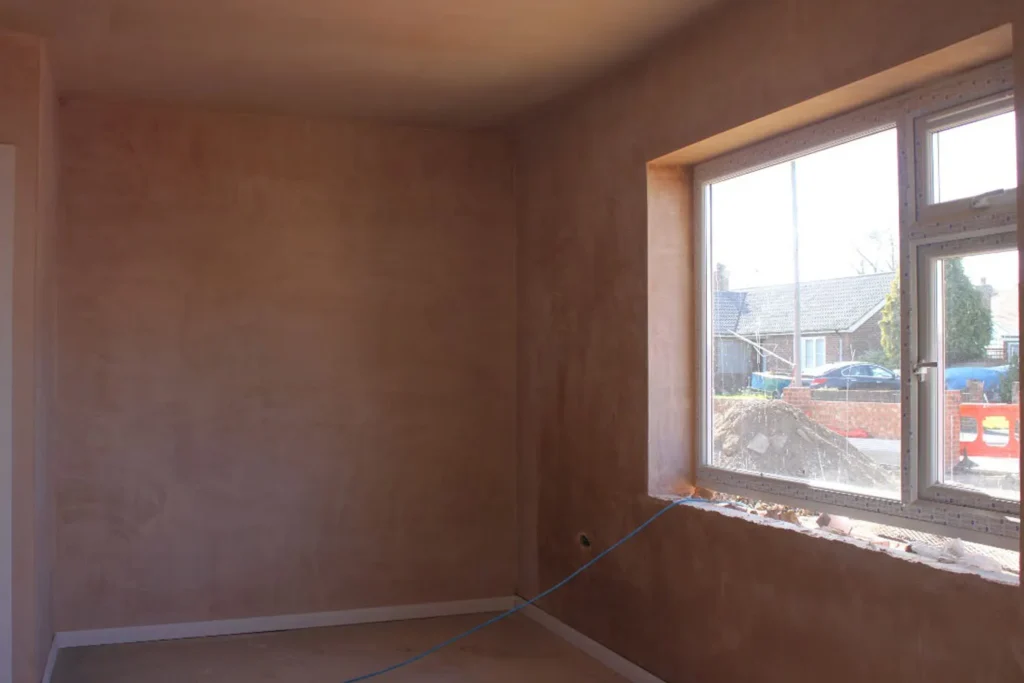
Complete room re-skimming delivers total transformation when walls and ceilings all need attention. Full coverage ensures consistent finishes throughout — no texture variations, no visible joins between old and new work. Experienced plasterers work systematically through each room, creating smooth surfaces that unify spaces and make decorating effortless.
The trowel marks that disappear wet can reappear under paint. Here’s why our finishing technique creates surfaces that stay flat across Little Aston.
Properties near Four Oaks Park tend toward solid nine-inch walls with lime plaster. Toward Belwell Lane you hit more cavity construction with gypsum. Out near Luttrell Road the estates are mostly board. Knowing Little Aston’s building history makes preparation instinctive.
Single feature walls, whole room transformations, awkward ceiling repairs, invisible patch blending — each job type brings its own challenges. Consistent quality across Little Aston comes from adapting methods to match conditions, not applying the same approach everywhere.
Properties throughout Little Aston are predominantly edwardian mansions and 1930s detached, ceilings 2.8m to 3.5m (9.2ft – 11.5ft). Concentrated experience on this housing stock builds deep understanding — not textbook knowledge, but hands-on familiarity with how these specific walls behave.
When you get in touch, the tradesman answers — same person who’ll assess your surfaces and apply the skim coats. Conversations about wall condition, preparation needs, and finishing standards happen with someone qualified to give proper answers.
Discussion focuses on understanding your situation — what the walls look like now, what you want them to become, any previous plastering issues. Assessment gets arranged at suitable timing to check surfaces firsthand before quoting.
Site visits involve proper surface reading — tapping for delamination, checking absorption rates, identifying weak spots, noting previous work quality. You understand preparation requirements before committing. Quotes match actual wall condition.
Plastering happens systematically — correct preparation, even application, timely finishing. Work areas get protected properly, and thorough cleanup occurs after. Clear information covers drying periods, when to apply mist coats, and how soon decoration can follow.
Planning plastering work brings practical questions — preparation needs, realistic timelines, decoration timing. Here’s the straightforward information most people ask for.
Standard room skimming typically takes a day on reasonable surfaces. Problem walls needing serious preparation extend timing considerably. Ceiling inclusion adds hours. Surface condition varies hugely between properties — assessment provides accurate scheduling for your specific walls.
Stripping depends on what’s there already. Firmly attached plaster in good condition skims over directly. Hollow-sounding blown areas need removing. Thick multi-coat buildup sometimes requires stripping back. Wall assessment reveals which approach your surfaces need.
Skimming means applying thin finish coats over existing plaster. Full plastering involves heavier work — base coats on brick or block, render layers, building depth where needed. Typical home work involves re-skimming surfaces rather than starting from bare masonry.
Paint type and thickness matter. Light matt emulsion on sound plaster skims after proper keying. Heavy paint buildup, gloss finishes, or silk coatings prevent adequate bonding — typically requiring stripping or specialist treatment. Assessment determines your wall requirements.
New skim needs drying time — typically 2-4 days for surface drying, weeks for complete curing. Mist coat first using diluted matt emulsion to seal porous surfaces. Then proper painting follows. Rushing decoration risks adhesion failure and paint defects.
Fill out the form or call now to speak directly to the plasterer covering your area. No call centres, no delays – just clear answers and fast action.
Your details are safe – we only use them to respond to your enquiry
Coverage extends across the whole of Little Aston. Quality skimming from plasterers who understand local construction — property ages, original materials, surface types — and what preparation each genuinely requires.