
Smooth walls aren’t luck — they’re preparation meeting technique. Professional skimming across Cliffe Vale that delivers flat, lasting surfaces ready for paint or paper.
When you need professional skimming, the traditional platform route adds unnecessary steps. List the job, wait for responses, compare quotes, check reviews, make a decision — all while your walls sit there looking rough. Simpler is better.
We do things differently.
One experienced plasterer covers skimming work across Cliffe Vale. Direct contact eliminates platform delays — you speak to the tradesman who’ll actually transform your walls into smooth, paintable surfaces.
Skim plastering covers diverse situations. Kitchen refreshes after tile removal differ from bedroom re-skims, and each room presents unique challenges — proper evaluation ensures appropriate methods and smooth, consistent results.
Read through what’s covered below and see if it fits your project. If it does, we’re here to help — just call or message. If it doesn’t quite match, that’s absolutely fine.

Flawless wall finishes require professional skimming from tradesmen who understand surface preparation and application technique. Rough walls, patchy repairs, and textured surfaces transform into smooth canvases ready for paint or paper. Quality materials, proper preparation, and skilled application combine to create lasting results — walls that stay flat, take decoration evenly, and look professionally finished.
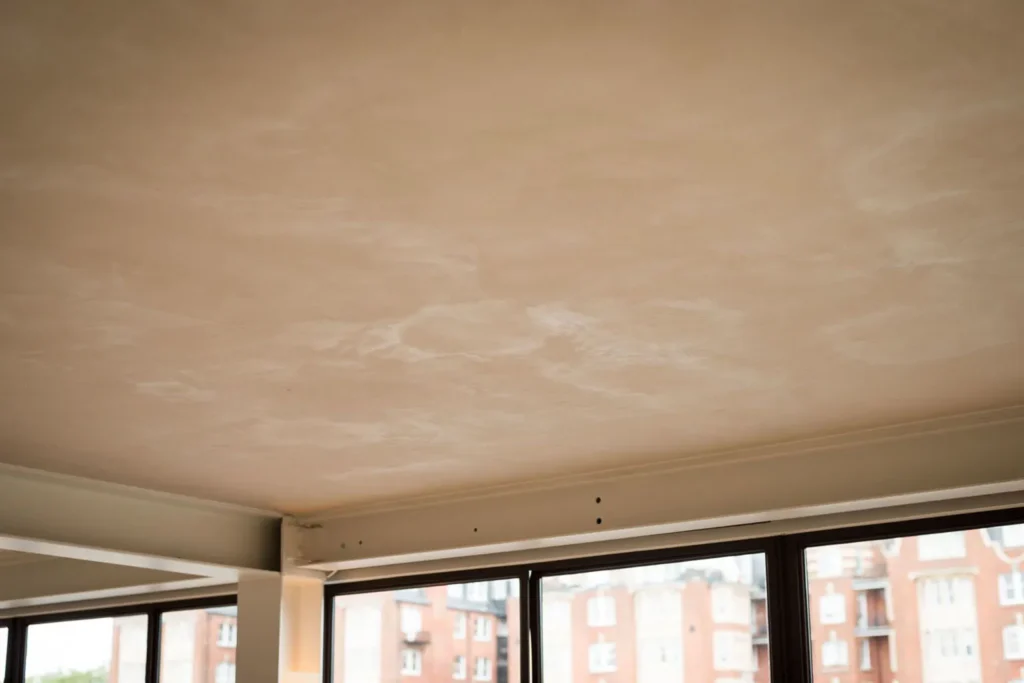
Professional ceiling finishes start with expert skimming that transforms rough or textured surfaces. Outdated Artex, damaged plaster, and uneven areas disappear beneath smooth skim coats applied by skilled tradesmen. Working overhead requires specific technique and experience — delivering flat ceilings that reflect light evenly and make rooms feel fresh.

Patch repair skimming blends seamlessly into existing surfaces, making damage invisible without re-plastering entire walls. Holes, cracks, dents, and damaged sections get properly filled, keyed, and skim coated to match surrounding plaster exactly. Skilled plasterers feather edges, match textures, and finish patches so they disappear completely — repairs that stay hidden under any decorative finish you apply.
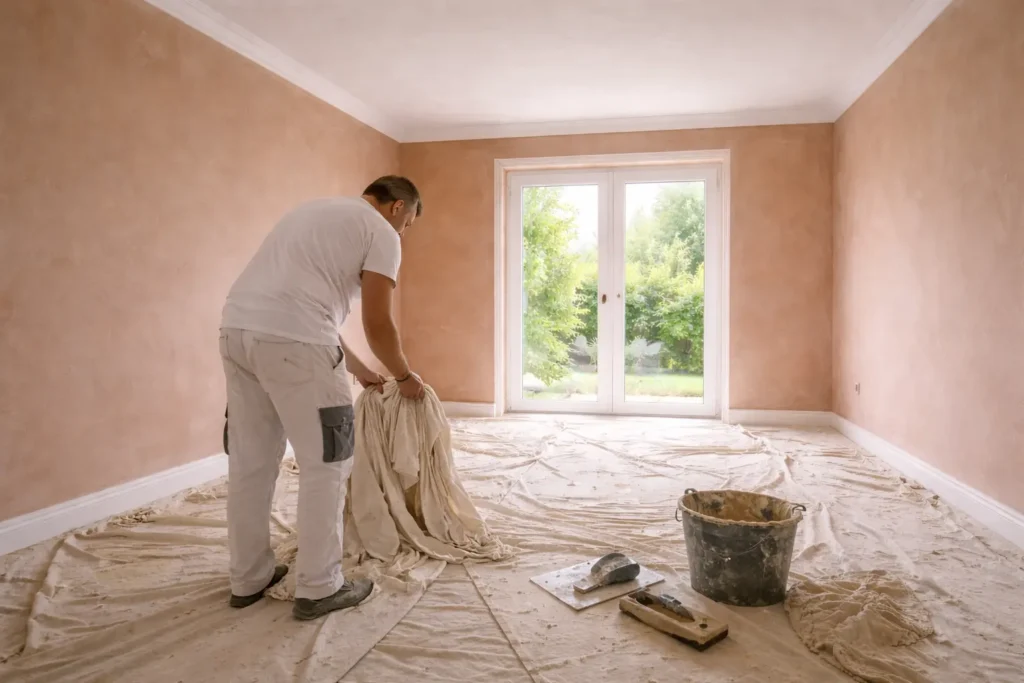
Professional plasterboard finishing transforms raw boards into smooth, paintable surfaces ready for decoration. New extensions, garage conversions, and loft rooms all need expert taping, jointing, and skimming to create seamless walls. Skilled plasterers work systematically — proper joint preparation, consistent skim application, quality finishing — delivering new-build quality throughout.
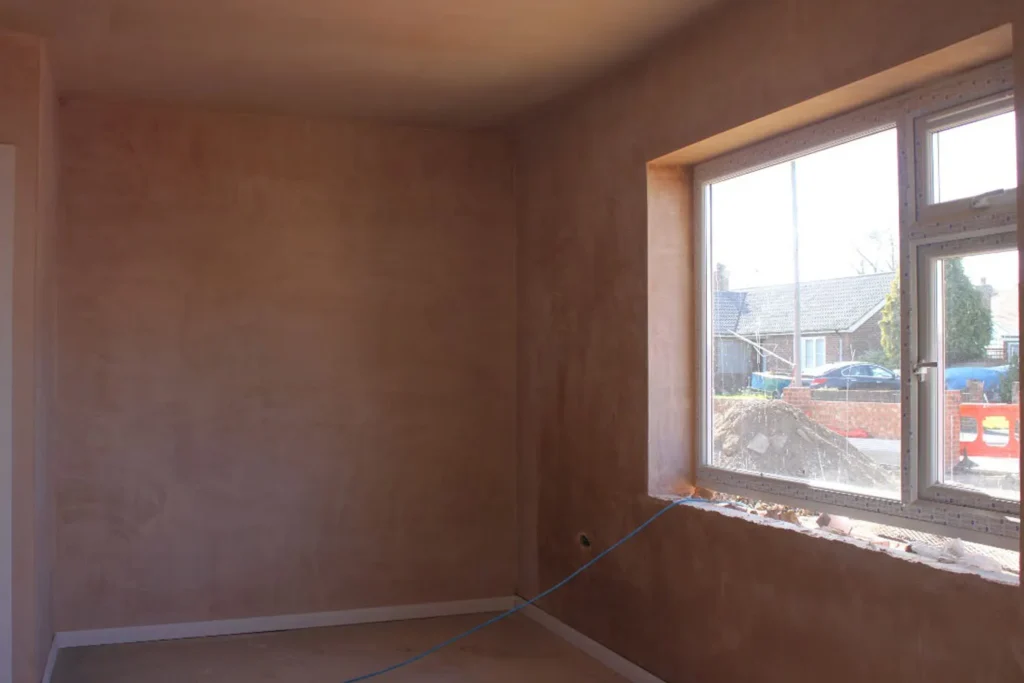
Total room transformation starts with full skimming that creates consistent smooth finishes across all surfaces. Walls and ceilings get complete coverage — no mismatched areas, no texture variations, just unified results throughout. Professional plasterers work efficiently, delivering the even quality that makes decorating straightforward and rooms feel completely refreshed.
Cheap skimming costs more when you’re repainting rippled walls a year later. Here’s the detail on our quality-first approach across Cliffe Vale.
Working across Cliffe Vale for years means knowing property histories. The streets around St Josephs Church flooded in ’97. The estate near Fenton Manor had cavity wall insulation problems. The houses toward Victoria Road suffer from condensation. History affects wall condition.
Old lime plaster, modern gypsum, fresh plasterboard, patched areas mixing all three — each responds differently to skim coats. Experience across Cliffe Vale properties means recognising what we’re working on and adjusting technique accordingly.
Most Cliffe Vale homes are victorian terraced houses or council estates with 2.6m to 2.8m (8.5ft – 9.2ft) ceilings. Working continuously on these property types develops pattern recognition — spotting preparation requirements quickly based on accumulated experience.
Enquiries reach the plasterer personally — not intermediaries booking jobs they don’t understand. You discuss surface conditions with someone who’s seen thousands of walls and knows which need stripping, which need bonding, and which just need keying.
They’ll ask practical questions — what’s on the walls now, how many rooms, any known problems. Assessment timing gets arranged based on availability, ensuring proper site evaluation before providing detailed quotations.
Site visits involve systematic surface reading — checking soundness, testing absorption, identifying weak spots, noting previous repairs. Preparation needs get explained clearly. Pricing matches actual wall condition, not generic estimates.
Skimming proceeds professionally — proper surface prep, fresh mixing, controlled application, timely finishing. Work areas get full protection, and complete tidying follows. Clear guidance addresses drying stages, mist coating requirements, and realistic decoration timing.
The same queries come up before most skimming jobs — surface preparation, job duration, drying periods. Here’s the no-nonsense answers.
Standard room skimming typically takes a day on reasonable surfaces. Problem walls needing serious preparation extend timing considerably. Ceiling inclusion adds hours. Surface condition varies hugely between properties — assessment provides accurate scheduling for your specific walls.
Stripping isn’t always necessary — wall condition dictates preparation. Sound plaster receives skim directly over existing surfaces. Hollow sections, loose coats, or thick buildup need removing first. Assessment reveals what your walls genuinely require.
Skim finishing creates smooth walls using thin coats — 2-3mm typically — over existing surfaces. Plastering encompasses heavier applications: base coats on masonry, render work, depth building. Most domestic re-finishing involves skimming existing plaster rather than full replastering.
Depends on what paint and how much. Thin matt emulsion takes skim after keying preparation. Thick layers, gloss finishes, or silk coatings cause adhesion problems — usually requiring removal or bonding agent application. Assessment identifies the right approach for your surfaces.
New plaster requires proper drying — typically 2-4 days minimum, longer for full curing. Mist coat first using watered-down emulsion to seal surfaces correctly. Decorating too early risks adhesion failures, peeling, and blistering.
Fill out the form or call now to speak directly to the plasterer covering your area. No call centres, no delays – just clear answers and fast action.
Your details are safe – we only use them to respond to your enquiry
We operate throughout Cliffe Vale for professional skimming. Plasterers with genuine knowledge of local homes — construction eras, wall types, surface behaviours — delivering finishes suited to these properties.