
Quality shows through paint — flat walls or rippled, proper prep or rushed. Professional skimming across Rainhill that delivers surfaces worth the decoration you’ll put on them.
The big platforms work for finding options, but too many options creates its own problem. When three plasterers quote different prices for the same skim job, how do you know who’s right? One experienced local tradesman eliminates the guesswork.
Getting walls skimmed shouldn’t be complicated.
One plasterer covers skimming work across Rainhill. You speak to them directly, they assess your walls, and they complete the job. No platform delays, no multiple callbacks — just straightforward professional service.
Skimming work varies significantly depending on existing conditions. Sound plaster just needs re-coating, compromised areas need stripping back, and new boards need proper preparation — identifying the starting point ensures professional finishes.
Take a look at what we do below. If you think we’re a good match for your walls, get in touch. If not, no hard feelings — thanks for stopping by.

Wall skim plastering creates the blank canvas every decorator dreams of. Lumpy, bumpy, or damaged walls get transformed into perfectly flat surfaces ready for any finish. Professional plasterers assess existing conditions, prepare surfaces correctly, and apply smooth skim coats that hide imperfections completely — delivering the quality foundation that makes decorating straightforward and results impressive.
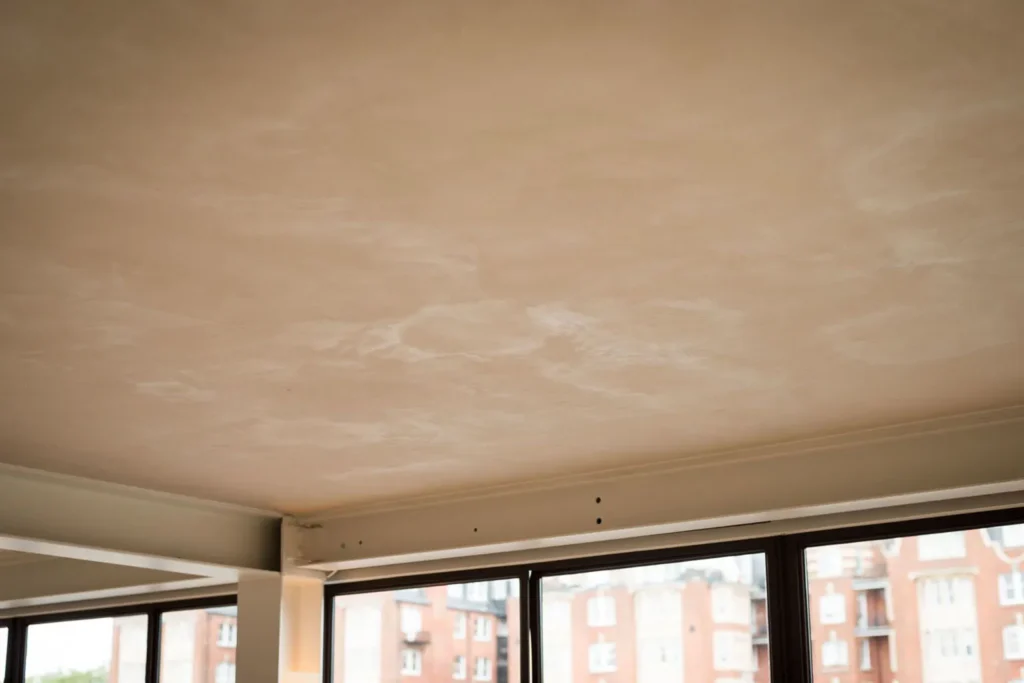
Ceiling skim plastering transforms overhead surfaces from dated eyesores into clean, modern finishes. Whether covering old Artex, repairing water damage, or refreshing tired plasterwork, professional skimming delivers flat ceilings throughout your home. Experienced tradesmen handle the demands of overhead work — proper preparation, consistent application, smooth finishing — for results that last.

Blending plaster repairs requires professional technique that makes patches invisible on finished walls. Damage from various causes — impacts, removed fittings, cables, cracks — gets properly prepared and skim coated to match existing surfaces. Careful feathering and texture matching ensure seamless results ready for any decorative treatment.
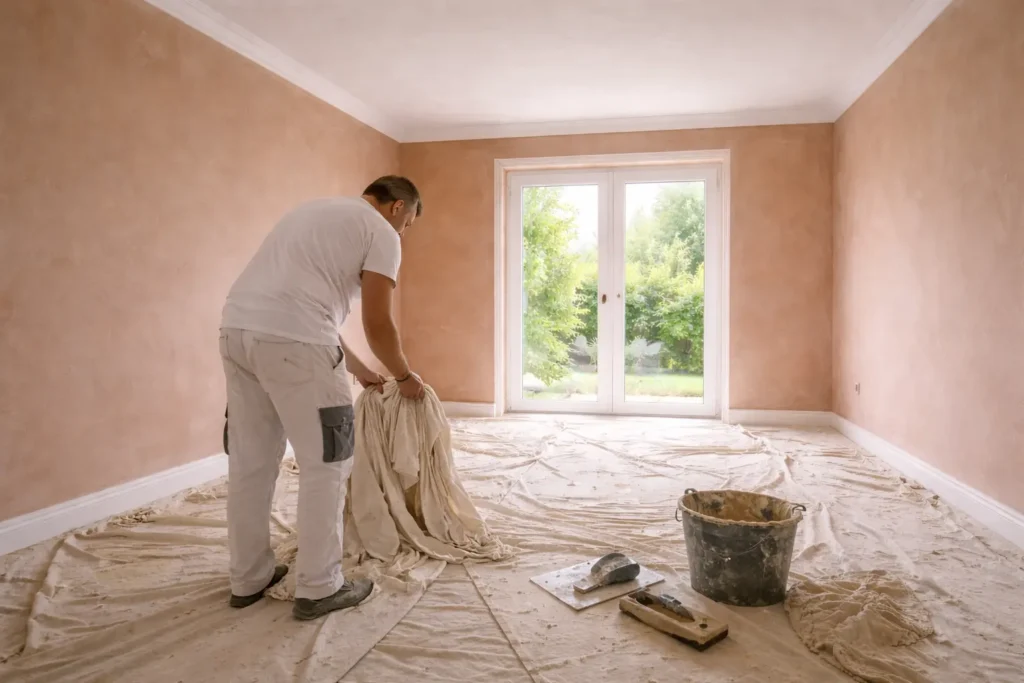
Finishing freshly boarded walls takes specialist skill that professional plasterers apply to extensions and conversions. Taped joints disappear beneath smooth skim coats, creating seamless surfaces ready for paint or paper. Quality preparation and application ensure lasting results — no visible joins, no corner cracking, just flawless finishes that make new spaces feel complete.
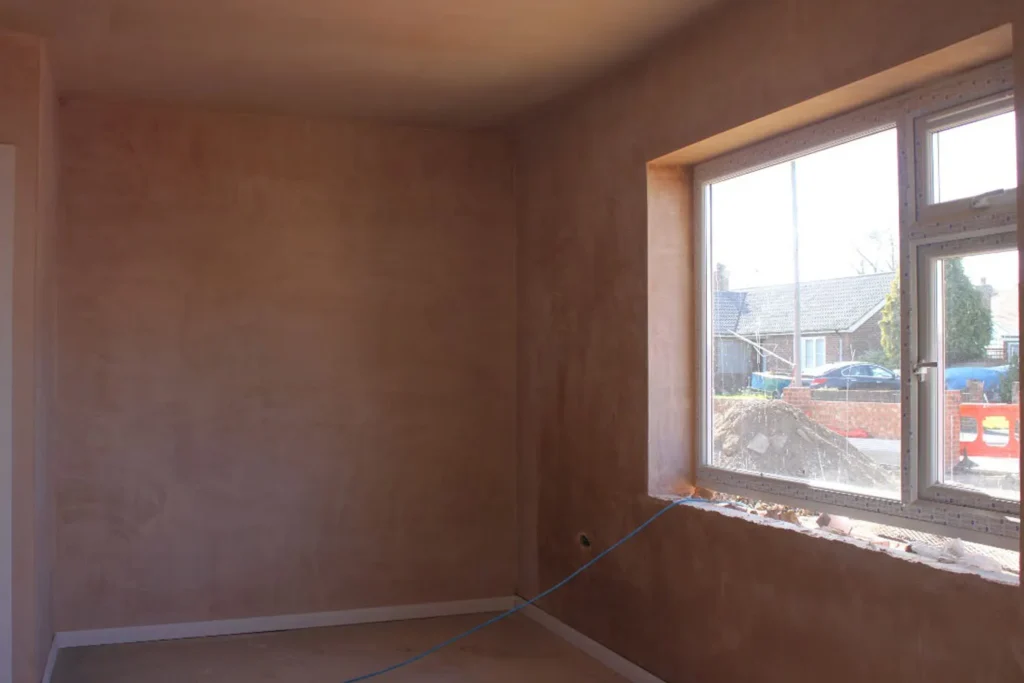
Full room plastering unifies surfaces with consistent smooth finishes across walls and ceilings together. Comprehensive re-skimming eliminates texture variations and patchy areas — delivering seamless results throughout. Skilled tradesmen work room by room, ensuring even quality and professional finishing that transforms spaces completely.
Anyone can spread plaster — fewer can leave it properly flat. Here’s what separates our skimming work from average results across Rainhill.
Properties around Old Parish Church were mostly built pre-war — lime plaster, lath ceilings, solid walls. Near Rainhill High Street the fifties estates dominate. Toward Rainhill Primary School it’s newer construction. Each era across Rainhill needs different preparation approaches.
Kitchen walls after tile removal, bedroom ceilings hiding Artex, hallways with a century of wallpaper paste — every surface has history that affects how plaster behaves. We read that history properly across Rainhill before picking up a trowel.
Properties throughout Rainhill are predominantly victorian terraces and modern semis, ceilings 2.4m to 2.7m (7.9ft – 8.9ft). Concentrated experience on this housing stock builds deep understanding — not textbook knowledge, but hands-on familiarity with how these specific walls behave.
Calls and forms go straight to your area’s tradesman — no filtering through people who’ve never held a trowel. You get honest conversation about wall types, preparation needs, and what quality skimming actually requires.
Discussion focuses on understanding your situation — what the walls look like now, what you want them to become, any previous plastering issues. Assessment gets arranged at suitable timing to check surfaces firsthand before quoting.
Wall inspection covers everything relevant — structural soundness, surface adhesion, previous repair quality, moisture levels. The plasterer explains preparation needs in plain terms. Pricing reflects what your walls actually require, not generic per-metre rates.
Jobs happen professionally — thorough prep, even application, timely finishing work. Furniture and floors get protected properly, and comprehensive cleanup follows. You receive specific advice about drying periods, mist coating, and when full decorating can start.
Most people ask similar things before booking — what preparation’s needed, how long work takes, when decorating can start. Direct answers below.
A typical room takes around a day on cooperative surfaces. Wall condition affects timing more than room size — extensive preparation needs stretch schedules significantly. Ceilings add time. Assessment provides realistic duration based on your specific surface condition.
Stripping depends on what exists already. Firmly attached plaster in decent condition receives skim directly. Delaminated areas, failed coats, or excessive thickness need removal first. Assessment determines genuine requirements for your specific walls.
Skimming means thin finish coats over prepared existing surfaces. Full plastering includes base coats on brick, render application, depth building. Typical home jobs involve re-skimming existing plaster rather than plastering from scratch — thinner applications, quicker completion.
Paint condition affects preparation significantly. Matt emulsion over good plaster takes skim after proper keying. Gloss finishes, silk coatings, or thick paint layers prevent adequate adhesion — typically requiring removal or bonding treatment. Assessment determines your needs.
New skim needs drying time — typically 2-4 days for surface drying, weeks for complete curing. Mist coat first using diluted matt emulsion to seal porous surfaces. Then proper painting follows. Rushing decoration risks adhesion failure and paint defects.
Fill out the form or call now to speak directly to the plasterer covering your area. No call centres, no delays – just clear answers and fast action.
Your details are safe – we only use them to respond to your enquiry
We operate across the whole of Rainhill. Professional skimming backed by genuine knowledge of local housing construction, typical wall conditions, and effective preparation approaches.