
Flat, smooth, ready to decorate — that’s what proper skimming delivers. Quality finishes across Kersal from plasterers who understand surfaces and take preparation seriously.
When you need walls finished properly, the platform approach creates doubt rather than confidence. Competing quotes, mixed reviews, availability clashes — it’s harder than it should be. One trusted local plasterer simplifies the whole process.
We keep things direct.
We keep skimming straightforward: one trusted tradesman covers Kersal. Contact them directly when your walls need refinishing, and they’ll respond without the delays inherent in multi-quote platform systems.
Professional plastering encompasses various skimming scenarios. Patch repairs blending into existing surfaces need precision, full re-skims need consistency, and each job benefits from understanding the surface conditions before work begins.
See what we handle below and decide if we’re the right people for your job. If yes, contact us and we’ll get things moving. If no, that’s completely fine — thanks for checking.

Professional wall plastering delivers smooth, lasting finishes that transform your living spaces. Rough or damaged surfaces get properly prepared and coated with quality skim plaster, creating flat walls ready for any decorative treatment. Attention to detail around light switches, corners, and edges ensures professional results throughout — surfaces that look right and perform well for years.
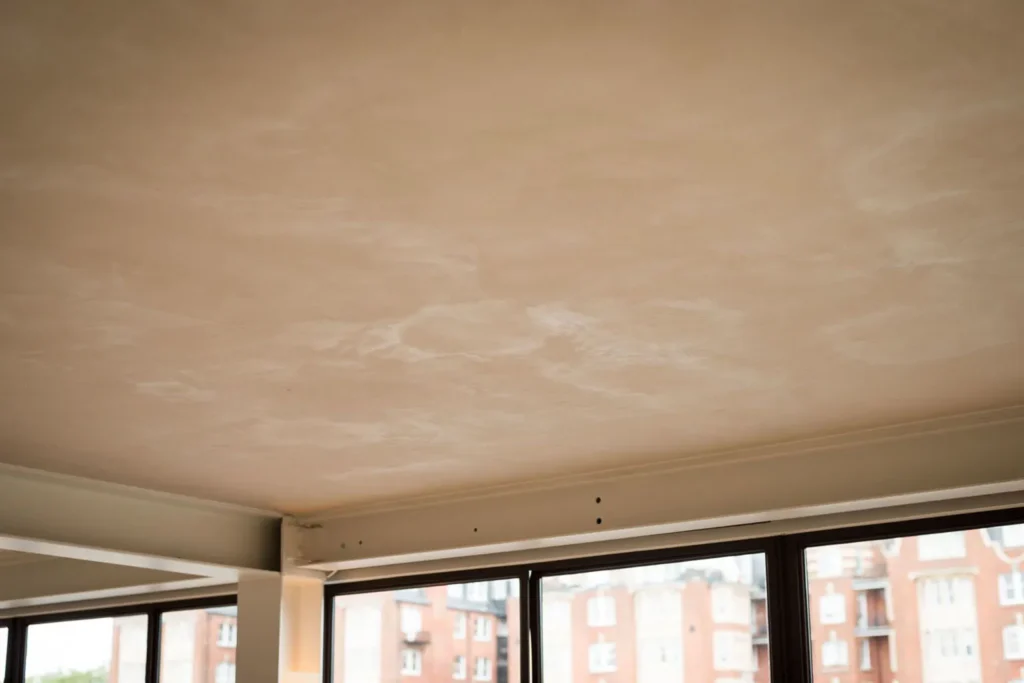
Expert ceiling skimming handles textured surfaces that paint alone can’t fix. Artex patterns, stippled finishes, and rough plaster need professional skim coating to create flat, contemporary ceilings. Skilled tradesmen prepare surfaces correctly, apply even coverage overhead, and finish to high standards — ceilings transformed and ready for decoration.

Quality repair skimming makes wall damage disappear without extensive replastering. Localised problems — fixture marks, impact holes, cracked areas — respond to professional patching that blends seamlessly. Skilled plasterers prepare surfaces properly, match existing textures, and finish so repairs become completely invisible under any decoration.
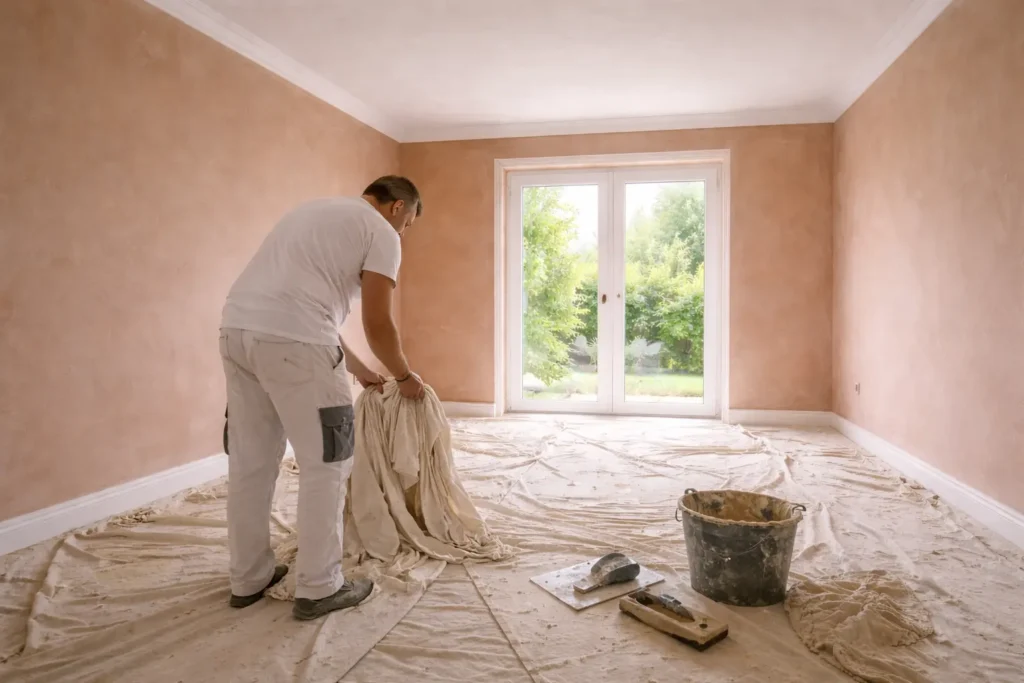
Finishing freshly boarded walls takes specialist skill that professional plasterers apply to extensions and conversions. Taped joints disappear beneath smooth skim coats, creating seamless surfaces ready for paint or paper. Quality preparation and application ensure lasting results — no visible joins, no corner cracking, just flawless finishes that make new spaces feel complete.
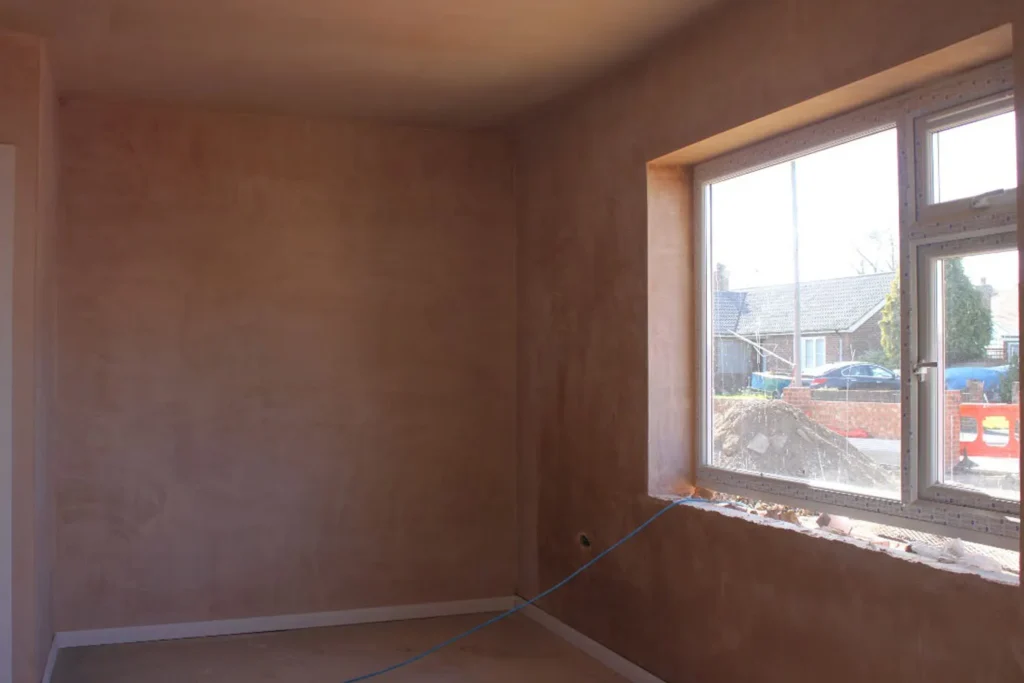
Full room skimming transforms entire spaces with consistent smooth finishes across all walls and ceilings. Complete re-plastering creates uniform surfaces throughout — no mismatched textures, no patchy areas, just seamless results from floor to ceiling. Professional plasterers work room by room, ensuring consistent coverage and quality finishing that makes decorating straightforward and results impressive.
The finish you get depends entirely on who holds the trowel. Here’s the honest breakdown of how we approach skimming work throughout Kersal.
From Kersal Moor to Kersal Dale and out to St Pauls Church, we’ve worked on Kersal’s full housing range. That teaches you what preparation to expect before arriving — which areas have solid walls, where to expect blown plaster, what the original builders used.
Extension walls joining original walls, old ceilings meeting new plasterboard, repairs that must disappear into existing finishes — transitions need careful handling. Seamless results across Kersal come from managing where different surfaces meet.
The typical Kersal home — edwardian semis or victorian villas with 2.7m to 2.9m (8.9ft – 9.5ft) ceilings — has walls we’ve skimmed hundreds of times. That repetition builds instinct about what preparation works, what problems to check for, and where shortcuts cause failures.
Your enquiry connects directly to the plasterer serving Kersal — someone who can discuss surface conditions knowledgeably and explain why some walls need more preparation than others. Real trade conversation from the first contact.
Initial chat covers the essentials — current wall condition, work scope, any known problems. The plasterer asks about previous finishes, room usage, and preparation access. Assessment gets booked for convenient mutual timing to inspect surfaces properly before quoting.
On-site evaluation includes systematic checking — surface soundness, absorption consistency, damp presence, repair history. The plasterer explains what preparation involves and why. Quotes based on actual conditions, not hopeful assumptions about hidden problems.
Work gets completed to standard — proper preparation stages, quality application, careful finishing technique. Dust sheets go down, cleanup follows completion. You’ll know about drying requirements, mist coat application, and when surfaces are ready for full decoration.
Skimming questions tend to follow patterns — how’s it done, how long’s it take, when can I decorate. Clear answers below, nothing complicated.
A typical bedroom skims in a day when walls cooperate. Surface problems — blown plaster, poor adhesion, previous bodge jobs — extend timelines significantly. Ceiling work adds roughly half a day. You’ll get accurate timing once walls have been properly assessed.
Some walls skim over existing surfaces, others need stripping — condition determines approach. Solid, well-attached plaster just needs keying. Blown areas, failed coats, or excessive thickness require removal. Assessment identifies what’s needed rather than guessing.
Skimming applies thin finish coats over existing surfaces — typically 2-3mm thickness creating smooth, paintable walls. Plastering involves thicker applications — base coats on bare brick, render layers, or building up depth where needed. Most domestic re-finishing work involves skimming over existing plaster rather than full plastering from scratch.
Depends on the paint situation. Thin matt emulsion takes skim after keying preparation. Thick coatings, gloss finishes, or silk paint prevent proper adhesion — usually needing removal or bonding agent application. Assessment identifies requirements for your specific surfaces.
Allow proper drying before decoration — typically 2-4 days for surface drying in ventilated rooms, though full curing takes weeks. Apply mist coat first using diluted matt emulsion — this seals porous new plaster for proper paint adhesion. Decorating too early causes problems.
Fill out the form or call now to speak directly to the plasterer covering your area. No call centres, no delays – just clear answers and fast action.
Your details are safe – we only use them to respond to your enquiry
Skimming work extends across the complete Kersal region. Local expertise in housing stock characteristics, wall behaviours, and preparation methods that deliver proper results on these surfaces.