
Walls that take paint properly start with proper skimming. Flat, smooth finishes across Binley Woods — preparation done right, coats applied evenly, surfaces ready for whatever decoration you’re planning.
When you need walls skimmed, the last thing you want is five different plasterers calling with wildly different prices and availability. Checkatrade floods you with options but leaves you no clearer on who’s actually good. You need one reliable person — not a selection headache.
There’s a better way to find a plasterer.
We assign one experienced skimming specialist to Binley Woods. Contact goes directly to them when your walls need attention — no call centres filtering requests, just professional response from the tradesman who’ll do the work.
Smooth wall finishes start with professional skimming applied by experienced local plasterers. Rough render, damaged plaster, and textured surfaces all benefit from fresh skim coats that create flat, even walls throughout your rooms. Skilled application around obstacles, clean lines at edges, and consistent coverage ensure results that look right and last — walls ready for paint, paper, or any decorative treatment.
Read what we do below and work out if it fits your project. If it sounds right, call or send a message. If it’s not quite the service you need, no hard feelings.

Wall skimming transforms rough, damaged, or outdated surfaces into smooth, paintable finishes ready for any decoration. Whether following wallpaper removal, covering old Artex, or refreshing tired plasterwork, professional skim coats create flawless walls throughout your home. Skilled application ensures consistent coverage, clean edges around sockets and switches, and durable surfaces that won’t crack or flake — giving rooms a fresh, modern feel that makes decorating effortless.
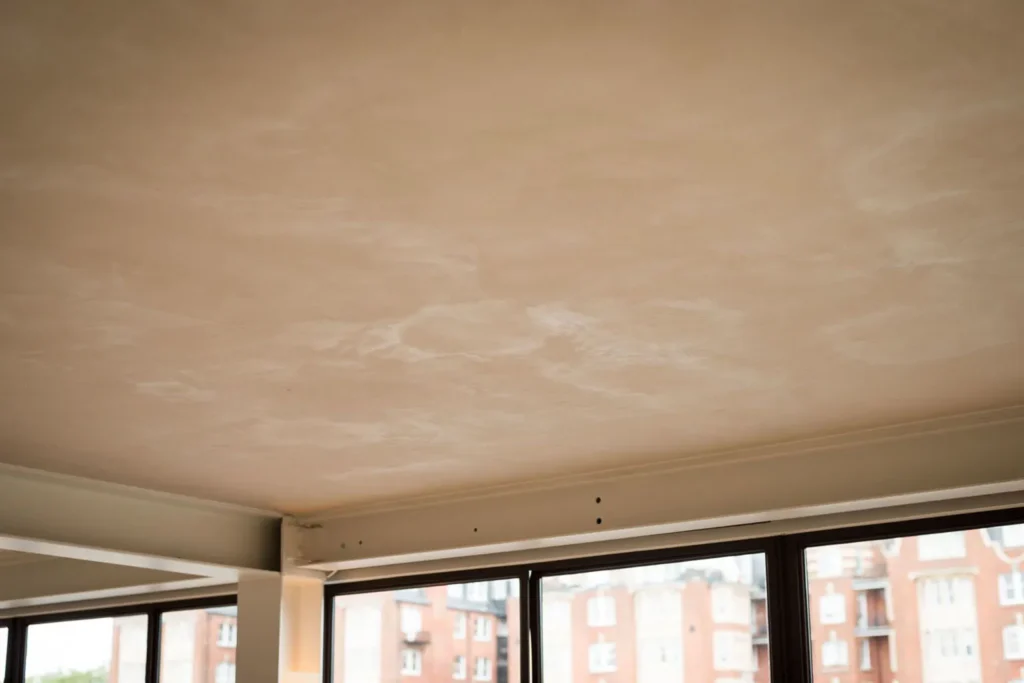
Re-skimming ceilings eliminates textured patterns that date properties and make decorating difficult. Stipple, swirl, bark, and other Artex finishes vanish beneath professional skim coats, leaving smooth surfaces ready for paint. Skilled ceiling work requires experience — working overhead, managing drying times, avoiding joins — delivering flat finishes that transform room appearances.

Patch repair skimming blends seamlessly into existing surfaces, making damage invisible without re-plastering entire walls. Holes, cracks, dents, and damaged sections get properly filled, keyed, and skim coated to match surrounding plaster exactly. Skilled plasterers feather edges, match textures, and finish patches so they disappear completely — repairs that stay hidden under any decorative finish you apply.
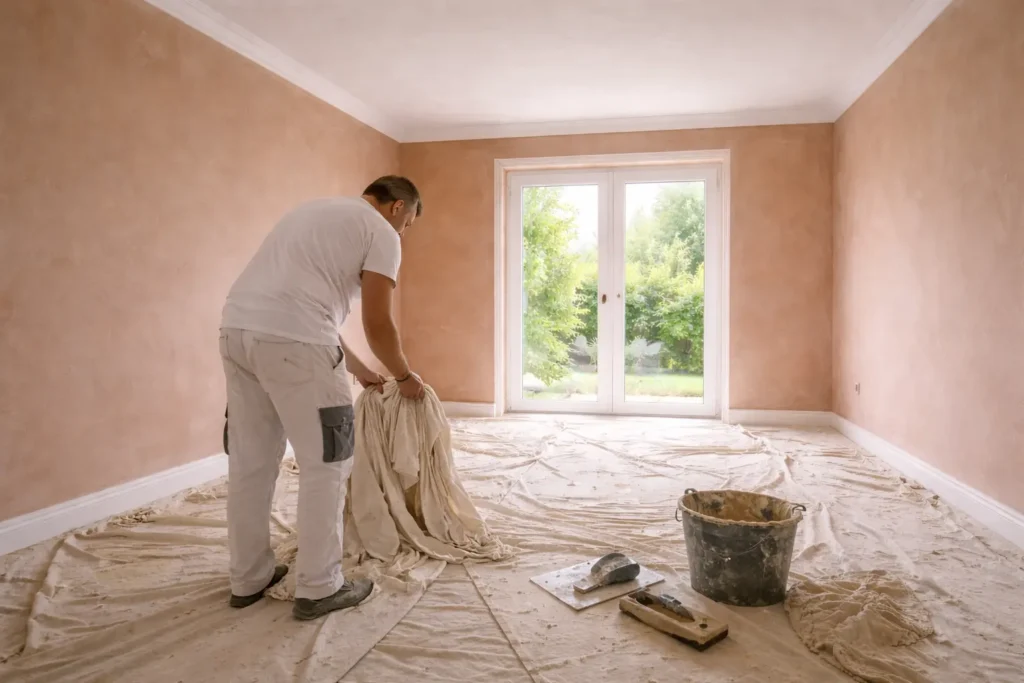
Expert new build finishing transforms plasterboard into the smooth, professional surfaces your project deserves. Extensions, garage conversions, and renovation work all require skilled taping, jointing, and skimming to create seamless walls and ceilings. Quality workmanship ensures lasting results — no visible joints, no future cracking, just flawless finishes throughout.
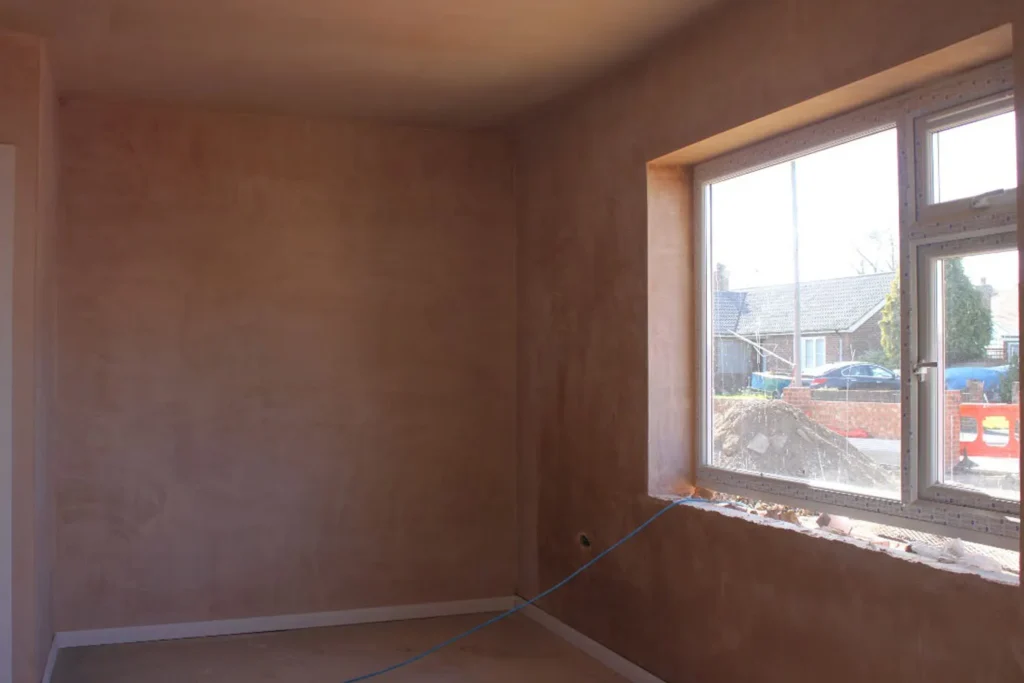
Complete room skimming unifies wall and ceiling finishes for consistent results throughout your spaces. When surfaces need full attention, professional re-plastering delivers smooth coverage everywhere — same quality walls and ceilings, seamless transitions, flawless finishing. Experienced tradesmen work systematically, transforming tired rooms into fresh, decoration-ready spaces.
Most skimming complaints come six months later when cracks appear. Here’s how we prevent that across Binley Woods properties.
Working across Binley Woods for years means knowing property histories. The streets around Binley Village flooded in ’97. The estate near Binley Road had cavity wall insulation problems. The houses toward Brandon Lane suffer from condensation. History affects wall condition.
Victorian solid walls with three previous skim coats, 1970s Artex hiding who-knows-what, plasterboard fitted yesterday — all need different approaches. Assessment across Binley Woods determines preparation, preparation determines finish quality.
Properties throughout Binley Woods are predominantly stone cottages and village houses, ceilings 2.3m to 2.6m (7.5ft – 8.5ft). Concentrated experience on this housing stock builds deep understanding — not textbook knowledge, but hands-on familiarity with how these specific walls behave.
Enquiries reach the plasterer personally — not intermediaries booking jobs they don’t understand. You discuss surface conditions with someone who’s seen thousands of walls and knows which need stripping, which need bonding, and which just need keying.
Discussion focuses on understanding your situation — what the walls look like now, what you want them to become, any previous plastering issues. Assessment gets arranged at suitable timing to check surfaces firsthand before quoting.
Assessment involves reading walls professionally — tapping, testing, checking, noting. The plasterer identifies preparation requirements and explains them plainly. Quotes reflect actual surface condition rather than optimistic estimates from phone descriptions.
Work happens methodically — proper preparation, controlled application, careful finishing while the plaster’s still workable. Dust sheets protect your belongings, and complete cleanup follows. You’ll know exact drying times, when emulsion misting should happen, and how soon proper decoration can start.
Before plastering starts, most people want the same information — preparation, timelines, decoration timing. Here’s the clear, simple detail.
Timing depends on room size, surface condition, and preparation needs. A standard bedroom with sound walls typically takes one day — preparation morning, first coat midday, second coat afternoon. Rooms needing extensive prep work or multiple problem areas take longer. Ceilings add time. You’ll get accurate duration estimates after wall assessment.
Existing surface quality determines approach. Firmly bonded plaster skims over after keying. Blown areas, delaminated coats, or excessive previous layers need stripping. Assessment identifies which preparation each wall section requires.
Skimming means applying thin finish coats over existing plaster. Full plastering involves heavier work — base coats on brick or block, render layers, building depth where needed. Typical home work involves re-skimming surfaces rather than starting from bare masonry.
Some painted surfaces skim directly, others don’t. Matt emulsion over good plaster can receive skim after keying preparation. Gloss, silk, or multiple thick coats create adhesion failures — often requiring removal or bonding coat application. Assessment identifies requirements.
Allow proper drying before decoration — typically 2-4 days for surface drying in ventilated rooms, though full curing takes weeks. Apply mist coat first using diluted matt emulsion — this seals porous new plaster for proper paint adhesion. Decorating too early causes problems.
Fill out the form or call now to speak directly to the plasterer covering your area. No call centres, no delays – just clear answers and fast action.
Your details are safe – we only use them to respond to your enquiry
Professional skimming operates throughout Binley Woods. Local knowledge of housing types, construction methods, and wall characteristics that determine preparation needs and finishing approaches.