
The finish shows the skill — and rushed work shows too. Quality skimming throughout Baffins from plasterers who understand preparation, timing, and what makes skim coats last.
The quote-comparison approach works in theory but creates headaches in practice. Three plasterers, three prices, three availability windows — and you’re still not sure who’ll do the best job. Direct access to one reliable professional solves that.
We’ve simplified the whole process.
Baffins has one dedicated plasterer handling skimming. Direct contact means no delays — you speak to the tradesman who’ll assess your walls, provide honest pricing, and deliver professional results.
Wall skimming transforms rough, damaged, or outdated surfaces into smooth, paintable finishes ready for any decoration. Whether following wallpaper removal, covering old Artex, or refreshing tired plasterwork, professional skim coats create flawless walls throughout your home. Skilled application ensures consistent coverage, clean edges around sockets and switches, and durable surfaces that won’t crack or flake — giving rooms a fresh, modern feel that makes decorating effortless.
Read through what’s covered below and see if it fits your project. If it does, we’re here to help — just call or message. If it doesn’t quite match, that’s absolutely fine.

Wall skim plastering creates the blank canvas every decorator dreams of. Lumpy, bumpy, or damaged walls get transformed into perfectly flat surfaces ready for any finish. Professional plasterers assess existing conditions, prepare surfaces correctly, and apply smooth skim coats that hide imperfections completely — delivering the quality foundation that makes decorating straightforward and results impressive.
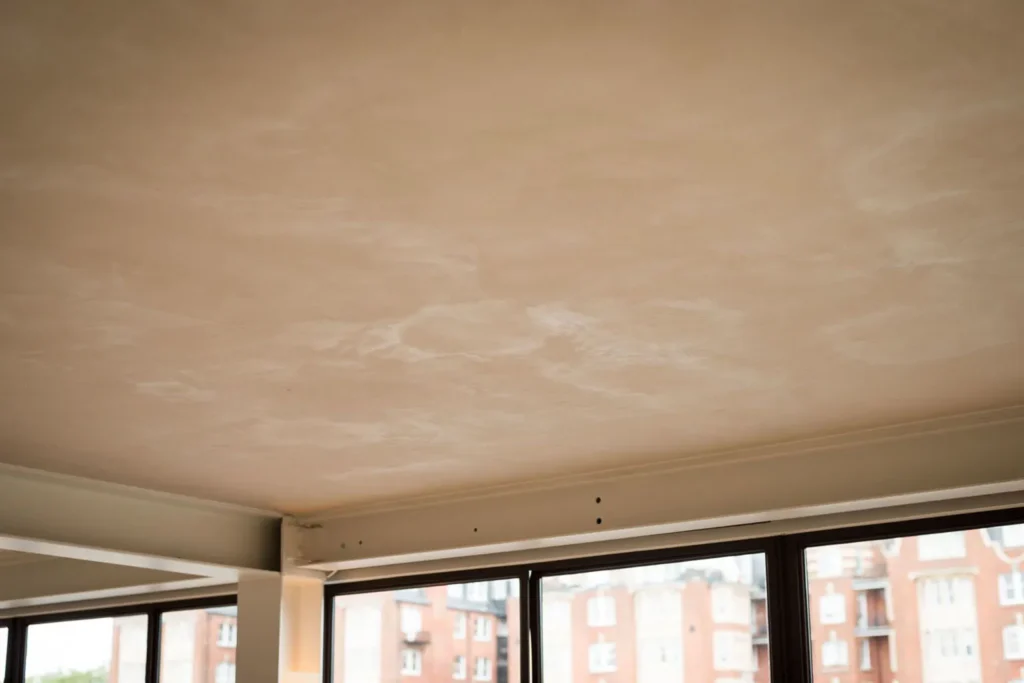
Expert ceiling skimming handles textured surfaces that paint alone can’t fix. Artex patterns, stippled finishes, and rough plaster need professional skim coating to create flat, contemporary ceilings. Skilled tradesmen prepare surfaces correctly, apply even coverage overhead, and finish to high standards — ceilings transformed and ready for decoration.

Quality patch skimming makes damage disappear without extensive replastering work. Cable routes, fixture removal, impact holes, and localised cracking all respond to targeted repairs that blend invisibly. Experienced plasterers match existing textures, feather edges carefully, and finish seamlessly — patches that stay hidden and eliminate the need for larger-scale work.
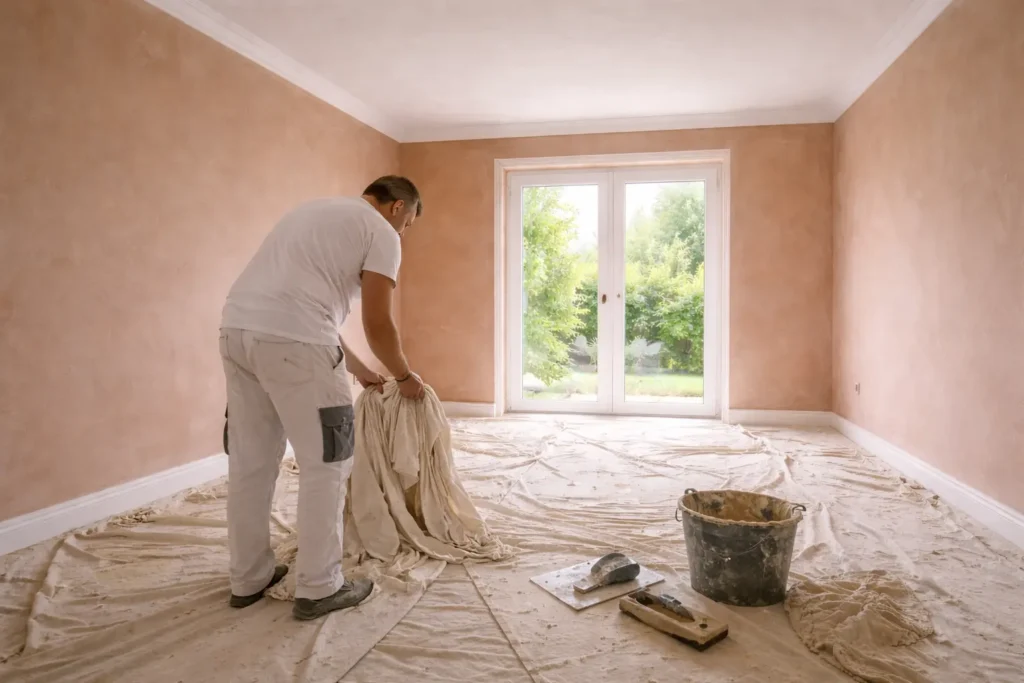
Quality plasterboard finishing completes construction projects with smooth, decoration-ready surfaces throughout. Extensions, loft rooms, and garage conversions all need professional taping and skimming to transform raw boards into finished walls. Skilled plasterers deliver seamless results — invisible joints, consistent coverage, professional finishing — spaces ready for decorating.
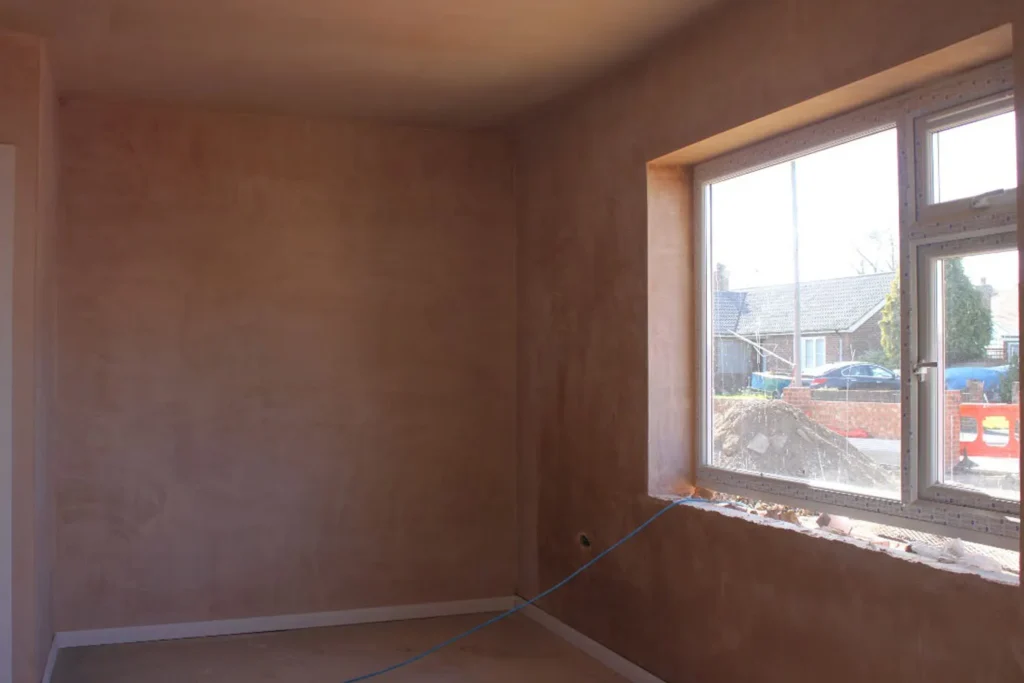
Complete room re-skimming delivers total transformation when walls and ceilings all need attention. Full coverage ensures consistent finishes throughout — no texture variations, no visible joins between old and new work. Experienced plasterers work systematically through each room, creating smooth surfaces that unify spaces and make decorating effortless.
Plaster forgives nothing — every shortcut shows eventually. Here’s the honest detail on how we work throughout Baffins.
Plastering from Baffins Pond through Alexandra Park to Stamshaw Park builds understanding of what Baffins walls actually contain. Old lime that’s gone powdery, hard gypsum that’s cracked with movement, board that’s absorbed moisture — recognising conditions fast comes from local repetition.
Re-skimming old walls, smoothing over textured ceilings, finishing new extension boards, blending repairs into existing surfaces — different starting points need different approaches. We assess properly before mixing any plaster, ensuring preparation matches what Baffins walls actually need.
The housing stock here — mostly victorian terraces and edwardian houses, 2.6m to 2.9m (8.5ft – 9.5ft) ceilings — has specific characteristics worth knowing. Typical construction methods, common material choices, predictable weak points. Local focus builds practical understanding.
Your call goes straight to the local tradesman covering Baffins — someone who can discuss existing wall types, explain preparation options, and give honest expectations about what’s needed for smooth, lasting finishes.
Discussion establishes your starting point — existing surfaces, room requirements, preparation concerns. Site visit gets scheduled for mutual convenience, giving proper time to assess wall condition and provide accurate costs.
Wall inspection covers everything relevant — structural soundness, surface adhesion, previous repair quality, moisture levels. The plasterer explains preparation needs in plain terms. Pricing reflects what your walls actually require, not generic per-metre rates.
Jobs get completed methodically — preparation stages, plaster application, finishing work. Dust sheets protect surroundings throughout. Thorough cleanup happens after. You receive specific advice about drying periods, emulsion misting, and when surfaces are ready for decorating.
Before committing to plastering, sensible questions need answering — preparation scope, realistic timing, decoration readiness. Here’s the clear breakdown.
A typical room takes around a day on cooperative surfaces. Wall condition affects timing more than room size — extensive preparation needs stretch schedules significantly. Ceilings add time. Assessment provides realistic duration based on your specific surface condition.
Some do, some don’t — existing condition decides. Sound plaster gets keyed and skimmed over. Hollow-sounding blown areas need removing. Multiple heavy coats might require stripping back. Assessment reveals what preparation your surfaces genuinely require.
Skimming applies thin finish coats over prepared surfaces — creating smooth walls from existing plaster. Plastering includes thicker applications like base coats on bare walls, rendering, or depth building. Typical home re-finishing means skimming over what’s there, not starting from scratch.
Paint type affects adhesion significantly. Light matt emulsion can receive skim after surface keying. Gloss finishes, silk coatings, or thick paint layers prevent proper bonding — typically requiring removal or specialist preparation. Assessment determines the right approach for your surfaces.
New plaster needs drying time before paint. Surface usually appears dry within 2-4 days, but complete curing takes 2-3 weeks depending on thickness and ventilation. Mist coat with watered-down emulsion before proper painting — rushing risks adhesion failures.
Fill out the form or call now to speak directly to the plasterer covering your area. No call centres, no delays – just clear answers and fast action.
Your details are safe – we only use them to respond to your enquiry
We cover skimming work across the complete Baffins region. Tradesmen familiar with local properties — building eras, typical conditions, surface behaviours — delivering finishes that suit these walls.