
Smooth finishes that last start with understanding the surface beneath. Proper skimming throughout Bretton — walls assessed, prepared correctly, coated evenly, finished while timing allows.
When you need walls finished properly, the platform approach creates doubt rather than confidence. Competing quotes, mixed reviews, availability clashes — it’s harder than it should be. One trusted local plasterer simplifies the whole process.
There’s a clearer route to great finishes.
One reliable plasterer handles skimming across Bretton. Your call or form goes straight to the person who’ll actually do the work at your home — no intermediaries, no quote comparisons, just direct professional contact.
Skimming requirements vary between properties. Victorian solid walls behave differently than modern plasterboard, and each surface type needs appropriate preparation and application — recognising these differences ensures professional finishes throughout.
Take a look at what we do below. If you think we’re a good match for your walls, get in touch. If not, no hard feelings — thanks for stopping by.

Wall skimming transforms rough, damaged, or outdated surfaces into smooth, paintable finishes ready for any decoration. Whether following wallpaper removal, covering old Artex, or refreshing tired plasterwork, professional skim coats create flawless walls throughout your home. Skilled application ensures consistent coverage, clean edges around sockets and switches, and durable surfaces that won’t crack or flake — giving rooms a fresh, modern feel that makes decorating effortless.
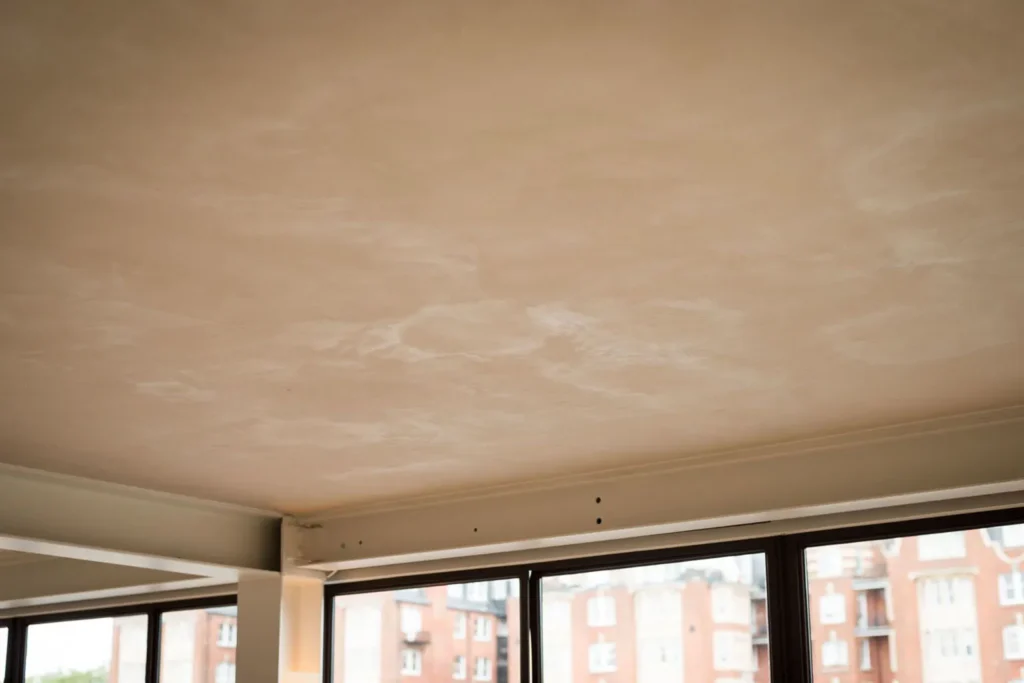
Re-skimming ceilings eliminates textured patterns that date properties and make decorating difficult. Stipple, swirl, bark, and other Artex finishes vanish beneath professional skim coats, leaving smooth surfaces ready for paint. Skilled ceiling work requires experience — working overhead, managing drying times, avoiding joins — delivering flat finishes that transform room appearances.

Seamless plaster patching fixes visible damage through skilled preparation and blending technique. Holes, dents, cracks, and damaged sections get properly filled and skim coated to match surrounding walls. Professional feathering ensures invisible edges — repairs that paint over perfectly without showing through any decorative finish.
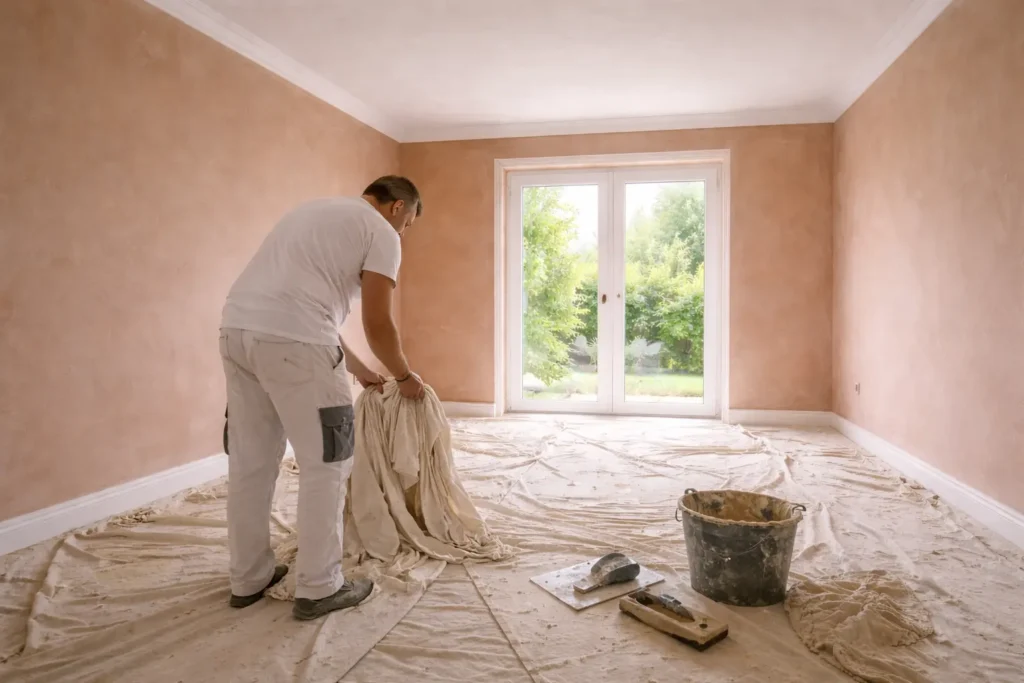
New extension finishing requires quality plastering that transforms raw plasterboard into smooth living spaces. Professional taping, jointing, and skim coating create seamless walls and ceilings throughout your project. Experienced tradesmen work systematically — proper joint preparation, consistent application, clean finishing — delivering results that complete your build to high standards.
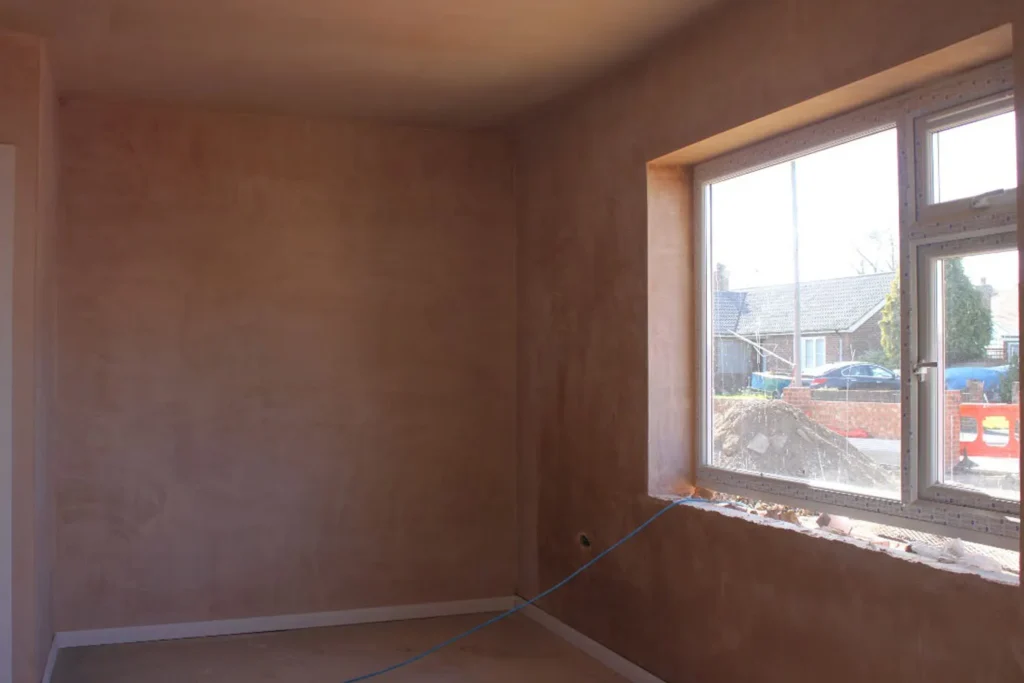
Complete room skimming unifies wall and ceiling finishes for consistent results throughout your spaces. When surfaces need full attention, professional re-plastering delivers smooth coverage everywhere — same quality walls and ceilings, seamless transitions, flawless finishing. Experienced tradesmen work systematically, transforming tired rooms into fresh, decoration-ready spaces.
The trowel marks that disappear wet can reappear under paint. Here’s why our finishing technique creates surfaces that stay flat across Bretton.
Years covering Bretton from Bretton Centre through Bretton Park to Country Park builds genuine understanding. You learn which developers cut corners, which streets have damp problems, which estates used experimental materials. That insight prevents problems before they start.
Old lime plaster, modern gypsum, fresh plasterboard, patched areas mixing all three — each responds differently to skim coats. Experience across Bretton properties means recognising what we’re working on and adjusting technique accordingly.
The housing stock here — mostly modern estates and contemporary houses, 2.4m to 2.7m (7.9ft – 8.9ft) ceilings — has specific characteristics worth knowing. Typical construction methods, common material choices, predictable weak points. Local focus builds practical understanding.
When you call, the plasterer picks up — same person who’ll read your walls and make preparation decisions on site. That means proper discussion about surface condition, realistic expectations, and what’s actually involved in getting smooth results.
Discussion establishes your starting point — existing surfaces, room requirements, preparation concerns. Site visit gets scheduled for mutual convenience, giving proper time to assess wall condition and provide accurate costs.
Assessment includes thorough surface checking — hollow spots, suction differences, failed previous coats, damp indicators. You’ll know what preparation’s required before work begins. Clear quotes follow, based on actual wall condition rather than estimates from descriptions.
Work gets completed to standard — proper preparation stages, quality application, careful finishing technique. Dust sheets go down, cleanup follows completion. You’ll know about drying requirements, mist coat application, and when surfaces are ready for full decoration.
Practical questions deserve practical answers — preparation requirements, job duration, drying times. Here’s what you need to know about skimming work.
Room timing reflects preparation requirements more than square metreage. A bedroom with sound walls skims in a day. Add extensive prep, ceiling work, or surface problems, and timing extends. Assessment identifies what your walls actually need, allowing accurate scheduling.
Not necessarily — existing condition dictates preparation. Sound plaster gets keyed and coated over. Blown sections need removing before re-coating. Heavy buildup from previous plastering might need stripping. Assessment identifies genuine requirements rather than assuming worst-case.
Skimming means applying thin finish coats — usually 2-3mm — over existing prepared surfaces. Plastering includes heavier work like base coats on brick, render application, or building thickness. Home re-skimming typically involves thin finish coats over existing plaster, not full plastering systems.
Depends on what paint and how much. Thin matt emulsion takes skim after keying preparation. Thick layers, gloss finishes, or silk coatings cause adhesion problems — usually requiring removal or bonding agent application. Assessment identifies the right approach for your surfaces.
Drying varies with conditions. Surface typically ready for mist coating within 2-4 days, full curing extends longer. New plaster needs diluted emulsion first — sealing porous surfaces before proper paint application. Insufficient drying causes failures.
Fill out the form or call now to speak directly to the plasterer covering your area. No call centres, no delays – just clear answers and fast action.
Your details are safe – we only use them to respond to your enquiry
We operate throughout Bretton for professional skimming. Plasterers with genuine knowledge of local homes — construction eras, wall types, surface behaviours — delivering finishes suited to these properties.