
The foundation for good decoration is properly skimmed walls. Professional plastering throughout Old Catton that creates flat surfaces, even coverage, and finishes built to last.
Getting walls skimmed shouldn’t involve a research project. Posting online, comparing reviews, fielding calls from multiple tradesmen — it’s exhausting before anyone’s even picked up a trowel. Direct access to a proven plasterer simplifies everything.
We’ve stripped out the unnecessary steps.
One experienced plasterer covers Old Catton, and you speak to them directly. No competing quotes, no call centres — just a clean route to the person who’ll skim your walls and deliver smooth, lasting finishes.
Smooth wall finishes start with professional skimming applied by experienced local plasterers. Rough render, damaged plaster, and textured surfaces all benefit from fresh skim coats that create flat, even walls throughout your rooms. Skilled application around obstacles, clean lines at edges, and consistent coverage ensure results that look right and last — walls ready for paint, paper, or any decorative treatment.
Have a look through what we do below. If it matches your walls, contact us and we’ll get it sorted. If it’s not quite right, no problem — thanks for checking.

Quality wall skimming eliminates surface problems that make decorating difficult. Cracks, bumps, patches, and uneven textures disappear beneath professionally applied skim coats, leaving smooth walls that take any finish beautifully. Experienced plasterers work methodically — proper prep, consistent application, clean finishing — delivering surfaces that transform how your rooms look and feel.
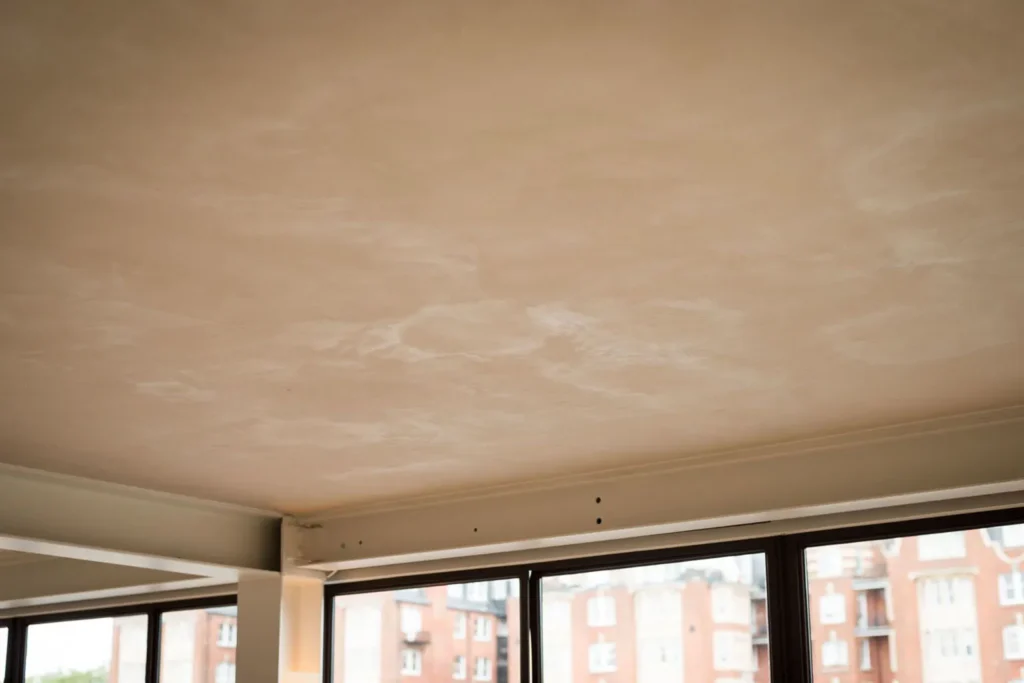
Professional ceiling finishes start with expert skimming that transforms rough or textured surfaces. Outdated Artex, damaged plaster, and uneven areas disappear beneath smooth skim coats applied by skilled tradesmen. Working overhead requires specific technique and experience — delivering flat ceilings that reflect light evenly and make rooms feel fresh.

Professional plaster patching restores damaged sections to original condition without disrupting entire walls. Holes, cracks, and impact damage get filled, prepared, and skim coated to match surrounding surfaces exactly. Skilled blending and feathering ensure repairs become invisible — cost-effective fixes that deliver seamless results ready for any decorative finish.
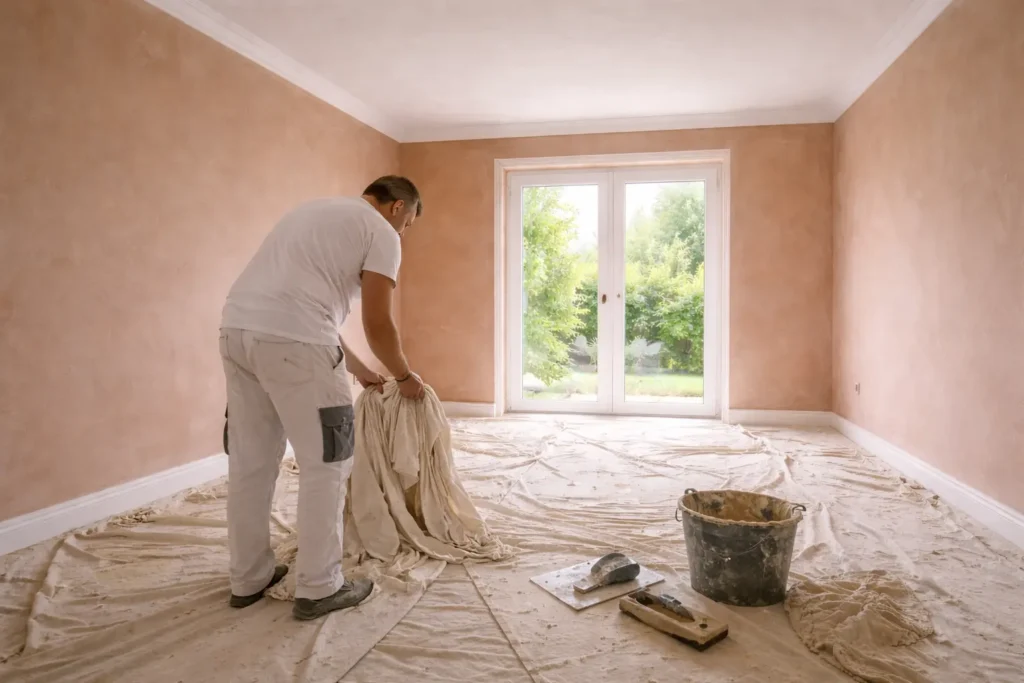
Plasterboard skim finishing creates seamless walls from newly installed boards in extensions and conversions. Professional taping hides joints completely, while quality skim coats deliver smooth surfaces ready for any decorative treatment. Experienced plasterers work methodically — proper preparation, consistent application, clean finishing — transforming raw construction into finished living spaces.
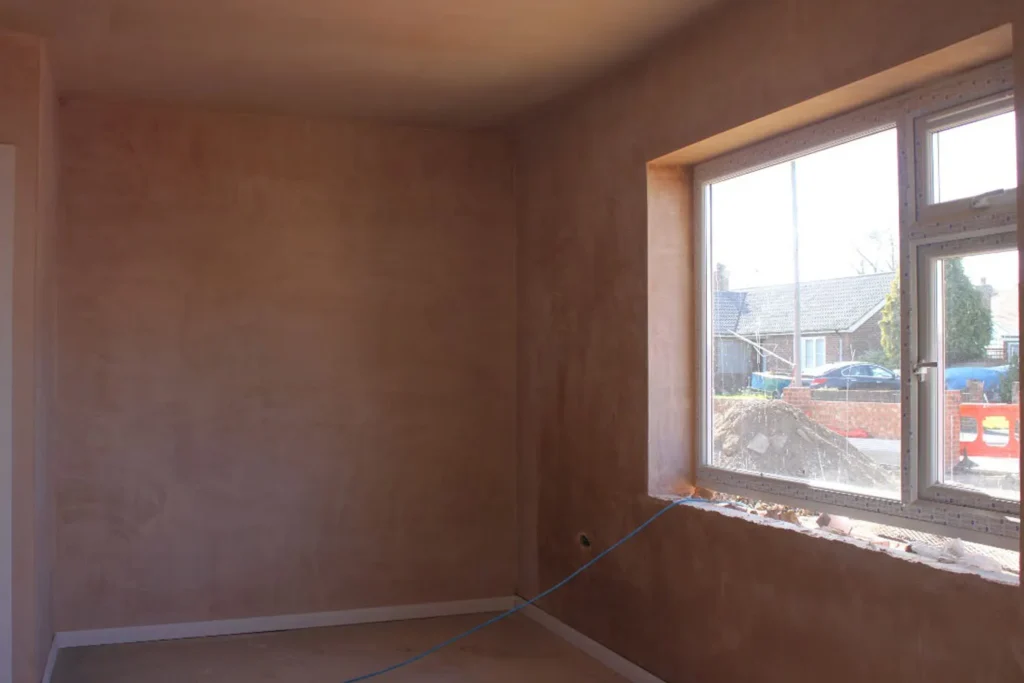
Complete re-plastering transforms whole rooms with consistent smooth surfaces from every angle. Full wall and ceiling skimming ensures unified finishes throughout — same quality everywhere, seamless results, professional standards. Skilled tradesmen work efficiently, delivering even coverage that refreshes entire spaces and simplifies decorating.
Good preparation makes good finishes possible. Here’s how we approach every skimming job throughout Old Catton — from first assessment to final polish.
Properties near St Marys Church tend toward solid nine-inch walls with lime plaster. Toward Hellesdon Mill you hit more cavity construction with gypsum. Out near Drayton Road the estates are mostly board. Knowing Old Catton’s building history makes preparation instinctive.
Extension walls joining original walls, old ceilings meeting new plasterboard, repairs that must disappear into existing finishes — transitions need careful handling. Seamless results across Old Catton come from managing where different surfaces meet.
Most Old Catton properties are victorian cottages or 1960s estates with 2.4m to 2.6m (7.9ft – 8.5ft) ceilings. Working exclusively on this housing type builds specific knowledge — where walls tend to blow, how surfaces typically behave, what preparation delivers lasting results.
When you get in touch, the tradesman answers — same person who’ll assess your surfaces and apply the skim coats. Conversations about wall condition, preparation needs, and finishing standards happen with someone qualified to give proper answers.
They’ll ask about your walls — what’s on them, what state they’re in, how many rooms need work. This shapes the assessment visit, which gets arranged for a mutually convenient time to inspect surfaces thoroughly before providing detailed costs.
Site visits involve systematic surface reading — checking soundness, testing absorption, identifying weak spots, noting previous repairs. Preparation needs get explained clearly. Pricing matches actual wall condition, not generic estimates.
Skimming proceeds professionally — proper surface prep, fresh mixing, controlled application, timely finishing. Work areas get full protection, and complete tidying follows. Clear guidance addresses drying stages, mist coating requirements, and realistic decoration timing.
Skimming jobs raise predictable questions — wall preparation, completion timelines, drying requirements. Here’s the honest information you need.
A day covers most bedroom skimming when surfaces behave. Walls requiring bonding, extensive repairs, or previous coat removal add significant time. Ceilings alongside walls extend schedules. You’ll receive realistic duration estimates after wall assessment.
Surface condition determines preparation requirements. Solid existing plaster that’s well-bonded can receive skim directly after keying. Blown areas, loose coats, or excessive thickness need stripping. Assessment identifies which walls need what — avoiding unnecessary work while ensuring proper preparation.
Skim coats are thin finish applications — typically 2-3mm — creating smooth walls over existing surfaces. Plastering includes heavier work like base coats, render, or building thickness on bare masonry. Most domestic re-finishing involves skimming rather than complete replastering.
Depends on the paint situation. Thin matt emulsion takes skim after keying preparation. Thick coatings, gloss finishes, or silk paint prevent proper adhesion — usually needing removal or bonding agent application. Assessment identifies requirements for your specific surfaces.
Allow 2-4 days minimum for surface drying in well-ventilated rooms, longer for complete curing. New plaster needs mist coat first — diluted matt emulsion seals the porous surface for proper paint adhesion. Rushing decoration risks peeling and blistering.
Fill out the form or call now to speak directly to the plasterer covering your area. No call centres, no delays – just clear answers and fast action.
Your details are safe – we only use them to respond to your enquiry
Skimming work covers the complete Old Catton region. Local understanding of property construction, typical plaster conditions, and preparation methods that suit these specific housing types.