
Rough walls transformed into smooth, paintable surfaces. Proper skimming throughout Pakefield — surfaces assessed correctly, prepared thoroughly, finished to standards that show under any light.
Skimming is skilled work that deserves a skilled tradesman, not the cheapest bidder from a platform race to the bottom. When quality matters more than saving twenty quid, direct contact with a proven plasterer makes sense.
Our system prioritises quality over quantity.
Pakefield has one dedicated plasterer handling skimming. Direct contact means no delays — you speak to the tradesman who’ll assess your walls, provide honest pricing, and deliver professional results.
Skimming addresses different wall and ceiling conditions. New plasterboard finishing differs from renovation re-coating, and each surface type requires appropriate preparation — proper evaluation ensures smooth, lasting results ready for any decorative finish.
Read through what’s covered below and see if it fits your project. If it does, we’re here to help — just call or message. If it doesn’t quite match, that’s absolutely fine.

Wall skimming transforms rough, damaged, or outdated surfaces into smooth, paintable finishes ready for any decoration. Whether following wallpaper removal, covering old Artex, or refreshing tired plasterwork, professional skim coats create flawless walls throughout your home. Skilled application ensures consistent coverage, clean edges around sockets and switches, and durable surfaces that won’t crack or flake — giving rooms a fresh, modern feel that makes decorating effortless.
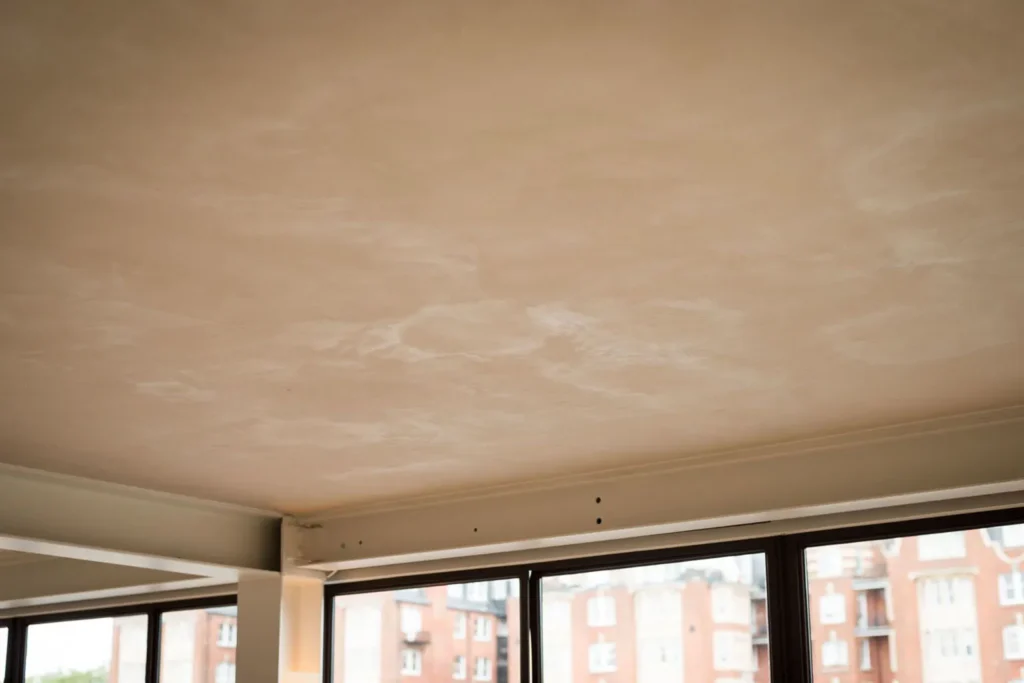
Ceiling skim plastering transforms overhead surfaces from dated eyesores into clean, modern finishes. Whether covering old Artex, repairing water damage, or refreshing tired plasterwork, professional skimming delivers flat ceilings throughout your home. Experienced tradesmen handle the demands of overhead work — proper preparation, consistent application, smooth finishing — for results that last.

Blending plaster repairs requires professional technique that makes patches invisible on finished walls. Damage from various causes — impacts, removed fittings, cables, cracks — gets properly prepared and skim coated to match existing surfaces. Careful feathering and texture matching ensure seamless results ready for any decorative treatment.
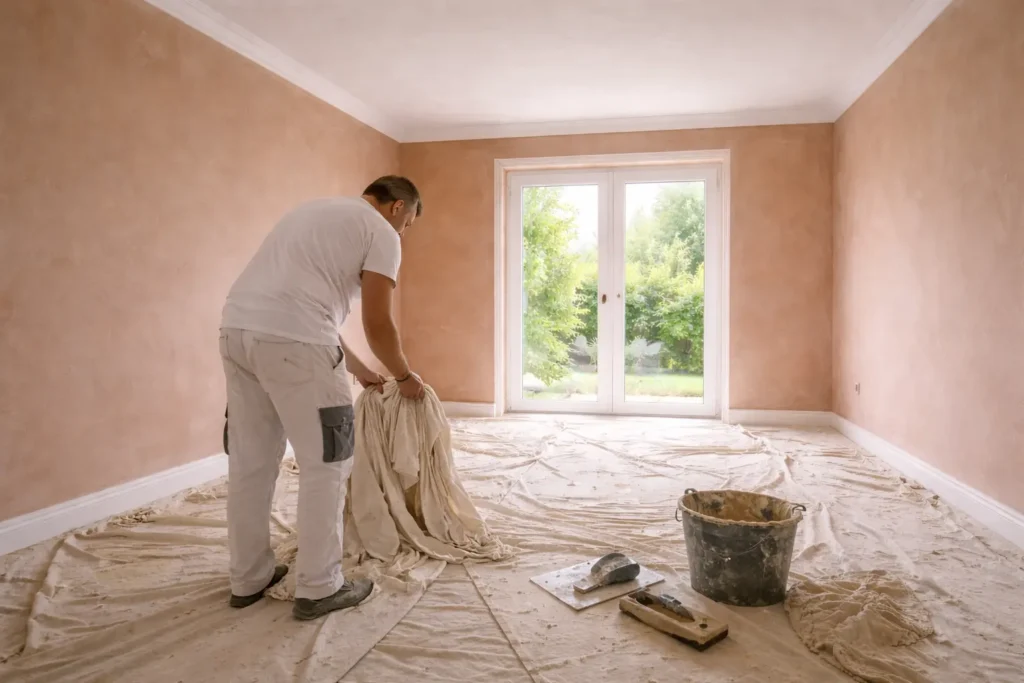
New build plastering finishes fresh plasterboard to smooth, decoration-ready surfaces throughout your property. Extensions, conversions, and new construction all require professional taping, jointing, and skim coating to create seamless walls and ceilings. Experienced plasterers prepare boards correctly, tape joints invisibly, and apply quality skim coats — delivering flawless finishes that make new spaces feel complete.
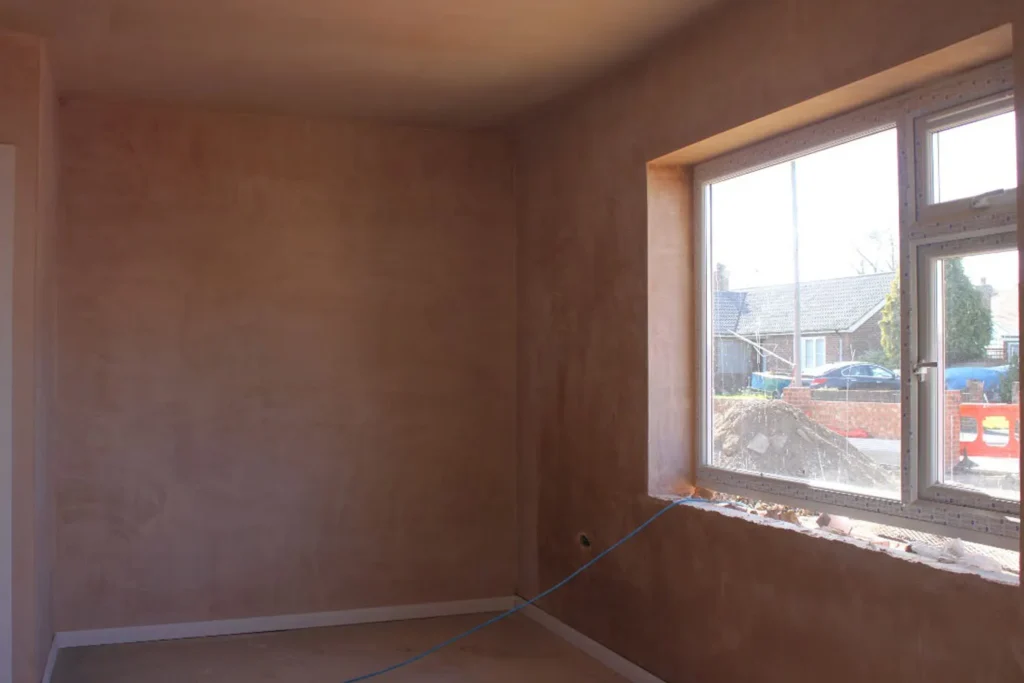
Full room skimming transforms entire spaces with consistent smooth finishes across all walls and ceilings. Complete re-plastering creates uniform surfaces throughout — no mismatched textures, no patchy areas, just seamless results from floor to ceiling. Professional plasterers work room by room, ensuring consistent coverage and quality finishing that makes decorating straightforward and results impressive.
Smooth walls aren’t luck — they’re preparation meeting technique meeting timing. Here’s what goes into our skimming across Pakefield.
Years covering Pakefield from Ness Point through East Point Pavilion to Sparrows Nest builds genuine understanding. You learn which developers cut corners, which streets have damp problems, which estates used experimental materials. That insight prevents problems before they start.
Kitchen walls after tile removal, bedroom ceilings hiding Artex, hallways with a century of wallpaper paste — every surface has history that affects how plaster behaves. We read that history properly across Pakefield before picking up a trowel.
Most Pakefield homes are victorian terraces or 1960s estates with 2.4m to 2.6m (7.9ft – 8.5ft) ceilings. Working continuously on these property types develops pattern recognition — spotting preparation requirements quickly based on accumulated experience.
When you call, the plasterer picks up — same person who’ll read your walls and make preparation decisions on site. That means proper discussion about surface condition, realistic expectations, and what’s actually involved in getting smooth results.
They’ll ask practical questions — what’s on the walls now, how many rooms, any known problems. Assessment timing gets arranged based on availability, ensuring proper site evaluation before providing detailed quotations.
Wall inspection covers practical concerns — is the existing plaster sound, does suction vary, are there damp issues, what’s been done before. You’ll understand preparation requirements clearly. Pricing reflects real surface condition.
Plastering gets completed properly — correct preparation, consistent application, careful finishing. Protection covers work areas throughout, and thorough tidying follows. Clear guidance covers drying stages, when emulsion misting should happen, and realistic decoration timelines.
Before booking skimming work, most people want to know the same things — preparation, timing, costs, drying. Here’s the honest detail on what to expect.
A day covers most bedroom skimming when surfaces behave. Walls requiring bonding, extensive repairs, or previous coat removal add significant time. Ceilings alongside walls extend schedules. You’ll receive realistic duration estimates after wall assessment.
Not necessarily — existing condition dictates preparation. Sound plaster gets keyed and coated over. Blown sections need removing before re-coating. Heavy buildup from previous plastering might need stripping. Assessment identifies genuine requirements rather than assuming worst-case.
Skim coats are thin finish applications — usually 2-3mm — over existing prepared surfaces. Plastering covers broader scope including base coats on bare walls, render application, depth building. Most domestic jobs involve skimming rather than complete replastering from scratch.
Depends on the paint situation. Thin matt emulsion takes skim after keying preparation. Thick coatings, gloss finishes, or silk paint prevent proper adhesion — usually needing removal or bonding agent application. Assessment identifies requirements for your specific surfaces.
Allow 2-4 days minimum for surface drying in well-ventilated rooms, longer for complete curing. New plaster needs mist coat first — diluted matt emulsion seals the porous surface for proper paint adhesion. Rushing decoration risks peeling and blistering.
Fill out the form or call now to speak directly to the plasterer covering your area. No call centres, no delays – just clear answers and fast action.
Your details are safe – we only use them to respond to your enquiry
Skimming services cover all areas across Pakefield. Local expertise in housing stock characteristics, typical wall conditions, and preparation approaches that create smooth results on these specific surfaces.