
The difference is in the detail — preparation, timing, finishing technique. Professional skim coats across Stone that create genuinely flat walls, not just acceptable ones.
The multi-quote model treats skimming like a commodity when it’s actually craftsmanship. Price comparison ignores skill differences that show up in the finish. Direct contact with a quality-focused plasterer gets better walls, not just cheaper quotes.
We do things differently.
Stone has one dedicated skimming specialist. When your walls need refinishing, you contact them directly — and that’s who turns up to deliver smooth, paintable surfaces. Simple, reliable, quality-focused.
Skimming work varies significantly depending on existing conditions. Sound plaster just needs re-coating, compromised areas need stripping back, and new boards need proper preparation — identifying the starting point ensures professional finishes.
Have a look below at what’s included in our skimming service. If it covers your situation, get in touch and we’ll respond fast. If not, that’s absolutely fine — thanks for your time.

Professional wall re-skimming solves surface problems that paint alone can’t fix. Rough textures, visible repairs, and uneven plaster need proper skim coating to create smooth, consistent walls. Skilled tradesmen assess conditions, prepare surfaces correctly, and apply quality finishes that hide imperfections completely — delivering walls ready for any decorative treatment you’re planning.
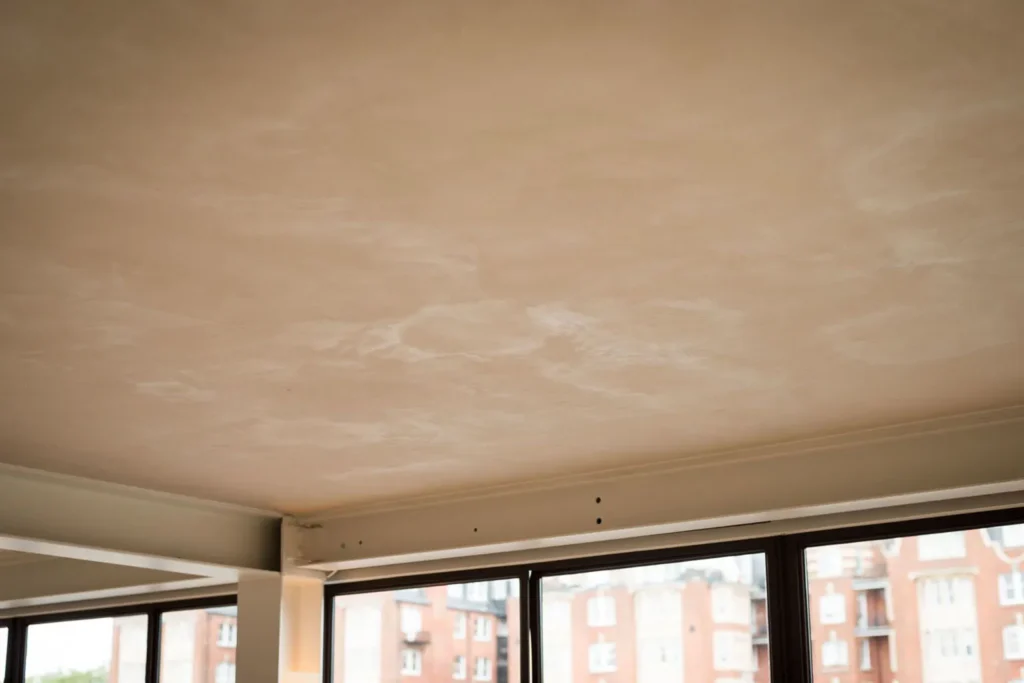
Quality ceiling re-skimming eliminates dated textures and creates fresh, smooth finishes throughout your property. Swirl patterns, stipple coatings, and damaged plaster respond to professional skimming that delivers flat overhead surfaces. Experienced plasterers handle ceiling work efficiently — proper technique, consistent results, lasting quality — rooms transformed by smooth, modern ceilings.

Professional patch plastering fixes localised damage without the disruption of full re-skimming. Impact holes, cable chases, removed fixtures, and cracked sections respond to targeted repair work that blends invisibly with existing surfaces. Experienced plasterers match textures, feather edges, and finish seamlessly — patches that paint over perfectly and stay hidden permanently.
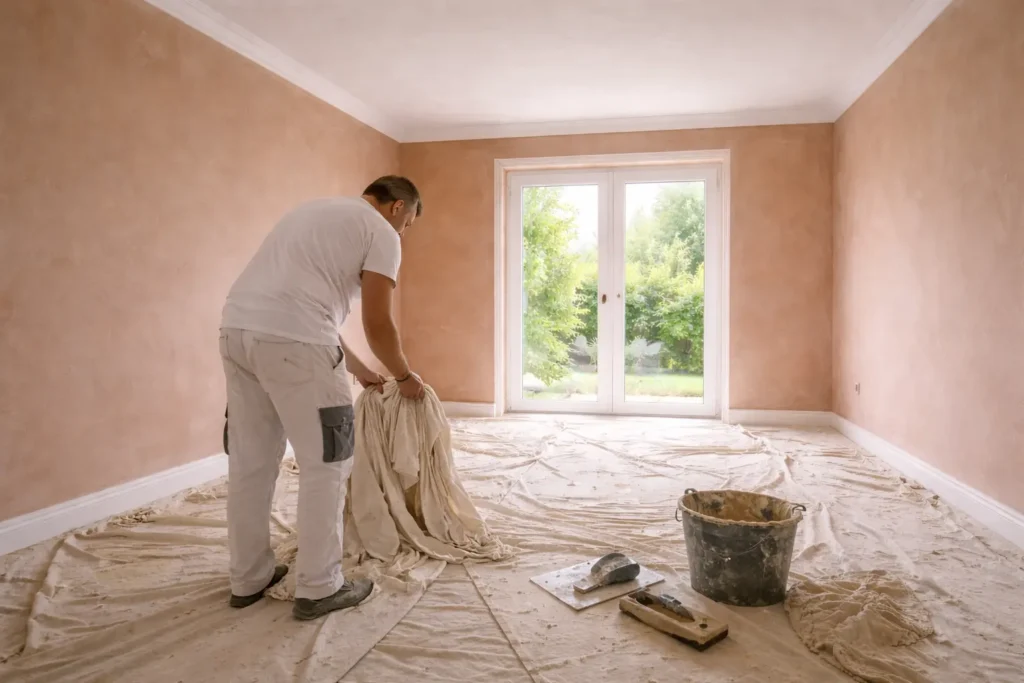
New build skim plastering creates flawless walls from freshly installed plasterboard. Extensions, conversions, and renovation projects require expert joint treatment and smooth skim coats to deliver decoration-ready surfaces. Experienced plasterers work methodically — proper preparation, quality application, clean finishing — transforming construction into comfortable living spaces.
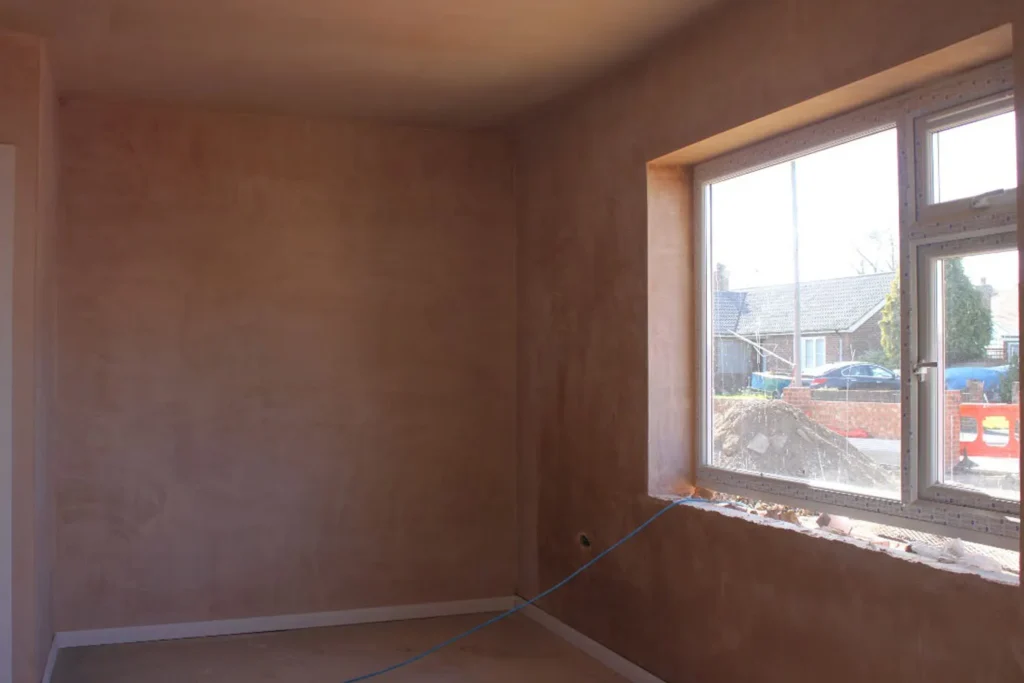
Full re-skim plastering transforms tired rooms into fresh, modern spaces with consistent finishes throughout. Walls and ceilings receive complete coverage — no patching, no texture mismatches, just smooth surfaces everywhere. Skilled plasterers work room by room, delivering unified results that make decorating straightforward and rooms feel completely renewed.
Smooth walls aren’t luck — they’re preparation meeting technique meeting timing. Here’s what goes into our skimming across Stone.
Years covering Stone from Greenhithe Primary School through St Andrews Church to Greenhithe Park builds genuine understanding. You learn which developers cut corners, which streets have damp problems, which estates used experimental materials. That insight prevents problems before they start.
Some walls need PVA, some need bonding, some just need a wipe down. Ceilings that look sound can be ready to delaminate. We check everything first across Stone — proper assessment prevents the callbacks that rushed preparation causes.
Stone housing runs mostly 1930s semi-detached family houses and post-war terraces and low-rise flats, ceilings around 2.4m to 2.6m (7.9ft – 8.5ft). Those property types share characteristics — similar wall construction, common problem areas, predictable preparation needs. Experience on this specific stock makes assessment faster and more accurate.
When you call, the plasterer picks up — same person who’ll read your walls and make preparation decisions on site. That means proper discussion about surface condition, realistic expectations, and what’s actually involved in getting smooth results.
First conversation focuses on understanding your walls — what’s on them now, what finish you’re after, how many rooms need attention. Based on that, assessment gets arranged at a time that suits. No pressure, no commitment until you’ve had surfaces checked properly and received clear pricing.
Wall inspection covers practical concerns — is the existing plaster sound, does suction vary, are there damp issues, what’s been done before. You’ll understand preparation requirements clearly. Pricing reflects real surface condition.
Work follows proper sequence — preparation, first coat, second coat, finishing. Dust sheets protect flooring and furniture throughout. Comprehensive cleanup follows completion. You’ll understand drying stages, mist coat requirements, and realistic timelines for decorating.
The usual skimming queries — how walls get prepared, how long it takes, when paint goes on. Straightforward answers, no jargon.
Completion time depends heavily on wall condition. Average bedroom on sound plaster takes roughly a day. Poor surfaces needing preparation work take longer — sometimes considerably. Ceiling work adds time. Assessment reveals what your walls actually require.
It depends on current wall condition. Well-bonded existing plaster takes skim coats directly after proper keying. Delaminated areas need stripping. Multiple thick coats may require removal. Assessment determines what preparation your specific walls actually need.
Skimming means applying thin finish coats over existing plaster. Full plastering involves heavier work — base coats on brick or block, render layers, building depth where needed. Typical home work involves re-skimming surfaces rather than starting from bare masonry.
Paint type and thickness matter. Light matt emulsion on sound plaster skims after proper keying. Heavy paint buildup, gloss finishes, or silk coatings prevent adequate bonding — typically requiring stripping or specialist treatment. Assessment determines your wall requirements.
Drying varies with conditions. Surface typically ready for mist coating within 2-4 days, full curing extends longer. New plaster needs diluted emulsion first — sealing porous surfaces before proper paint application. Insufficient drying causes failures.
Fill out the form or call now to speak directly to the plasterer covering your area. No call centres, no delays – just clear answers and fast action.
Your details are safe – we only use them to respond to your enquiry
Services extend throughout Stone for quality plastering. Local understanding of housing stock, original construction types, and preparation methods that achieve smooth, lasting finishes.