
Smooth walls aren’t luck — they’re preparation meeting technique. Professional skimming across Stanmore that delivers flat, lasting surfaces ready for paint or paper.
Posting skimming jobs online generates responses but not necessarily the right ones. Some quote low to win work then find extras, others quote high hoping you won’t check. Working directly with an established tradesman avoids the games.
We’ve taken a simpler route.
We assign one experienced skimming specialist to Stanmore. Contact goes directly to them when your walls need attention — no call centres filtering requests, just professional response from the tradesman who’ll do the work.
Re-skimming walls removes years of imperfections and creates fresh, smooth surfaces throughout your property. Old wallpaper damage, filled holes, patchy repairs, and uneven textures vanish beneath professional skim coats applied by skilled tradesmen. Proper preparation, quality materials, and careful technique ensure lasting results — walls that stay smooth, take paint evenly, and look professionally finished for years.
Take a look at what we do below. If you think we’re a good match for your walls, get in touch. If not, no hard feelings — thanks for stopping by.

Wall skim plastering creates the blank canvas every decorator dreams of. Lumpy, bumpy, or damaged walls get transformed into perfectly flat surfaces ready for any finish. Professional plasterers assess existing conditions, prepare surfaces correctly, and apply smooth skim coats that hide imperfections completely — delivering the quality foundation that makes decorating straightforward and results impressive.
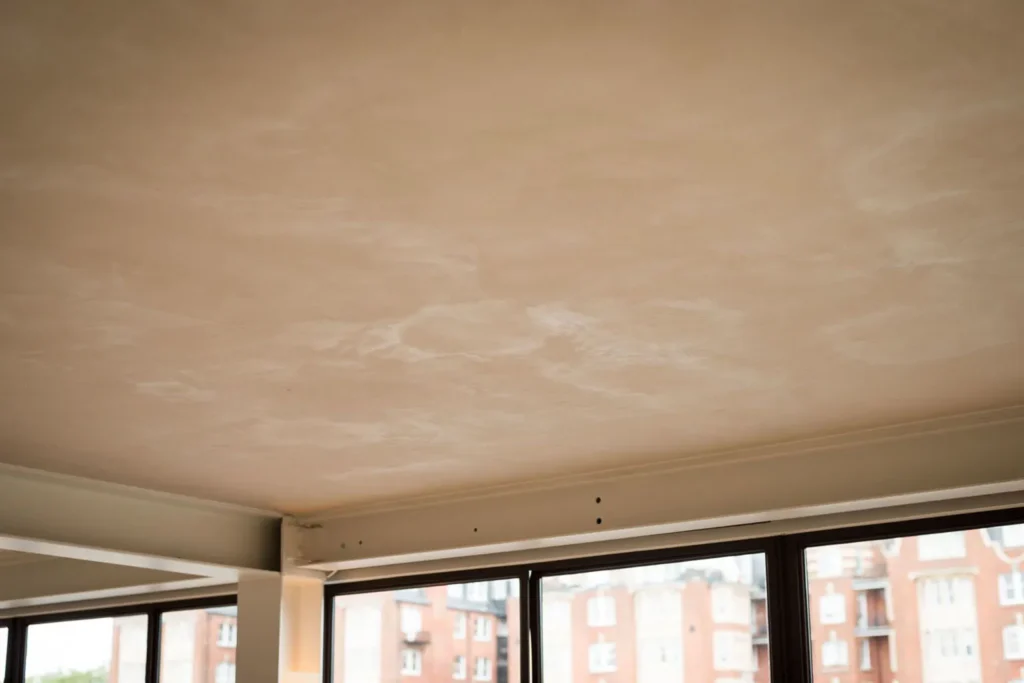
Quality ceiling re-skimming eliminates dated textures and creates fresh, smooth finishes throughout your property. Swirl patterns, stipple coatings, and damaged plaster respond to professional skimming that delivers flat overhead surfaces. Experienced plasterers handle ceiling work efficiently — proper technique, consistent results, lasting quality — rooms transformed by smooth, modern ceilings.

Blending plaster repairs requires professional technique that makes patches invisible on finished walls. Damage from various causes — impacts, removed fittings, cables, cracks — gets properly prepared and skim coated to match existing surfaces. Careful feathering and texture matching ensure seamless results ready for any decorative treatment.
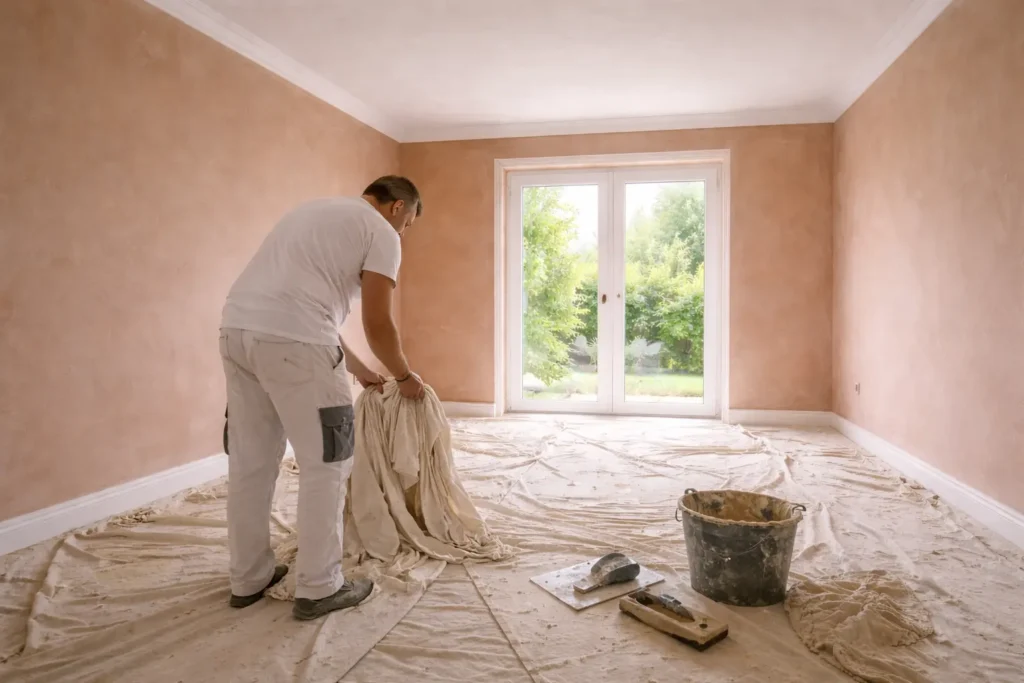
Finishing new plasterboard requires specialist technique that creates invisible joints and smooth surfaces. Extensions, conversions, and renovation projects need professional taping and skim coating to transform raw boards into decoration-ready walls. Experienced plasterers ensure seamless results — no visible joins, no cracking at corners, just flawless finishes throughout.
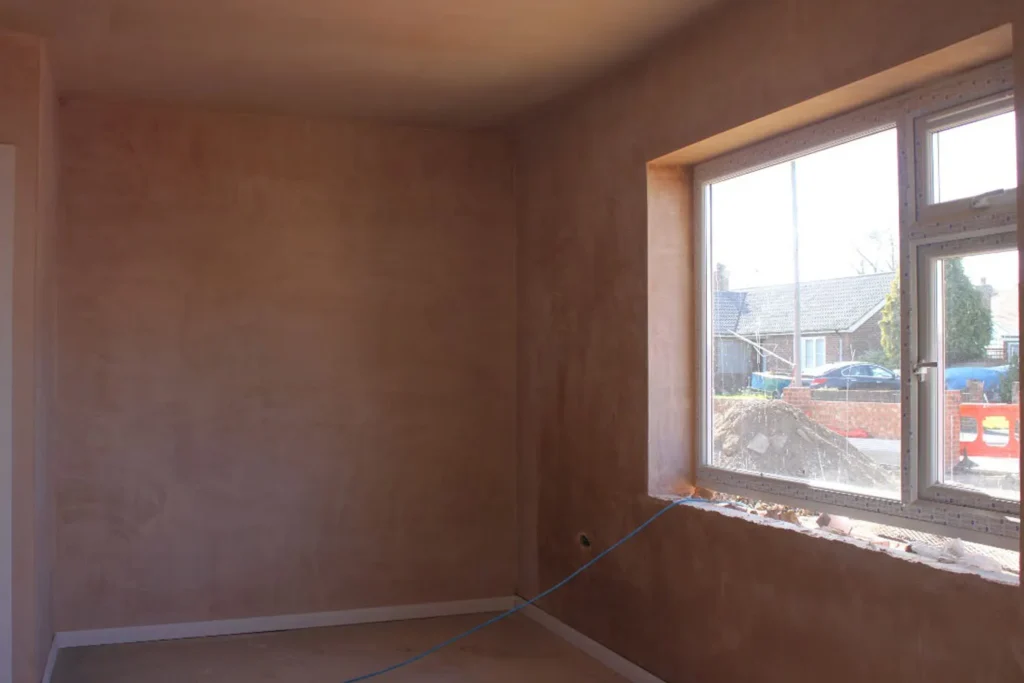
Complete room skimming unifies wall and ceiling finishes for consistent results throughout your spaces. When surfaces need full attention, professional re-plastering delivers smooth coverage everywhere — same quality walls and ceilings, seamless transitions, flawless finishing. Experienced tradesmen work systematically, transforming tired rooms into fresh, decoration-ready spaces.
Skimming looks easy until you try it yourself. Here’s the trade knowledge behind our consistently smooth finishes across Stanmore.
Local knowledge from Stanmore Country Park across to Royal National Orthopaedic Hospital means understanding Stanmore construction patterns. Victorian artisan housing near the centre, inter-war expansion further out, post-war estates on the edges — each zone has characteristic wall types we’ve learned to handle.
Old lime plaster, modern gypsum, fresh plasterboard, patched areas mixing all three — each responds differently to skim coats. Experience across Stanmore properties means recognising what we’re working on and adjusting technique accordingly.
Locally 1930s detached houses and victorian villas properties dominate Stanmore, generally 2.5m to 2.8m (8.2ft – 9.2ft) to the ceiling. Years skimming this specific housing builds instinct about wall behaviour, typical conditions, and preparation approaches that deliver lasting results.
Contact reaches the tradesman immediately — the same person who’ll assess your walls, solve any surface problems, and deliver the finished skim coats. Questions about wall condition and preparation get proper answers from someone who knows.
Conversation focuses on understanding the job — current surface state, scope of work, access considerations. Assessment gets booked at convenient timing to inspect walls thoroughly and provide clear, accurate pricing.
On-site evaluation means hands-on wall assessment — tapping surfaces, testing adhesion, checking for damp, noting inconsistencies. The plasterer explains findings and preparation requirements. Pricing reflects genuine surface condition, not optimistic assumptions.
Work gets completed to standard — proper preparation stages, quality application, careful finishing technique. Dust sheets go down, cleanup follows completion. You’ll know about drying requirements, mist coat application, and when surfaces are ready for full decoration.
People booking skimming want practical details — what’s involved, how long it takes, what happens after. Straight answers here, kept simple.
Room duration depends on starting conditions. Sound walls in a standard bedroom complete in a day. Add preparation complications, ceiling work, or surface repairs, and timing stretches. Assessment identifies genuine requirements, enabling realistic scheduling.
Some do, some don’t — existing condition decides. Sound plaster gets keyed and skimmed over. Hollow-sounding blown areas need removing. Multiple heavy coats might require stripping back. Assessment reveals what preparation your surfaces genuinely require.
Skimming means applying thin finish coats over existing plaster. Full plastering involves heavier work — base coats on brick or block, render layers, building depth where needed. Typical home work involves re-skimming surfaces rather than starting from bare masonry.
Some painted walls skim over, others need work first. Light matt emulsion on sound plaster takes skim after keying. Thick paint, gloss finishes, or silk coatings create adhesion problems — often needing removal or bonding preparation. Assessment determines approach.
Allow surfaces to dry properly before painting — 2-4 days minimum in ventilated rooms, though complete curing takes 2-3 weeks. Apply mist coat first with watered-down emulsion. Early decoration causes peeling and blistering issues.
Fill out the form or call now to speak directly to the plasterer covering your area. No call centres, no delays – just clear answers and fast action.
Your details are safe – we only use them to respond to your enquiry
Coverage includes all locations throughout Stanmore. Quality finishes from plasterers who understand local properties — construction eras, surface types, preparation requirements — not guesswork.