
The difference is in the detail — preparation, timing, finishing technique. Professional skim coats across Ladywell that create genuinely flat walls, not just acceptable ones.
When walls need re-skimming, the platform model adds friction where there shouldn’t be any. Multiple enquiries, coordinated site visits, competitive pricing games — all for a straightforward plastering job. Direct contact streamlines everything.
Professional skimming works differently here.
We keep things simple: one skilled tradesman covers Ladywell. Contact them directly when you need skimming, and they’ll assess your walls without the delays of competitive quoting or platform coordination.
Smooth wall finishes start with professional skimming applied by experienced local plasterers. Rough render, damaged plaster, and textured surfaces all benefit from fresh skim coats that create flat, even walls throughout your rooms. Skilled application around obstacles, clean lines at edges, and consistent coverage ensure results that look right and last — walls ready for paint, paper, or any decorative treatment.
Have a read through the service details below. If it sounds like the right fit for your rooms, give us a call or fill in the form. If it’s not quite what you need, that’s fine — appreciate you taking the time.

Smooth wall finishes start with professional skimming applied by experienced local plasterers. Rough render, damaged plaster, and textured surfaces all benefit from fresh skim coats that create flat, even walls throughout your rooms. Skilled application around obstacles, clean lines at edges, and consistent coverage ensure results that look right and last — walls ready for paint, paper, or any decorative treatment.
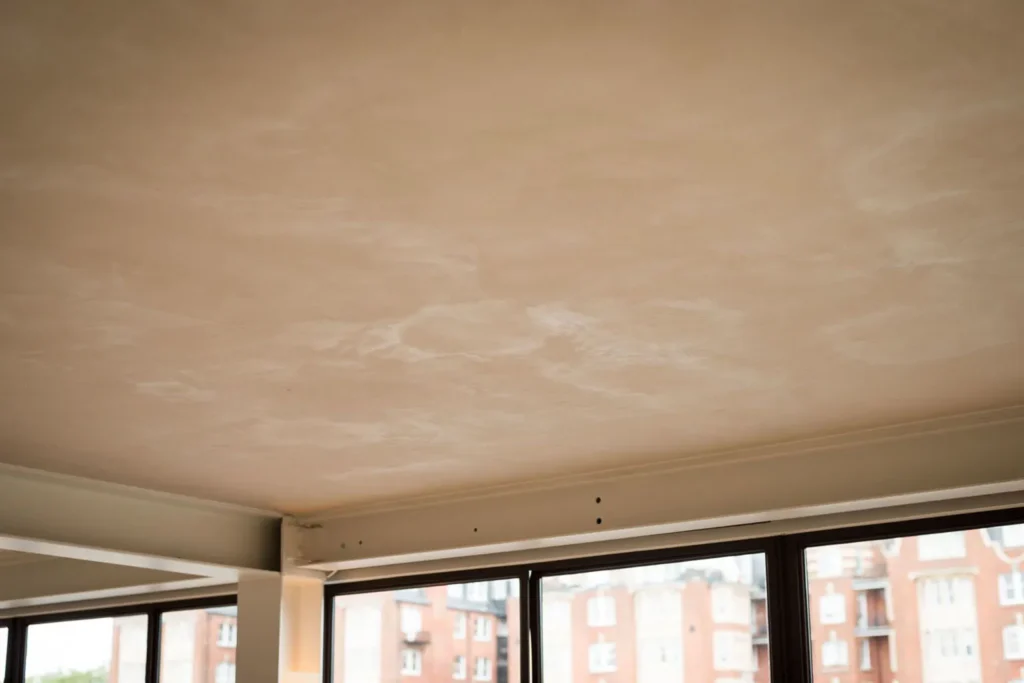
Re-skimming ceilings eliminates textured patterns that date properties and make decorating difficult. Stipple, swirl, bark, and other Artex finishes vanish beneath professional skim coats, leaving smooth surfaces ready for paint. Skilled ceiling work requires experience — working overhead, managing drying times, avoiding joins — delivering flat finishes that transform room appearances.

Blending plaster repairs requires professional technique that makes patches invisible on finished walls. Damage from various causes — impacts, removed fittings, cables, cracks — gets properly prepared and skim coated to match existing surfaces. Careful feathering and texture matching ensure seamless results ready for any decorative treatment.
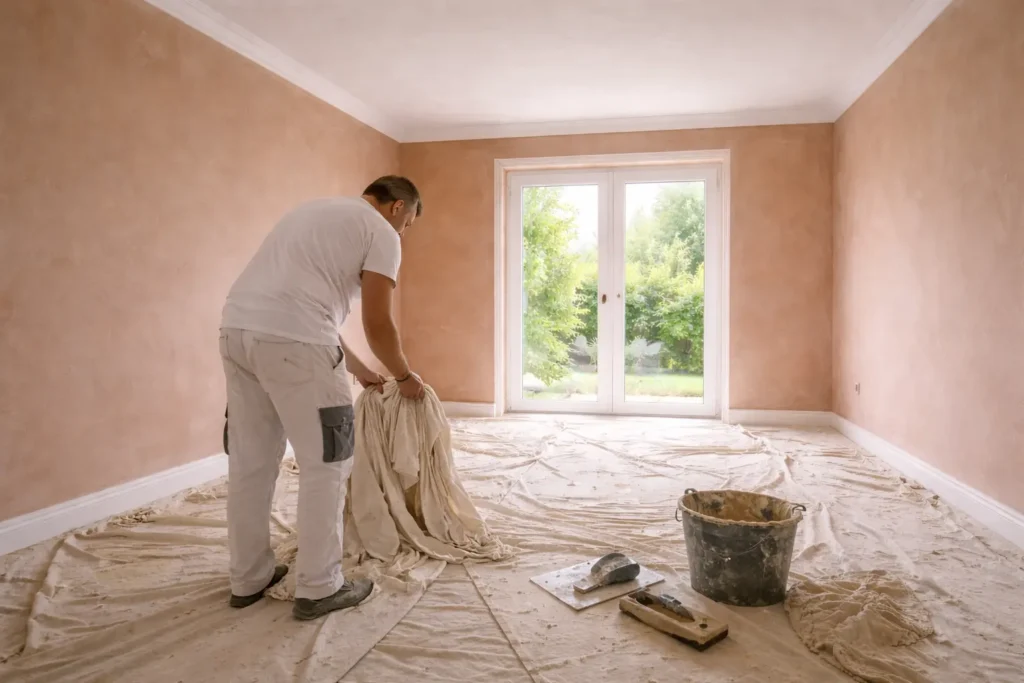
Finishing new plasterboard requires specialist technique that creates invisible joints and smooth surfaces. Extensions, conversions, and renovation projects need professional taping and skim coating to transform raw boards into decoration-ready walls. Experienced plasterers ensure seamless results — no visible joins, no cracking at corners, just flawless finishes throughout.
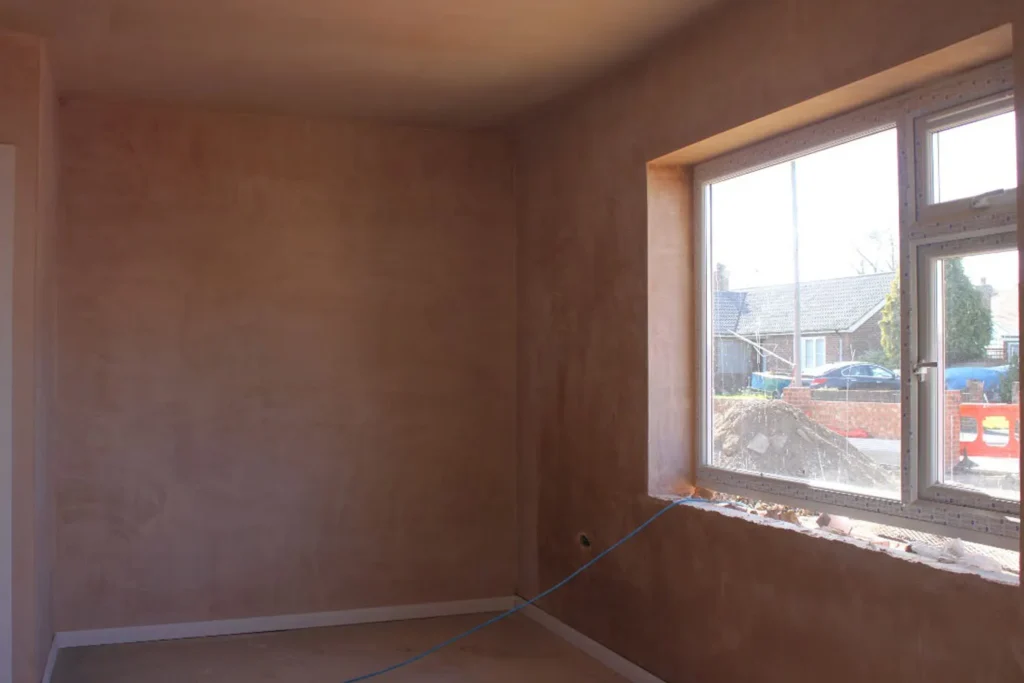
Full room skimming creates fresh, unified spaces with consistent smooth finishes across all surfaces. Comprehensive coverage ensures walls and ceilings match perfectly — no texture variations, no patchy areas, just seamless results throughout. Professional plasterers transform rooms completely, delivering even quality that makes decorating effortless.
Cheap skimming costs more when you’re repainting rippled walls a year later. Here’s the detail on our quality-first approach across Ladywell.
Local knowledge from Ladywell Fields across to River Ravensbourne means understanding Ladywell construction patterns. Victorian artisan housing near the centre, inter-war expansion further out, post-war estates on the edges — each zone has characteristic wall types we’ve learned to handle.
Old lime plaster, modern gypsum, fresh plasterboard, patched areas mixing all three — each responds differently to skim coats. Experience across Ladywell properties means recognising what we’re working on and adjusting technique accordingly.
For the most part victorian terraced houses and edwardian apartments make up most of Ladywell, typically with 2.7m to 2.9m (8.9ft – 9.5ft) ceilings. Those building types share common features — similar construction eras, comparable materials, predictable issues. Understanding the patterns improves every job.
Contact reaches the tradesman immediately — the same person who’ll assess your walls, solve any surface problems, and deliver the finished skim coats. Questions about wall condition and preparation get proper answers from someone who knows.
Initial questions establish the scope — surface types, room count, known problems, finish expectations. The plasterer uses this to plan assessment requirements, then schedules a convenient visit to inspect walls properly and quote accurately.
On-site evaluation means hands-on wall assessment — tapping surfaces, testing adhesion, checking for damp, noting inconsistencies. The plasterer explains findings and preparation requirements. Pricing reflects genuine surface condition, not optimistic assumptions.
Work gets completed to standard — proper preparation stages, quality application, careful finishing technique. Dust sheets go down, cleanup follows completion. You’ll know about drying requirements, mist coat application, and when surfaces are ready for full decoration.
Most people ask similar things before booking — what preparation’s needed, how long work takes, when decorating can start. Direct answers below.
Duration depends on what the walls need, not just room dimensions. Sound surfaces needing simple re-skimming complete faster than blown plaster requiring strip-back. Standard bedroom typically takes a day on good walls, longer with preparation complications. You’ll receive realistic timing after surface inspection.
Stripping isn’t always necessary — wall condition dictates preparation. Sound plaster receives skim directly over existing surfaces. Hollow sections, loose coats, or thick buildup need removing first. Assessment reveals what your walls genuinely require.
Skimming applies thin finish coats over existing surfaces — typically 2-3mm thickness creating smooth, paintable walls. Plastering involves thicker applications — base coats on bare brick, render layers, or building up depth where needed. Most domestic re-finishing work involves skimming over existing plaster rather than full plastering from scratch.
Depends on the paint situation. Thin matt emulsion takes skim after keying preparation. Thick coatings, gloss finishes, or silk paint prevent proper adhesion — usually needing removal or bonding agent application. Assessment identifies requirements for your specific surfaces.
Allow surfaces to dry properly before painting — 2-4 days minimum in ventilated rooms, though complete curing takes 2-3 weeks. Apply mist coat first with watered-down emulsion. Early decoration causes peeling and blistering issues.
Fill out the form or call now to speak directly to the plasterer covering your area. No call centres, no delays – just clear answers and fast action.
Your details are safe – we only use them to respond to your enquiry
Professional skimming covers all locations across Ladywell. Local knowledge of housing types, original construction methods, and surface characteristics that affect preparation requirements and finishing quality.