
The difference is in the detail — preparation, timing, finishing technique. Professional skim coats across Isle of Dogs that create genuinely flat walls, not just acceptable ones.
Skimming is skilled work that deserves a skilled tradesman, not the cheapest bidder from a platform race to the bottom. When quality matters more than saving twenty quid, direct contact with a proven plasterer makes sense.
We work on trusted connections.
Our system is straightforward: one trusted plasterer handles skimming work across Isle of Dogs. When you call or submit a form, it goes straight to them — the same person who’ll turn up and transform your walls.
Professional plastering encompasses various skimming scenarios. Patch repairs blending into existing surfaces need precision, full re-skims need consistency, and each job benefits from understanding the surface conditions before work begins.
Read through what’s covered below and see if it fits your project. If it does, we’re here to help — just call or message. If it doesn’t quite match, that’s absolutely fine.

Professional wall re-skimming solves surface problems that paint alone can’t fix. Rough textures, visible repairs, and uneven plaster need proper skim coating to create smooth, consistent walls. Skilled tradesmen assess conditions, prepare surfaces correctly, and apply quality finishes that hide imperfections completely — delivering walls ready for any decorative treatment you’re planning.
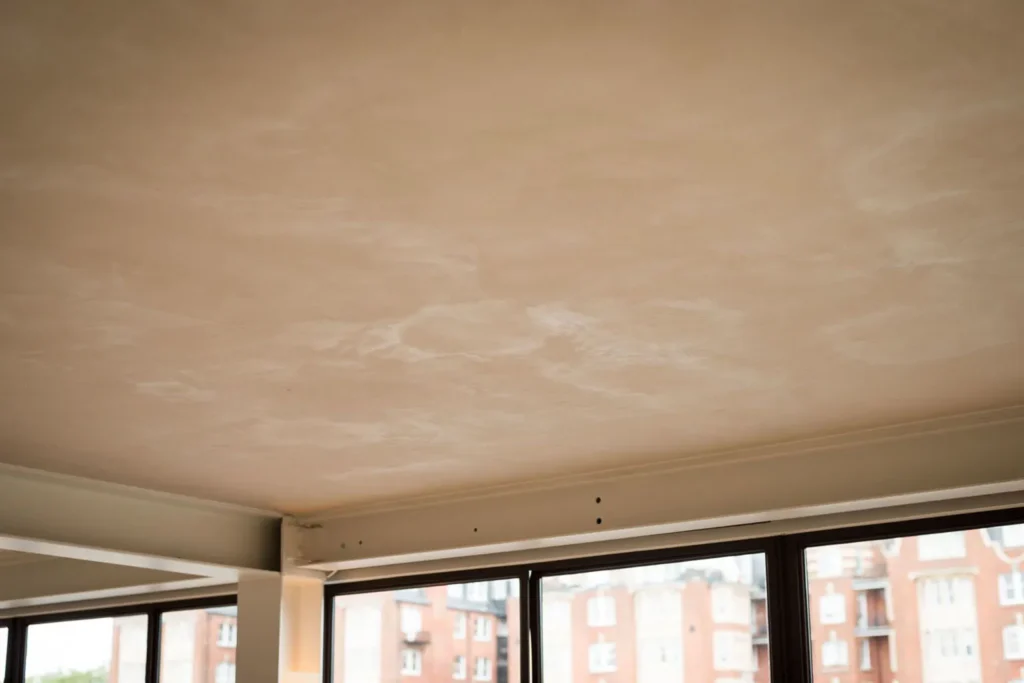
Re-skimming ceilings delivers smooth surfaces that transform room aesthetics completely. Textured patterns, visible repairs, and water staining disappear beneath flat skim coats that reflect light evenly. Professional ceiling work demands specific skills — working overhead, managing materials, finishing seamlessly — delivering results that modernise homes and simplify decorating.

Blending patch repairs into existing plaster takes skill that professional plasterers develop over years. Visible damage gets properly filled, keyed, and skim coated with careful attention to edges and texture matching. Seamless feathering ensures patches disappear completely — walls restored to consistent smooth finishes ready for decoration without full re-skimming costs.
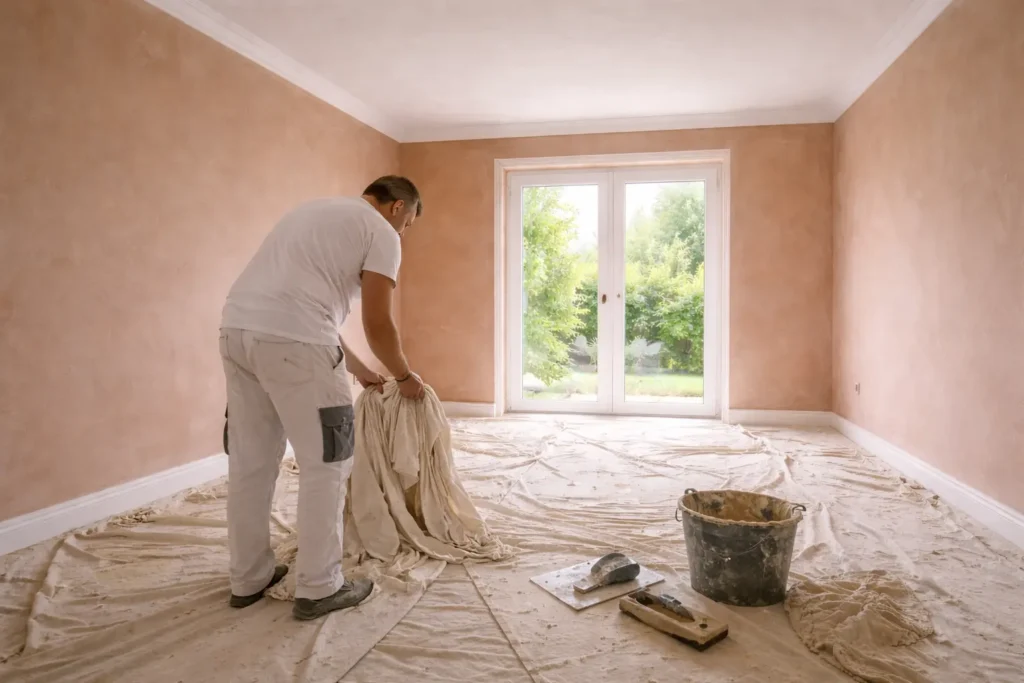
Professional finishing transforms new plasterboard into smooth, seamless surfaces ready for any decorative treatment. Extensions, loft conversions, and new builds need quality taping, jointing, and skimming to create walls that look right. Skilled plasterers ensure lasting results — no visible joints showing through, no cracking over time, just flawless finishes throughout.
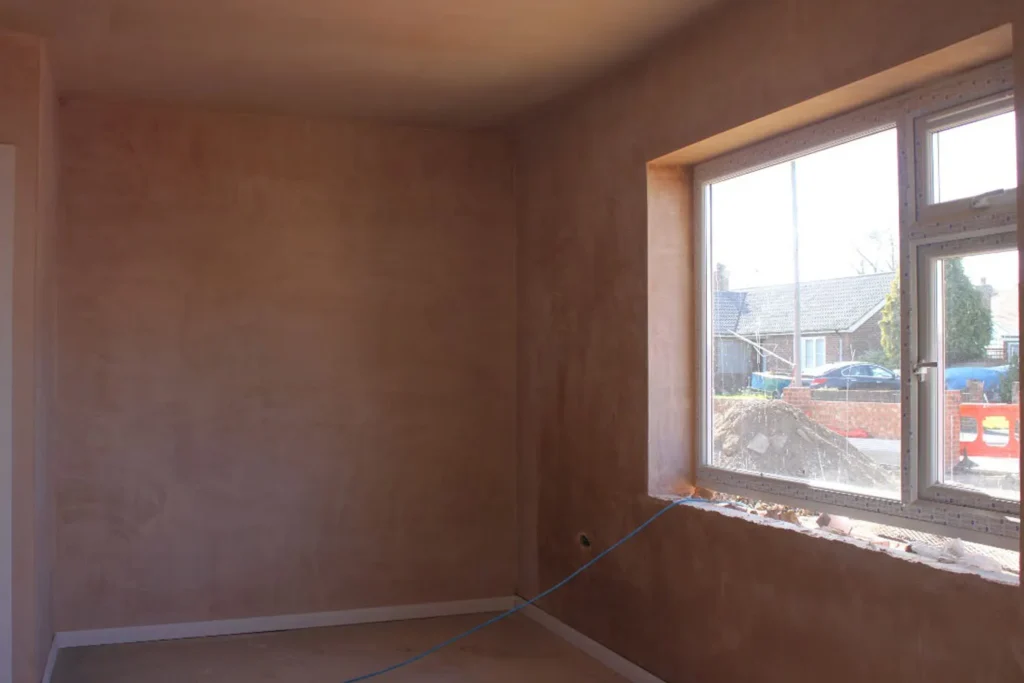
Total room transformation requires full skimming that delivers consistent finishes everywhere. Walls and ceilings get complete professional coverage — no mismatched textures, no visible transitions between old and new work. Experienced plasterers work systematically, creating smooth unified surfaces that make decorating straightforward and results impressive.
Good preparation makes good finishes possible. Here’s how we approach every skimming job throughout Isle of Dogs — from first assessment to final polish.
Experience throughout Isle of Dogs — St Lukes Church, Blackwall Library, Blackwall Basin — reveals patterns invisible to outsiders. Certain streets always have damp. Specific builders always used weak mixes. Some estates got cheap materials throughout. That knowledge guides preparation.
Single feature walls, whole room transformations, awkward ceiling repairs, invisible patch blending — each job type brings its own challenges. Consistent quality across Isle of Dogs comes from adapting methods to match conditions, not applying the same approach everywhere.
Typical Isle of Dogs homes feature converted warehouses and modern apartments construction, 2.4m to 2.7m (7.9ft – 8.9ft) ceiling heights. Years working on this exact property mix means preparation becomes intuitive — recognising conditions that cause problems and addressing them automatically.
When you get in touch, you’re talking to the plasterer directly — not a call centre reading prompts. Wall assessment, preparation planning, finishing standards — everything gets discussed with the person who’ll actually transform your surfaces.
They’ll ask about existing conditions — wall types, current finishes, room layouts, any visible problems. This information shapes the site visit, which gets scheduled for convenient timing to properly assess preparation needs and provide clear pricing.
Wall inspection covers everything relevant — structural soundness, surface adhesion, previous repair quality, moisture levels. The plasterer explains preparation needs in plain terms. Pricing reflects what your walls actually require, not generic per-metre rates.
Plastering happens systematically — correct preparation, even application, timely finishing. Work areas get protected properly, and thorough cleanup occurs after. Clear information covers drying periods, when to apply mist coats, and how soon decoration can follow.
Skimming questions tend to follow patterns — how’s it done, how long’s it take, when can I decorate. Clear answers below, nothing complicated.
A typical room with reasonable walls takes around a day to complete. Surface condition affects timing more than room size — walls needing stripping, bonding, or extensive prep work add time. Ceiling skimming alongside walls adds half a day typically. Assessment provides accurate scheduling for your specific surfaces.
Some do, some don’t — existing condition decides. Sound plaster gets keyed and skimmed over. Hollow-sounding blown areas need removing. Multiple heavy coats might require stripping back. Assessment reveals what preparation your surfaces genuinely require.
Skim coats are thin finish applications — typically 2-3mm — creating smooth walls over existing surfaces. Plastering includes heavier work like base coats, render, or building thickness on bare masonry. Most domestic re-finishing involves skimming rather than complete replastering.
It depends on paint type and buildup. Thin matt emulsion can receive skim after surface keying. Heavy coatings, gloss finishes, or silk paint cause bonding failures — usually requiring stripping or adhesion agent application. Assessment identifies specific requirements.
Drying varies with conditions. Surface typically ready for mist coating within 2-4 days, full curing extends longer. New plaster needs diluted emulsion first — sealing porous surfaces before proper paint application. Insufficient drying causes failures.
Fill out the form or call now to speak directly to the plasterer covering your area. No call centres, no delays – just clear answers and fast action.
Your details are safe – we only use them to respond to your enquiry
Coverage extends across the whole of Isle of Dogs. Quality skimming from plasterers who understand local construction — property ages, original materials, surface types — and what preparation each genuinely requires.