
Rough walls transformed into smooth, paintable surfaces. Proper skimming throughout Charlton — surfaces assessed correctly, prepared thoroughly, finished to standards that show under any light.
When you need walls skimmed, the last thing you want is five different plasterers calling with wildly different prices and availability. Checkatrade floods you with options but leaves you no clearer on who’s actually good. You need one reliable person — not a selection headache.
There’s a better way to find a plasterer.
Charlton has one trusted skimming specialist assigned. When you need walls finished properly, you contact them directly — and they respond promptly without platform delays or competitive quoting processes.
Skimming addresses different wall and ceiling conditions. New plasterboard finishing differs from renovation re-coating, and each surface type requires appropriate preparation — proper evaluation ensures smooth, lasting results ready for any decorative finish.
Read the breakdown below and decide if we handle your type of skimming. If we do, get in contact and we’ll respond promptly. If we don’t, that’s fine — appreciate you stopping by.

Professional wall plastering delivers smooth, lasting finishes that transform your living spaces. Rough or damaged surfaces get properly prepared and coated with quality skim plaster, creating flat walls ready for any decorative treatment. Attention to detail around light switches, corners, and edges ensures professional results throughout — surfaces that look right and perform well for years.
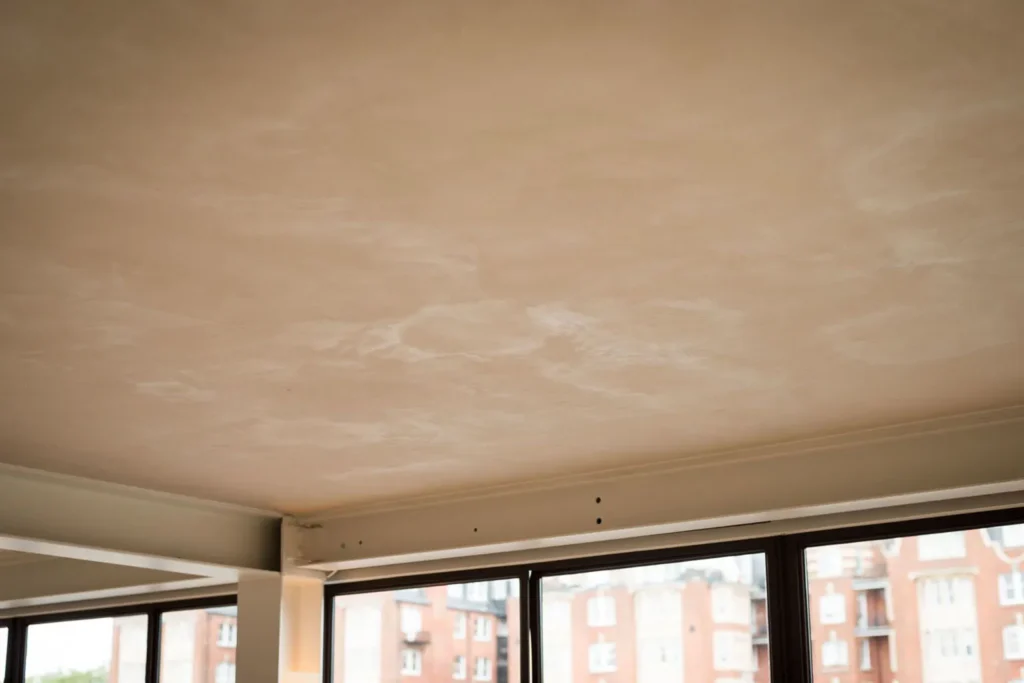
Ceiling skimming creates smooth, flat overhead surfaces that transform how rooms look and feel. Textured ceilings, Artex patterns, and damaged plaster disappear beneath professional skim coats applied by experienced plasterers. Working overhead requires specific technique — consistent coverage, proper drying between coats, and seamless finishing — delivering ceilings that reflect light evenly and make rooms feel fresh and modern.

Quality patch skimming makes damage disappear without extensive replastering work. Cable routes, fixture removal, impact holes, and localised cracking all respond to targeted repairs that blend invisibly. Experienced plasterers match existing textures, feather edges carefully, and finish seamlessly — patches that stay hidden and eliminate the need for larger-scale work.
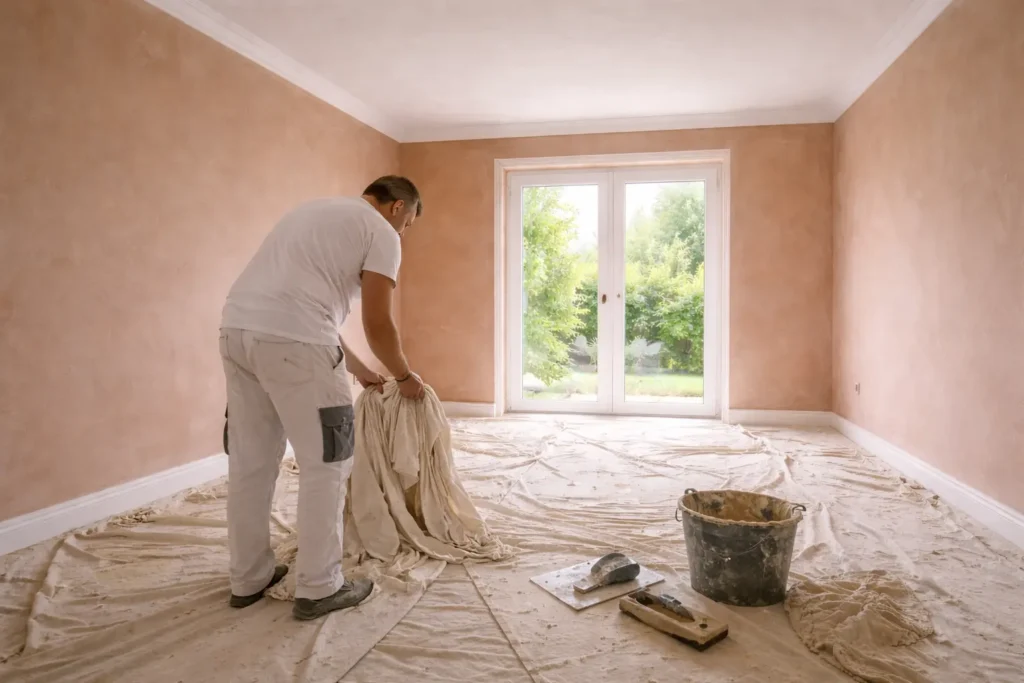
Finishing new plasterboard creates the smooth walls your extension or conversion deserves. Professional taping hides joints invisibly, while quality skim coats deliver decoration-ready surfaces throughout. Skilled plasterers work systematically — proper preparation, consistent application, clean finishing — transforming raw boards into flawless living spaces ready for decorating.
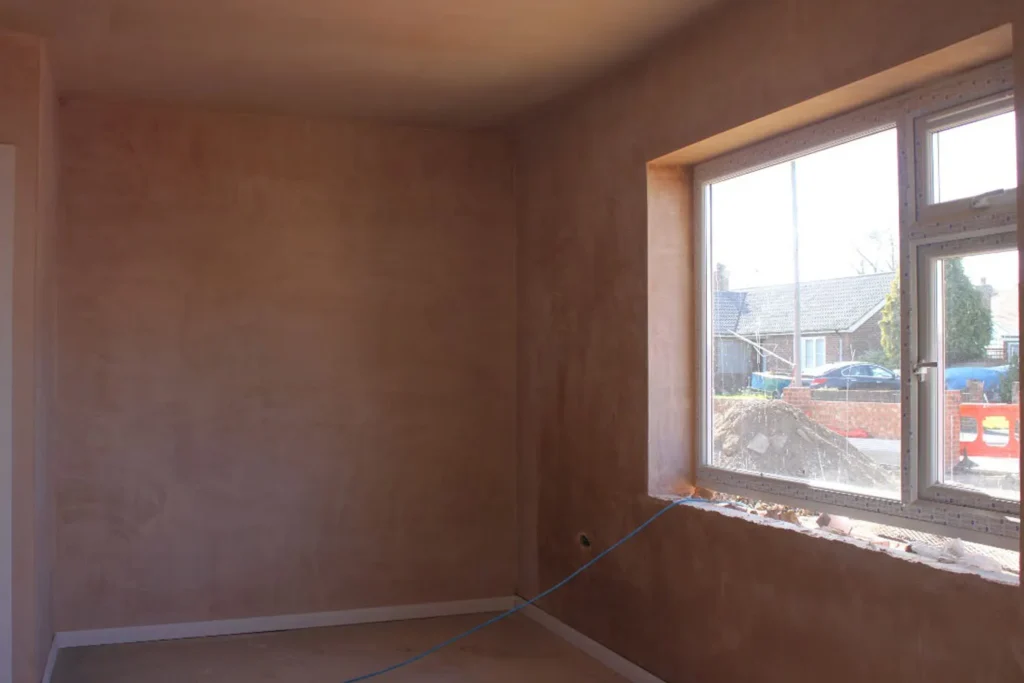
Complete room re-skimming delivers total transformation when walls and ceilings all need attention. Full coverage ensures consistent finishes throughout — no texture variations, no visible joins between old and new work. Experienced plasterers work systematically through each room, creating smooth surfaces that unify spaces and make decorating effortless.
The finish you get depends entirely on who holds the trowel. Here’s the honest breakdown of how we approach skimming work throughout Charlton.
We’ve opened up walls from The Valley stadium right through to Charlton station. The surprises reduce over time — you learn where the horse hair plaster sits, which estates used lightweight blocks, where the council did mass re-skims in the eighties. Charlton walls become familiar.
Extension walls joining original walls, old ceilings meeting new plasterboard, repairs that must disappear into existing finishes — transitions need careful handling. Seamless results across Charlton come from managing where different surfaces meet.
Properties throughout Charlton are predominantly victorian terraced houses and modern apartments, ceilings 2.7m to 3.0m (8.9ft – 9.8ft). Concentrated experience on this housing stock builds deep understanding — not textbook knowledge, but hands-on familiarity with how these specific walls behave.
Contact connects you directly with your local tradesman — the person who’ll inspect your walls and deliver smooth finishes. Questions about surface types, preparation approaches, and expected results get trade answers, not sales responses.
Discussion focuses on understanding your situation — what the walls look like now, what you want them to become, any previous plastering issues. Assessment gets arranged at suitable timing to check surfaces firsthand before quoting.
Site visits involve genuine wall inspection — checking for blown plaster, assessing suction, noting previous repairs, identifying preparation requirements. You’ll understand what needs doing before skimming starts. Quotes reflect actual surface condition and realistic preparation time.
Jobs get completed methodically — preparation stages, plaster application, finishing work. Dust sheets protect surroundings throughout. Thorough cleanup happens after. You receive specific advice about drying periods, emulsion misting, and when surfaces are ready for decorating.
Before plastering starts, most people want the same information — preparation, timelines, decoration timing. Here’s the clear, simple detail.
Room duration depends on starting conditions. Sound walls in a standard bedroom complete in a day. Add preparation complications, ceiling work, or surface repairs, and timing stretches. Assessment identifies genuine requirements, enabling realistic scheduling.
Not automatically — it depends what’s underneath. Good plaster that’s firmly attached just needs preparing and coating. Problem areas — hollow sections, loose coats, heavy buildup — need stripping. Assessment determines requirements for your specific walls.
Skim coats are thin finish applications — usually 2-3mm — over existing prepared surfaces. Plastering covers broader scope including base coats on bare walls, render application, depth building. Most domestic jobs involve skimming rather than complete replastering from scratch.
Sometimes — it depends on paint type and surface preparation. Matt emulsion over sound plaster can receive skim after proper keying with coarse sandpaper or bonding agent. Gloss, silk, or multiple thick paint coats create adhesion problems — stripping or heavy preparation often necessary. Assessment determines what approach your painted walls need.
New skim needs drying time — typically 2-4 days for surface drying, weeks for complete curing. Mist coat first using diluted matt emulsion to seal porous surfaces. Then proper painting follows. Rushing decoration risks adhesion failure and paint defects.
Fill out the form or call now to speak directly to the plasterer covering your area. No call centres, no delays – just clear answers and fast action.
Your details are safe – we only use them to respond to your enquiry
Professional skimming covers all locations across Charlton. Local knowledge of housing types, original construction methods, and surface characteristics that affect preparation requirements and finishing quality.