
Quality shows through paint — flat walls or rippled, proper prep or rushed. Professional skimming across Belvedere that delivers surfaces worth the decoration you’ll put on them.
Getting walls skimmed shouldn’t involve a research project. Posting online, comparing reviews, fielding calls from multiple tradesmen — it’s exhausting before anyone’s even picked up a trowel. Direct access to a proven plasterer simplifies everything.
We’ve taken a simpler route.
One experienced plasterer covers Belvedere, and you speak to them directly. No competing quotes, no call centres — just a clean route to the person who’ll skim your walls and deliver smooth, lasting finishes.
Quality wall skimming eliminates surface problems that make decorating difficult. Cracks, bumps, patches, and uneven textures disappear beneath professionally applied skim coats, leaving smooth walls that take any finish beautifully. Experienced plasterers work methodically — proper prep, consistent application, clean finishing — delivering surfaces that transform how your rooms look and feel.
Have a read through the service details below. If it sounds like the right fit for your rooms, give us a call or fill in the form. If it’s not quite what you need, that’s fine — appreciate you taking the time.

Smooth wall finishes start with professional skimming applied by experienced local plasterers. Rough render, damaged plaster, and textured surfaces all benefit from fresh skim coats that create flat, even walls throughout your rooms. Skilled application around obstacles, clean lines at edges, and consistent coverage ensure results that look right and last — walls ready for paint, paper, or any decorative treatment.
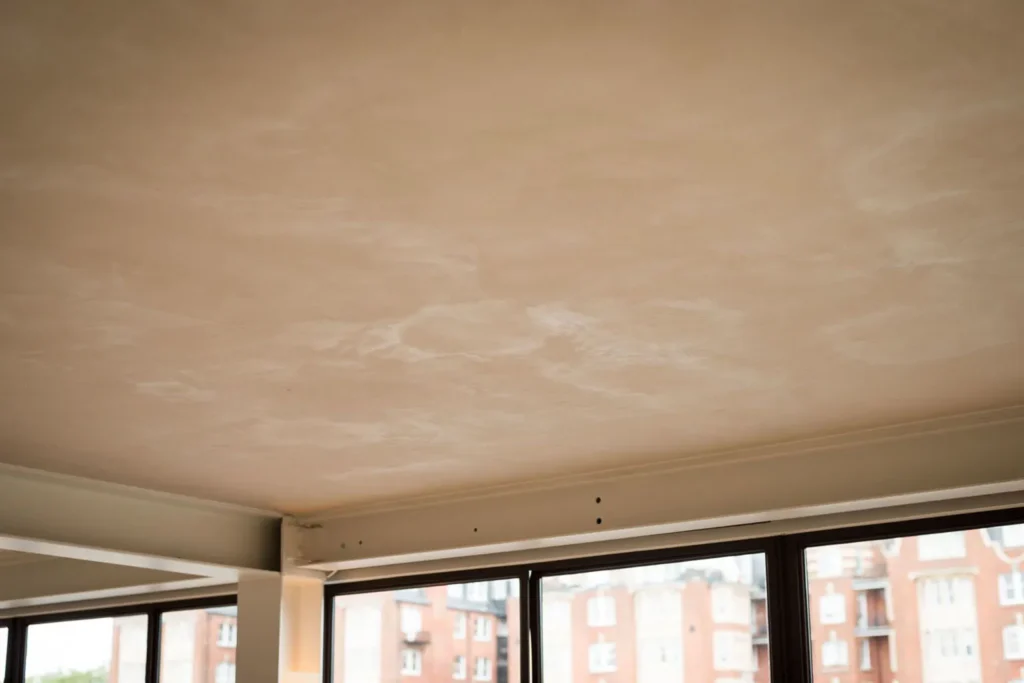
Expert ceiling skimming handles textured surfaces that paint alone can’t fix. Artex patterns, stippled finishes, and rough plaster need professional skim coating to create flat, contemporary ceilings. Skilled tradesmen prepare surfaces correctly, apply even coverage overhead, and finish to high standards — ceilings transformed and ready for decoration.

Professional patch skimming restores localised damage without full room replastering. Impact holes, cable chases, and cracked sections respond to targeted repairs that blend perfectly with surrounding plaster. Experienced tradesmen match textures and finishes exactly — patches that disappear completely and save the cost of larger-scale work.
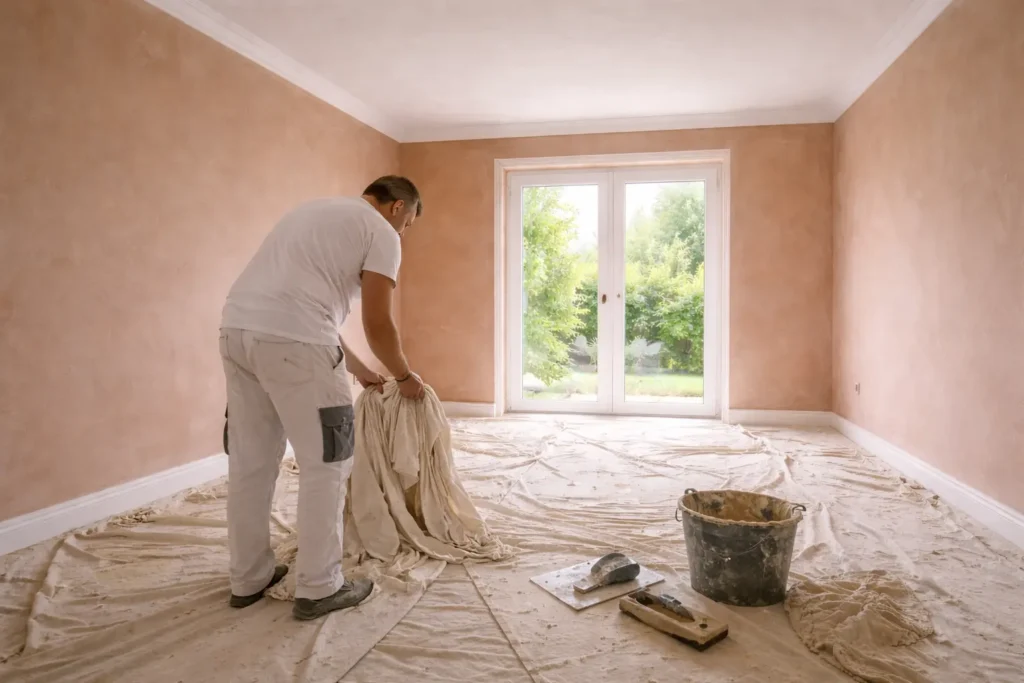
Professional plasterboard finishing transforms raw boards into smooth, paintable surfaces ready for decoration. New extensions, garage conversions, and loft rooms all need expert taping, jointing, and skimming to create seamless walls. Skilled plasterers work systematically — proper joint preparation, consistent skim application, quality finishing — delivering new-build quality throughout.
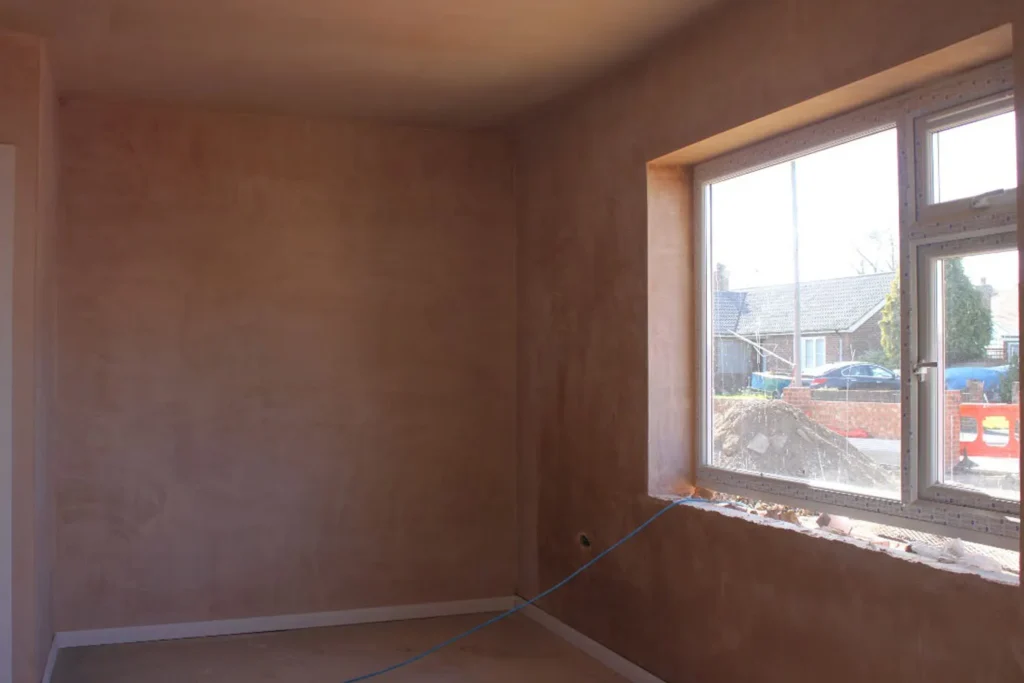
Full re-skim plastering transforms tired rooms into fresh, modern spaces with consistent finishes throughout. Walls and ceilings receive complete coverage — no patching, no texture mismatches, just smooth surfaces everywhere. Skilled plasterers work room by room, delivering unified results that make decorating straightforward and rooms feel completely renewed.
Most skimming complaints come six months later when cracks appear. Here’s how we prevent that across Belvedere properties.
Properties around St Augustines Church Belvedere were mostly built pre-war — lime plaster, lath ceilings, solid walls. Near Belvedere Station the fifties estates dominate. Toward Lower Road it’s newer construction. Each era across Belvedere needs different preparation approaches.
Single feature walls, whole room transformations, awkward ceiling repairs, invisible patch blending — each job type brings its own challenges. Consistent quality across Belvedere comes from adapting methods to match conditions, not applying the same approach everywhere.
For the most part victorian terraced houses and inter-war terraced houses make up most of Belvedere, typically with 2.6m to 2.7m (8.5ft – 8.9ft) ceilings. Those building types share common features — similar construction eras, comparable materials, predictable issues. Understanding the patterns improves every job.
Calls and forms go straight to your area’s tradesman — no filtering through people who’ve never held a trowel. You get honest conversation about wall types, preparation needs, and what quality skimming actually requires.
Initial questions establish the scope — surface types, room count, known problems, finish expectations. The plasterer uses this to plan assessment requirements, then schedules a convenient visit to inspect walls properly and quote accurately.
Assessment means examining walls properly — testing adhesion, checking suction, spotting blown areas, assessing previous plaster quality. Clear explanation of preparation needs follows. Pricing reflects genuine surface requirements, not guesses from photographs.
Jobs happen professionally — thorough prep, even application, timely finishing work. Furniture and floors get protected properly, and comprehensive cleanup follows. You receive specific advice about drying periods, mist coating, and when full decorating can start.
Walls and plastering raise plenty of questions — how long it takes, what preparation involves, when you can paint. Here’s the straight answers to what most people ask about skimming.
A typical bedroom skims in a day when walls cooperate. Surface problems — blown plaster, poor adhesion, previous bodge jobs — extend timelines significantly. Ceiling work adds roughly half a day. You’ll get accurate timing once walls have been properly assessed.
Some walls skim over existing surfaces, others need stripping — condition determines approach. Solid, well-attached plaster just needs keying. Blown areas, failed coats, or excessive thickness require removal. Assessment identifies what’s needed rather than guessing.
Skimming means applying thin finish coats over existing plaster. Full plastering involves heavier work — base coats on brick or block, render layers, building depth where needed. Typical home work involves re-skimming surfaces rather than starting from bare masonry.
Paint type affects adhesion significantly. Light matt emulsion can receive skim after surface keying. Gloss finishes, silk coatings, or thick paint layers prevent proper bonding — typically requiring removal or specialist preparation. Assessment determines the right approach for your surfaces.
Drying varies with conditions — ventilation, temperature, coat thickness. Surface typically dries enough in 2-4 days for mist coating, though full cure takes weeks. Diluted matt emulsion first seals the surface properly. Early decoration causes paint problems.
Fill out the form or call now to speak directly to the plasterer covering your area. No call centres, no delays – just clear answers and fast action.
Your details are safe – we only use them to respond to your enquiry
Professional skimming covers all locations across Belvedere. Local knowledge of housing types, original construction methods, and surface characteristics that affect preparation requirements and finishing quality.