
Flat finishes that stay flat come from doing things right. Quality skimming across Dingle — correct preparation, proper application, surfaces that take decoration evenly.
Skimming is skilled work that deserves a skilled tradesman, not the cheapest bidder from a platform race to the bottom. When quality matters more than saving twenty quid, direct contact with a proven plasterer makes sense.
We do things differently.
Our system is straightforward: one trusted plasterer handles skimming work across Dingle. When you call or submit a form, it goes straight to them — the same person who’ll turn up and transform your walls.
Professional wall skimming delivers the smooth finish that transforms how rooms look and feel. Rough plaster, textured surfaces, and patchy walls disappear beneath expertly applied skim coats, creating perfect bases for paint or wallpaper. Experienced plasterers prepare surfaces properly, apply consistent coverage, and finish to high standards — leaving walls flat, smooth, and ready for whatever decorative finish you choose.
Check out the information below to see if we cover what you need. If it matches your situation, get in contact. If not, no worries at all — thanks for having a look.

Smooth wall skimming transforms problem surfaces into professional-quality finishes ready for decoration. Cracks, bumps, old repairs, and textured plaster all disappear beneath expertly applied skim coats. Experienced plasterers prepare surfaces properly, work methodically through each wall, and deliver consistent results — flat, smooth finishes that make decorating effortless and results impressive.
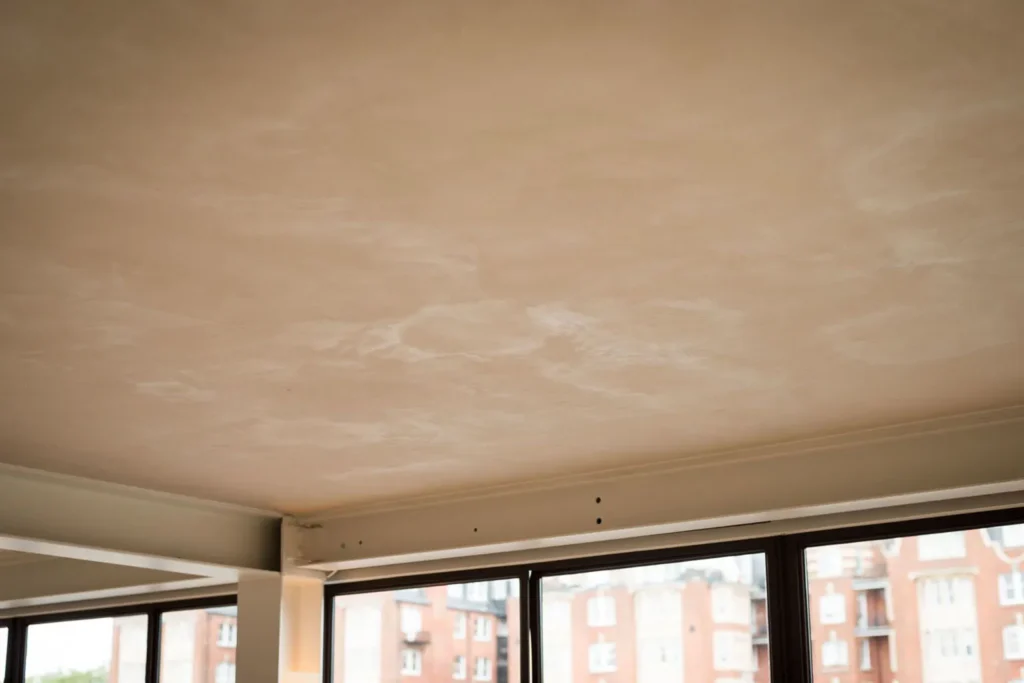
Re-skimming ceilings eliminates textured patterns that date properties and make decorating difficult. Stipple, swirl, bark, and other Artex finishes vanish beneath professional skim coats, leaving smooth surfaces ready for paint. Skilled ceiling work requires experience — working overhead, managing drying times, avoiding joins — delivering flat finishes that transform room appearances.

Patch repair skimming blends seamlessly into existing surfaces, making damage invisible without re-plastering entire walls. Holes, cracks, dents, and damaged sections get properly filled, keyed, and skim coated to match surrounding plaster exactly. Skilled plasterers feather edges, match textures, and finish patches so they disappear completely — repairs that stay hidden under any decorative finish you apply.
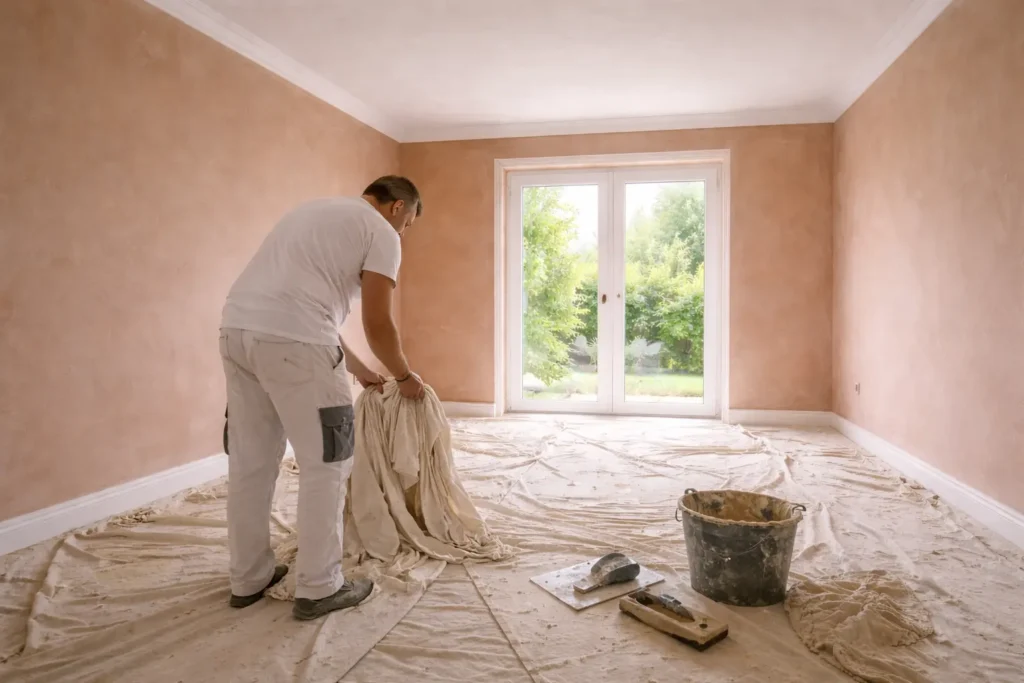
Quality plasterboard finishing completes construction projects with smooth, decoration-ready surfaces throughout. Extensions, loft rooms, and garage conversions all need professional taping and skimming to transform raw boards into finished walls. Skilled plasterers deliver seamless results — invisible joints, consistent coverage, professional finishing — spaces ready for decorating.
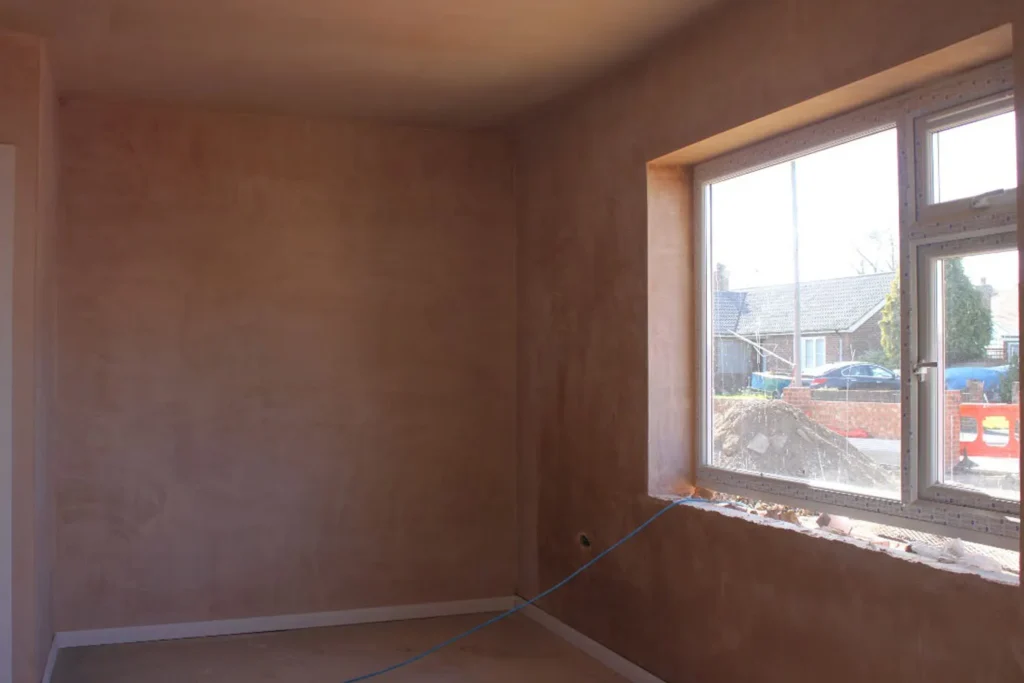
Complete room re-skimming transforms tired spaces with consistent professional finishes throughout. Walls and ceilings receive full attention — unified textures, even coverage, seamless quality everywhere. Experienced plasterers work efficiently through whole rooms, creating smooth surfaces that make spaces feel fresh and decorating straightforward.
The trowel marks that disappear wet can reappear under paint. Here’s why our finishing technique creates surfaces that stay flat across Dingle.
Working across Dingle for years means knowing property histories. The streets around Dingle Railway Cutting flooded in ’97. The estate near Otterspool Promenade had cavity wall insulation problems. The houses toward Cast Iron Shore suffer from condensation. History affects wall condition.
Old lime plaster, modern gypsum, fresh plasterboard, patched areas mixing all three — each responds differently to skim coats. Experience across Dingle properties means recognising what we’re working on and adjusting technique accordingly.
Most Dingle homes are victorian terraces or inter-war terraces with 2.5m to 2.7m (8.2ft – 8.9ft) ceilings. Working continuously on these property types develops pattern recognition — spotting preparation requirements quickly based on accumulated experience.
Enquiries reach the plasterer personally — not intermediaries booking jobs they don’t understand. You discuss surface conditions with someone who’s seen thousands of walls and knows which need stripping, which need bonding, and which just need keying.
They’ll ask practical questions — what’s on the walls now, how many rooms, any known problems. Assessment timing gets arranged based on availability, ensuring proper site evaluation before providing detailed quotations.
Wall inspection includes hands-on assessment — tapping hollow sections, testing suction, checking for blown areas, noting repair history. Preparation needs get explained simply. Pricing reflects genuine surface condition found on site.
Work gets completed to standard — proper preparation stages, quality application, careful finishing technique. Dust sheets go down, cleanup follows completion. You’ll know about drying requirements, mist coat application, and when surfaces are ready for full decoration.
Skimming questions follow patterns — surface prep, job length, drying periods. Here’s the honest answers without the waffle.
Completion time varies with surface condition rather than room size alone. Average bedroom on decent plaster takes a day. Walls requiring stripping, bonding, or substantial prep work take longer. Ceiling inclusion adds time. Assessment provides realistic scheduling for your particular surfaces.
Some do, some don’t — existing condition decides. Sound plaster gets keyed and skimmed over. Hollow-sounding blown areas need removing. Multiple heavy coats might require stripping back. Assessment reveals what preparation your surfaces genuinely require.
Skimming applies thin finish coats over prepared surfaces — creating smooth walls from existing plaster. Plastering includes thicker applications like base coats on bare walls, rendering, or depth building. Typical home re-finishing means skimming over what’s there, not starting from scratch.
Some painted surfaces skim directly, others don’t. Matt emulsion over good plaster can receive skim after keying preparation. Gloss, silk, or multiple thick coats create adhesion failures — often requiring removal or bonding coat application. Assessment identifies requirements.
Standard skimming dries surface-ready in 2-4 days typically, though full cure extends weeks. Mist coat application first — watered-down matt emulsion sealing porous surfaces — before proper decoration. Insufficient drying causes paint failures.
Fill out the form or call now to speak directly to the plasterer covering your area. No call centres, no delays – just clear answers and fast action.
Your details are safe – we only use them to respond to your enquiry
We operate across the whole of Dingle. Professional skimming backed by genuine knowledge of local housing construction, typical wall conditions, and effective preparation approaches.