
The foundation for good decoration is properly skimmed walls. Professional plastering throughout Woodhouse that creates flat surfaces, even coverage, and finishes built to last.
Skimming is skilled work that deserves a skilled tradesman, not the cheapest bidder from a platform race to the bottom. When quality matters more than saving twenty quid, direct contact with a proven plasterer makes sense.
We work on trusted connections.
Woodhouse has one dedicated plasterer handling skimming. Direct contact means no delays — you speak to the tradesman who’ll assess your walls, provide honest pricing, and deliver professional results.
Skimming requirements vary between properties. Victorian solid walls behave differently than modern plasterboard, and each surface type needs appropriate preparation and application — recognising these differences ensures professional finishes throughout.
Read through what’s covered below and see if it fits your project. If it does, we’re here to help — just call or message. If it doesn’t quite match, that’s absolutely fine.

Professional wall plastering delivers smooth, lasting finishes that transform your living spaces. Rough or damaged surfaces get properly prepared and coated with quality skim plaster, creating flat walls ready for any decorative treatment. Attention to detail around light switches, corners, and edges ensures professional results throughout — surfaces that look right and perform well for years.
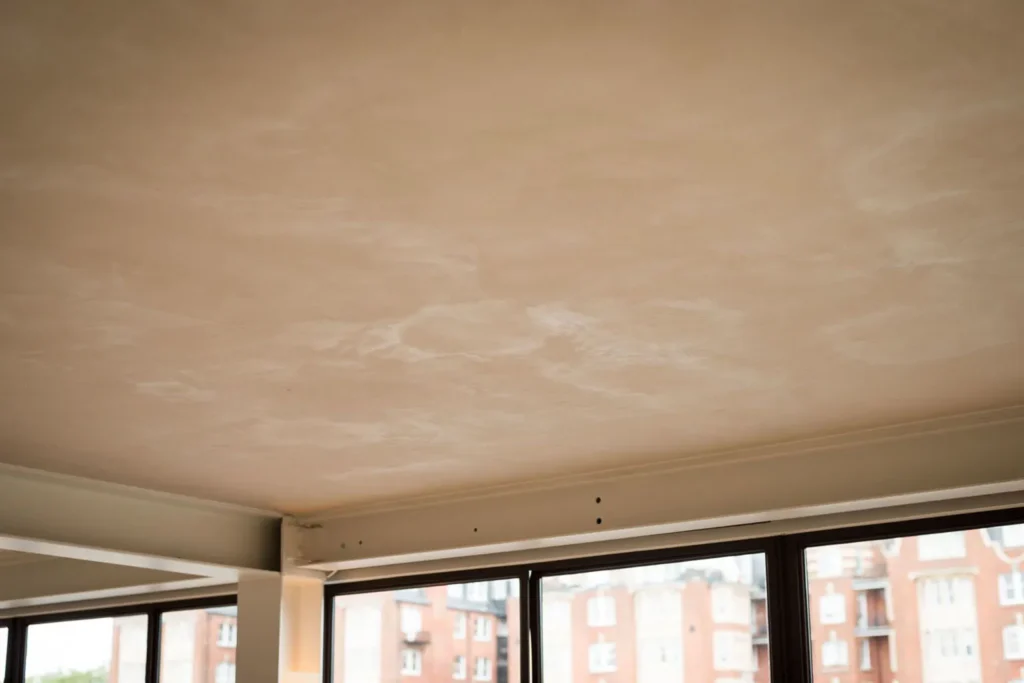
Ceiling re-skimming services cover everything from single rooms to whole-house transformations. Artex removal, water damage repair, and general resurfacing all benefit from professional skimming that delivers smooth, lasting finishes. Experienced plasterers handle overhead challenges efficiently — proper prep, quality application, seamless results — ceilings ready for any decorative treatment.

Blending patch repairs into existing plaster takes skill that professional plasterers develop over years. Visible damage gets properly filled, keyed, and skim coated with careful attention to edges and texture matching. Seamless feathering ensures patches disappear completely — walls restored to consistent smooth finishes ready for decoration without full re-skimming costs.
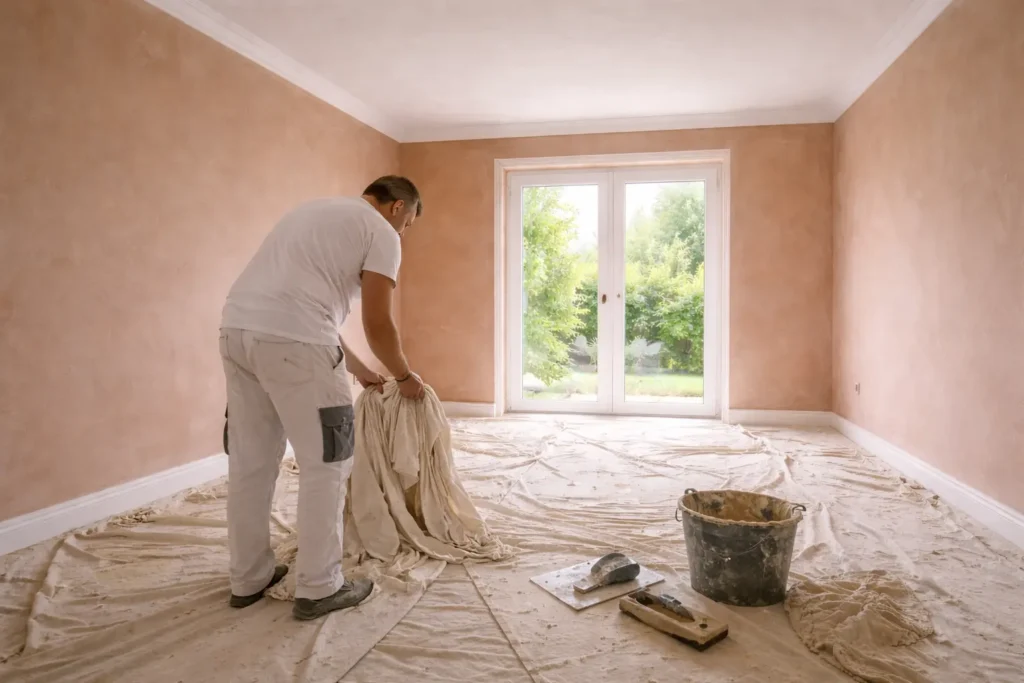
Finishing freshly boarded walls takes specialist skill that professional plasterers apply to extensions and conversions. Taped joints disappear beneath smooth skim coats, creating seamless surfaces ready for paint or paper. Quality preparation and application ensure lasting results — no visible joins, no corner cracking, just flawless finishes that make new spaces feel complete.
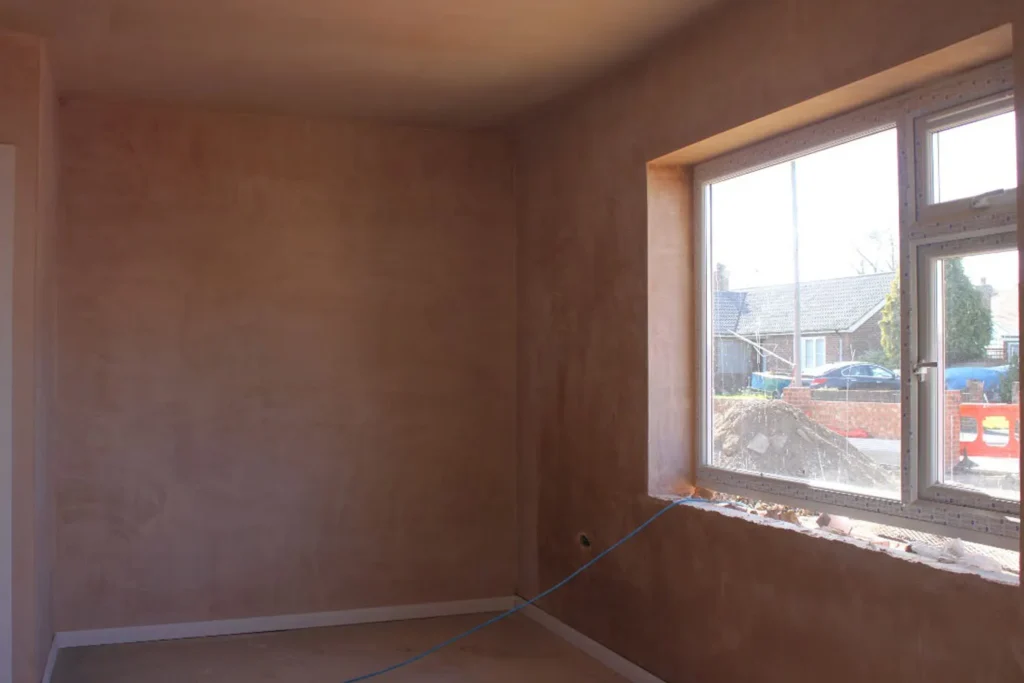
Complete room plastering transforms tired spaces into fresh, modern environments with consistent smooth finishes. Full wall and ceiling coverage ensures unified quality throughout — no mismatches, no patchy repairs, just seamless results everywhere. Skilled plasterers work efficiently, delivering the even finishing that makes decorating effortless and rooms feel completely renewed.
Skimming looks easy until you try it yourself. Here’s the trade knowledge behind our consistently smooth finishes across Woodhouse.
Properties around St Marks Church were mostly built pre-war — lime plaster, lath ceilings, solid walls. Near Woodhouse Moor the fifties estates dominate. Toward Little London it’s newer construction. Each era across Woodhouse needs different preparation approaches.
Kitchen walls after tile removal, bedroom ceilings hiding Artex, hallways with a century of wallpaper paste — every surface has history that affects how plaster behaves. We read that history properly across Woodhouse before picking up a trowel.
Woodhouse housing runs mostly victorian terraces and student housing, ceilings around 2.5m to 2.7m (8.2ft – 8.9ft). Those property types share characteristics — similar wall construction, common problem areas, predictable preparation needs. Experience on this specific stock makes assessment faster and more accurate.
Calls and forms go straight to your area’s tradesman — no filtering through people who’ve never held a trowel. You get honest conversation about wall types, preparation needs, and what quality skimming actually requires.
First conversation focuses on understanding your walls — what’s on them now, what finish you’re after, how many rooms need attention. Based on that, assessment gets arranged at a time that suits. No pressure, no commitment until you’ve had surfaces checked properly and received clear pricing.
Wall inspection includes hands-on assessment — tapping hollow sections, testing suction, checking for blown areas, noting repair history. Preparation needs get explained simply. Pricing reflects genuine surface condition found on site.
Plastering happens systematically — correct preparation, even application, timely finishing. Work areas get protected properly, and thorough cleanup occurs after. Clear information covers drying periods, when to apply mist coats, and how soon decoration can follow.
Planning wall work means practical questions need answering — what preparation involves, realistic durations, when you can decorate. Clear information below.
A typical room with reasonable walls takes around a day to complete. Surface condition affects timing more than room size — walls needing stripping, bonding, or extensive prep work add time. Ceiling skimming alongside walls adds half a day typically. Assessment provides accurate scheduling for your specific surfaces.
Not always — it depends on existing surface condition. Sound plaster that’s firmly attached just needs keying and coating. Blown plaster that sounds hollow when tapped needs removing. Multiple previous coats building thickness sometimes require stripping. Assessment determines what your specific walls need — some skim straight over, others need work first.
Skim coats are thin finish layers — 2-3mm typically — applied over existing surfaces to create smooth walls. Plastering covers heavier applications including base coats on masonry, render work, or building depth. Most domestic work involves skimming existing plaster rather than full replastering.
Some painted surfaces skim directly, others don’t. Matt emulsion over good plaster can receive skim after keying preparation. Gloss, silk, or multiple thick coats create adhesion failures — often requiring removal or bonding coat application. Assessment identifies requirements.
New plaster needs drying time before paint. Surface usually appears dry within 2-4 days, but complete curing takes 2-3 weeks depending on thickness and ventilation. Mist coat with watered-down emulsion before proper painting — rushing risks adhesion failures.
Fill out the form or call now to speak directly to the plasterer covering your area. No call centres, no delays – just clear answers and fast action.
Your details are safe – we only use them to respond to your enquiry
Professional skimming covers all locations across Woodhouse. Local knowledge of housing types, original construction methods, and surface characteristics that affect preparation requirements and finishing quality.