
Walls that take paint properly start with proper skimming. Flat, smooth finishes across Whitehouse — preparation done right, coats applied evenly, surfaces ready for whatever decoration you’re planning.
The quote-comparison approach works in theory but creates headaches in practice. Three plasterers, three prices, three availability windows — and you’re still not sure who’ll do the best job. Direct access to one reliable professional solves that.
We work on trusted connections.
One experienced plasterer covers skimming work across Whitehouse. Direct contact eliminates platform delays — you speak to the tradesman who’ll actually transform your walls into smooth, paintable surfaces.
Skimming requirements vary between properties. Victorian solid walls behave differently than modern plasterboard, and each surface type needs appropriate preparation and application — recognising these differences ensures professional finishes throughout.
Look at what’s covered below and see if it fits what you need. If it does, give us a shout — we’ll help. If not, no worries — thanks for having a look round.

Wall skimming services cover everything from single feature walls to complete room transformations. Damaged plaster, rough textures, and uneven surfaces all respond to professional re-skimming that creates smooth, consistent finishes. Experienced plasterers match existing textures where needed, blend repairs invisibly, and deliver walls that make decorating straightforward and results impressive.
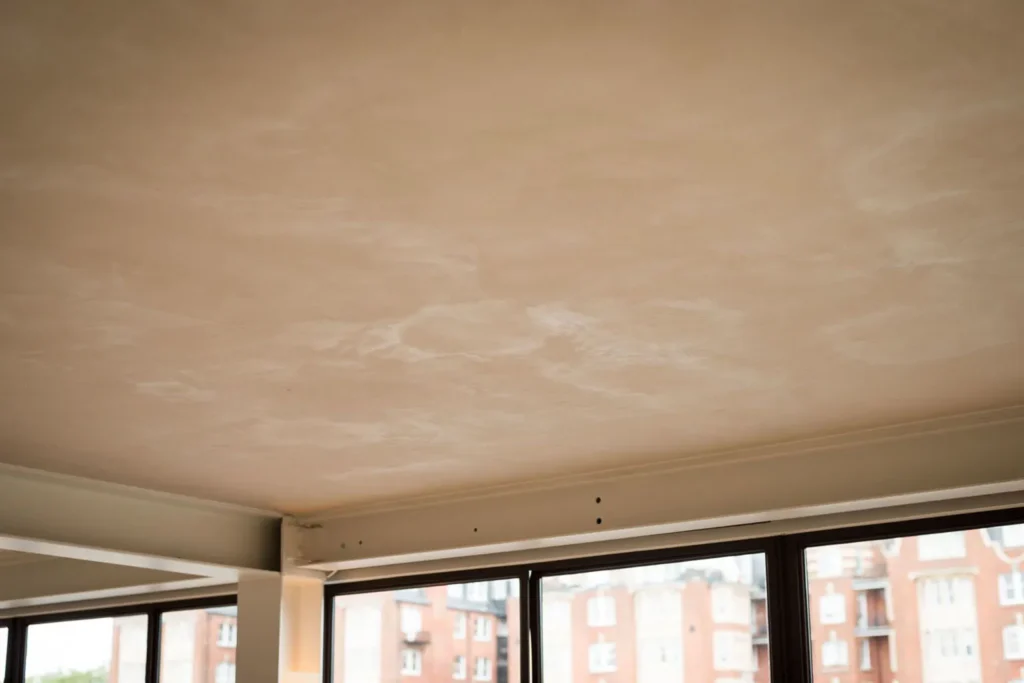
Professional ceiling finishes start with expert skimming that transforms rough or textured surfaces. Outdated Artex, damaged plaster, and uneven areas disappear beneath smooth skim coats applied by skilled tradesmen. Working overhead requires specific technique and experience — delivering flat ceilings that reflect light evenly and make rooms feel fresh.

Targeted repair skimming handles damage efficiently without extensive disruption or cost. Holes from fixtures, cracks from settlement, and impact damage all respond to professional patching that blends invisibly. Skilled plasterers feather edges, match textures, and finish seamlessly — repairs that stay hidden and restore walls to consistent smooth finishes.
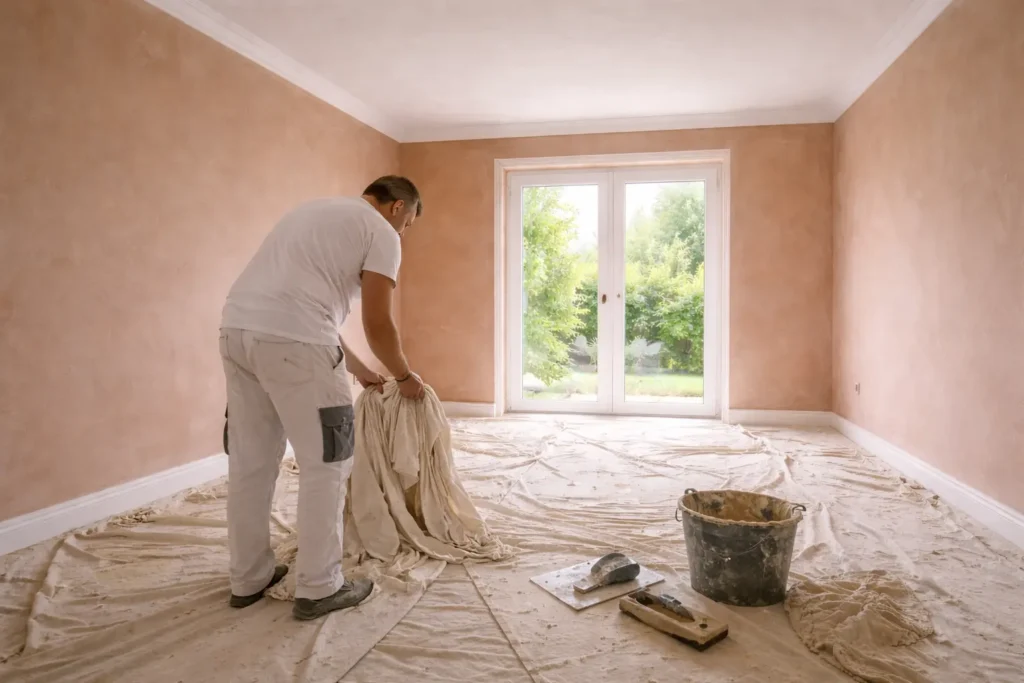
Plasterboard skim finishing delivers new-build quality on extension walls, conversion ceilings, and renovation projects. Professional joint treatment and smooth skim coats create seamless surfaces that transform raw construction into finished living spaces. Quality workmanship ensures lasting results — walls ready for decoration and built to stay that way.
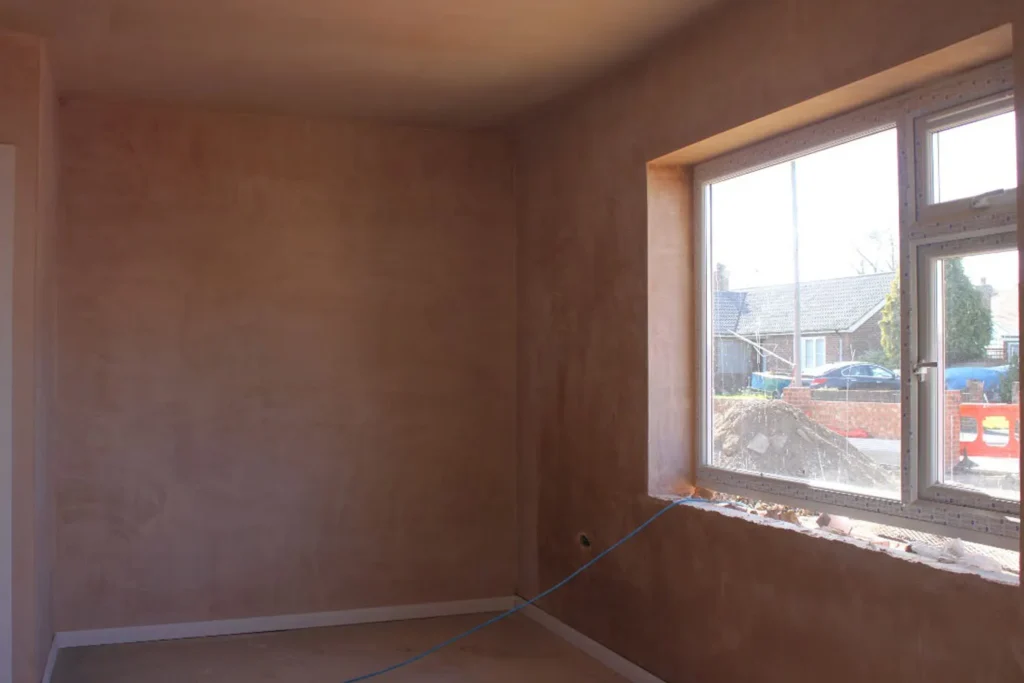
Whole room skimming creates unified smooth finishes that transform how spaces look and feel. Complete wall and ceiling coverage ensures consistent quality throughout — no patchy repairs, no texture mismatches, just seamless results everywhere. Professional plasterers work systematically, delivering even coverage and clean finishing that makes decorating effortless.
Anyone can spread plaster — fewer can leave it properly flat. Here’s what separates our skimming work from average results across Whitehouse.
From All Saints Church to Akenham Hall and out to Henley Road, we’ve worked on Whitehouse’s full housing range. That teaches you what preparation to expect before arriving — which areas have solid walls, where to expect blown plaster, what the original builders used.
Some walls need PVA, some need bonding, some just need a wipe down. Ceilings that look sound can be ready to delaminate. We check everything first across Whitehouse — proper assessment prevents the callbacks that rushed preparation causes.
Local housing comprises mainly period cottages and farmhouses, 2.6m to 2.9m (8.5ft – 9.5ft) ceiling heights. Familiarity with these exact property types means recognising wall conditions quickly and applying proven preparation approaches rather than guessing.
Your enquiry connects directly to the plasterer serving Whitehouse — someone who can discuss surface conditions knowledgeably and explain why some walls need more preparation than others. Real trade conversation from the first contact.
Conversation covers current wall condition, rooms requiring attention, and any concerns about existing surfaces. Assessment timing gets agreed based on mutual availability — no rushed phone quotes, just proper site evaluation before pricing.
Assessment involves reading walls professionally — tapping, testing, checking, noting. The plasterer identifies preparation requirements and explains them plainly. Quotes reflect actual surface condition rather than optimistic estimates from phone descriptions.
Plastering gets completed properly — correct preparation, consistent application, careful finishing. Protection covers work areas throughout, and thorough tidying follows. Clear guidance covers drying stages, when emulsion misting should happen, and realistic decoration timelines.
Walls and plastering raise plenty of questions — how long it takes, what preparation involves, when you can paint. Here’s the straight answers to what most people ask about skimming.
Timing depends on room size, surface condition, and preparation needs. A standard bedroom with sound walls typically takes one day — preparation morning, first coat midday, second coat afternoon. Rooms needing extensive prep work or multiple problem areas take longer. Ceilings add time. You’ll get accurate duration estimates after wall assessment.
Some do, some don’t — existing condition decides. Sound plaster gets keyed and skimmed over. Hollow-sounding blown areas need removing. Multiple heavy coats might require stripping back. Assessment reveals what preparation your surfaces genuinely require.
Skimming applies thin finish coats over prepared surfaces — creating smooth walls from existing plaster. Plastering includes thicker applications like base coats on bare walls, rendering, or depth building. Typical home re-finishing means skimming over what’s there, not starting from scratch.
It depends on paint type and buildup. Thin matt emulsion can receive skim after surface keying. Heavy coatings, gloss finishes, or silk paint cause bonding failures — usually requiring stripping or adhesion agent application. Assessment identifies specific requirements.
New plaster requires proper drying — typically 2-4 days minimum, longer for full curing. Mist coat first using watered-down emulsion to seal surfaces correctly. Decorating too early risks adhesion failures, peeling, and blistering.
Fill out the form or call now to speak directly to the plasterer covering your area. No call centres, no delays – just clear answers and fast action.
Your details are safe – we only use them to respond to your enquiry
Coverage includes all locations throughout Whitehouse. Quality finishes from plasterers who understand local properties — construction eras, surface types, preparation requirements — not guesswork.