
Quality shows through paint — flat walls or rippled, proper prep or rushed. Professional skimming across Bridge that delivers surfaces worth the decoration you’ll put on them.
Skimming is skilled work that deserves a skilled tradesman, not the cheapest bidder from a platform race to the bottom. When quality matters more than saving twenty quid, direct contact with a proven plasterer makes sense.
Getting walls skimmed shouldn’t be complicated.
Our approach is straightforward: one plasterer covers skimming work across Bridge. Direct contact means honest pricing — you speak to the person who’ll attend your home and deliver quality finishes without unnecessary complications.
Skimming work varies significantly depending on existing conditions. Sound plaster just needs re-coating, compromised areas need stripping back, and new boards need proper preparation — identifying the starting point ensures professional finishes.
Have a look below at what’s included in our skimming service. If it covers your situation, get in touch and we’ll respond fast. If not, that’s absolutely fine — thanks for your time.

Wall skim plastering creates the blank canvas every decorator dreams of. Lumpy, bumpy, or damaged walls get transformed into perfectly flat surfaces ready for any finish. Professional plasterers assess existing conditions, prepare surfaces correctly, and apply smooth skim coats that hide imperfections completely — delivering the quality foundation that makes decorating straightforward and results impressive.
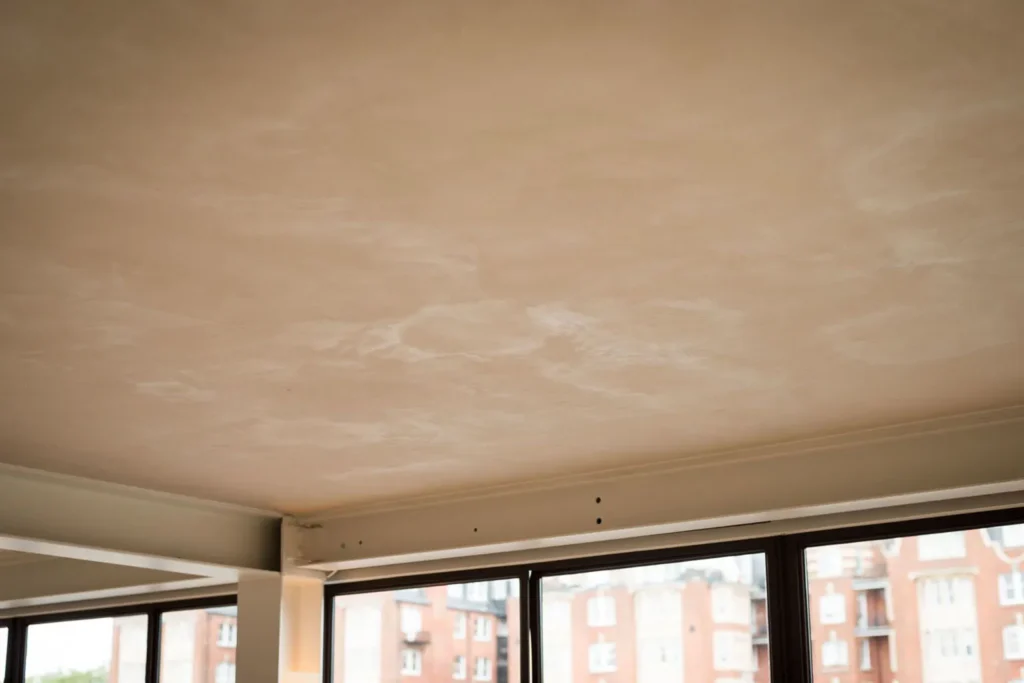
Re-skimming ceilings delivers smooth surfaces that transform room aesthetics completely. Textured patterns, visible repairs, and water staining disappear beneath flat skim coats that reflect light evenly. Professional ceiling work demands specific skills — working overhead, managing materials, finishing seamlessly — delivering results that modernise homes and simplify decorating.

Patch repair skimming blends seamlessly into existing surfaces, making damage invisible without re-plastering entire walls. Holes, cracks, dents, and damaged sections get properly filled, keyed, and skim coated to match surrounding plaster exactly. Skilled plasterers feather edges, match textures, and finish patches so they disappear completely — repairs that stay hidden under any decorative finish you apply.
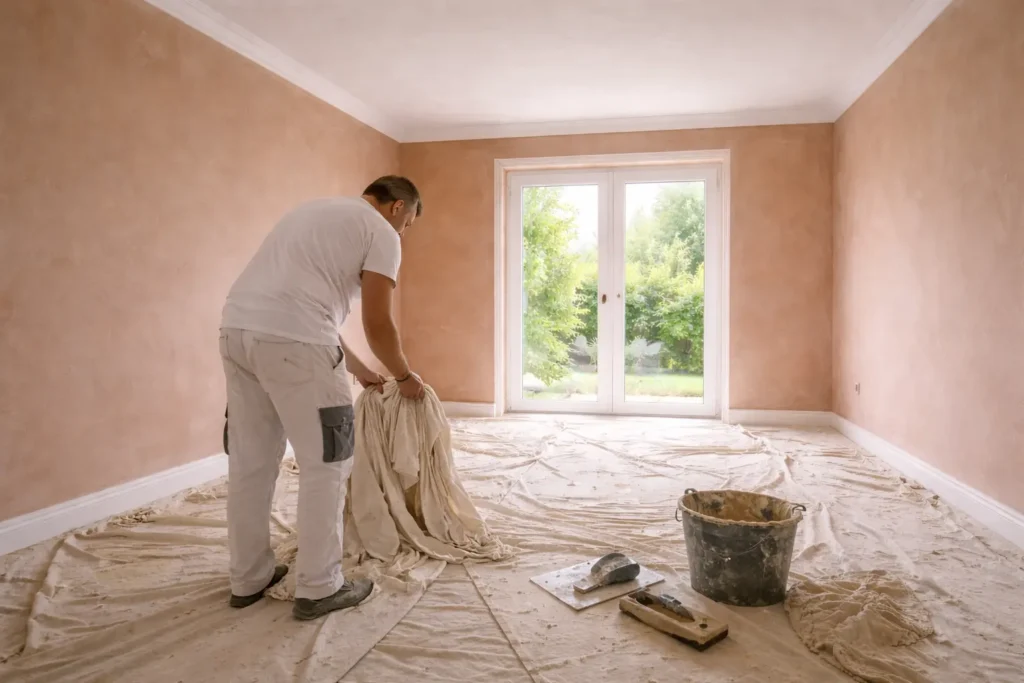
Finishing new plasterboard creates the smooth walls your extension or conversion deserves. Professional taping hides joints invisibly, while quality skim coats deliver decoration-ready surfaces throughout. Skilled plasterers work systematically — proper preparation, consistent application, clean finishing — transforming raw boards into flawless living spaces ready for decorating.
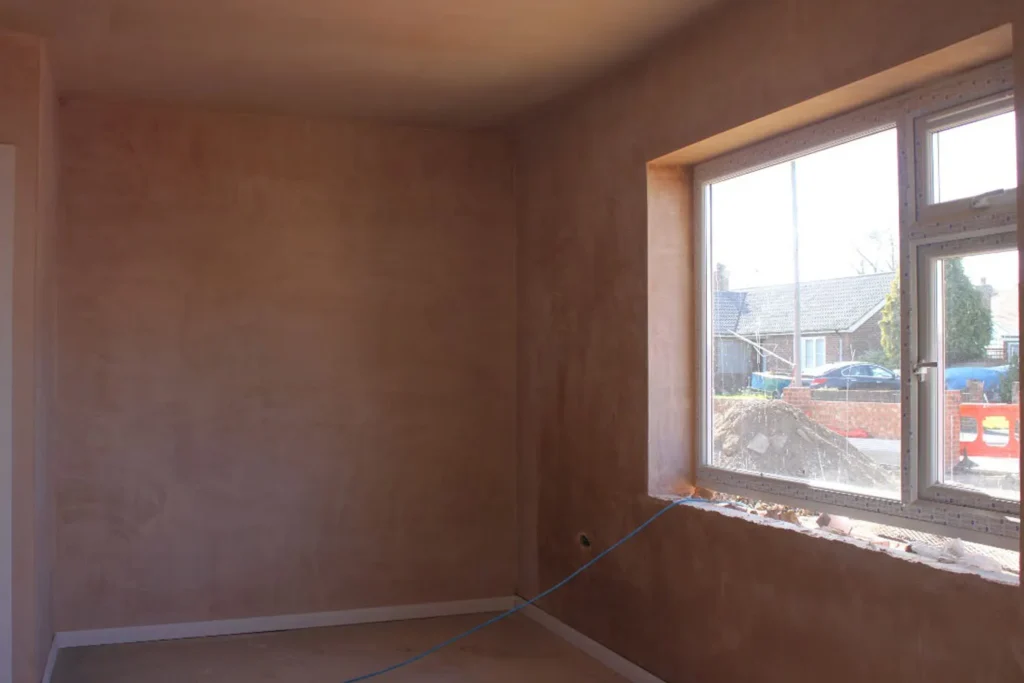
Complete re-plastering transforms whole rooms with consistent smooth surfaces from every angle. Full wall and ceiling skimming ensures unified finishes throughout — same quality everywhere, seamless results, professional standards. Skilled tradesmen work efficiently, delivering even coverage that refreshes entire spaces and simplifies decorating.
Plastering is a race against drying time — preparation decides whether you win or lose. Here’s our approach to skimming work throughout Bridge.
Properties around Holywells Park were mostly built pre-war — lime plaster, lath ceilings, solid walls. Near Ransomes Europark the fifties estates dominate. Toward Maidenhall Approach it’s newer construction. Each era across Bridge needs different preparation approaches.
Walls after wallpaper stripping that stripped plaster too, ceilings with nicotine staining beneath, patches where old and new plaster meet — problem surfaces need solving before skimming starts. We find the problems first throughout Bridge.
Most Bridge homes are post-war estates or modern housing with 2.4m to 2.6m (7.9ft – 8.5ft) ceilings. Working continuously on these property types develops pattern recognition — spotting preparation requirements quickly based on accumulated experience.
Calls and forms go straight to your area’s tradesman — no filtering through people who’ve never held a trowel. You get honest conversation about wall types, preparation needs, and what quality skimming actually requires.
They’ll ask practical questions — what’s on the walls now, how many rooms, any known problems. Assessment timing gets arranged based on availability, ensuring proper site evaluation before providing detailed quotations.
Assessment includes thorough surface checking — hollow spots, suction differences, failed previous coats, damp indicators. You’ll know what preparation’s required before work begins. Clear quotes follow, based on actual wall condition rather than estimates from descriptions.
Jobs follow proper sequence — prep work, plaster application, finishing technique. Dust sheets go down for surrounding areas. Comprehensive cleanup occurs after completion. You receive practical information about drying requirements, mist coats, and decoration readiness.
The same queries come up before most skimming jobs — surface preparation, job duration, drying periods. Here’s the no-nonsense answers.
Room timing varies with surface requirements. Straightforward re-skimming in a standard bedroom completes in a day. Add preparation complications, problem areas, or ceiling work, and schedules extend. Accurate timing follows from proper wall inspection.
Stripping depends on what exists already. Firmly attached plaster in decent condition receives skim directly. Delaminated areas, failed coats, or excessive thickness need removal first. Assessment determines genuine requirements for your specific walls.
Skimming means applying thin finish coats — usually 2-3mm — over existing prepared surfaces. Plastering includes heavier work like base coats on brick, render application, or building thickness. Home re-skimming typically involves thin finish coats over existing plaster, not full plastering systems.
Paint type affects adhesion significantly. Light matt emulsion can receive skim after surface keying. Gloss finishes, silk coatings, or thick paint layers prevent proper bonding — typically requiring removal or specialist preparation. Assessment determines the right approach for your surfaces.
New plaster requires proper drying — typically 2-4 days minimum, longer for full curing. Mist coat first using watered-down emulsion to seal surfaces correctly. Decorating too early risks adhesion failures, peeling, and blistering.
Fill out the form or call now to speak directly to the plasterer covering your area. No call centres, no delays – just clear answers and fast action.
Your details are safe – we only use them to respond to your enquiry
Skimming work extends across the complete Bridge region. Local expertise in housing stock characteristics, wall behaviours, and preparation methods that deliver proper results on these surfaces.