
Rough walls transformed into smooth, paintable surfaces. Proper skimming throughout Milnsbridge — surfaces assessed correctly, prepared thoroughly, finished to standards that show under any light.
Getting clean, smooth walls shouldn’t involve managing a procurement process. The big platforms turn simple skimming jobs into comparison exercises that waste your time. One phone call to a trusted tradesman gets better results faster.
We’ve taken a simpler route.
Milnsbridge has one trusted skimming specialist assigned. When you need walls finished properly, you contact them directly — and they respond promptly without platform delays or competitive quoting processes.
Skimming work varies significantly depending on existing conditions. Sound plaster just needs re-coating, compromised areas need stripping back, and new boards need proper preparation — identifying the starting point ensures professional finishes.
Take a look at what we do below. If you think we’re a good match for your walls, get in touch. If not, no hard feelings — thanks for stopping by.

Re-skimming walls creates the perfect foundation for any decorative finish you’re planning. Old plaster, damaged surfaces, and uneven textures disappear beneath smooth skim coats applied by experienced local plasterers. Proper technique ensures consistent coverage, clean edges, and durable results — walls transformed from rough to ready, making your decorating project straightforward.
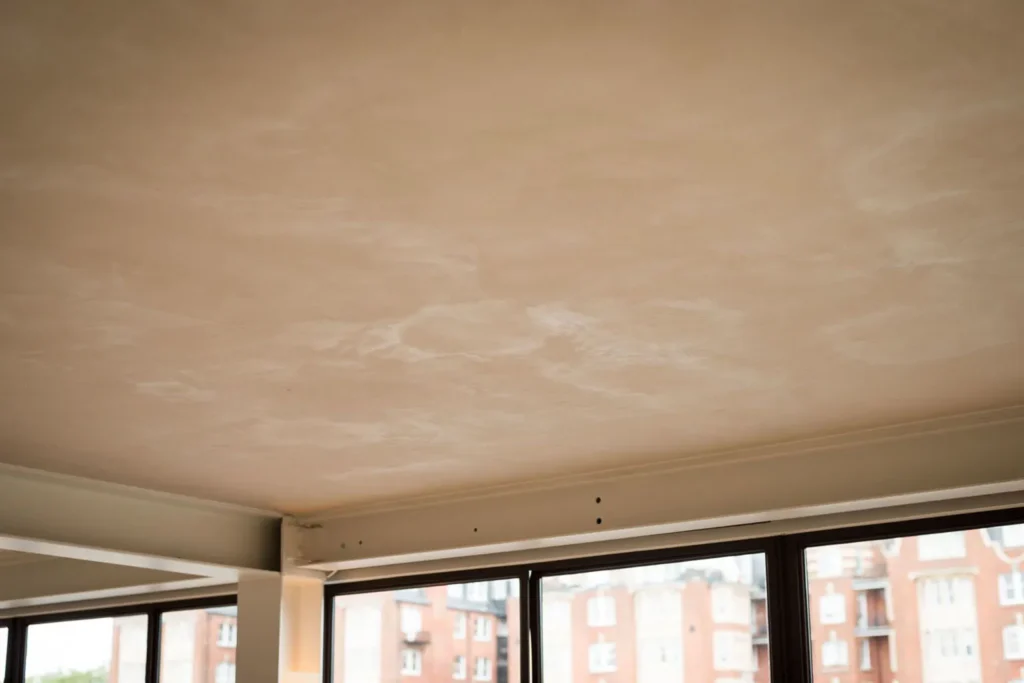
Re-skimming ceilings eliminates textured patterns that date properties and make decorating difficult. Stipple, swirl, bark, and other Artex finishes vanish beneath professional skim coats, leaving smooth surfaces ready for paint. Skilled ceiling work requires experience — working overhead, managing drying times, avoiding joins — delivering flat finishes that transform room appearances.

Professional patch plastering fixes localised damage without the disruption of full re-skimming. Impact holes, cable chases, removed fixtures, and cracked sections respond to targeted repair work that blends invisibly with existing surfaces. Experienced plasterers match textures, feather edges, and finish seamlessly — patches that paint over perfectly and stay hidden permanently.
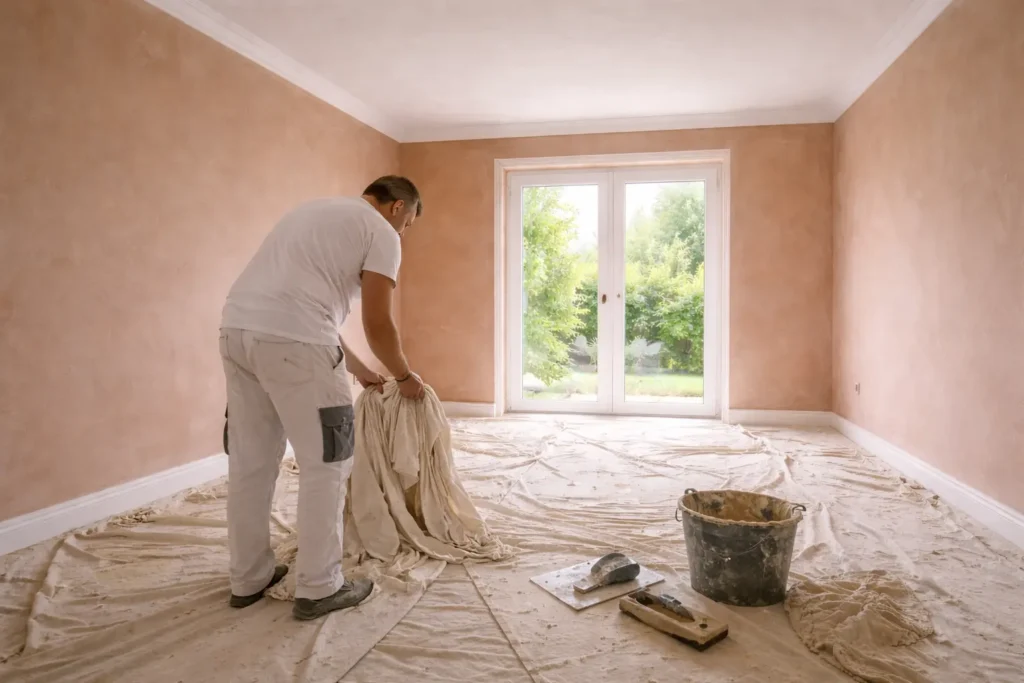
New construction plastering delivers smooth finishes on freshly installed plasterboard throughout your project. Kitchen extensions, loft conversions, and new builds all require professional jointing, taping, and skimming to create walls ready for decoration. Quality preparation and skilled application ensure seamless surfaces that won’t crack or show joints over time.
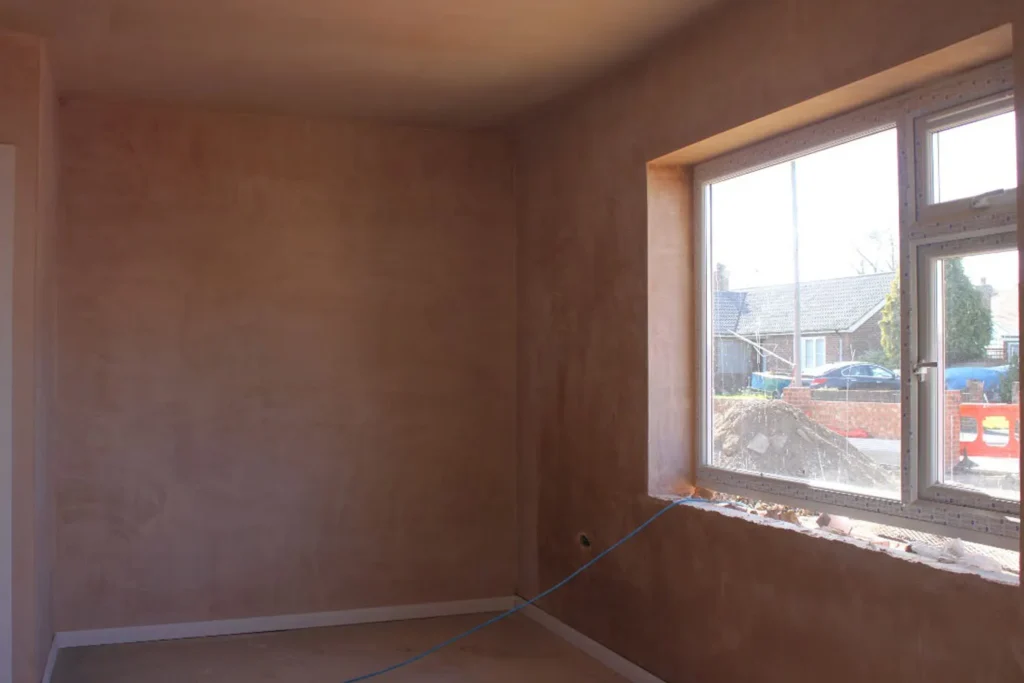
Full room skimming transforms entire spaces with consistent smooth finishes across all walls and ceilings. Complete re-plastering creates uniform surfaces throughout — no mismatched textures, no patchy areas, just seamless results from floor to ceiling. Professional plasterers work room by room, ensuring consistent coverage and quality finishing that makes decorating straightforward and results impressive.
The finish you get depends entirely on who holds the trowel. Here’s the honest breakdown of how we approach skimming work throughout Milnsbridge.
Plastering from Huddersfield University campus through Queensgate Market to Ring Road inner builds understanding of what Milnsbridge walls actually contain. Old lime that’s gone powdery, hard gypsum that’s cracked with movement, board that’s absorbed moisture — recognising conditions fast comes from local repetition.
Full room re-skims where everything matches, single walls after radiator moves, ceilings following leak repairs, new boards in extensions — the scope varies but the preparation discipline stays constant across Milnsbridge.
Most Milnsbridge homes are victorian terraces or modern student flats with 2.3m to 2.6m (7.5ft – 8.5ft) ceilings. Working continuously on these property types develops pattern recognition — spotting preparation requirements quickly based on accumulated experience.
Your call goes straight to the local tradesman covering Milnsbridge — someone who can discuss existing wall types, explain preparation options, and give honest expectations about what’s needed for smooth, lasting finishes.
They’ll ask practical questions — what’s on the walls now, how many rooms, any known problems. Assessment timing gets arranged based on availability, ensuring proper site evaluation before providing detailed quotations.
Site visits involve proper surface reading — tapping for delamination, checking absorption rates, identifying weak spots, noting previous work quality. You understand preparation requirements before committing. Quotes match actual wall condition.
Work happens systematically — thorough preparation, even coating, skilled finishing while plaster’s workable. Protection throughout, cleanup after. You’ll know specific drying times, when mist coat application should happen, and how soon full decoration can begin.
Skimming questions tend to follow patterns — how’s it done, how long’s it take, when can I decorate. Clear answers below, nothing complicated.
Duration depends on what the walls need, not just room dimensions. Sound surfaces needing simple re-skimming complete faster than blown plaster requiring strip-back. Standard bedroom typically takes a day on good walls, longer with preparation complications. You’ll receive realistic timing after surface inspection.
Some do, some don’t — existing condition decides. Sound plaster gets keyed and skimmed over. Hollow-sounding blown areas need removing. Multiple heavy coats might require stripping back. Assessment reveals what preparation your surfaces genuinely require.
Skimming applies thin finish layers over existing prepared surfaces. Plastering covers broader scope — base coats on masonry, render application, building depth. Typical home work involves skim finishing over existing plaster rather than full plastering systems from bare walls.
Paint type and thickness matter. Light matt emulsion on sound plaster skims after proper keying. Heavy paint buildup, gloss finishes, or silk coatings prevent adequate bonding — typically requiring stripping or specialist treatment. Assessment determines your wall requirements.
Allow surfaces to dry properly before painting — 2-4 days minimum in ventilated rooms, though complete curing takes 2-3 weeks. Apply mist coat first with watered-down emulsion. Early decoration causes peeling and blistering issues.
Fill out the form or call now to speak directly to the plasterer covering your area. No call centres, no delays – just clear answers and fast action.
Your details are safe – we only use them to respond to your enquiry
Professional skimming operates throughout Milnsbridge. Local knowledge of housing types, construction methods, and wall characteristics that determine preparation needs and finishing approaches.