
Rough walls transformed into smooth, paintable surfaces. Proper skimming throughout Luddenden Foot — surfaces assessed correctly, prepared thoroughly, finished to standards that show under any light.
Getting walls skimmed shouldn’t involve a research project. Posting online, comparing reviews, fielding calls from multiple tradesmen — it’s exhausting before anyone’s even picked up a trowel. Direct access to a proven plasterer simplifies everything.
Our approach is more straightforward.
One experienced plasterer covers skimming work across Luddenden Foot. Direct contact eliminates platform delays — you speak to the tradesman who’ll actually transform your walls into smooth, paintable surfaces.
Skim coat requirements differ between properties and rooms. Bathrooms following re-tiling need different prep than living rooms after wallpaper removal, and each situation benefits from experienced professional assessment and appropriate technique.
Check out the information below to see if we cover what you need. If it matches your situation, get in contact. If not, no worries at all — thanks for having a look.

Expert wall skimming creates lasting smooth finishes that transform tired rooms into fresh, modern spaces. Damaged plaster, rough render, and patchy surfaces respond to professional re-skimming that delivers flat, even walls throughout. Quality preparation, skilled application, and attention to finishing details ensure results that look right, last well, and make decorating simple.
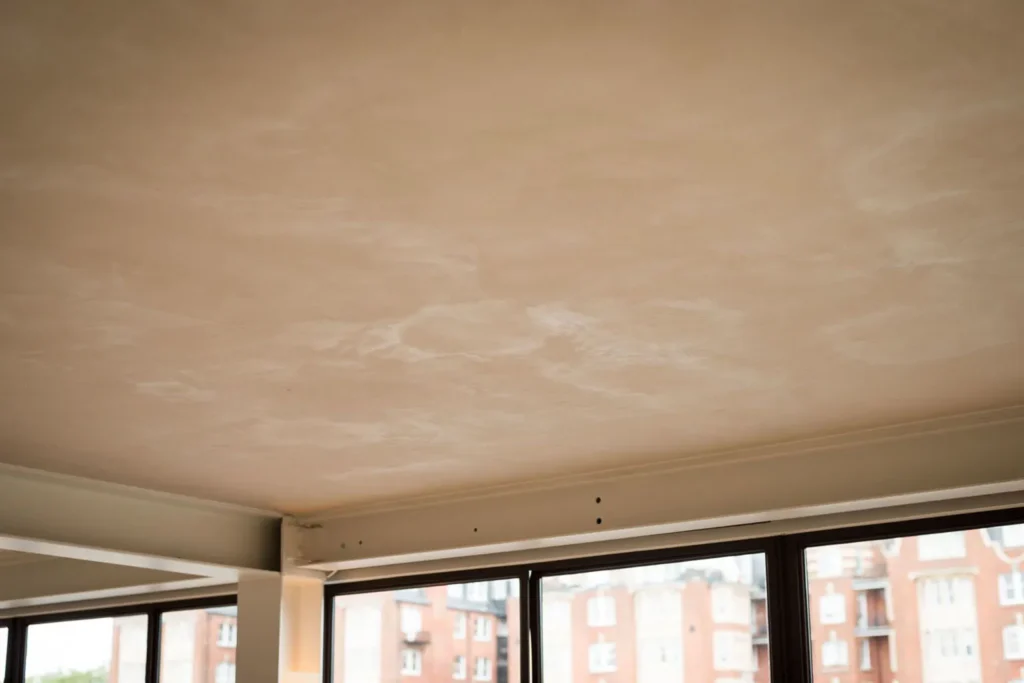
Ceiling skim plastering transforms overhead surfaces from dated eyesores into clean, modern finishes. Whether covering old Artex, repairing water damage, or refreshing tired plasterwork, professional skimming delivers flat ceilings throughout your home. Experienced tradesmen handle the demands of overhead work — proper preparation, consistent application, smooth finishing — for results that last.

Seamless plaster patching fixes visible damage through skilled preparation and blending technique. Holes, dents, cracks, and damaged sections get properly filled and skim coated to match surrounding walls. Professional feathering ensures invisible edges — repairs that paint over perfectly without showing through any decorative finish.
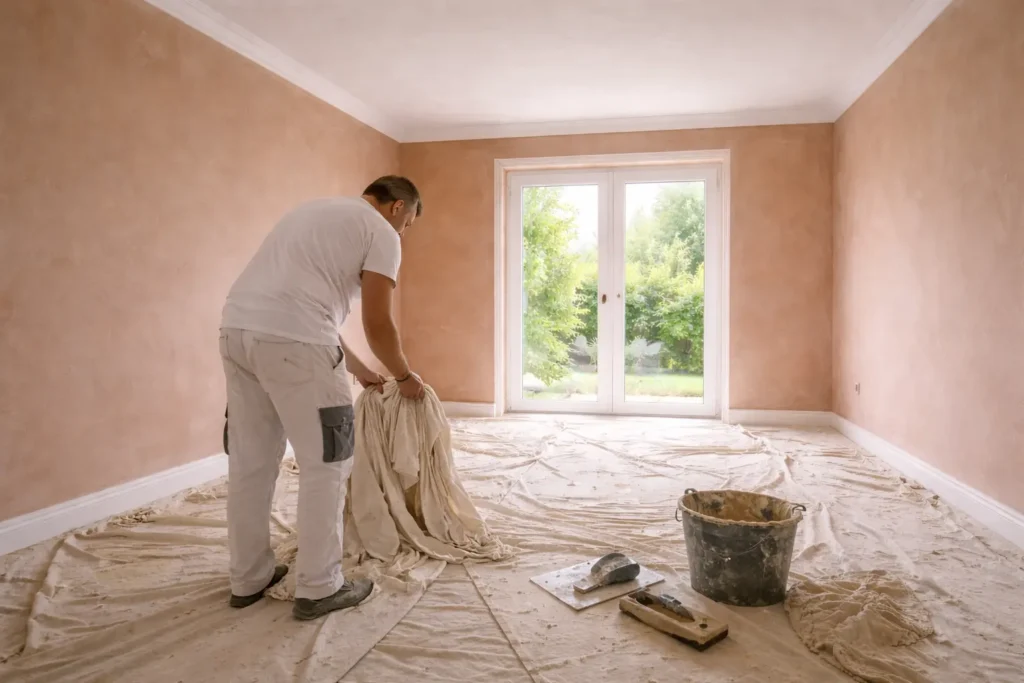
Quality plasterboard finishing completes construction projects with smooth, decoration-ready surfaces throughout. Extensions, loft rooms, and garage conversions all need professional taping and skimming to transform raw boards into finished walls. Skilled plasterers deliver seamless results — invisible joints, consistent coverage, professional finishing — spaces ready for decorating.
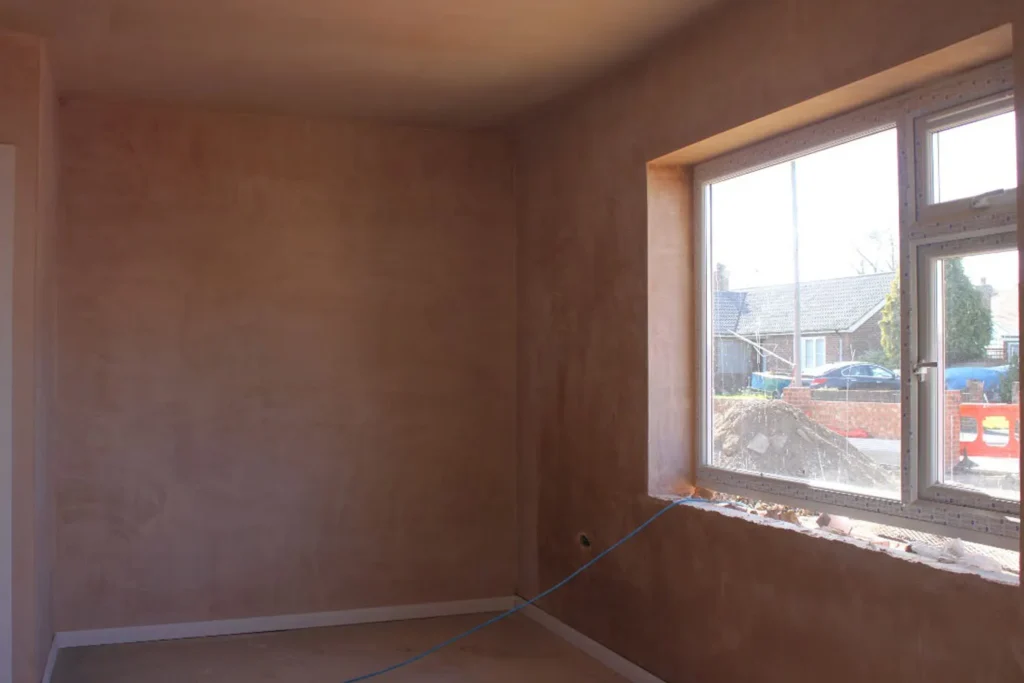
Whole room re-skimming delivers total transformation with consistent professional finishes everywhere. Walls and ceilings receive complete attention — unified textures, even coverage, quality results from floor to ceiling. Experienced tradesmen work systematically, creating smooth surfaces that renew entire rooms and make decorating straightforward.
Skimming looks easy until you try it yourself. Here’s the trade knowledge behind our consistently smooth finishes across Luddenden Foot.
Working near Skircoat Moor means older properties with solid walls. Toward Beacon Hill the housing ages shift. Around Skircoat Green it’s mixed. That Luddenden Foot knowledge lets us estimate accurately before touching the surface — fewer surprises once preparation begins.
New plasterboard drinks moisture unevenly, old lime plaster grabs too fast, painted surfaces reject bonding — preparation solves each problem differently. Skimming success across Luddenden Foot starts with understanding what you’re coating.
For the most part victorian terraces and stone cottages make up most of Luddenden Foot, typically with 2.5m to 2.7m (8.2ft – 8.9ft) ceilings. Those building types share common features — similar construction eras, comparable materials, predictable issues. Understanding the patterns improves every job.
Your message reaches the plasterer personally — not a middleman scheduling appointments blind. You discuss existing wall condition, preparation requirements, and finishing expectations with the tradesman who’ll actually do the work across Luddenden Foot.
Initial questions establish the scope — surface types, room count, known problems, finish expectations. The plasterer uses this to plan assessment requirements, then schedules a convenient visit to inspect walls properly and quote accurately.
Assessment includes thorough surface checking — hollow spots, suction differences, failed previous coats, damp indicators. You’ll know what preparation’s required before work begins. Clear quotes follow, based on actual wall condition rather than estimates from descriptions.
Work follows proper sequence — preparation, first coat, second coat, finishing. Dust sheets protect flooring and furniture throughout. Comprehensive cleanup follows completion. You’ll understand drying stages, mist coat requirements, and realistic timelines for decorating.
The usual skimming queries — how walls get prepared, how long it takes, when paint goes on. Straightforward answers, no jargon.
A typical room with reasonable walls takes around a day to complete. Surface condition affects timing more than room size — walls needing stripping, bonding, or extensive prep work add time. Ceiling skimming alongside walls adds half a day typically. Assessment provides accurate scheduling for your specific surfaces.
Not always — it depends on existing surface condition. Sound plaster that’s firmly attached just needs keying and coating. Blown plaster that sounds hollow when tapped needs removing. Multiple previous coats building thickness sometimes require stripping. Assessment determines what your specific walls need — some skim straight over, others need work first.
Skimming means applying thin finish coats over existing plaster. Full plastering involves heavier work — base coats on brick or block, render layers, building depth where needed. Typical home work involves re-skimming surfaces rather than starting from bare masonry.
Depends on the paint and what’s beneath. Thin matt emulsion over good plaster skims after proper keying preparation. Thick paint layers, gloss finishes, or silk coatings prevent proper adhesion — usually needing removal or bonding treatment. Assessment determines requirements for your surfaces.
New plaster requires proper drying — typically 2-4 days minimum, longer for full curing. Mist coat first using watered-down emulsion to seal surfaces correctly. Decorating too early risks adhesion failures, peeling, and blistering.
Fill out the form or call now to speak directly to the plasterer covering your area. No call centres, no delays – just clear answers and fast action.
Your details are safe – we only use them to respond to your enquiry
Skimming services cover all areas across Luddenden Foot. Local expertise in housing stock characteristics, typical wall conditions, and preparation approaches that create smooth results on these specific surfaces.