
Walls that take paint properly start with proper skimming. Flat, smooth finishes across Elmbridge — preparation done right, coats applied evenly, surfaces ready for whatever decoration you’re planning.
The quote-comparison approach works in theory but creates headaches in practice. Three plasterers, three prices, three availability windows — and you’re still not sure who’ll do the best job. Direct access to one reliable professional solves that.
Our system prioritises quality over quantity.
We keep things simple: one skilled tradesman covers Elmbridge. Contact them directly when you need skimming, and they’ll assess your walls without the delays of competitive quoting or platform coordination.
Skimming work varies significantly depending on existing conditions. Sound plaster just needs re-coating, compromised areas need stripping back, and new boards need proper preparation — identifying the starting point ensures professional finishes.
Have a look below at what’s included in our skimming service. If it covers your situation, get in touch and we’ll respond fast. If not, that’s absolutely fine — thanks for your time.

Professional wall re-skimming solves surface problems that paint alone can’t fix. Rough textures, visible repairs, and uneven plaster need proper skim coating to create smooth, consistent walls. Skilled tradesmen assess conditions, prepare surfaces correctly, and apply quality finishes that hide imperfections completely — delivering walls ready for any decorative treatment you’re planning.
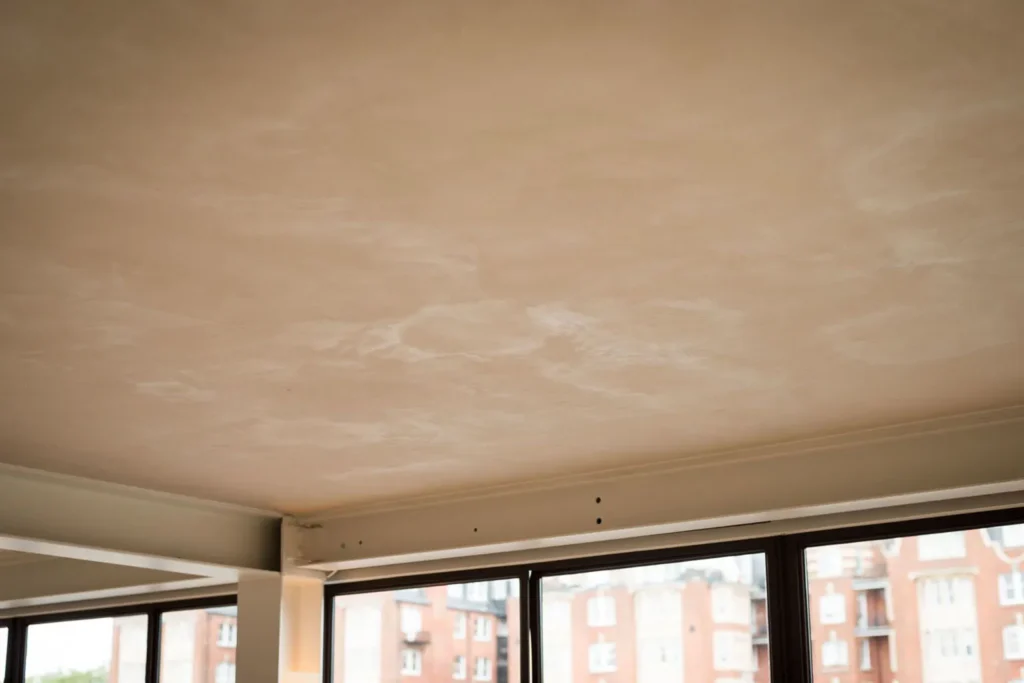
Ceiling skimming creates smooth, flat overhead surfaces that transform how rooms look and feel. Textured ceilings, Artex patterns, and damaged plaster disappear beneath professional skim coats applied by experienced plasterers. Working overhead requires specific technique — consistent coverage, proper drying between coats, and seamless finishing — delivering ceilings that reflect light evenly and make rooms feel fresh and modern.

Expert patch plastering makes repairs invisible through skilled blending and finishing technique. Localised damage gets properly prepared and skim coated with careful feathering into surrounding surfaces. Professional tradesmen match existing textures and finishes exactly — patches that paint over seamlessly and stay hidden permanently without requiring full wall re-skimming.
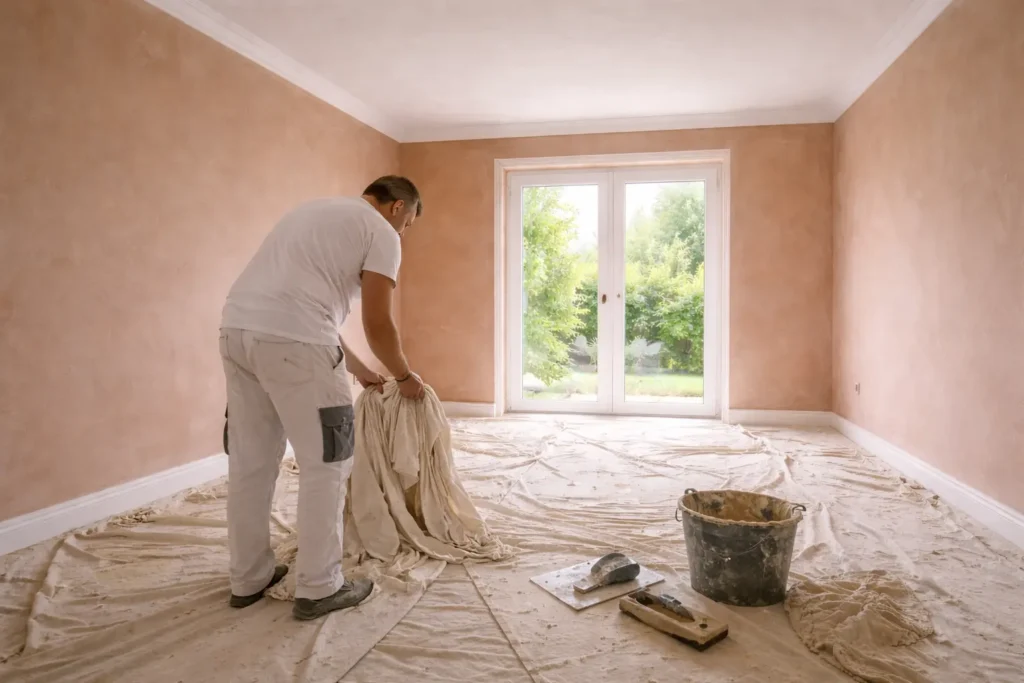
Professional plasterboard plastering finishes new spaces to high standards ready for decoration. Loft conversions, extensions, and new builds need expert joint treatment and skim coating to create smooth, consistent surfaces. Skilled plasterers tape invisibly, apply even coverage, and finish professionally — walls that look right from day one and stay that way.
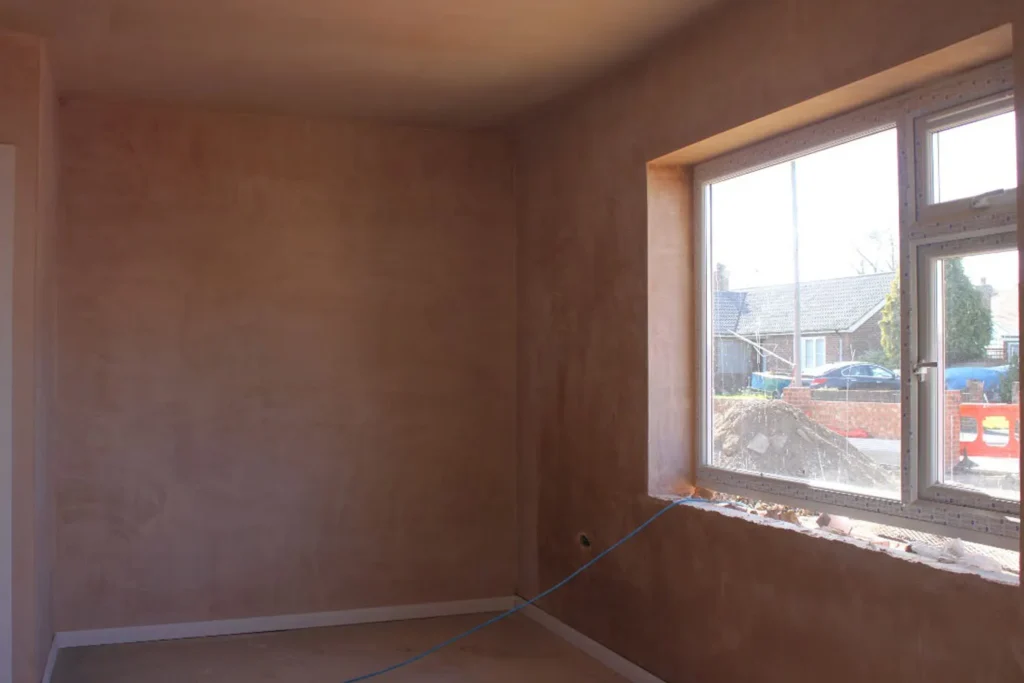
Complete re-plastering transforms whole rooms with consistent smooth surfaces from every angle. Full wall and ceiling skimming ensures unified finishes throughout — same quality everywhere, seamless results, professional standards. Skilled tradesmen work efficiently, delivering even coverage that refreshes entire spaces and simplifies decorating.
The trowel marks that disappear wet can reappear under paint. Here’s why our finishing technique creates surfaces that stay flat across Elmbridge.
Properties near St Jamess Church tend toward solid nine-inch walls with lime plaster. Toward Quedgeley Industrial Park you hit more cavity construction with gypsum. Out near Bristol Road retail parks the estates are mostly board. Knowing Elmbridge’s building history makes preparation instinctive.
Some walls need PVA, some need bonding, some just need a wipe down. Ceilings that look sound can be ready to delaminate. We check everything first across Elmbridge — proper assessment prevents the callbacks that rushed preparation causes.
The typical Elmbridge home — modern estates or 1980s housing with 2.4m to 2.6m (7.9ft – 8.5ft) ceilings — has walls we’ve skimmed hundreds of times. That repetition builds instinct about what preparation works, what problems to check for, and where shortcuts cause failures.
When you get in touch, the tradesman answers — same person who’ll assess your surfaces and apply the skim coats. Conversations about wall condition, preparation needs, and finishing standards happen with someone qualified to give proper answers.
Initial chat covers the essentials — current wall condition, work scope, any known problems. The plasterer asks about previous finishes, room usage, and preparation access. Assessment gets booked for convenient mutual timing to inspect surfaces properly before quoting.
On-site evaluation means hands-on wall assessment — tapping surfaces, testing adhesion, checking for damp, noting inconsistencies. The plasterer explains findings and preparation requirements. Pricing reflects genuine surface condition, not optimistic assumptions.
Jobs happen professionally — thorough prep, even application, timely finishing work. Furniture and floors get protected properly, and comprehensive cleanup follows. You receive specific advice about drying periods, mist coating, and when full decorating can start.
Before booking skimming work, most people want to know the same things — preparation, timing, costs, drying. Here’s the honest detail on what to expect.
Completion time depends heavily on wall condition. Average bedroom on sound plaster takes roughly a day. Poor surfaces needing preparation work take longer — sometimes considerably. Ceiling work adds time. Assessment reveals what your walls actually require.
Not necessarily — wall condition dictates approach. Solid existing plaster skims over after proper preparation. Blown sections need stripping. Heavy buildup from previous work may require removal. Assessment identifies what each wall actually needs.
Skimming applies thin finish coats over prepared surfaces — creating smooth walls from existing plaster. Plastering includes thicker applications like base coats on bare walls, rendering, or depth building. Typical home re-finishing means skimming over what’s there, not starting from scratch.
Paint type affects adhesion significantly. Light matt emulsion can receive skim after surface keying. Gloss finishes, silk coatings, or thick paint layers prevent proper bonding — typically requiring removal or specialist preparation. Assessment determines the right approach for your surfaces.
Standard skimming dries surface-ready within 2-4 days typically, though full curing extends to 2-3 weeks. Mist coat application first — watered-down matt emulsion sealing porous surfaces — then proper decoration. Insufficient drying causes paint failures.
Fill out the form or call now to speak directly to the plasterer covering your area. No call centres, no delays – just clear answers and fast action.
Your details are safe – we only use them to respond to your enquiry
Skimming work covers the complete Elmbridge region. Local understanding of property construction, typical plaster conditions, and preparation methods that suit these specific housing types.