
Rough walls transformed into smooth, paintable surfaces. Proper skimming throughout Mount Vernon — surfaces assessed correctly, prepared thoroughly, finished to standards that show under any light.
Posting skimming jobs online generates responses but not necessarily the right ones. Some quote low to win work then find extras, others quote high hoping you won’t check. Working directly with an established tradesman avoids the games.
We’ve simplified the whole process.
One reliable plasterer handles skimming across Mount Vernon. Your call or form goes straight to the person who’ll actually do the work at your home — no intermediaries, no quote comparisons, just direct professional contact.
Professional skimming handles various wall states. Patchy repairs need blending, full rooms need consistent coverage, and ceilings need careful technique to avoid visible joins — experienced assessment determines the right approach for lasting results.
See what we handle below and decide if we’re the right people for your job. If yes, contact us and we’ll get things moving. If no, that’s completely fine — thanks for checking.

Flawless wall finishes require professional skimming from tradesmen who understand surface preparation and application technique. Rough walls, patchy repairs, and textured surfaces transform into smooth canvases ready for paint or paper. Quality materials, proper preparation, and skilled application combine to create lasting results — walls that stay flat, take decoration evenly, and look professionally finished.
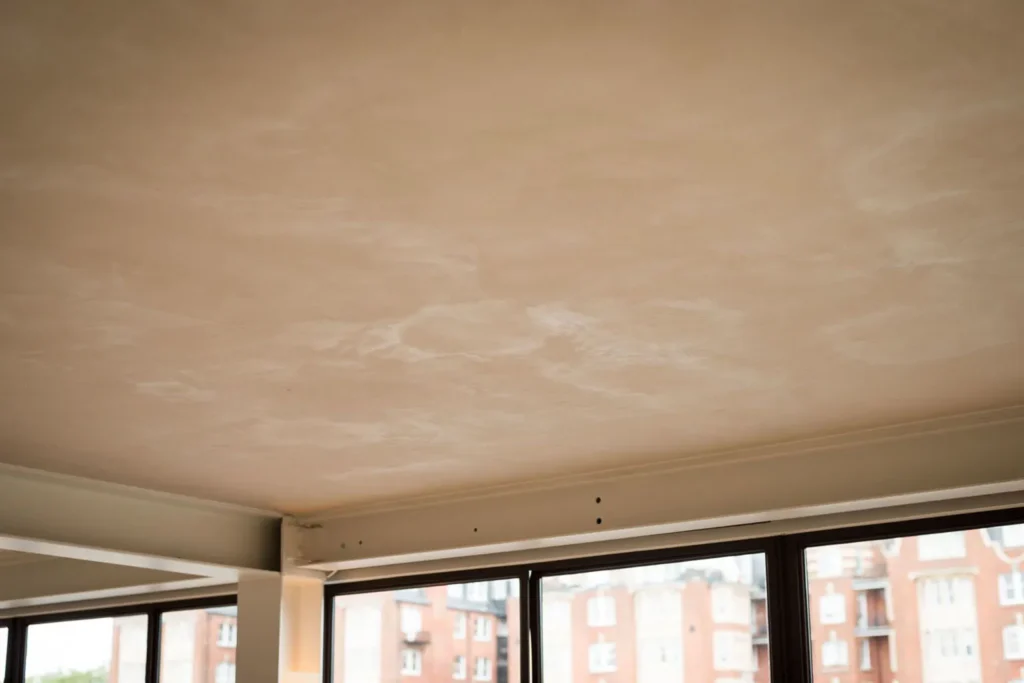
Ceiling skimming creates smooth, flat overhead surfaces that transform how rooms look and feel. Textured ceilings, Artex patterns, and damaged plaster disappear beneath professional skim coats applied by experienced plasterers. Working overhead requires specific technique — consistent coverage, proper drying between coats, and seamless finishing — delivering ceilings that reflect light evenly and make rooms feel fresh and modern.

Expert patch plastering makes repairs invisible through skilled blending and finishing technique. Localised damage gets properly prepared and skim coated with careful feathering into surrounding surfaces. Professional tradesmen match existing textures and finishes exactly — patches that paint over seamlessly and stay hidden permanently without requiring full wall re-skimming.
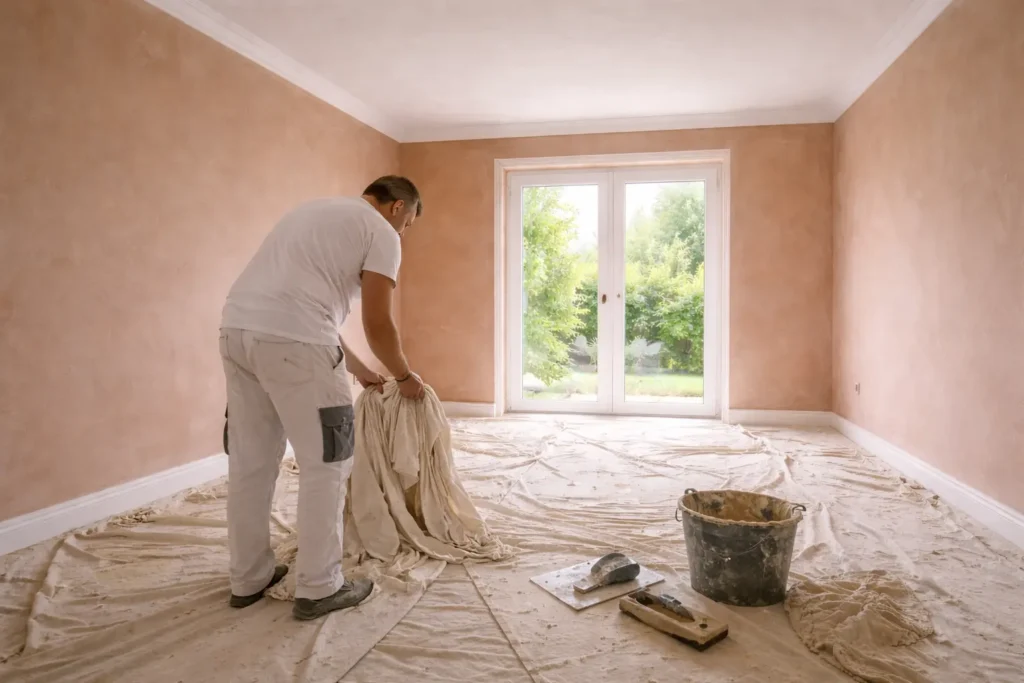
Quality plasterboard finishing completes construction projects with smooth, decoration-ready surfaces throughout. Extensions, loft rooms, and garage conversions all need professional taping and skimming to transform raw boards into finished walls. Skilled plasterers deliver seamless results — invisible joints, consistent coverage, professional finishing — spaces ready for decorating.
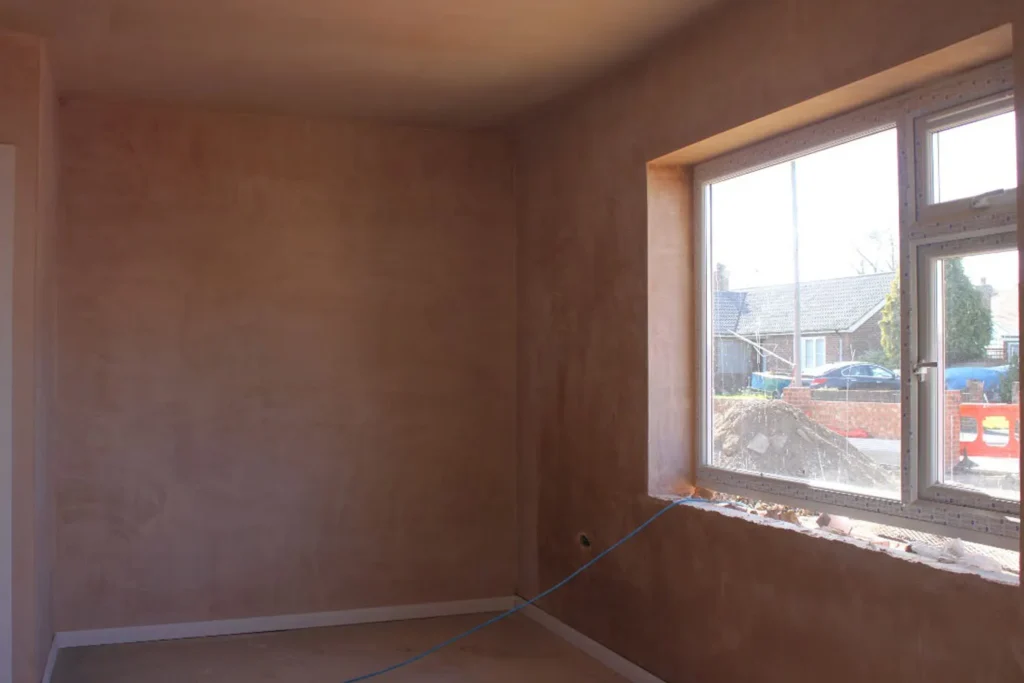
Full room skimming transforms entire spaces with consistent smooth finishes across all walls and ceilings. Complete re-plastering creates uniform surfaces throughout — no mismatched textures, no patchy areas, just seamless results from floor to ceiling. Professional plasterers work room by room, ensuring consistent coverage and quality finishing that makes decorating straightforward and results impressive.
Picking a plasterer for skimming isn’t straightforward — prices vary, quality varies, and you can’t see the difference until paint goes on. Here’s what we offer across Mount Vernon.
Plastering from Mount Vernon Shopping Centre to Mount Vernon Station and across to Sandyhills for years teaches you what Mount Vernon walls are actually made of. The Victorian terraces have lime underneath. The inter-war semis have hard pink gypsum. The estates have lightweight board. Each needs handling differently.
Suction that varies across a single wall, corners where old meets new, areas where previous coats are failing — these complications appear constantly. Solving them properly across Mount Vernon separates lasting finishes from early failures.
For the most part semi-detached houses and council housing make up most of Mount Vernon, typically with 2.4m to 2.6m (7.9ft – 8.5ft) ceilings. Those building types share common features — similar construction eras, comparable materials, predictable issues. Understanding the patterns improves every job.
Your call reaches the plasterer who’ll actually skim your walls — not an office worker reading from a script. You discuss surface conditions, room layouts, and realistic timelines with someone who’s spent years reading walls and knows what questions matter.
Initial questions establish the scope — surface types, room count, known problems, finish expectations. The plasterer uses this to plan assessment requirements, then schedules a convenient visit to inspect walls properly and quote accurately.
Wall inspection includes hands-on assessment — tapping hollow sections, testing suction, checking for blown areas, noting repair history. Preparation needs get explained simply. Pricing reflects genuine surface condition found on site.
Work gets completed to standard — proper preparation stages, quality application, careful finishing technique. Dust sheets go down, cleanup follows completion. You’ll know about drying requirements, mist coat application, and when surfaces are ready for full decoration.
Practical questions deserve practical answers — preparation requirements, job duration, drying times. Here’s what you need to know about skimming work.
Completion time depends heavily on wall condition. Average bedroom on sound plaster takes roughly a day. Poor surfaces needing preparation work take longer — sometimes considerably. Ceiling work adds time. Assessment reveals what your walls actually require.
Surface condition governs preparation requirements. Well-bonded existing plaster takes skim coats directly. Blown sections need removal. Thick previous coats sometimes require stripping. Assessment identifies what your walls actually need rather than assuming worst-case scenarios.
Skimming applies thin finish coats over prepared surfaces — creating smooth walls from existing plaster. Plastering includes thicker applications like base coats on bare walls, rendering, or depth building. Typical home re-finishing means skimming over what’s there, not starting from scratch.
Some can, some can’t — paint type determines approach. Light matt emulsion over sound plaster receives skim after keying. Gloss, silk, or heavy paint coatings create bonding issues — often needing stripping or specialist preparation. Assessment reveals requirements.
New plaster needs drying time before paint. Surface usually appears dry within 2-4 days, but complete curing takes 2-3 weeks depending on thickness and ventilation. Mist coat with watered-down emulsion before proper painting — rushing risks adhesion failures.
Fill out the form or call now to speak directly to the plasterer covering your area. No call centres, no delays – just clear answers and fast action.
Your details are safe – we only use them to respond to your enquiry
Skimming services cover all areas across Mount Vernon. Local expertise in housing stock characteristics, typical wall conditions, and preparation approaches that create smooth results on these specific surfaces.