
Walls ready for anything — paint, paper, whatever you’re planning. Quality skimming throughout Lightburn that starts with proper assessment and ends with surfaces that perform.
Getting walls skimmed shouldn’t involve a research project. Posting online, comparing reviews, fielding calls from multiple tradesmen — it’s exhausting before anyone’s even picked up a trowel. Direct access to a proven plasterer simplifies everything.
Our skimming service cuts out the noise.
One reliable plasterer covers Lightburn. When you need skimming done properly, you reach them directly — the same person responds, attends, and completes quality work without platform complications.
Skimming requirements vary between properties. Victorian solid walls behave differently than modern plasterboard, and each surface type needs appropriate preparation and application — recognising these differences ensures professional finishes throughout.
Have a look below at what’s included in our skimming service. If it covers your situation, get in touch and we’ll respond fast. If not, that’s absolutely fine — thanks for your time.

Flawless wall finishes require professional skimming from tradesmen who understand surface preparation and application technique. Rough walls, patchy repairs, and textured surfaces transform into smooth canvases ready for paint or paper. Quality materials, proper preparation, and skilled application combine to create lasting results — walls that stay flat, take decoration evenly, and look professionally finished.
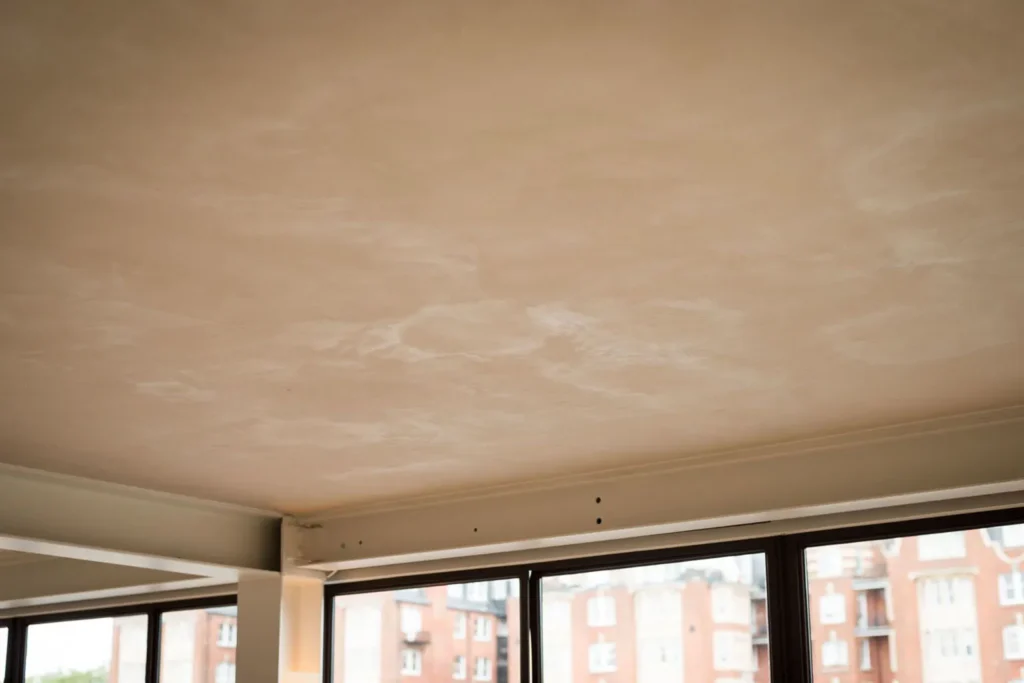
Ceiling skim coats create clean, modern overhead finishes that brighten rooms and update tired interiors. Old Artex, damaged plaster, and uneven surfaces vanish beneath professional skimming applied by experienced tradesmen. Quality preparation, skilled application, and attention to detail ensure ceilings that look right and stay smooth for years.

Professional patch skimming restores localised damage without full room replastering. Impact holes, cable chases, and cracked sections respond to targeted repairs that blend perfectly with surrounding plaster. Experienced tradesmen match textures and finishes exactly — patches that disappear completely and save the cost of larger-scale work.
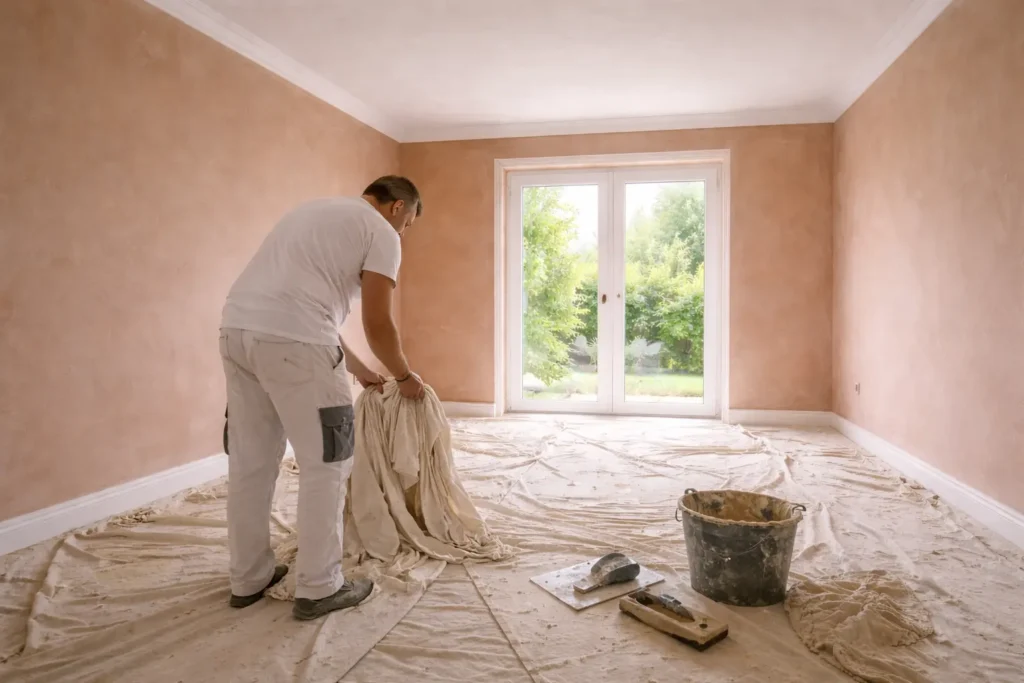
New build skim plastering creates flawless walls from freshly installed plasterboard. Extensions, conversions, and renovation projects require expert joint treatment and smooth skim coats to deliver decoration-ready surfaces. Experienced plasterers work methodically — proper preparation, quality application, clean finishing — transforming construction into comfortable living spaces.
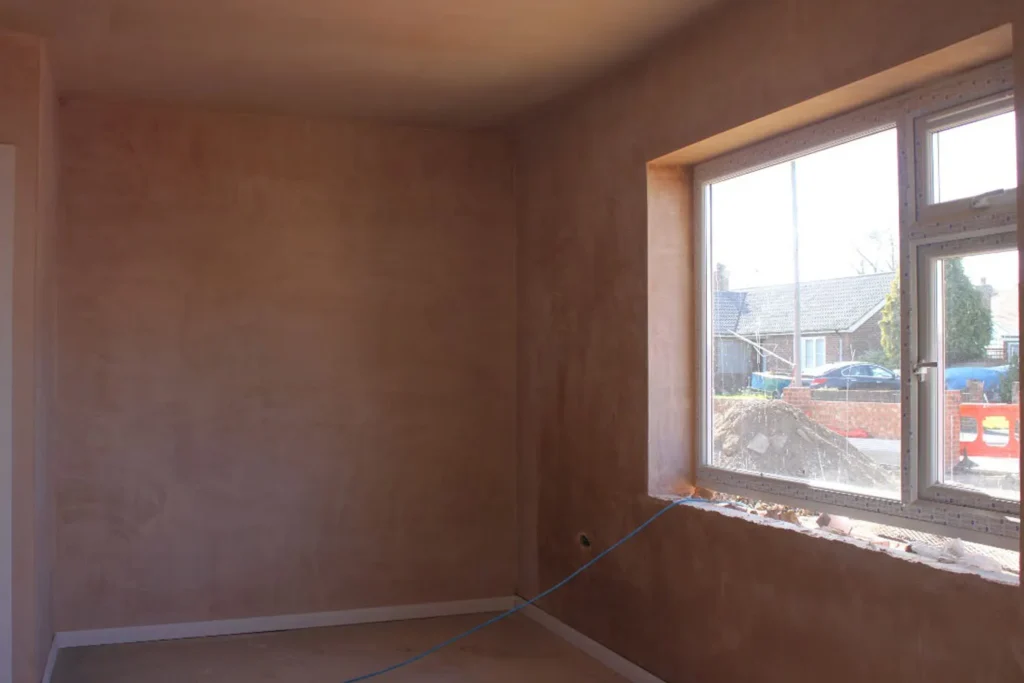
Full room skimming transforms entire spaces with consistent smooth finishes across all walls and ceilings. Complete re-plastering creates uniform surfaces throughout — no mismatched textures, no patchy areas, just seamless results from floor to ceiling. Professional plasterers work room by room, ensuring consistent coverage and quality finishing that makes decorating straightforward and results impressive.
Picking a plasterer for skimming isn’t straightforward — prices vary, quality varies, and you can’t see the difference until paint goes on. Here’s what we offer across Lightburn.
Properties near Lightburn Hospital tend toward solid nine-inch walls with lime plaster. Toward Bogbain Road you hit more cavity construction with gypsum. Out near Carmyle the estates are mostly board. Knowing Lightburn’s building history makes preparation instinctive.
Suction that varies across a single wall, corners where old meets new, areas where previous coats are failing — these complications appear constantly. Solving them properly across Lightburn separates lasting finishes from early failures.
The typical Lightburn home — semi-detached houses or modern estates with 2.4m to 2.7m (7.9ft – 8.9ft) ceilings — has walls we’ve skimmed hundreds of times. That repetition builds instinct about what preparation works, what problems to check for, and where shortcuts cause failures.
When you get in touch, the tradesman answers — same person who’ll assess your surfaces and apply the skim coats. Conversations about wall condition, preparation needs, and finishing standards happen with someone qualified to give proper answers.
Initial chat covers the essentials — current wall condition, work scope, any known problems. The plasterer asks about previous finishes, room usage, and preparation access. Assessment gets booked for convenient mutual timing to inspect surfaces properly before quoting.
Wall inspection covers practical concerns — is the existing plaster sound, does suction vary, are there damp issues, what’s been done before. You’ll understand preparation requirements clearly. Pricing reflects real surface condition.
Work happens systematically — thorough preparation, even coating, skilled finishing while plaster’s workable. Protection throughout, cleanup after. You’ll know specific drying times, when mist coat application should happen, and how soon full decoration can begin.
Planning plastering work brings practical questions — preparation needs, realistic timelines, decoration timing. Here’s the straightforward information most people ask for.
Standard room skimming typically takes a day on reasonable surfaces. Problem walls needing serious preparation extend timing considerably. Ceiling inclusion adds hours. Surface condition varies hugely between properties — assessment provides accurate scheduling for your specific walls.
Stripping depends on what’s there already. Firmly attached plaster in good condition skims over directly. Hollow-sounding blown areas need removing. Thick multi-coat buildup sometimes requires stripping back. Wall assessment reveals which approach your surfaces need.
Skimming applies thin finish coats over existing surfaces — typically 2-3mm thickness creating smooth, paintable walls. Plastering involves thicker applications — base coats on bare brick, render layers, or building up depth where needed. Most domestic re-finishing work involves skimming over existing plaster rather than full plastering from scratch.
Depends on what paint and how much. Thin matt emulsion takes skim after keying preparation. Thick layers, gloss finishes, or silk coatings cause adhesion problems — usually requiring removal or bonding agent application. Assessment identifies the right approach for your surfaces.
Allow 2-4 days minimum for surface drying in well-ventilated rooms, longer for complete curing. New plaster needs mist coat first — diluted matt emulsion seals the porous surface for proper paint adhesion. Rushing decoration risks peeling and blistering.
Fill out the form or call now to speak directly to the plasterer covering your area. No call centres, no delays – just clear answers and fast action.
Your details are safe – we only use them to respond to your enquiry
Professional skimming covers all locations across Lightburn. Local knowledge of housing types, original construction methods, and surface characteristics that affect preparation requirements and finishing quality.