
Smooth walls aren’t luck — they’re preparation meeting technique. Professional skimming across Rose Hill that delivers flat, lasting surfaces ready for paint or paper.
Getting clean, smooth walls shouldn’t involve managing a procurement process. The big platforms turn simple skimming jobs into comparison exercises that waste your time. One phone call to a trusted tradesman gets better results faster.
We keep things direct.
We keep things simple: one skilled tradesman covers Rose Hill. Contact them directly when you need skimming, and they’ll assess your walls without the delays of competitive quoting or platform coordination.
Skimming work varies significantly depending on existing conditions. Sound plaster just needs re-coating, compromised areas need stripping back, and new boards need proper preparation — identifying the starting point ensures professional finishes.
Read through what’s covered below and see if it fits your project. If it does, we’re here to help — just call or message. If it doesn’t quite match, that’s absolutely fine.

Re-skimming walls creates the perfect foundation for any decorative finish you’re planning. Old plaster, damaged surfaces, and uneven textures disappear beneath smooth skim coats applied by experienced local plasterers. Proper technique ensures consistent coverage, clean edges, and durable results — walls transformed from rough to ready, making your decorating project straightforward.
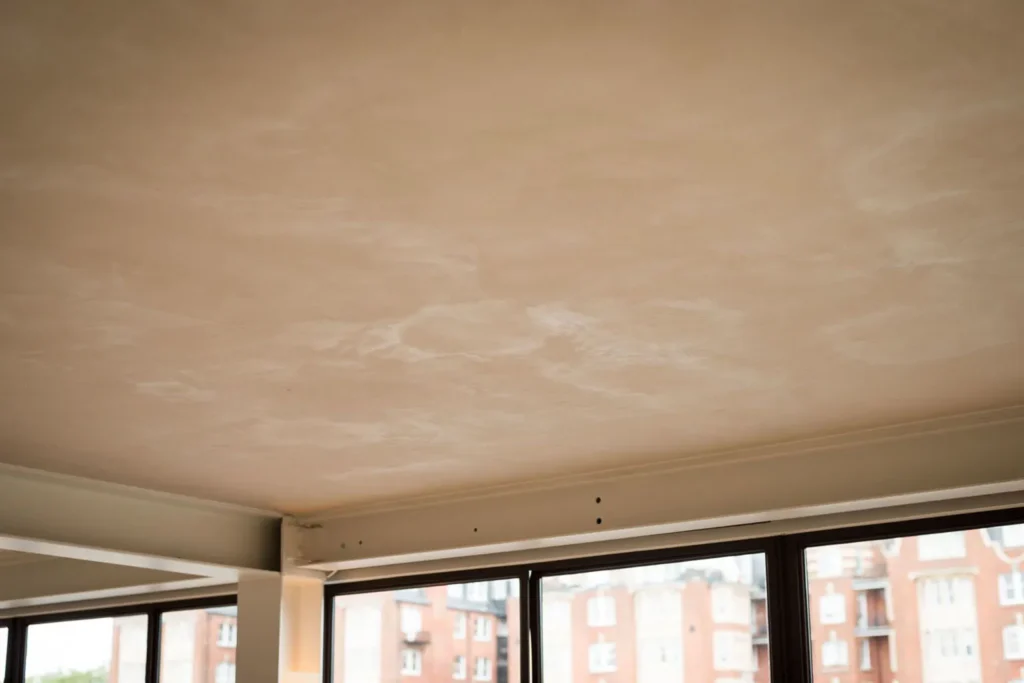
Professional ceiling re-skimming removes outdated textures and creates clean, contemporary finishes throughout your home. Artex patterns, stippled surfaces, and swirl textures all respond to expert skimming that delivers flat, smooth ceilings. Skilled plasterers work methodically overhead, ensuring even coverage without joins or imperfections — ceilings that look right and make decorating straightforward.

Targeted repair skimming handles damage efficiently without extensive disruption or cost. Holes from fixtures, cracks from settlement, and impact damage all respond to professional patching that blends invisibly. Skilled plasterers feather edges, match textures, and finish seamlessly — repairs that stay hidden and restore walls to consistent smooth finishes.
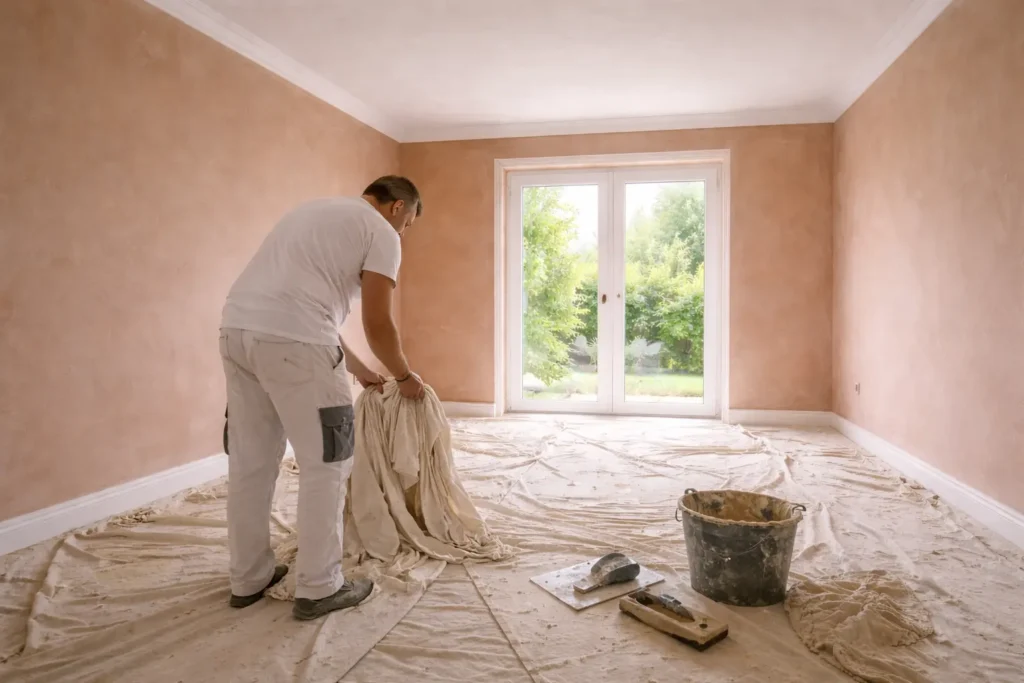
New extension finishing requires quality plastering that transforms raw plasterboard into smooth living spaces. Professional taping, jointing, and skim coating create seamless walls and ceilings throughout your project. Experienced tradesmen work systematically — proper joint preparation, consistent application, clean finishing — delivering results that complete your build to high standards.
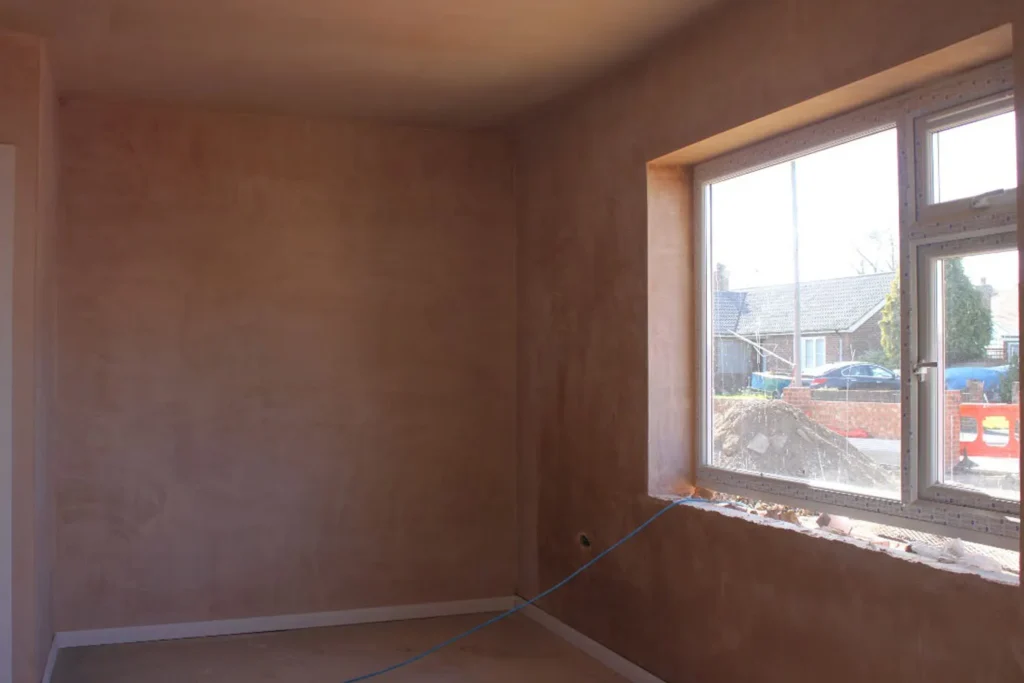
Complete room skimming unifies wall and ceiling finishes for consistent results throughout your spaces. When surfaces need full attention, professional re-plastering delivers smooth coverage everywhere — same quality walls and ceilings, seamless transitions, flawless finishing. Experienced tradesmen work systematically, transforming tired rooms into fresh, decoration-ready spaces.
The difference between acceptable and excellent sits in the final ten minutes of finishing. Here’s where our focus goes across Rose Hill.
Experience across Rose Hill — Heatherton Village Primary School, St Michaels Church, Heatherton Village Recreation Ground — builds a mental map of what’s behind the paint. Bay-fronted houses usually mean lath and lime. Pebbledash semis mean sand and cement render. That knowledge speeds up assessment and prevents preparation mistakes.
Some walls need PVA, some need bonding, some just need a wipe down. Ceilings that look sound can be ready to delaminate. We check everything first across Rose Hill — proper assessment prevents the callbacks that rushed preparation causes.
Most Rose Hill homes are red-brick victorian and edwardian terraces or 1930s and post-war semi-detached houses with 2.4m to 2.7m (7.9ft – 8.9ft) ceilings. Working continuously on these property types develops pattern recognition — spotting preparation requirements quickly based on accumulated experience.
Enquiries go straight to the plasterer covering Rose Hill — no booking team guessing at job requirements. You talk walls, surfaces, and preparation with someone who understands the difference between a quick re-skim and a full strip-back job.
They’ll ask practical questions — what’s on the walls now, how many rooms, any known problems. Assessment timing gets arranged based on availability, ensuring proper site evaluation before providing detailed quotations.
Wall inspection covers practical concerns — is the existing plaster sound, does suction vary, are there damp issues, what’s been done before. You’ll understand preparation requirements clearly. Pricing reflects real surface condition.
Work follows proper sequence — preparation, first coat, second coat, finishing. Dust sheets protect flooring and furniture throughout. Comprehensive cleanup follows completion. You’ll understand drying stages, mist coat requirements, and realistic timelines for decorating.
Skimming questions tend to follow patterns — how’s it done, how long’s it take, when can I decorate. Clear answers below, nothing complicated.
Completion time varies with surface condition rather than room size alone. Average bedroom on decent plaster takes a day. Walls requiring stripping, bonding, or substantial prep work take longer. Ceiling inclusion adds time. Assessment provides realistic scheduling for your particular surfaces.
Some walls skim over existing surfaces, others need stripping — condition determines approach. Solid, well-attached plaster just needs keying. Blown areas, failed coats, or excessive thickness require removal. Assessment identifies what’s needed rather than guessing.
Skim finishing creates smooth walls using thin coats — 2-3mm typically — over existing surfaces. Plastering encompasses heavier applications: base coats on masonry, render work, depth building. Most domestic re-finishing involves skimming existing plaster rather than full replastering.
It varies with paint condition. Thin matt emulsion over sound plaster takes skim after proper keying. Heavy coatings, gloss finishes, or silk paint cause bonding problems — usually needing stripping or adhesion treatment. Assessment reveals what preparation your walls require.
Standard skimming dries surface-ready within 2-4 days typically, though full curing extends to 2-3 weeks. Mist coat application first — watered-down matt emulsion sealing porous surfaces — then proper decoration. Insufficient drying causes paint failures.
Fill out the form or call now to speak directly to the plasterer covering your area. No call centres, no delays – just clear answers and fast action.
Your details are safe – we only use them to respond to your enquiry
We operate across the whole of Rose Hill. Professional skimming backed by genuine knowledge of local housing construction, typical wall conditions, and effective preparation approaches.