
Flat finishes that stay flat come from doing things right. Quality skimming across Monks Coppenhall — correct preparation, proper application, surfaces that take decoration evenly.
Posting a skimming job on Checkatrade sounds efficient until you’re drowning in callbacks and conflicting quotes. One says £400, another says £800 — same room, same walls. Direct contact with a trusted local plasterer removes the confusion.
We do things differently.
Our approach is straightforward: one plasterer covers skimming work across Monks Coppenhall. Direct contact means honest pricing — you speak to the person who’ll attend your home and deliver quality finishes without unnecessary complications.
Wall skim plastering creates the blank canvas every decorator dreams of. Lumpy, bumpy, or damaged walls get transformed into perfectly flat surfaces ready for any finish. Professional plasterers assess existing conditions, prepare surfaces correctly, and apply smooth skim coats that hide imperfections completely — delivering the quality foundation that makes decorating straightforward and results impressive.
See what we handle below and decide if we’re the right people for your job. If yes, contact us and we’ll get things moving. If no, that’s completely fine — thanks for checking.

Smooth wall finishes start with professional skimming applied by experienced local plasterers. Rough render, damaged plaster, and textured surfaces all benefit from fresh skim coats that create flat, even walls throughout your rooms. Skilled application around obstacles, clean lines at edges, and consistent coverage ensure results that look right and last — walls ready for paint, paper, or any decorative treatment.
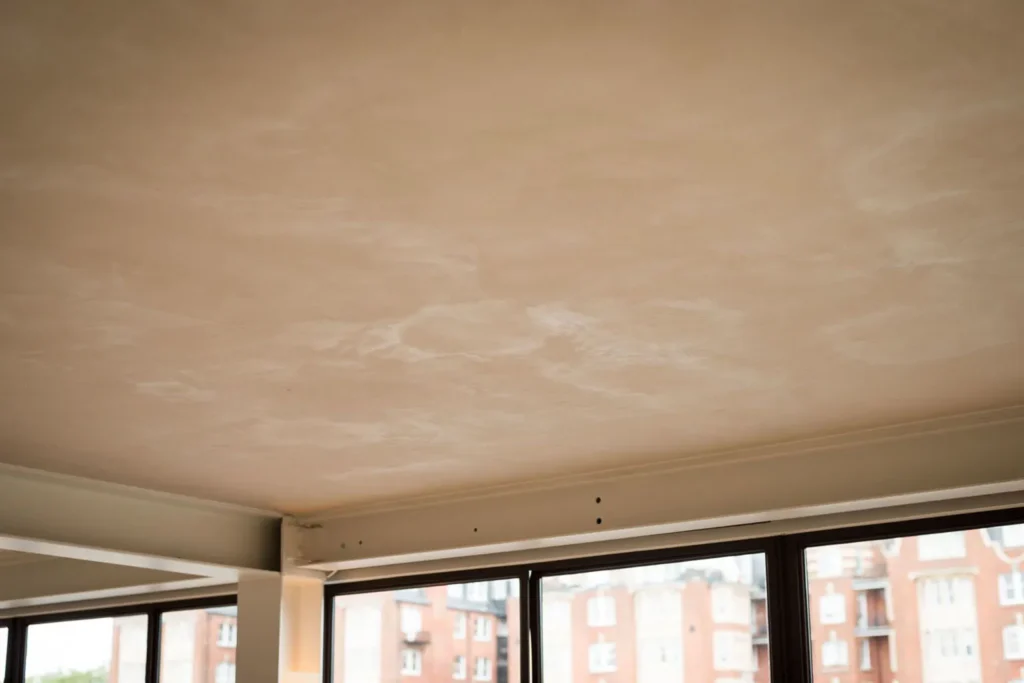
Ceiling skim plastering transforms overhead surfaces from dated eyesores into clean, modern finishes. Whether covering old Artex, repairing water damage, or refreshing tired plasterwork, professional skimming delivers flat ceilings throughout your home. Experienced tradesmen handle the demands of overhead work — proper preparation, consistent application, smooth finishing — for results that last.

Professional patch skimming restores localised damage without full room replastering. Impact holes, cable chases, and cracked sections respond to targeted repairs that blend perfectly with surrounding plaster. Experienced tradesmen match textures and finishes exactly — patches that disappear completely and save the cost of larger-scale work.
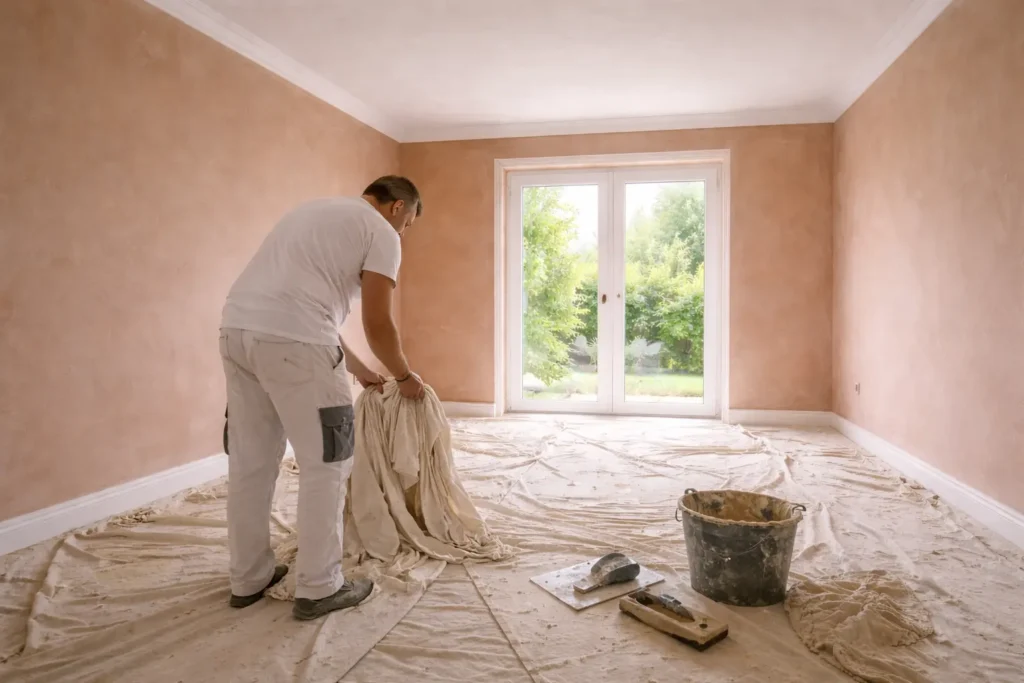
Finishing new plasterboard creates the smooth walls your extension or conversion deserves. Professional taping hides joints invisibly, while quality skim coats deliver decoration-ready surfaces throughout. Skilled plasterers work systematically — proper preparation, consistent application, clean finishing — transforming raw boards into flawless living spaces ready for decorating.
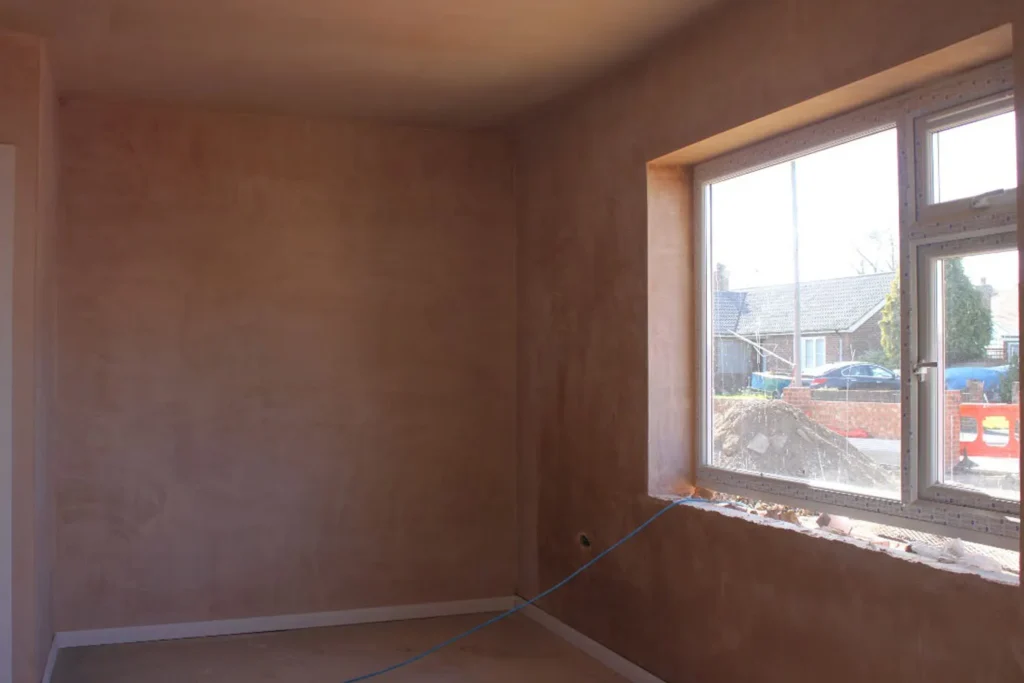
Full room plastering unifies surfaces with consistent smooth finishes across walls and ceilings together. Comprehensive re-skimming eliminates texture variations and patchy areas — delivering seamless results throughout. Skilled tradesmen work room by room, ensuring even quality and professional finishing that transforms spaces completely.
Plaster forgives nothing — every shortcut shows eventually. Here’s the honest detail on how we work throughout Monks Coppenhall.
Experience throughout Monks Coppenhall — Coppenhall Moss, St Michaels Church Coppenhall, Crewe Alexandra FC — reveals patterns invisible to outsiders. Certain streets always have damp. Specific builders always used weak mixes. Some estates got cheap materials throughout. That knowledge guides preparation.
Kitchen walls after tile removal, bedroom ceilings hiding Artex, hallways with a century of wallpaper paste — every surface has history that affects how plaster behaves. We read that history properly across Monks Coppenhall before picking up a trowel.
Local housing comprises mainly victorian terraced houses and inter-war semi-detached houses, 2.5m to 2.7m (8.2ft – 8.9ft) ceiling heights. Familiarity with these exact property types means recognising wall conditions quickly and applying proven preparation approaches rather than guessing.
When you get in touch, you’re talking to the plasterer directly — not a call centre reading prompts. Wall assessment, preparation planning, finishing standards — everything gets discussed with the person who’ll actually transform your surfaces.
Conversation covers current wall condition, rooms requiring attention, and any concerns about existing surfaces. Assessment timing gets agreed based on mutual availability — no rushed phone quotes, just proper site evaluation before pricing.
Assessment involves reading walls professionally — tapping, testing, checking, noting. The plasterer identifies preparation requirements and explains them plainly. Quotes reflect actual surface condition rather than optimistic estimates from phone descriptions.
Work follows proper sequence — preparation, first coat, second coat, finishing. Dust sheets protect flooring and furniture throughout. Comprehensive cleanup follows completion. You’ll understand drying stages, mist coat requirements, and realistic timelines for decorating.
Planning plastering work brings practical questions — preparation needs, realistic timelines, decoration timing. Here’s the straightforward information most people ask for.
Timing depends on room size, surface condition, and preparation needs. A standard bedroom with sound walls typically takes one day — preparation morning, first coat midday, second coat afternoon. Rooms needing extensive prep work or multiple problem areas take longer. Ceilings add time. You’ll get accurate duration estimates after wall assessment.
Not necessarily — existing condition dictates preparation. Sound plaster gets keyed and coated over. Blown sections need removing before re-coating. Heavy buildup from previous plastering might need stripping. Assessment identifies genuine requirements rather than assuming worst-case.
Skimming means thin finish coats over prepared existing surfaces. Full plastering includes base coats on brick, render application, depth building. Typical home jobs involve re-skimming existing plaster rather than plastering from scratch — thinner applications, quicker completion.
Paint type and condition determine approach. Light matt emulsion on sound plaster can take skim after keying. Heavy paint buildup, gloss finishes, or silk coatings cause bonding problems — typically requiring stripping or bonding coat application. Assessment identifies what preparation your painted surfaces need.
New plaster requires proper drying — typically 2-4 days minimum, longer for full curing. Mist coat first using watered-down emulsion to seal surfaces correctly. Decorating too early risks adhesion failures, peeling, and blistering.
Fill out the form or call now to speak directly to the plasterer covering your area. No call centres, no delays – just clear answers and fast action.
Your details are safe – we only use them to respond to your enquiry
Services extend throughout Monks Coppenhall for quality skimming. Tradesmen who know local walls — the pre-war terraces, inter-war semis, post-war estates — and what each building era needs for proper finishes.