
Walls ready for anything — paint, paper, whatever you’re planning. Quality skimming throughout Ball Hill that starts with proper assessment and ends with surfaces that perform.
Skimming is skilled work that deserves a skilled tradesman, not the cheapest bidder from a platform race to the bottom. When quality matters more than saving twenty quid, direct contact with a proven plasterer makes sense.
We work on trusted connections.
We assign one experienced skimming specialist to Ball Hill. Contact goes directly to them when your walls need attention — no call centres filtering requests, just professional response from the tradesman who’ll do the work.
Skim plastering covers diverse situations. Kitchen refreshes after tile removal differ from bedroom re-skims, and each room presents unique challenges — proper evaluation ensures appropriate methods and smooth, consistent results.
Have a look below at what’s included in our skimming service. If it covers your situation, get in touch and we’ll respond fast. If not, that’s absolutely fine — thanks for your time.

Expert wall re-skimming breathes new life into tired rooms by creating fresh, smooth surfaces ready for decoration. Whether walls show years of wear, previous repair attempts, or outdated textures, professional skim coats restore them to pristine condition. Skilled tradesmen ensure even coverage, seamless edges, and durable finishes — walls that stay smooth and make future decorating simple.
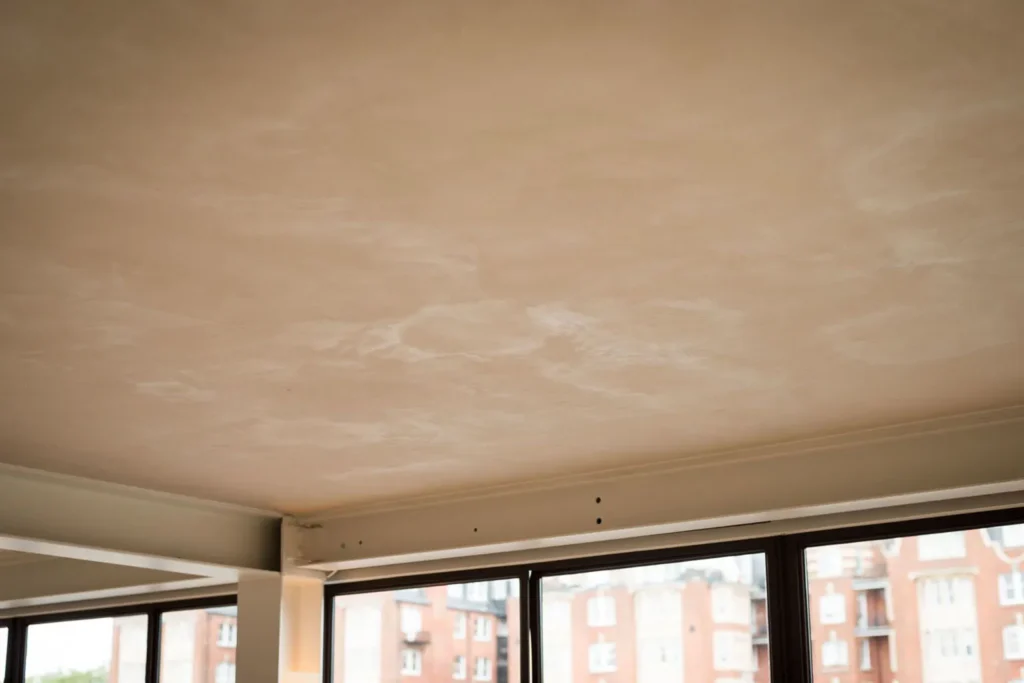
Re-skimming ceilings delivers smooth surfaces that transform room aesthetics completely. Textured patterns, visible repairs, and water staining disappear beneath flat skim coats that reflect light evenly. Professional ceiling work demands specific skills — working overhead, managing materials, finishing seamlessly — delivering results that modernise homes and simplify decorating.

Quality patch skimming makes damage disappear without extensive replastering work. Cable routes, fixture removal, impact holes, and localised cracking all respond to targeted repairs that blend invisibly. Experienced plasterers match existing textures, feather edges carefully, and finish seamlessly — patches that stay hidden and eliminate the need for larger-scale work.
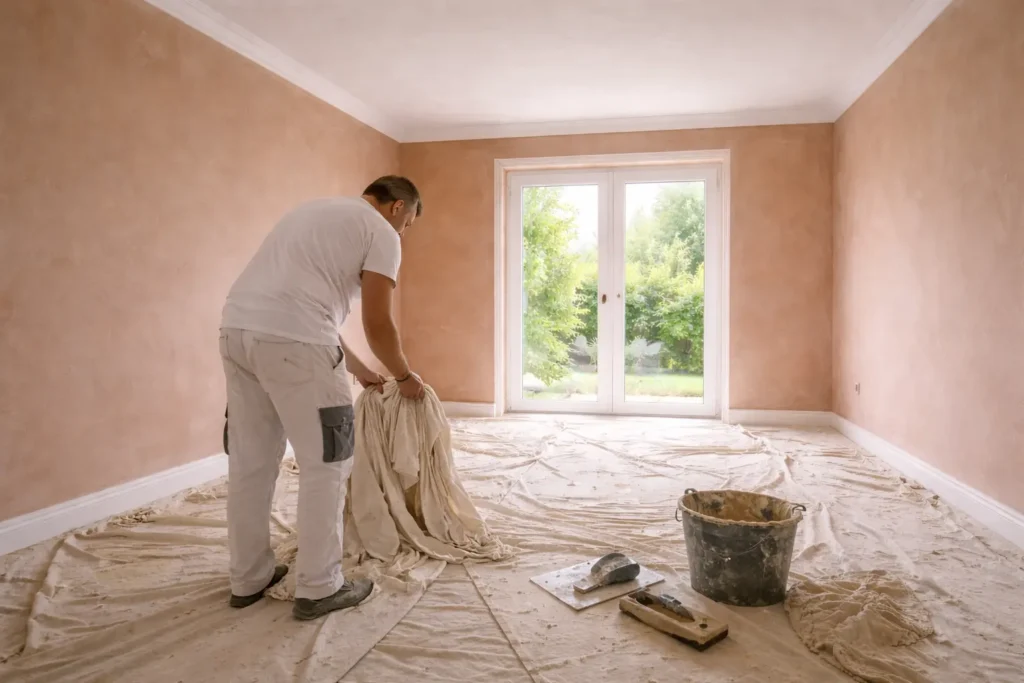
Plasterboard skim finishing delivers new-build quality on extension walls, conversion ceilings, and renovation projects. Professional joint treatment and smooth skim coats create seamless surfaces that transform raw construction into finished living spaces. Quality workmanship ensures lasting results — walls ready for decoration and built to stay that way.
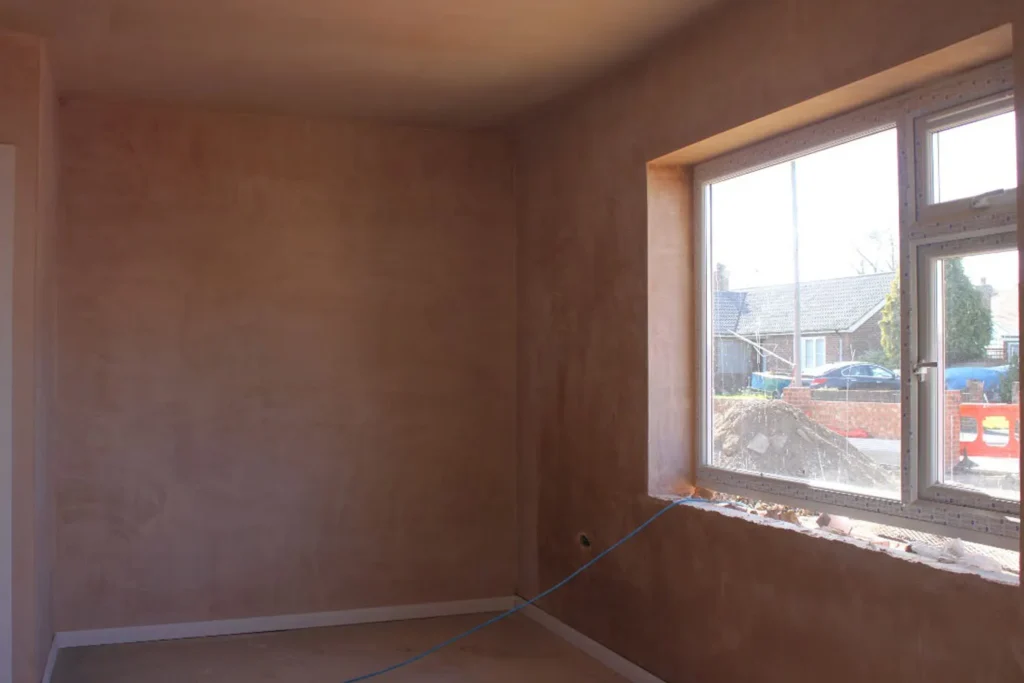
Total room transformation starts with full skimming that creates consistent smooth finishes across all surfaces. Walls and ceilings get complete coverage — no mismatched areas, no texture variations, just unified results throughout. Professional plasterers work efficiently, delivering the even quality that makes decorating straightforward and rooms feel completely refreshed.
The trowel marks that disappear wet can reappear under paint. Here’s why our finishing technique creates surfaces that stay flat across Ball Hill.
Local knowledge from Binley Village across to Brandon Lane means understanding Ball Hill construction patterns. Victorian artisan housing near the centre, inter-war expansion further out, post-war estates on the edges — each zone has characteristic wall types we’ve learned to handle.
Walls stripped back to brick, ceilings with Artex underneath, patch repairs that need blending, new plasterboard waiting for its first coat — we handle the full range across Ball Hill. Each surface type needs different preparation, and getting that wrong ruins everything that follows.
Local properties run mainly stone cottages and village houses, 2.3m to 2.6m (7.5ft – 8.5ft) ceilings. Concentrated work on this housing type creates genuine expertise — not general plastering knowledge, but specific understanding of how Ball Hill walls respond to skim coats.
Contact reaches the tradesman immediately — the same person who’ll assess your walls, solve any surface problems, and deliver the finished skim coats. Questions about wall condition and preparation get proper answers from someone who knows.
Initial discussion covers the basics — wall condition, room count, finish expectations, any concerns. The plasterer arranges assessment for suitable timing, allowing proper surface inspection before committing to detailed quotes.
Assessment includes thorough surface checking — hollow spots, suction differences, failed previous coats, damp indicators. You’ll know what preparation’s required before work begins. Clear quotes follow, based on actual wall condition rather than estimates from descriptions.
Jobs follow proper sequence — prep work, plaster application, finishing technique. Dust sheets go down for surrounding areas. Comprehensive cleanup occurs after completion. You receive practical information about drying requirements, mist coats, and decoration readiness.
The usual skimming queries — how walls get prepared, how long it takes, when paint goes on. Straightforward answers, no jargon.
Room skimming duration varies with size and surface condition. Average bedroom on decent walls completes in a day. Larger rooms, problematic surfaces, or ceiling work extends timing. Preparation requirements significantly affect duration — walls needing bonding or extensive repairs take longer than straightforward re-skims.
Not necessarily — wall condition dictates approach. Solid existing plaster skims over after proper preparation. Blown sections need stripping. Heavy buildup from previous work may require removal. Assessment identifies what each wall actually needs.
Skim coats are thin finish layers — 2-3mm typically — applied over existing surfaces to create smooth walls. Plastering covers heavier applications including base coats on masonry, render work, or building depth. Most domestic work involves skimming existing plaster rather than full replastering.
Paint type and condition determine approach. Light matt emulsion on sound plaster can take skim after keying. Heavy paint buildup, gloss finishes, or silk coatings cause bonding problems — typically requiring stripping or bonding coat application. Assessment identifies what preparation your painted surfaces need.
Drying varies with conditions — ventilation, temperature, coat thickness. Surface typically dries enough in 2-4 days for mist coating, though full cure takes weeks. Diluted matt emulsion first seals the surface properly. Early decoration causes paint problems.
Fill out the form or call now to speak directly to the plasterer covering your area. No call centres, no delays – just clear answers and fast action.
Your details are safe – we only use them to respond to your enquiry
Skimming services cover all areas across Ball Hill. Local expertise in housing stock characteristics, typical wall conditions, and preparation approaches that create smooth results on these specific surfaces.