
Rough walls transformed into smooth, paintable surfaces. Proper skimming throughout Wakes Colne — surfaces assessed correctly, prepared thoroughly, finished to standards that show under any light.
When walls need re-skimming, the platform model adds friction where there shouldn’t be any. Multiple enquiries, coordinated site visits, competitive pricing games — all for a straightforward plastering job. Direct contact streamlines everything.
We’ve taken a simpler route.
Our approach is straightforward: one plasterer covers skimming work across Wakes Colne. Direct contact means honest pricing — you speak to the person who’ll attend your home and deliver quality finishes without unnecessary complications.
Skim coat plastering suits different purposes. Finishing new extensions differs from refreshing tired rooms, and each situation needs its own preparation approach — identifying what’s required ensures smooth, durable surfaces ready for decoration.
Read what we do below and work out if it fits your project. If it sounds right, call or send a message. If it’s not quite the service you need, no hard feelings.

Professional wall re-skimming solves surface problems that paint alone can’t fix. Rough textures, visible repairs, and uneven plaster need proper skim coating to create smooth, consistent walls. Skilled tradesmen assess conditions, prepare surfaces correctly, and apply quality finishes that hide imperfections completely — delivering walls ready for any decorative treatment you’re planning.
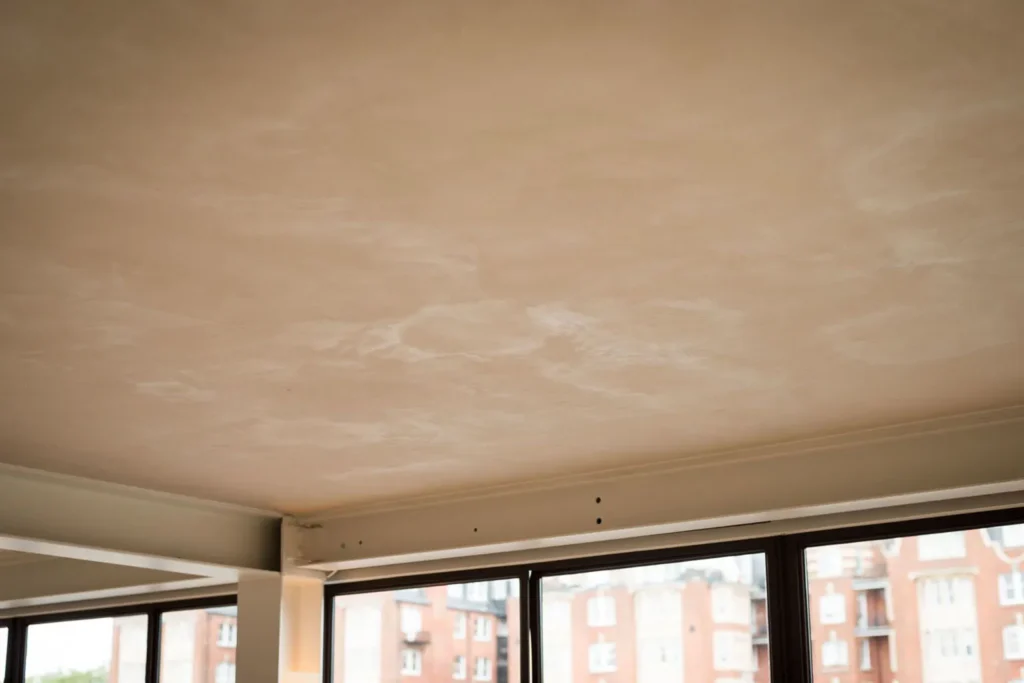
Smooth ceiling finishes require specialist skimming skills that experienced plasterers develop over years of overhead work. Gravity works against ceiling plastering, making technique crucial for consistent, lasting results. Professional skim coats transform textured, damaged, or outdated ceilings into flat surfaces that reflect light evenly — rooms feel brighter, bigger, and more modern.

Quality patch skimming makes damage disappear without extensive replastering work. Cable routes, fixture removal, impact holes, and localised cracking all respond to targeted repairs that blend invisibly. Experienced plasterers match existing textures, feather edges carefully, and finish seamlessly — patches that stay hidden and eliminate the need for larger-scale work.
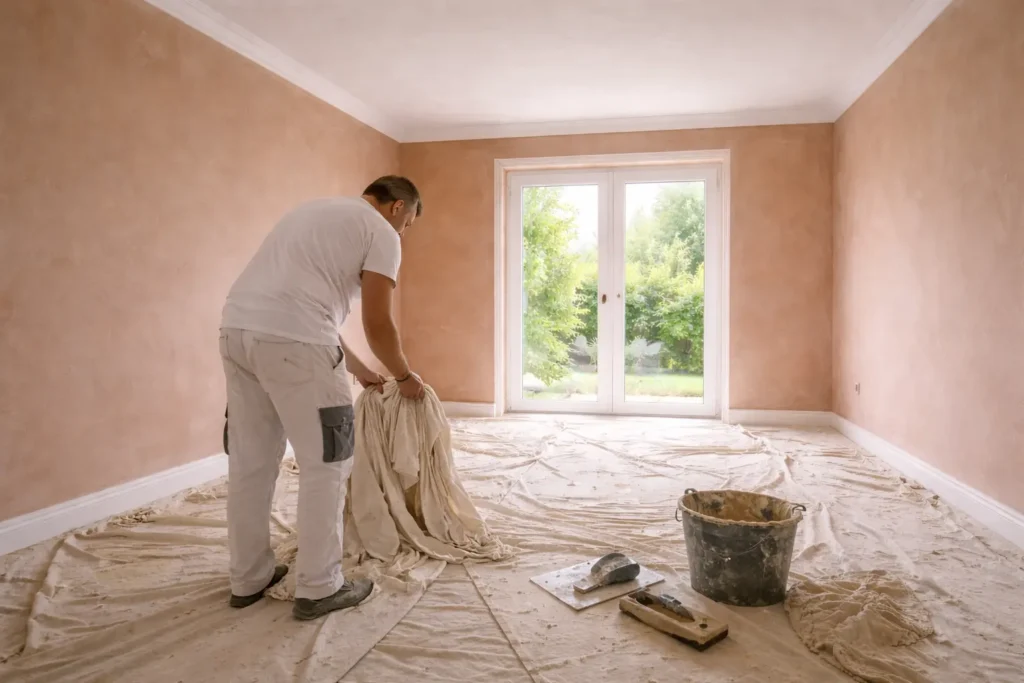
Professional plasterboard finishing transforms raw boards into smooth, paintable surfaces ready for decoration. New extensions, garage conversions, and loft rooms all need expert taping, jointing, and skimming to create seamless walls. Skilled plasterers work systematically — proper joint preparation, consistent skim application, quality finishing — delivering new-build quality throughout.
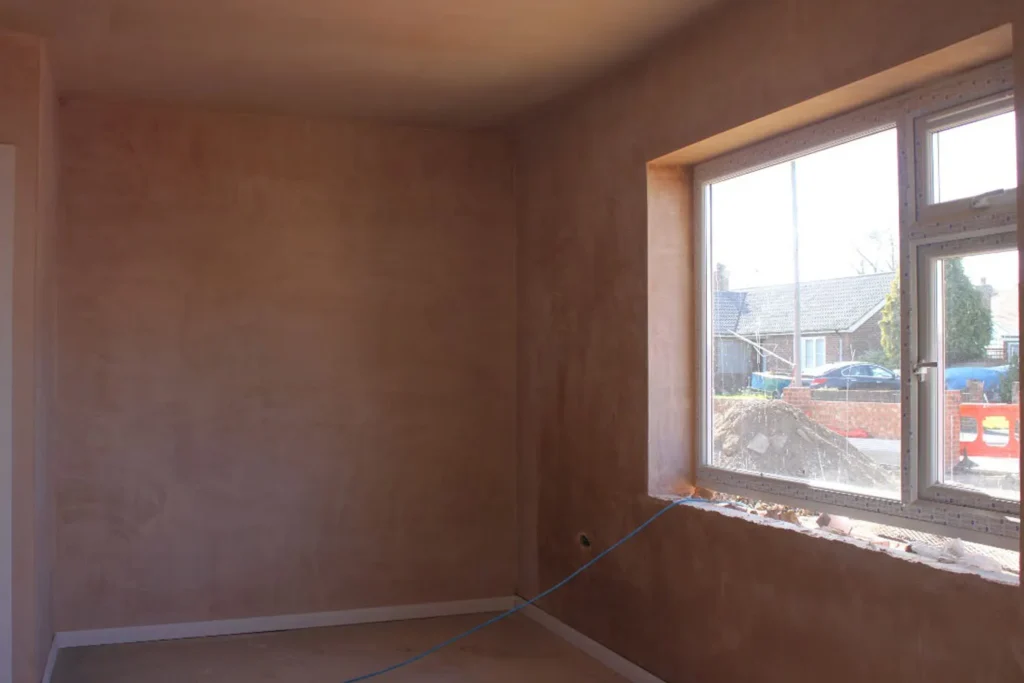
Whole room plastering creates consistent smooth surfaces across walls and ceilings together. When multiple areas need work, full re-skimming delivers unified finishes throughout — same texture, same quality, seamless results everywhere. Professional tradesmen work efficiently through complete rooms, ensuring even coverage and quality finishing that transforms entire spaces.
Walls that look smooth wet can show every flaw once painted. Here’s how we ensure finishes stay flat under any light throughout Wakes Colne.
Working near Bures Station means older properties with solid walls. Toward St Marys Church the housing ages shift. Around River Stour it’s mixed. That Wakes Colne knowledge lets us estimate accurately before touching the surface — fewer surprises once preparation begins.
Old lime plaster, modern gypsum, fresh plasterboard, patched areas mixing all three — each responds differently to skim coats. Experience across Wakes Colne properties means recognising what we’re working on and adjusting technique accordingly.
Properties throughout Wakes Colne are predominantly period cottages and georgian houses, ceilings 2.5m to 2.8m (8.2ft – 9.2ft). Concentrated experience on this housing stock builds deep understanding — not textbook knowledge, but hands-on familiarity with how these specific walls behave.
Your message reaches the plasterer personally — not a middleman scheduling appointments blind. You discuss existing wall condition, preparation requirements, and finishing expectations with the tradesman who’ll actually do the work across Wakes Colne.
Discussion focuses on understanding your situation — what the walls look like now, what you want them to become, any previous plastering issues. Assessment gets arranged at suitable timing to check surfaces firsthand before quoting.
On-site evaluation means hands-on wall assessment — tapping surfaces, testing adhesion, checking for damp, noting inconsistencies. The plasterer explains findings and preparation requirements. Pricing reflects genuine surface condition, not optimistic assumptions.
Work follows proper sequence — preparation, first coat, second coat, finishing. Dust sheets protect flooring and furniture throughout. Comprehensive cleanup follows completion. You’ll understand drying stages, mist coat requirements, and realistic timelines for decorating.
Skimming jobs raise predictable questions — wall preparation, completion timelines, drying requirements. Here’s the honest information you need.
Skimming a standard room takes roughly a day on walls in reasonable condition. Poor surfaces needing bonding, repairs, or extensive preparation add significant time. Ceilings alongside walls extend the schedule. Accurate duration estimates follow from proper wall assessment.
Surface condition determines preparation requirements. Solid existing plaster that’s well-bonded can receive skim directly after keying. Blown areas, loose coats, or excessive thickness need stripping. Assessment identifies which walls need what — avoiding unnecessary work while ensuring proper preparation.
Skimming means thin finish coats over prepared existing surfaces. Full plastering includes base coats on brick, render application, depth building. Typical home jobs involve re-skimming existing plaster rather than plastering from scratch — thinner applications, quicker completion.
Depends on the paint situation. Thin matt emulsion takes skim after keying preparation. Thick coatings, gloss finishes, or silk paint prevent proper adhesion — usually needing removal or bonding agent application. Assessment identifies requirements for your specific surfaces.
Allow adequate drying time — 2-4 days for surface readiness, 2-3 weeks for complete curing. Apply mist coat first with diluted matt emulsion before proper painting. Rushing decoration causes paint failures on new plaster.
Fill out the form or call now to speak directly to the plasterer covering your area. No call centres, no delays – just clear answers and fast action.
Your details are safe – we only use them to respond to your enquiry
Coverage includes all locations throughout Wakes Colne. Quality finishes from plasterers who understand local properties — construction eras, surface types, preparation requirements — not guesswork.