
Flat, smooth, ready to decorate — that’s what proper skimming delivers. Quality finishes across Old Heath from plasterers who understand surfaces and take preparation seriously.
Getting walls skimmed shouldn’t involve a research project. Posting online, comparing reviews, fielding calls from multiple tradesmen — it’s exhausting before anyone’s even picked up a trowel. Direct access to a proven plasterer simplifies everything.
Our approach is more straightforward.
Old Heath has one dedicated plasterer handling skimming. Direct contact means no delays — you speak to the tradesman who’ll assess your walls, provide honest pricing, and deliver professional results.
Skimming requirements vary between properties. Victorian solid walls behave differently than modern plasterboard, and each surface type needs appropriate preparation and application — recognising these differences ensures professional finishes throughout.
Have a read through the service details below. If it sounds like the right fit for your rooms, give us a call or fill in the form. If it’s not quite what you need, that’s fine — appreciate you taking the time.

Professional wall skimming delivers the smooth finish that transforms how rooms look and feel. Rough plaster, textured surfaces, and patchy walls disappear beneath expertly applied skim coats, creating perfect bases for paint or wallpaper. Experienced plasterers prepare surfaces properly, apply consistent coverage, and finish to high standards — leaving walls flat, smooth, and ready for whatever decorative finish you choose.
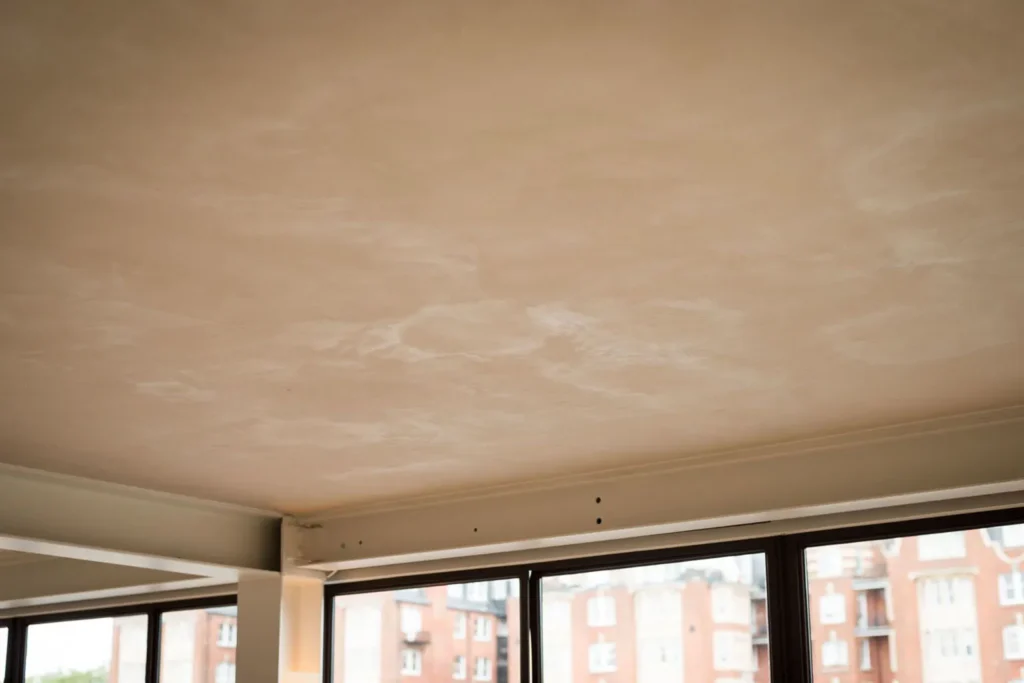
Ceiling skimming creates smooth, flat overhead surfaces that transform how rooms look and feel. Textured ceilings, Artex patterns, and damaged plaster disappear beneath professional skim coats applied by experienced plasterers. Working overhead requires specific technique — consistent coverage, proper drying between coats, and seamless finishing — delivering ceilings that reflect light evenly and make rooms feel fresh and modern.

Blending plaster repairs requires professional technique that makes patches invisible on finished walls. Damage from various causes — impacts, removed fittings, cables, cracks — gets properly prepared and skim coated to match existing surfaces. Careful feathering and texture matching ensure seamless results ready for any decorative treatment.
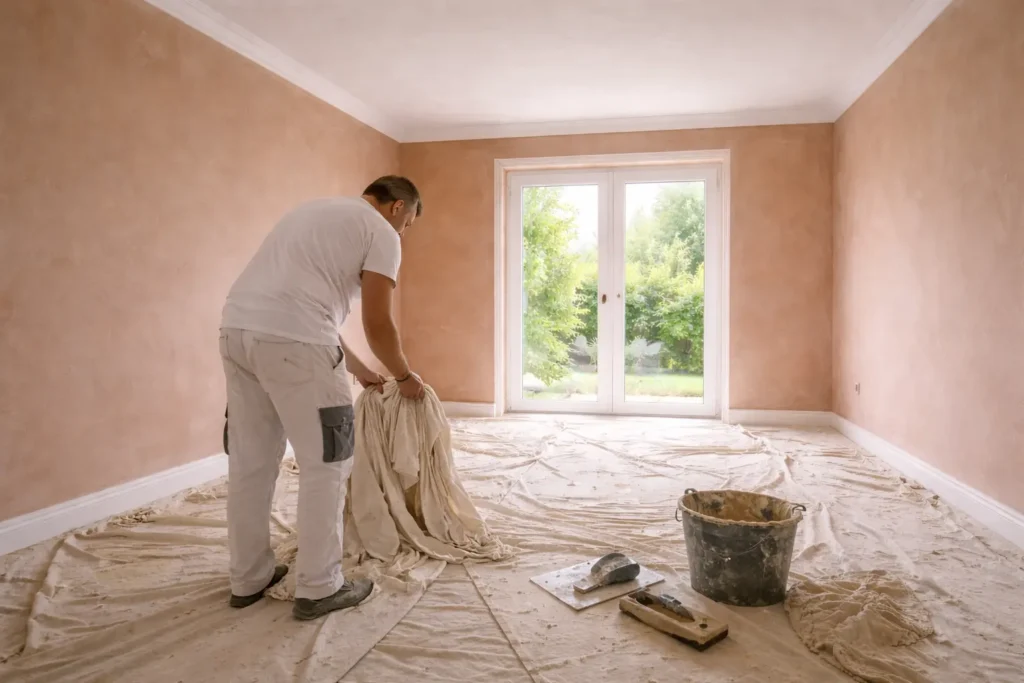
Plasterboard skim finishing creates seamless walls from newly installed boards in extensions and conversions. Professional taping hides joints completely, while quality skim coats deliver smooth surfaces ready for any decorative treatment. Experienced plasterers work methodically — proper preparation, consistent application, clean finishing — transforming raw construction into finished living spaces.
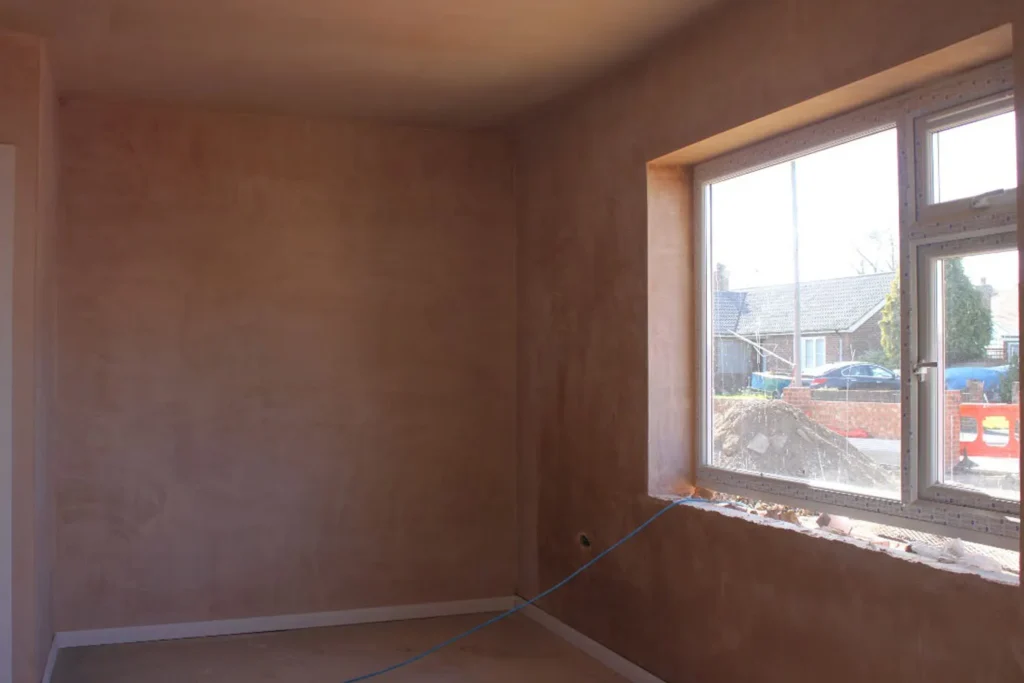
Full re-skim plastering transforms tired rooms into fresh, modern spaces with consistent finishes throughout. Walls and ceilings receive complete coverage — no patching, no texture mismatches, just smooth surfaces everywhere. Skilled plasterers work room by room, delivering unified results that make decorating straightforward and rooms feel completely renewed.
Smooth walls aren’t luck — they’re preparation meeting technique meeting timing. Here’s what goes into our skimming across Old Heath.
Properties near New Town tend toward solid nine-inch walls with lime plaster. Toward St Stephens Church you hit more cavity construction with gypsum. Out near Circular Road East the estates are mostly board. Knowing Old Heath’s building history makes preparation instinctive.
New plasterboard drinks moisture unevenly, old lime plaster grabs too fast, painted surfaces reject bonding — preparation solves each problem differently. Skimming success across Old Heath starts with understanding what you’re coating.
victorian terraces and edwardian houses dominate Old Heath, usually 2.5m to 2.8m (8.2ft – 9.2ft) to the ceiling. These property types have predictable quirks — common damp spots, typical movement cracks, characteristic construction methods. Knowing them speeds every stage from quote to finish.
When you get in touch, the tradesman answers — same person who’ll assess your surfaces and apply the skim coats. Conversations about wall condition, preparation needs, and finishing standards happen with someone qualified to give proper answers.
Discussion establishes what you’re working with — existing surface types, room sizes, any issues you’ve noticed. Based on initial information, a site visit gets scheduled to assess walls properly, identify preparation needs, and provide accurate pricing.
Assessment means properly reading your walls — tapping for hollow sections, checking suction rates, identifying previous repairs, spotting potential problems. The plasterer explains what preparation’s needed and why. You get clear pricing based on actual surface condition, not guesswork from photos.
Jobs proceed methodically — surface prep, plaster application, skilled finishing. Protection covers surrounding areas throughout work. Complete tidying follows. You receive practical guidance about drying times, emulsion misting requirements, and decoration scheduling.
Before plastering starts, most people want the same information — preparation, timelines, decoration timing. Here’s the clear, simple detail.
Room skimming duration varies with size and surface condition. Average bedroom on decent walls completes in a day. Larger rooms, problematic surfaces, or ceiling work extends timing. Preparation requirements significantly affect duration — walls needing bonding or extensive repairs take longer than straightforward re-skims.
Existing surface quality determines approach. Firmly bonded plaster skims over after keying. Blown areas, delaminated coats, or excessive previous layers need stripping. Assessment identifies which preparation each wall section requires.
Skimming means applying thin finish coats — usually 2-3mm — over existing prepared surfaces. Plastering includes heavier work like base coats on brick, render application, or building thickness. Home re-skimming typically involves thin finish coats over existing plaster, not full plastering systems.
It depends on paint type and buildup. Thin matt emulsion can receive skim after surface keying. Heavy coatings, gloss finishes, or silk paint cause bonding failures — usually requiring stripping or adhesion agent application. Assessment identifies specific requirements.
Standard skimming needs 2-4 days surface drying in well-ventilated rooms, though complete cure takes weeks. Mist coat application first — diluted matt emulsion sealing porous new plaster. Then proper decoration. Rushing causes paint problems.
Fill out the form or call now to speak directly to the plasterer covering your area. No call centres, no delays – just clear answers and fast action.
Your details are safe – we only use them to respond to your enquiry
Professional skimming covers all locations across Old Heath. Local knowledge of housing types, original construction methods, and surface characteristics that affect preparation requirements and finishing quality.