
Smooth finishes that last start with understanding the surface beneath. Proper skimming throughout Boxgrove — walls assessed, prepared correctly, coated evenly, finished while timing allows.
Skimming is skilled work that deserves a skilled tradesman, not the cheapest bidder from a platform race to the bottom. When quality matters more than saving twenty quid, direct contact with a proven plasterer makes sense.
We do things differently.
One experienced plasterer covers Boxgrove, and you speak to them directly. No competing quotes, no call centres — just a clean route to the person who’ll skim your walls and deliver smooth, lasting finishes.
Skimming requirements vary between properties. Victorian solid walls behave differently than modern plasterboard, and each surface type needs appropriate preparation and application — recognising these differences ensures professional finishes throughout.
Have a read through the service details below. If it sounds like the right fit for your rooms, give us a call or fill in the form. If it’s not quite what you need, that’s fine — appreciate you taking the time.

Wall skimming transforms rough, damaged, or outdated surfaces into smooth, paintable finishes ready for any decoration. Whether following wallpaper removal, covering old Artex, or refreshing tired plasterwork, professional skim coats create flawless walls throughout your home. Skilled application ensures consistent coverage, clean edges around sockets and switches, and durable surfaces that won’t crack or flake — giving rooms a fresh, modern feel that makes decorating effortless.
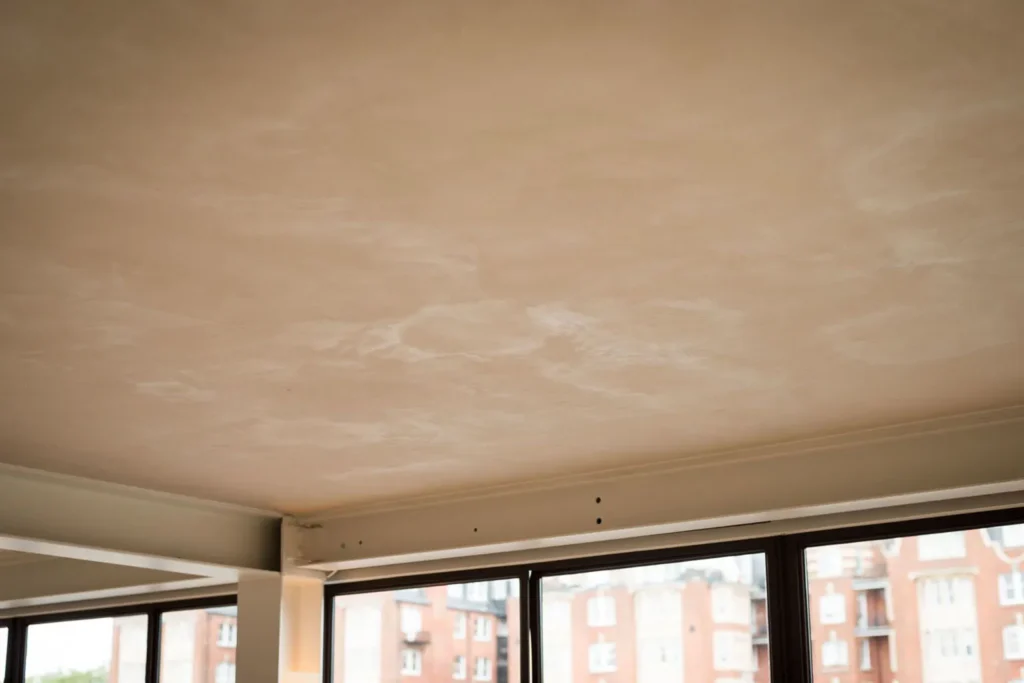
Flawless ceiling plastering requires specialist overhead skills developed through years of professional experience. Textured surfaces, water damage, and dated finishes respond to expert skimming that creates smooth, even ceilings throughout. Proper technique ensures lasting results — no sagging, no cracking, no visible joins — just flat surfaces that transform how rooms look.

Seamless repair skimming fixes wall damage efficiently and invisibly. Removed radiator marks, old TV mounting holes, cracked sections, and impact damage respond to professional patching that blends perfectly. Experienced plasterers prepare surfaces correctly, match textures accurately, and finish so patches disappear — walls restored without full re-skim costs.
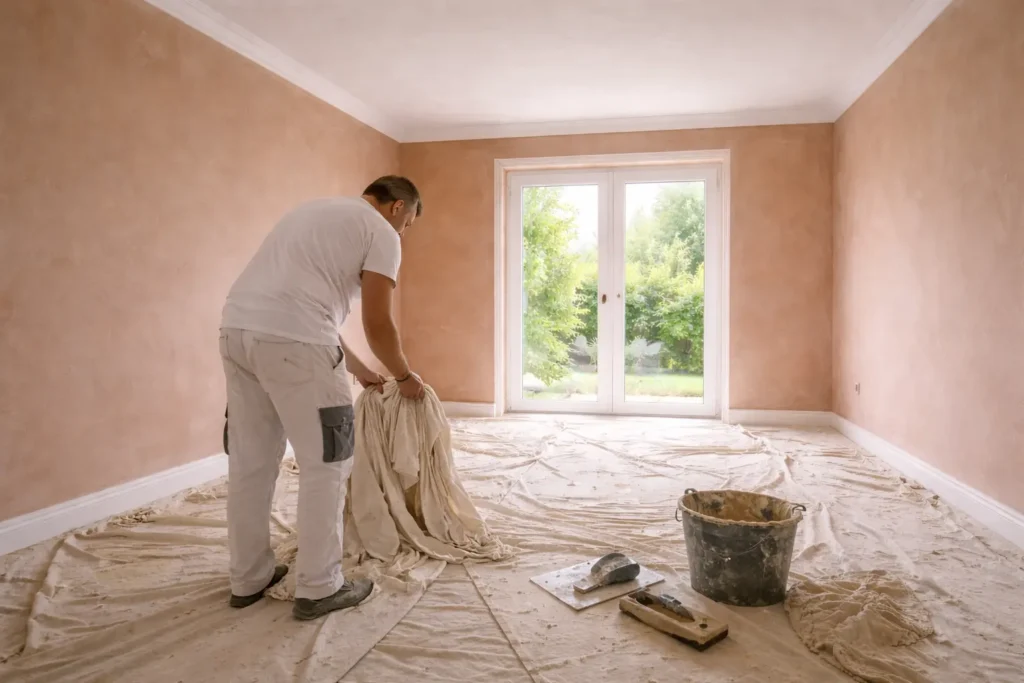
Plasterboard skim finishing creates seamless walls from newly installed boards in extensions and conversions. Professional taping hides joints completely, while quality skim coats deliver smooth surfaces ready for any decorative treatment. Experienced plasterers work methodically — proper preparation, consistent application, clean finishing — transforming raw construction into finished living spaces.
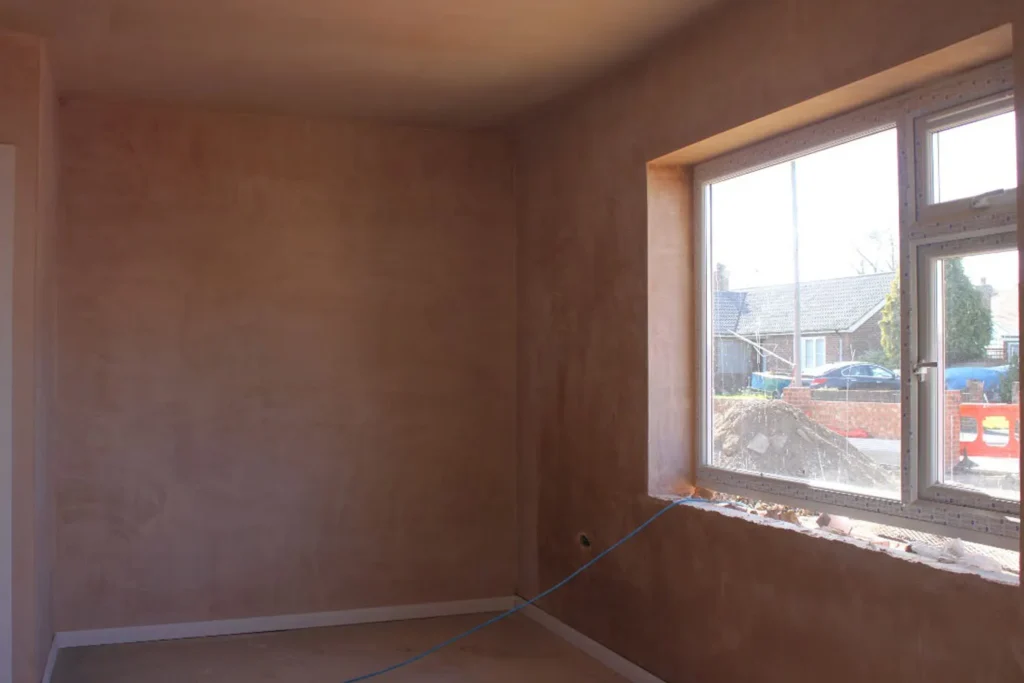
Total room transformation requires full skimming that delivers consistent finishes everywhere. Walls and ceilings get complete professional coverage — no mismatched textures, no visible transitions between old and new work. Experienced plasterers work systematically, creating smooth unified surfaces that make decorating straightforward and results impressive.
Smooth walls aren’t luck — they’re preparation meeting technique meeting timing. Here’s what goes into our skimming across Boxgrove.
From solid walls near Boxgrove Priory to cavity construction around Boxgrove Airfield and board systems toward Archaeological sites, we’ve worked on Boxgrove’s full housing spectrum. That experience builds preparation instincts that speed assessment and prevent mistakes.
New plasterboard drinks moisture unevenly, old lime plaster grabs too fast, painted surfaces reject bonding — preparation solves each problem differently. Skimming success across Boxgrove starts with understanding what you’re coating.
Local properties run mainly village cottages and flint-built houses, 2.3m to 2.6m (7.5ft – 8.5ft) ceilings. Concentrated work on this housing type creates genuine expertise — not general plastering knowledge, but specific understanding of how Boxgrove walls respond to skim coats.
Your message connects straight to the local plasterer — someone who can talk sensibly about existing surfaces, preparation requirements, and what’s actually involved in achieving smooth walls. No script readers, just trade knowledge.
Initial discussion covers the basics — wall condition, room count, finish expectations, any concerns. The plasterer arranges assessment for suitable timing, allowing proper surface inspection before committing to detailed quotes.
Wall inspection includes hands-on assessment — tapping hollow sections, testing suction, checking for blown areas, noting repair history. Preparation needs get explained simply. Pricing reflects genuine surface condition found on site.
Skimming follows correct sequence — preparation, coating, finishing. Work areas receive adequate protection throughout. Thorough tidying happens after completion. Clear guidance addresses drying stages, mist coat timing, and realistic decoration readiness timelines.
Walls and plastering raise plenty of questions — how long it takes, what preparation involves, when you can paint. Here’s the straight answers to what most people ask about skimming.
A day covers most bedroom skimming when surfaces behave. Walls requiring bonding, extensive repairs, or previous coat removal add significant time. Ceilings alongside walls extend schedules. You’ll receive realistic duration estimates after wall assessment.
Stripping isn’t always necessary — wall condition dictates preparation. Sound plaster receives skim directly over existing surfaces. Hollow sections, loose coats, or thick buildup need removing first. Assessment reveals what your walls genuinely require.
Skim finishing means thin coats — 2-3mm — applied to create smooth surfaces over existing plaster. Full plastering involves heavier work: base coats on brick, render layers, or building thickness where needed. Most domestic jobs involve skimming existing surfaces rather than complete replastering.
Paint condition affects preparation significantly. Matt emulsion over good plaster takes skim after proper keying. Gloss finishes, silk coatings, or thick paint layers prevent adequate adhesion — typically requiring removal or bonding treatment. Assessment determines your needs.
New plaster requires proper drying — typically 2-4 days minimum, longer for full curing. Mist coat first using watered-down emulsion to seal surfaces correctly. Decorating too early risks adhesion failures, peeling, and blistering.
Fill out the form or call now to speak directly to the plasterer covering your area. No call centres, no delays – just clear answers and fast action.
Your details are safe – we only use them to respond to your enquiry
Professional skimming covers all locations across Boxgrove. Local knowledge of housing types, original construction methods, and surface characteristics that affect preparation requirements and finishing quality.