
Flat, smooth, ready to decorate — that’s what proper skimming delivers. Quality finishes across Girton from plasterers who understand surfaces and take preparation seriously.
Posting skimming jobs online generates responses but not necessarily the right ones. Some quote low to win work then find extras, others quote high hoping you won’t check. Working directly with an established tradesman avoids the games.
We’ve stripped out the unnecessary steps.
Girton has one dedicated skimming specialist. When your walls need refinishing, you contact them directly — and that’s who turns up to deliver smooth, paintable surfaces. Simple, reliable, quality-focused.
Skim plastering covers diverse situations. Kitchen refreshes after tile removal differ from bedroom re-skims, and each room presents unique challenges — proper evaluation ensures appropriate methods and smooth, consistent results.
Look at what’s covered below and see if it fits what you need. If it does, give us a shout — we’ll help. If not, no worries — thanks for having a look round.

Smooth wall skimming transforms problem surfaces into professional-quality finishes ready for decoration. Cracks, bumps, old repairs, and textured plaster all disappear beneath expertly applied skim coats. Experienced plasterers prepare surfaces properly, work methodically through each wall, and deliver consistent results — flat, smooth finishes that make decorating effortless and results impressive.
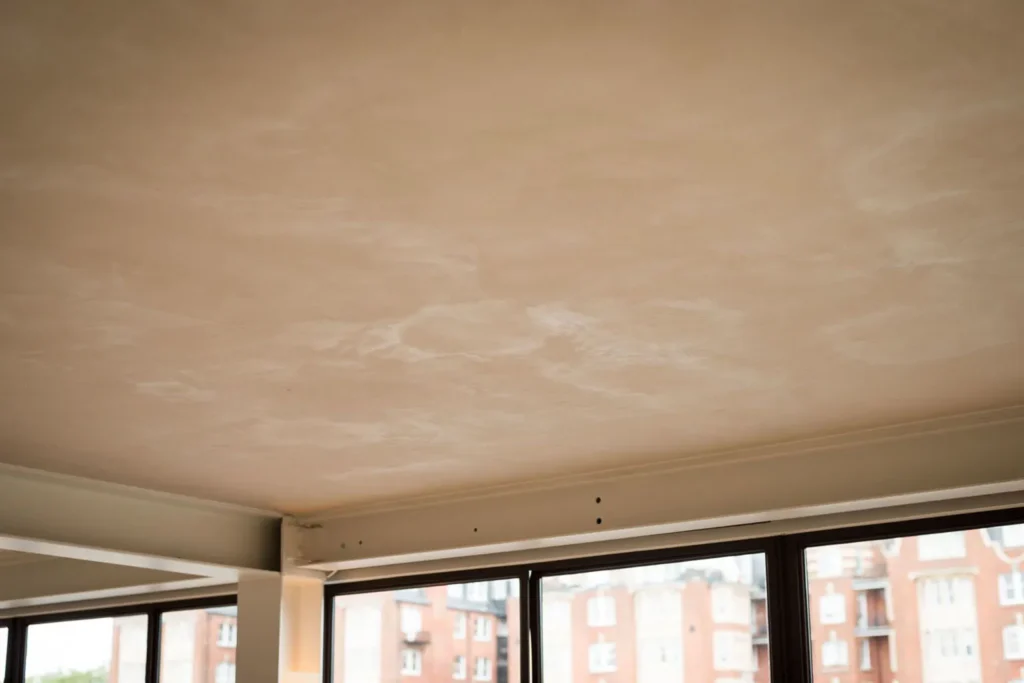
Professional ceiling finishes start with expert skimming that transforms rough or textured surfaces. Outdated Artex, damaged plaster, and uneven areas disappear beneath smooth skim coats applied by skilled tradesmen. Working overhead requires specific technique and experience — delivering flat ceilings that reflect light evenly and make rooms feel fresh.

Quality repair skimming makes wall damage disappear without extensive replastering. Localised problems — fixture marks, impact holes, cracked areas — respond to professional patching that blends seamlessly. Skilled plasterers prepare surfaces properly, match existing textures, and finish so repairs become completely invisible under any decoration.
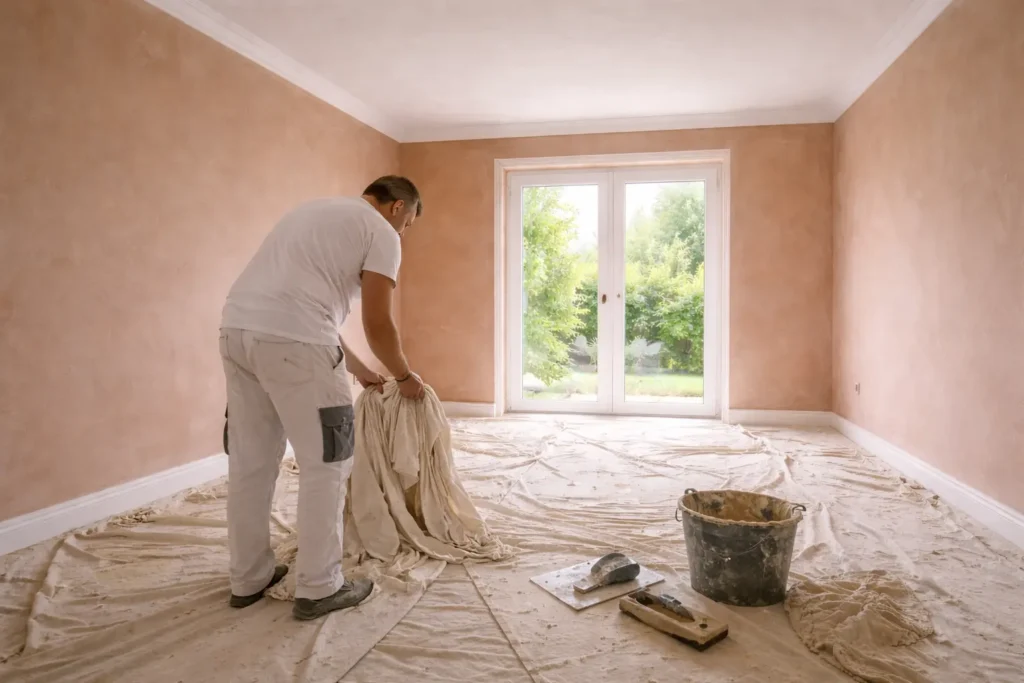
New build plastering finishes fresh plasterboard to smooth, decoration-ready surfaces throughout your property. Extensions, conversions, and new construction all require professional taping, jointing, and skim coating to create seamless walls and ceilings. Experienced plasterers prepare boards correctly, tape joints invisibly, and apply quality skim coats — delivering flawless finishes that make new spaces feel complete.
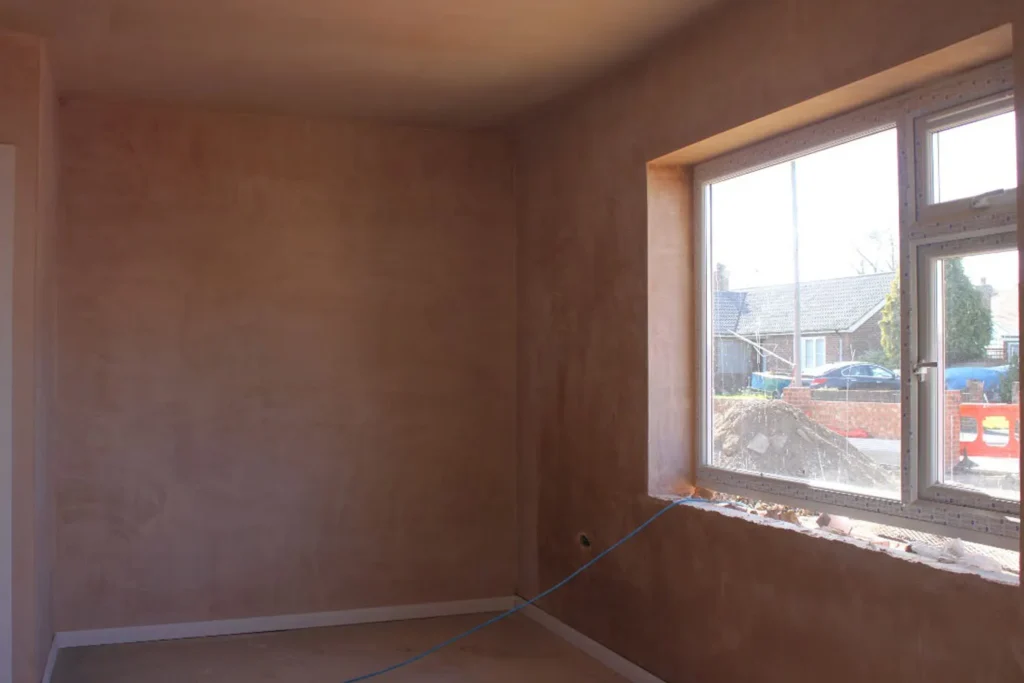
Full room skimming transforms entire spaces with consistent smooth finishes across all walls and ceilings. Complete re-plastering creates uniform surfaces throughout — no mismatched textures, no patchy areas, just seamless results from floor to ceiling. Professional plasterers work room by room, ensuring consistent coverage and quality finishing that makes decorating straightforward and results impressive.
Picking a plasterer for skimming isn’t straightforward — prices vary, quality varies, and you can’t see the difference until paint goes on. Here’s what we offer across Girton.
We’ve opened up walls from Girton College right through to Girton Road. The surprises reduce over time — you learn where the horse hair plaster sits, which estates used lightweight blocks, where the council did mass re-skims in the eighties. Girton walls become familiar.
Kitchen walls after tile removal, bedroom ceilings hiding Artex, hallways with a century of wallpaper paste — every surface has history that affects how plaster behaves. We read that history properly across Girton before picking up a trowel.
Typical Girton homes feature victorian houses and modern detached houses construction, 2.5m to 2.8m (8.2ft – 9.2ft) ceiling heights. Years working on this exact property mix means preparation becomes intuitive — recognising conditions that cause problems and addressing them automatically.
Contact connects you directly with your local tradesman — the person who’ll inspect your walls and deliver smooth finishes. Questions about surface types, preparation approaches, and expected results get trade answers, not sales responses.
They’ll ask about existing conditions — wall types, current finishes, room layouts, any visible problems. This information shapes the site visit, which gets scheduled for convenient timing to properly assess preparation needs and provide clear pricing.
On-site evaluation includes systematic checking — surface soundness, absorption consistency, damp presence, repair history. The plasterer explains what preparation involves and why. Quotes based on actual conditions, not hopeful assumptions about hidden problems.
Jobs proceed methodically — surface prep, plaster application, skilled finishing. Protection covers surrounding areas throughout work. Complete tidying follows. You receive practical guidance about drying times, emulsion misting requirements, and decoration scheduling.
The same queries come up before most skimming jobs — surface preparation, job duration, drying periods. Here’s the no-nonsense answers.
Room skimming duration varies with size and surface condition. Average bedroom on decent walls completes in a day. Larger rooms, problematic surfaces, or ceiling work extends timing. Preparation requirements significantly affect duration — walls needing bonding or extensive repairs take longer than straightforward re-skims.
Some do, some don’t — existing condition decides. Sound plaster gets keyed and skimmed over. Hollow-sounding blown areas need removing. Multiple heavy coats might require stripping back. Assessment reveals what preparation your surfaces genuinely require.
Skimming applies thin finish layers over prepared surfaces — creating smooth walls from existing plaster. Full plastering includes base coat application on masonry, rendering, or building thickness. Typical home re-finishing means skim coats over what exists already.
It varies with paint condition. Thin matt emulsion over sound plaster takes skim after proper keying. Heavy coatings, gloss finishes, or silk paint cause bonding problems — usually needing stripping or adhesion treatment. Assessment reveals what preparation your walls require.
Drying times depend on coat thickness, room ventilation, and ambient temperature. Standard skimming typically dries within 2-4 days in well-ventilated rooms, though complete curing takes 2-3 weeks. Mist coat with diluted emulsion first — this seals the surface for proper paint adhesion. Rushing decoration risks paint failure.
Fill out the form or call now to speak directly to the plasterer covering your area. No call centres, no delays – just clear answers and fast action.
Your details are safe – we only use them to respond to your enquiry
Skimming work extends across the complete Girton region. Local expertise in housing stock characteristics, wall behaviours, and preparation methods that deliver proper results on these surfaces.