
Walls ready for anything — paint, paper, whatever you’re planning. Quality skimming throughout Westbury on Trym that starts with proper assessment and ends with surfaces that perform.
Posting a skimming job on Checkatrade sounds efficient until you’re drowning in callbacks and conflicting quotes. One says £400, another says £800 — same room, same walls. Direct contact with a trusted local plasterer removes the confusion.
We do things differently.
Our system is straightforward: one trusted plasterer handles skimming work across Westbury on Trym. When you call or submit a form, it goes straight to them — the same person who’ll turn up and transform your walls.
Skimming requirements vary between properties. Victorian solid walls behave differently than modern plasterboard, and each surface type needs appropriate preparation and application — recognising these differences ensures professional finishes throughout.
Have a look at the service breakdown below. If it suits what your walls need, get in touch and we’ll sort it. If not, no problem — good luck finding the right help.

Expert wall re-skimming breathes new life into tired rooms by creating fresh, smooth surfaces ready for decoration. Whether walls show years of wear, previous repair attempts, or outdated textures, professional skim coats restore them to pristine condition. Skilled tradesmen ensure even coverage, seamless edges, and durable finishes — walls that stay smooth and make future decorating simple.
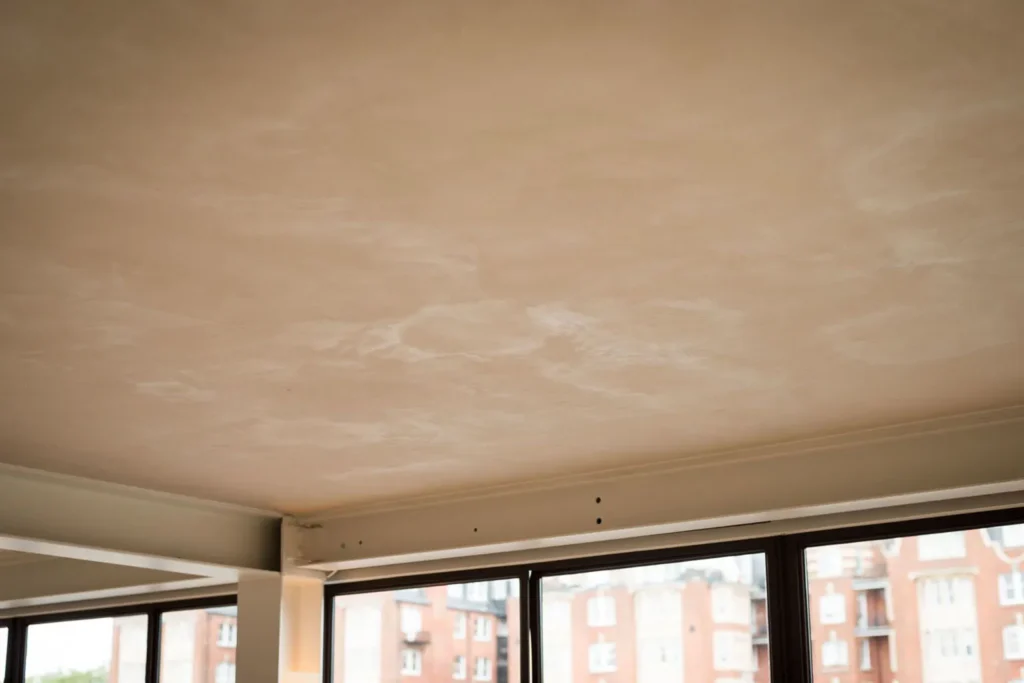
Professional ceiling finishes start with expert skimming that transforms rough or textured surfaces. Outdated Artex, damaged plaster, and uneven areas disappear beneath smooth skim coats applied by skilled tradesmen. Working overhead requires specific technique and experience — delivering flat ceilings that reflect light evenly and make rooms feel fresh.

Expert patch plastering makes repairs invisible through skilled blending and finishing technique. Localised damage gets properly prepared and skim coated with careful feathering into surrounding surfaces. Professional tradesmen match existing textures and finishes exactly — patches that paint over seamlessly and stay hidden permanently without requiring full wall re-skimming.
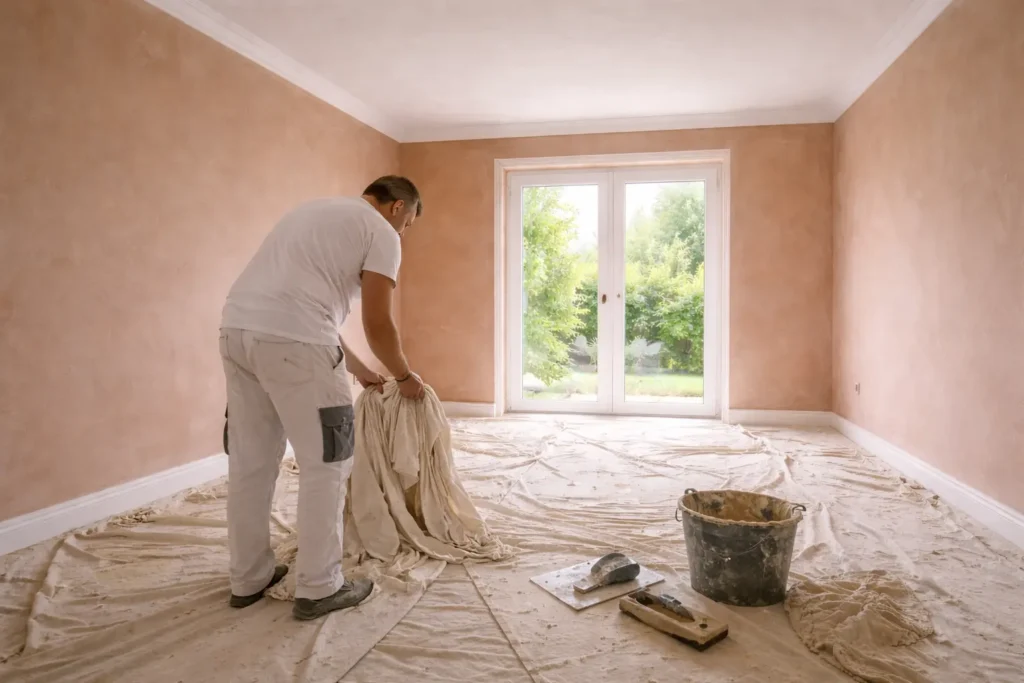
Expert new build finishing transforms plasterboard into the smooth, professional surfaces your project deserves. Extensions, garage conversions, and renovation work all require skilled taping, jointing, and skimming to create seamless walls and ceilings. Quality workmanship ensures lasting results — no visible joints, no future cracking, just flawless finishes throughout.
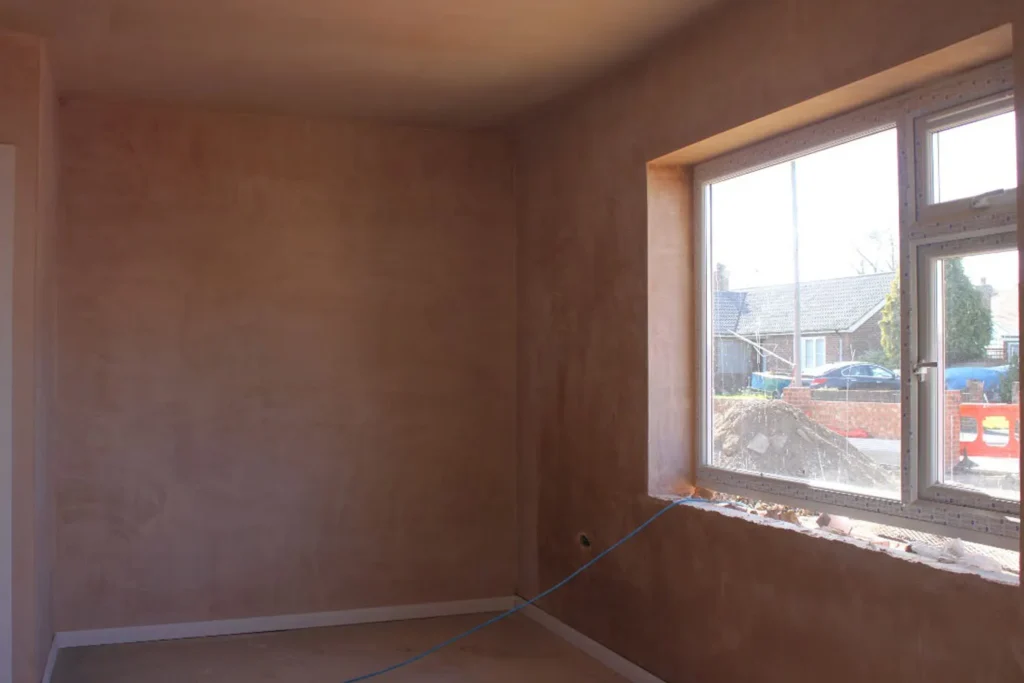
Complete room re-skimming delivers total transformation when walls and ceilings all need attention. Full coverage ensures consistent finishes throughout — no texture variations, no visible joins between old and new work. Experienced plasterers work systematically through each room, creating smooth surfaces that unify spaces and make decorating effortless.
The trowel marks that disappear wet can reappear under paint. Here’s why our finishing technique creates surfaces that stay flat across Westbury on Trym.
Working across Westbury on Trym for years means knowing property histories. The streets around Coombe Dingle Sports Complex flooded in ’97. The estate near Coombe Lane had cavity wall insulation problems. The houses toward Westbury Road suffer from condensation. History affects wall condition.
Extension walls joining original walls, old ceilings meeting new plasterboard, repairs that must disappear into existing finishes — transitions need careful handling. Seamless results across Westbury on Trym come from managing where different surfaces meet.
Typical Westbury on Trym homes feature 1930s detached houses and post-war bungalows construction, 2.5m to 2.7m (8.2ft – 8.9ft) ceiling heights. Years working on this exact property mix means preparation becomes intuitive — recognising conditions that cause problems and addressing them automatically.
Enquiries reach the plasterer personally — not intermediaries booking jobs they don’t understand. You discuss surface conditions with someone who’s seen thousands of walls and knows which need stripping, which need bonding, and which just need keying.
They’ll ask about existing conditions — wall types, current finishes, room layouts, any visible problems. This information shapes the site visit, which gets scheduled for convenient timing to properly assess preparation needs and provide clear pricing.
Assessment means examining walls properly — testing adhesion, checking suction, spotting blown areas, assessing previous plaster quality. Clear explanation of preparation needs follows. Pricing reflects genuine surface requirements, not guesses from photographs.
Plastering happens systematically — correct preparation, even application, timely finishing. Work areas get protected properly, and thorough cleanup occurs after. Clear information covers drying periods, when to apply mist coats, and how soon decoration can follow.
Skimming jobs raise predictable questions — wall preparation, completion timelines, drying requirements. Here’s the honest information you need.
Timing reflects what walls need, not just room dimensions. Straightforward bedroom re-skim takes a day. Surfaces requiring extensive preparation — bonding, repairs, strip-back — take longer. Ceilings add time. Accurate estimates follow proper surface inspection.
Not automatically — it depends what’s underneath. Good plaster that’s firmly attached just needs preparing and coating. Problem areas — hollow sections, loose coats, heavy buildup — need stripping. Assessment determines requirements for your specific walls.
Skimming applies thin finish coats over existing surfaces — typically 2-3mm thickness creating smooth, paintable walls. Plastering involves thicker applications — base coats on bare brick, render layers, or building up depth where needed. Most domestic re-finishing work involves skimming over existing plaster rather than full plastering from scratch.
It varies with paint condition. Thin matt emulsion over sound plaster takes skim after proper keying. Heavy coatings, gloss finishes, or silk paint cause bonding problems — usually needing stripping or adhesion treatment. Assessment reveals what preparation your walls require.
New plaster requires proper drying — typically 2-4 days minimum, longer for full curing. Mist coat first using watered-down emulsion to seal surfaces correctly. Decorating too early risks adhesion failures, peeling, and blistering.
Fill out the form or call now to speak directly to the plasterer covering your area. No call centres, no delays – just clear answers and fast action.
Your details are safe – we only use them to respond to your enquiry
Skimming work covers the complete Westbury on Trym region. Local understanding of property construction, typical plaster conditions, and preparation methods that suit these specific housing types.