
Smooth walls aren’t luck — they’re preparation meeting technique. Professional skimming across Cross Bank that delivers flat, lasting surfaces ready for paint or paper.
Posting a skimming job on Checkatrade sounds efficient until you’re drowning in callbacks and conflicting quotes. One says £400, another says £800 — same room, same walls. Direct contact with a trusted local plasterer removes the confusion.
We’ve stripped out the unnecessary steps.
Our approach is straightforward: one plasterer covers skimming work across Cross Bank. Direct contact means honest pricing — you speak to the person who’ll attend your home and deliver quality finishes without unnecessary complications.
Smooth wall finishes start with professional skimming applied by experienced local plasterers. Rough render, damaged plaster, and textured surfaces all benefit from fresh skim coats that create flat, even walls throughout your rooms. Skilled application around obstacles, clean lines at edges, and consistent coverage ensure results that look right and last — walls ready for paint, paper, or any decorative treatment.
Have a look through what we do below. If it matches your walls, contact us and we’ll get it sorted. If it’s not quite right, no problem — thanks for checking.

Professional wall plastering delivers smooth, lasting finishes that transform your living spaces. Rough or damaged surfaces get properly prepared and coated with quality skim plaster, creating flat walls ready for any decorative treatment. Attention to detail around light switches, corners, and edges ensures professional results throughout — surfaces that look right and perform well for years.
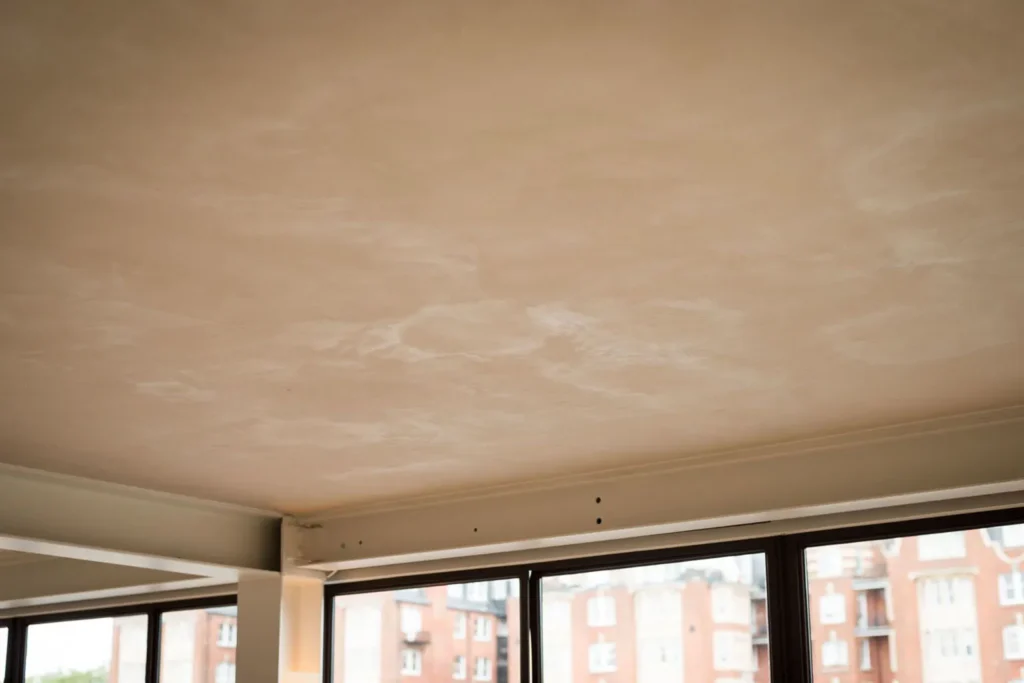
Professional ceiling finishes start with expert skimming that transforms rough or textured surfaces. Outdated Artex, damaged plaster, and uneven areas disappear beneath smooth skim coats applied by skilled tradesmen. Working overhead requires specific technique and experience — delivering flat ceilings that reflect light evenly and make rooms feel fresh.

Repair skimming handles localised wall damage efficiently without requiring full room re-plastering. Holes from shelving, cracks from movement, and damage from removed tiles all respond to professional patching that blends seamlessly. Skilled tradesmen prepare surfaces properly, apply skim coats that match, and finish so repairs become invisible — targeted fixes that save time and money.
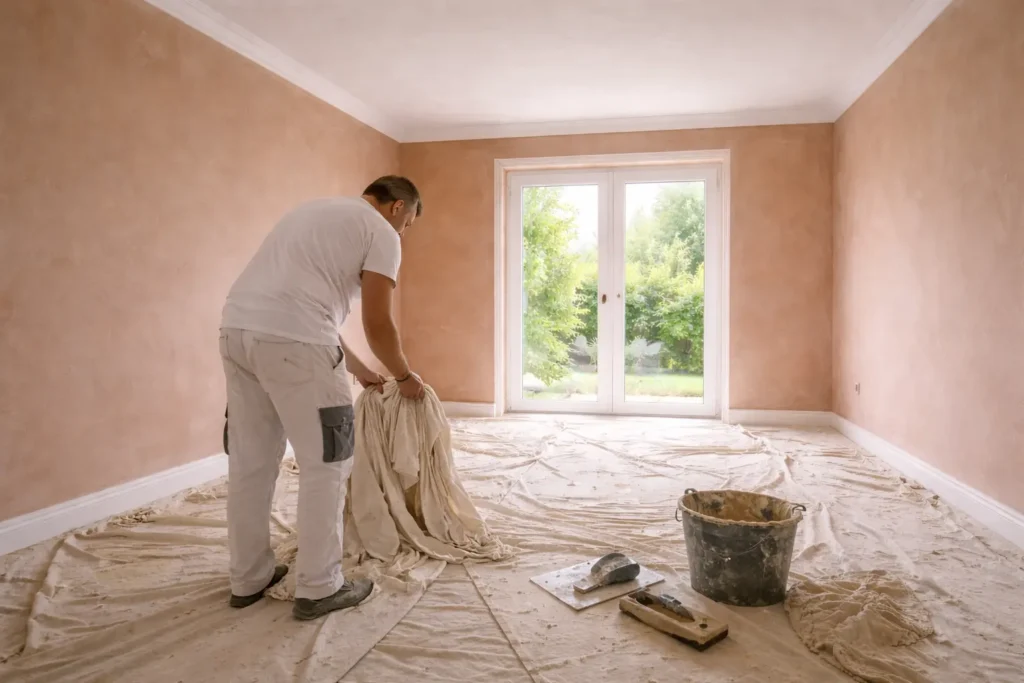
Professional finishing transforms new plasterboard into smooth, seamless surfaces ready for any decorative treatment. Extensions, loft conversions, and new builds need quality taping, jointing, and skimming to create walls that look right. Skilled plasterers ensure lasting results — no visible joints showing through, no cracking over time, just flawless finishes throughout.
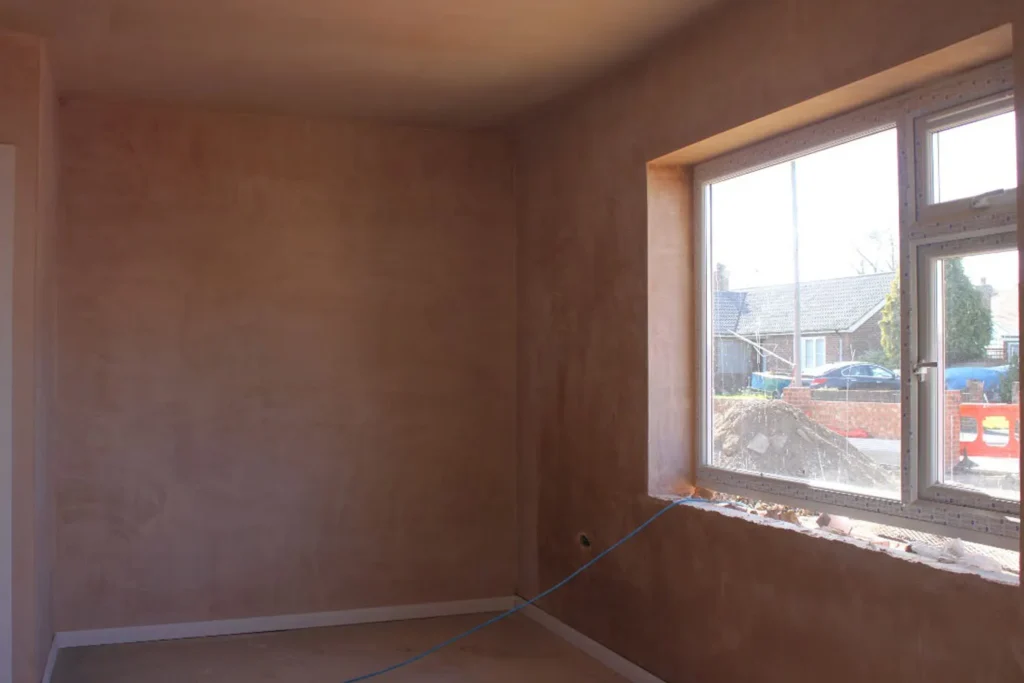
Full room re-plastering delivers complete makeovers with consistent smooth surfaces from floor to ceiling. When walls and ceilings all need work, comprehensive skimming ensures unified finishes throughout — same texture everywhere, seamless results, quality finishing. Skilled tradesmen transform entire rooms efficiently, creating spaces ready for any decorative treatment.
Walls that look smooth wet can show every flaw once painted. Here’s how we ensure finishes stay flat under any light throughout Cross Bank.
Properties around All Saints Church were mostly built pre-war — lime plaster, lath ceilings, solid walls. Near Batley Town Hall the fifties estates dominate. Toward Batley Market it’s newer construction. Each era across Cross Bank needs different preparation approaches.
Single feature walls, whole room transformations, awkward ceiling repairs, invisible patch blending — each job type brings its own challenges. Consistent quality across Cross Bank comes from adapting methods to match conditions, not applying the same approach everywhere.
Locally victorian stone terraced and inter-war terraced properties dominate Cross Bank, generally 2.5m to 2.7m (8.2ft – 8.9ft) to the ceiling. Years skimming this specific housing builds instinct about wall behaviour, typical conditions, and preparation approaches that deliver lasting results.
Calls and forms go straight to your area’s tradesman — no filtering through people who’ve never held a trowel. You get honest conversation about wall types, preparation needs, and what quality skimming actually requires.
Conversation focuses on understanding the job — current surface state, scope of work, access considerations. Assessment gets booked at convenient timing to inspect walls thoroughly and provide clear, accurate pricing.
Assessment involves reading walls professionally — tapping, testing, checking, noting. The plasterer identifies preparation requirements and explains them plainly. Quotes reflect actual surface condition rather than optimistic estimates from phone descriptions.
Skimming proceeds professionally — proper surface prep, fresh mixing, controlled application, timely finishing. Work areas get full protection, and complete tidying follows. Clear guidance addresses drying stages, mist coating requirements, and realistic decoration timing.
Skimming questions follow patterns — surface prep, job length, drying periods. Here’s the honest answers without the waffle.
A typical room with reasonable walls takes around a day to complete. Surface condition affects timing more than room size — walls needing stripping, bonding, or extensive prep work add time. Ceiling skimming alongside walls adds half a day typically. Assessment provides accurate scheduling for your specific surfaces.
It depends on current wall condition. Well-bonded existing plaster takes skim coats directly after proper keying. Delaminated areas need stripping. Multiple thick coats may require removal. Assessment determines what preparation your specific walls actually need.
Skimming means applying thin finish coats — usually 2-3mm — over existing prepared surfaces. Plastering includes heavier work like base coats on brick, render application, or building thickness. Home re-skimming typically involves thin finish coats over existing plaster, not full plastering systems.
Paint type affects adhesion significantly. Light matt emulsion can receive skim after surface keying. Gloss finishes, silk coatings, or thick paint layers prevent proper bonding — typically requiring removal or specialist preparation. Assessment determines the right approach for your surfaces.
Allow 2-4 days minimum for surface drying in well-ventilated rooms, longer for complete curing. New plaster needs mist coat first — diluted matt emulsion seals the porous surface for proper paint adhesion. Rushing decoration risks peeling and blistering.
Fill out the form or call now to speak directly to the plasterer covering your area. No call centres, no delays – just clear answers and fast action.
Your details are safe – we only use them to respond to your enquiry
We operate throughout Cross Bank for professional skimming. Plasterers with genuine knowledge of local homes — construction eras, wall types, surface behaviours — delivering finishes suited to these properties.