
Skimming done properly transforms how rooms look and feel. Smooth, even finishes across Carlton from plasterers who take preparation seriously and finish to high standards.
The big platforms work for finding options, but too many options creates its own problem. When three plasterers quote different prices for the same skim job, how do you know who’s right? One experienced local tradesman eliminates the guesswork.
We’ve built a cleaner system.
We assign one experienced skimming specialist to Carlton. Contact goes directly to them when your walls need attention — no call centres filtering requests, just professional response from the tradesman who’ll do the work.
Professional skimming handles various wall states. Patchy repairs need blending, full rooms need consistent coverage, and ceilings need careful technique to avoid visible joins — experienced assessment determines the right approach for lasting results.
Read the breakdown below and decide if we handle your type of skimming. If we do, get in contact and we’ll respond promptly. If we don’t, that’s fine — appreciate you stopping by.

Wall skimming transforms rough, damaged, or outdated surfaces into smooth, paintable finishes ready for any decoration. Whether following wallpaper removal, covering old Artex, or refreshing tired plasterwork, professional skim coats create flawless walls throughout your home. Skilled application ensures consistent coverage, clean edges around sockets and switches, and durable surfaces that won’t crack or flake — giving rooms a fresh, modern feel that makes decorating effortless.
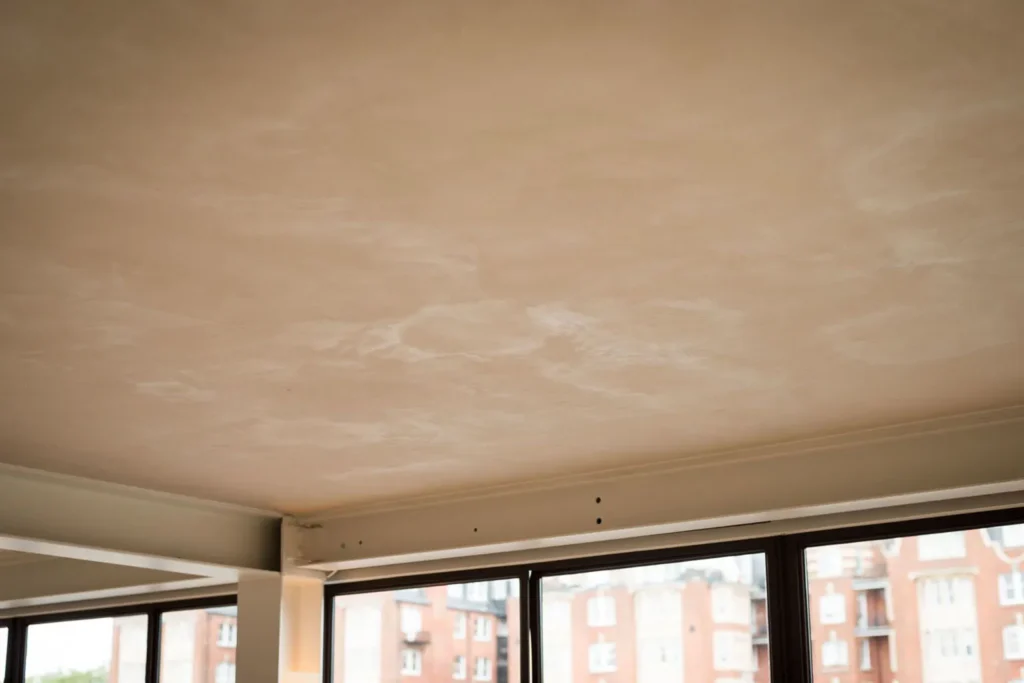
Expert ceiling skimming handles textured surfaces that paint alone can’t fix. Artex patterns, stippled finishes, and rough plaster need professional skim coating to create flat, contemporary ceilings. Skilled tradesmen prepare surfaces correctly, apply even coverage overhead, and finish to high standards — ceilings transformed and ready for decoration.

Quality patch skimming makes damage disappear without extensive replastering work. Cable routes, fixture removal, impact holes, and localised cracking all respond to targeted repairs that blend invisibly. Experienced plasterers match existing textures, feather edges carefully, and finish seamlessly — patches that stay hidden and eliminate the need for larger-scale work.
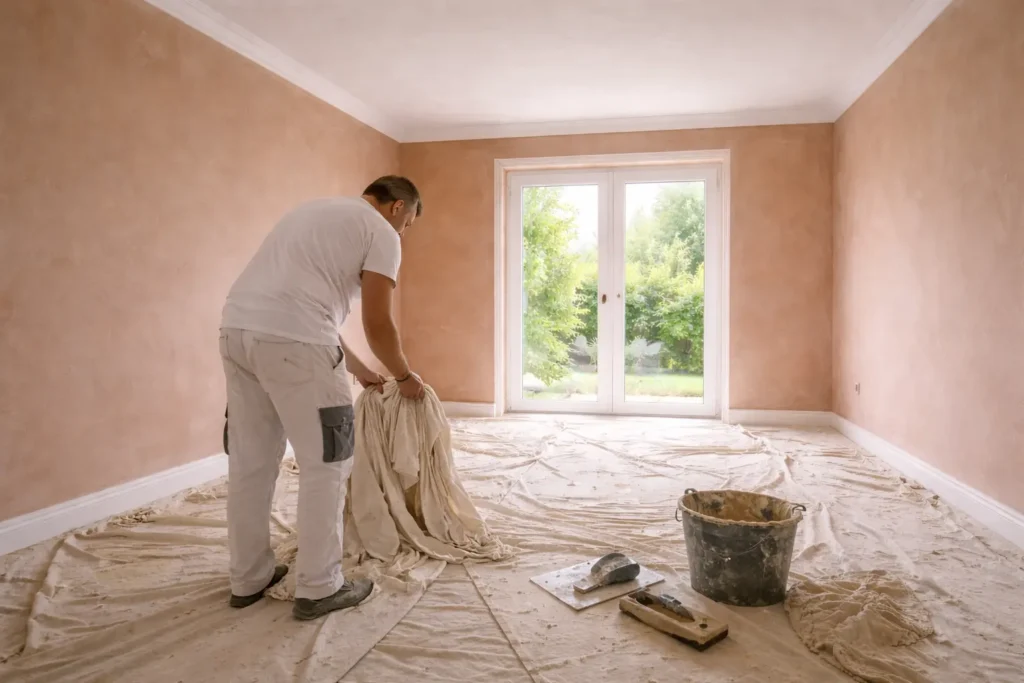
Finishing freshly boarded walls takes specialist skill that professional plasterers apply to extensions and conversions. Taped joints disappear beneath smooth skim coats, creating seamless surfaces ready for paint or paper. Quality preparation and application ensure lasting results — no visible joins, no corner cracking, just flawless finishes that make new spaces feel complete.
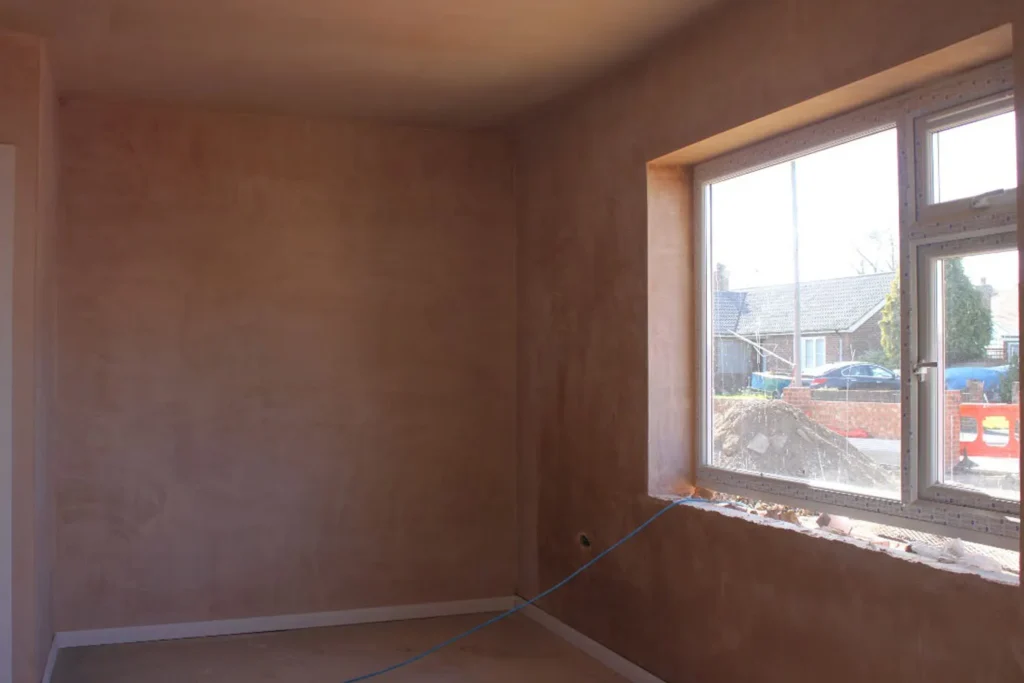
Total room transformation starts with full skimming that creates consistent smooth finishes across all surfaces. Walls and ceilings get complete coverage — no mismatched areas, no texture variations, just unified results throughout. Professional plasterers work efficiently, delivering the even quality that makes decorating straightforward and rooms feel completely refreshed.
Two plasterers can quote the same job — one leaves glass, the other leaves waves. Here’s what drives the difference in our work throughout Carlton.
Working across Carlton for years means knowing property histories. The streets around Experience Barnsley Museum flooded in ’97. The estate near Civic Theatre had cavity wall insulation problems. The houses toward Market Hill suffer from condensation. History affects wall condition.
Victorian solid walls with three previous skim coats, 1970s Artex hiding who-knows-what, plasterboard fitted yesterday — all need different approaches. Assessment across Carlton determines preparation, preparation determines finish quality.
Carlton housing runs mostly post-war council estates and inter-war semis, ceilings around 2.4m to 2.5m (7.9ft – 8.2ft). Those property types share characteristics — similar wall construction, common problem areas, predictable preparation needs. Experience on this specific stock makes assessment faster and more accurate.
Enquiries reach the plasterer personally — not intermediaries booking jobs they don’t understand. You discuss surface conditions with someone who’s seen thousands of walls and knows which need stripping, which need bonding, and which just need keying.
First conversation focuses on understanding your walls — what’s on them now, what finish you’re after, how many rooms need attention. Based on that, assessment gets arranged at a time that suits. No pressure, no commitment until you’ve had surfaces checked properly and received clear pricing.
Assessment means properly reading your walls — tapping for hollow sections, checking suction rates, identifying previous repairs, spotting potential problems. The plasterer explains what preparation’s needed and why. You get clear pricing based on actual surface condition, not guesswork from photos.
Skimming proceeds professionally — proper surface prep, fresh mixing, controlled application, timely finishing. Work areas get full protection, and complete tidying follows. Clear guidance addresses drying stages, mist coating requirements, and realistic decoration timing.
Before committing to plastering, sensible questions need answering — preparation scope, realistic timing, decoration readiness. Here’s the clear breakdown.
A typical room takes around a day on cooperative surfaces. Wall condition affects timing more than room size — extensive preparation needs stretch schedules significantly. Ceilings add time. Assessment provides realistic duration based on your specific surface condition.
Some walls skim over existing surfaces, others need stripping — condition determines approach. Solid, well-attached plaster just needs keying. Blown areas, failed coats, or excessive thickness require removal. Assessment identifies what’s needed rather than guessing.
Skim coats are thin finish applications — 2-3mm — creating smooth surfaces over existing plaster. Plastering covers broader scope including base coats, render application, depth building on masonry. Most domestic work involves re-skimming rather than complete replastering.
Depends on the paint situation. Thin matt emulsion takes skim after keying preparation. Thick coatings, gloss finishes, or silk paint prevent proper adhesion — usually needing removal or bonding agent application. Assessment identifies requirements for your specific surfaces.
Drying times depend on coat thickness, room ventilation, and ambient temperature. Standard skimming typically dries within 2-4 days in well-ventilated rooms, though complete curing takes 2-3 weeks. Mist coat with diluted emulsion first — this seals the surface for proper paint adhesion. Rushing decoration risks paint failure.
Fill out the form or call now to speak directly to the plasterer covering your area. No call centres, no delays – just clear answers and fast action.
Your details are safe – we only use them to respond to your enquiry
Skimming work covers the complete Carlton region. Local understanding of property construction, typical plaster conditions, and preparation methods that suit these specific housing types.