
Rough walls transformed into smooth, paintable surfaces. Proper skimming throughout Daisy Hill — surfaces assessed correctly, prepared thoroughly, finished to standards that show under any light.
Getting walls skimmed shouldn’t involve a research project. Posting online, comparing reviews, fielding calls from multiple tradesmen — it’s exhausting before anyone’s even picked up a trowel. Direct access to a proven plasterer simplifies everything.
Quality plastering needs a different approach.
Daisy Hill has one dedicated plasterer handling skimming. Direct contact means no delays — you speak to the tradesman who’ll assess your walls, provide honest pricing, and deliver professional results.
Skim coat plastering suits different purposes. Finishing new extensions differs from refreshing tired rooms, and each situation needs its own preparation approach — identifying what’s required ensures smooth, durable surfaces ready for decoration.
Look through the details below to see if we cover your type of work. If it’s a good match, reach out — we’ll respond quickly. If it’s not our area, no worries — appreciate you stopping by.

Re-skimming walls removes years of imperfections and creates fresh, smooth surfaces throughout your property. Old wallpaper damage, filled holes, patchy repairs, and uneven textures vanish beneath professional skim coats applied by skilled tradesmen. Proper preparation, quality materials, and careful technique ensure lasting results — walls that stay smooth, take paint evenly, and look professionally finished for years.
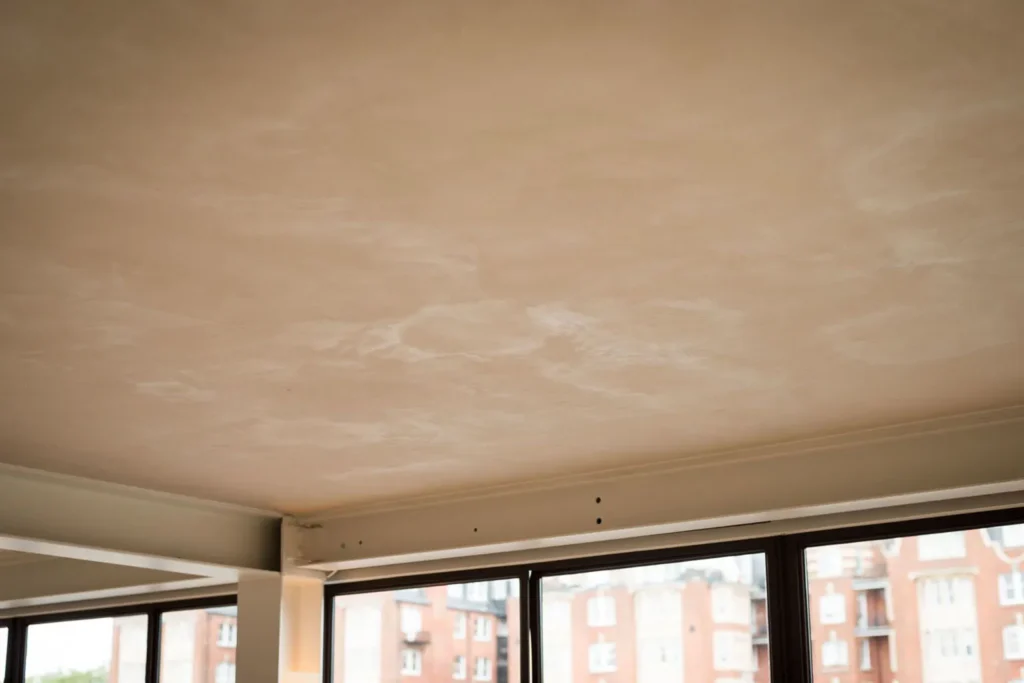
Expert ceiling skimming handles textured surfaces that paint alone can’t fix. Artex patterns, stippled finishes, and rough plaster need professional skim coating to create flat, contemporary ceilings. Skilled tradesmen prepare surfaces correctly, apply even coverage overhead, and finish to high standards — ceilings transformed and ready for decoration.

Seamless repair skimming fixes wall damage efficiently and invisibly. Removed radiator marks, old TV mounting holes, cracked sections, and impact damage respond to professional patching that blends perfectly. Experienced plasterers prepare surfaces correctly, match textures accurately, and finish so patches disappear — walls restored without full re-skim costs.
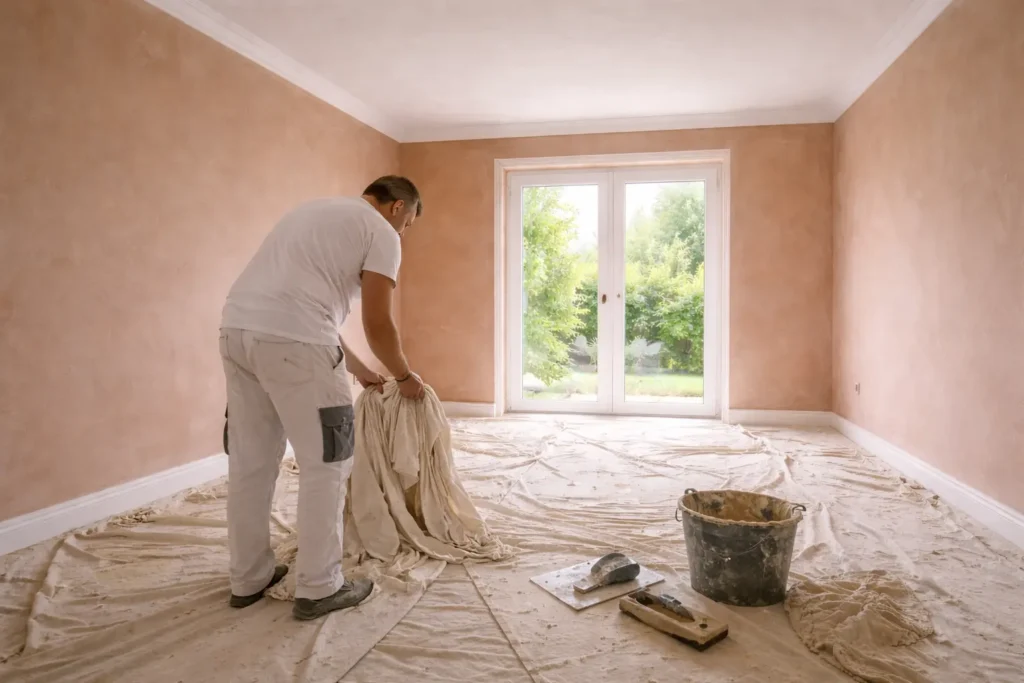
Professional plasterboard finishing transforms raw boards into smooth, paintable surfaces ready for decoration. New extensions, garage conversions, and loft rooms all need expert taping, jointing, and skimming to create seamless walls. Skilled plasterers work systematically — proper joint preparation, consistent skim application, quality finishing — delivering new-build quality throughout.
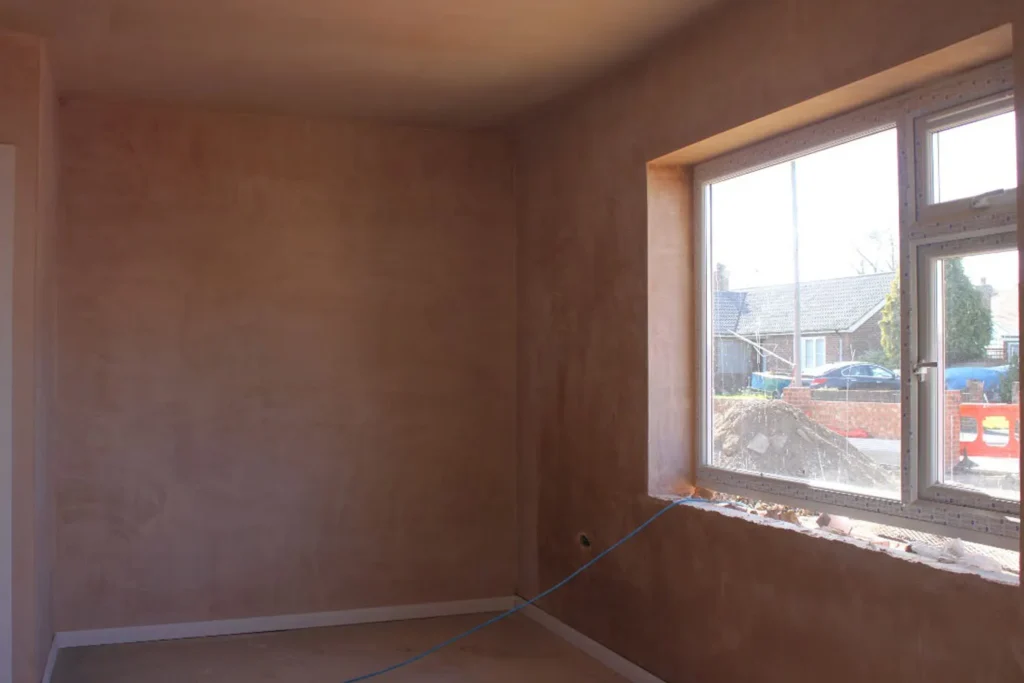
Complete room plastering transforms tired spaces into fresh, modern environments with consistent smooth finishes. Full wall and ceiling coverage ensures unified quality throughout — no mismatches, no patchy repairs, just seamless results everywhere. Skilled plasterers work efficiently, delivering the even finishing that makes decorating effortless and rooms feel completely renewed.
Anyone can spread plaster — fewer can leave it properly flat. Here’s what separates our skimming work from average results across Daisy Hill.
Experience across Daisy Hill — St John the Baptists Church, Chowbent Chapel, Central Park — builds a mental map of what’s behind the paint. Bay-fronted houses usually mean lath and lime. Pebbledash semis mean sand and cement render. That knowledge speeds up assessment and prevents preparation mistakes.
Full room re-skims where everything matches, single walls after radiator moves, ceilings following leak repairs, new boards in extensions — the scope varies but the preparation discipline stays constant across Daisy Hill.
Most Daisy Hill homes are victorian terraced houses or inter-war semis with 2.6m to 2.8m (8.5ft – 9.2ft) ceilings. Working continuously on these property types develops pattern recognition — spotting preparation requirements quickly based on accumulated experience.
Enquiries go straight to the plasterer covering Daisy Hill — no booking team guessing at job requirements. You talk walls, surfaces, and preparation with someone who understands the difference between a quick re-skim and a full strip-back job.
They’ll ask practical questions — what’s on the walls now, how many rooms, any known problems. Assessment timing gets arranged based on availability, ensuring proper site evaluation before providing detailed quotations.
Wall inspection covers practical concerns — is the existing plaster sound, does suction vary, are there damp issues, what’s been done before. You’ll understand preparation requirements clearly. Pricing reflects real surface condition.
Work proceeds methodically — surface preparation, fresh plaster mixing, controlled application, skilled finishing. Dust sheets protect belongings throughout. Complete cleanup happens after. You’ll understand drying times, mist coat requirements, and decoration scheduling.
Practical questions deserve practical answers — preparation requirements, job duration, drying times. Here’s what you need to know about skimming work.
Duration depends on what the walls need, not just room dimensions. Sound surfaces needing simple re-skimming complete faster than blown plaster requiring strip-back. Standard bedroom typically takes a day on good walls, longer with preparation complications. You’ll receive realistic timing after surface inspection.
Some walls skim over existing surfaces, others need stripping — condition determines approach. Solid, well-attached plaster just needs keying. Blown areas, failed coats, or excessive thickness require removal. Assessment identifies what’s needed rather than guessing.
Skim finishing means thin coats — 2-3mm — applied to create smooth surfaces over existing plaster. Full plastering involves heavier work: base coats on brick, render layers, or building thickness where needed. Most domestic jobs involve skimming existing surfaces rather than complete replastering.
Paint type and thickness matter. Light matt emulsion on sound plaster skims after proper keying. Heavy paint buildup, gloss finishes, or silk coatings prevent adequate bonding — typically requiring stripping or specialist treatment. Assessment determines your wall requirements.
Drying varies with conditions — ventilation, temperature, coat thickness. Surface typically dries enough in 2-4 days for mist coating, though full cure takes weeks. Diluted matt emulsion first seals the surface properly. Early decoration causes paint problems.
Fill out the form or call now to speak directly to the plasterer covering your area. No call centres, no delays – just clear answers and fast action.
Your details are safe – we only use them to respond to your enquiry
Professional skimming covers all locations across Daisy Hill. Local knowledge of housing types, original construction methods, and surface characteristics that affect preparation requirements and finishing quality.