
Flat, smooth, ready to decorate — that’s what proper skimming delivers. Quality finishes across Canal Quarter from plasterers who understand surfaces and take preparation seriously.
Posting skimming jobs online generates responses but not necessarily the right ones. Some quote low to win work then find extras, others quote high hoping you won’t check. Working directly with an established tradesman avoids the games.
Our skimming service cuts out the noise.
One experienced plasterer covers skimming work across Canal Quarter. Direct contact eliminates platform delays — you speak to the tradesman who’ll actually transform your walls into smooth, paintable surfaces.
Skimming addresses different wall and ceiling conditions. New plasterboard finishing differs from renovation re-coating, and each surface type requires appropriate preparation — proper evaluation ensures smooth, lasting results ready for any decorative finish.
Have a look through what we do below. If it matches your walls, contact us and we’ll get it sorted. If it’s not quite right, no problem — thanks for checking.

Professional wall skimming delivers the smooth finish that transforms how rooms look and feel. Rough plaster, textured surfaces, and patchy walls disappear beneath expertly applied skim coats, creating perfect bases for paint or wallpaper. Experienced plasterers prepare surfaces properly, apply consistent coverage, and finish to high standards — leaving walls flat, smooth, and ready for whatever decorative finish you choose.
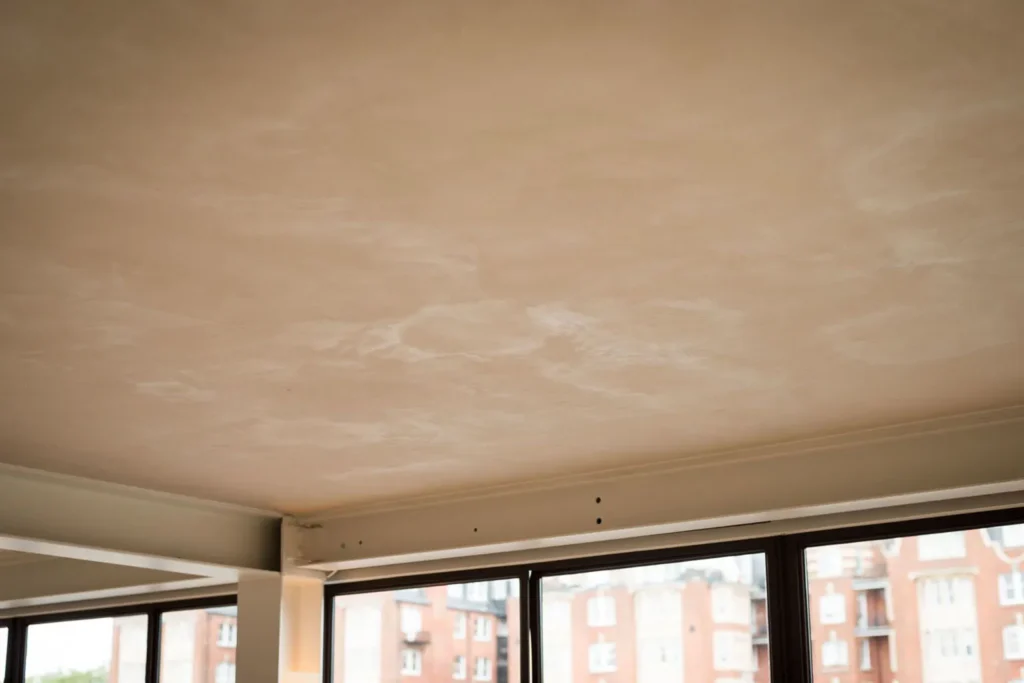
Expert ceiling skimming handles textured surfaces that paint alone can’t fix. Artex patterns, stippled finishes, and rough plaster need professional skim coating to create flat, contemporary ceilings. Skilled tradesmen prepare surfaces correctly, apply even coverage overhead, and finish to high standards — ceilings transformed and ready for decoration.

Targeted repair skimming handles damage efficiently without extensive disruption or cost. Holes from fixtures, cracks from settlement, and impact damage all respond to professional patching that blends invisibly. Skilled plasterers feather edges, match textures, and finish seamlessly — repairs that stay hidden and restore walls to consistent smooth finishes.
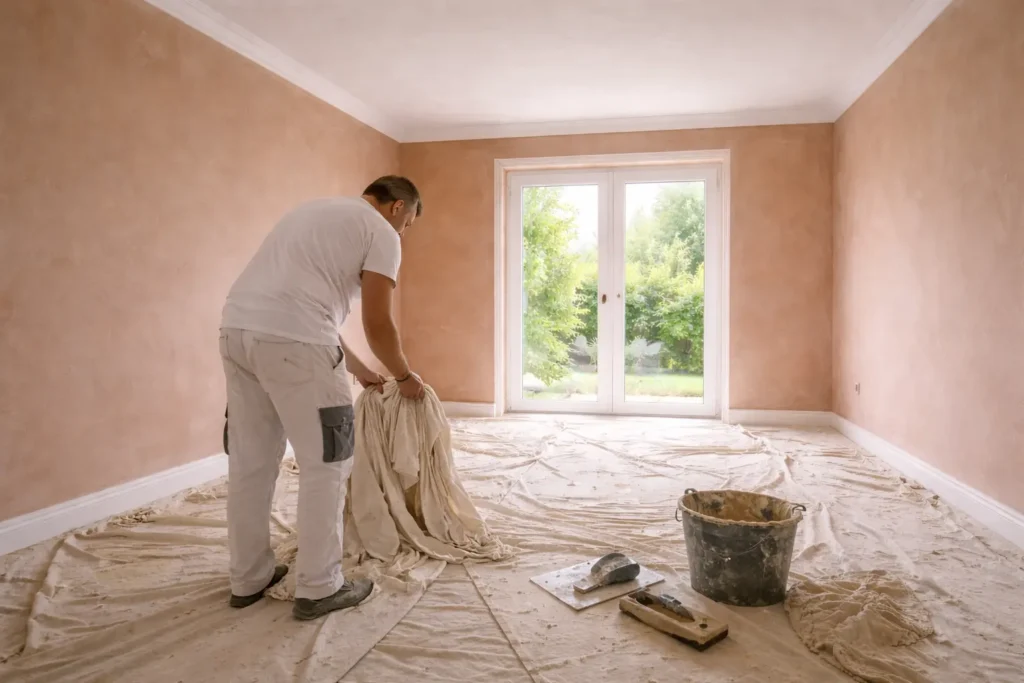
New build plastering finishes fresh plasterboard to smooth, decoration-ready surfaces throughout your property. Extensions, conversions, and new construction all require professional taping, jointing, and skim coating to create seamless walls and ceilings. Experienced plasterers prepare boards correctly, tape joints invisibly, and apply quality skim coats — delivering flawless finishes that make new spaces feel complete.
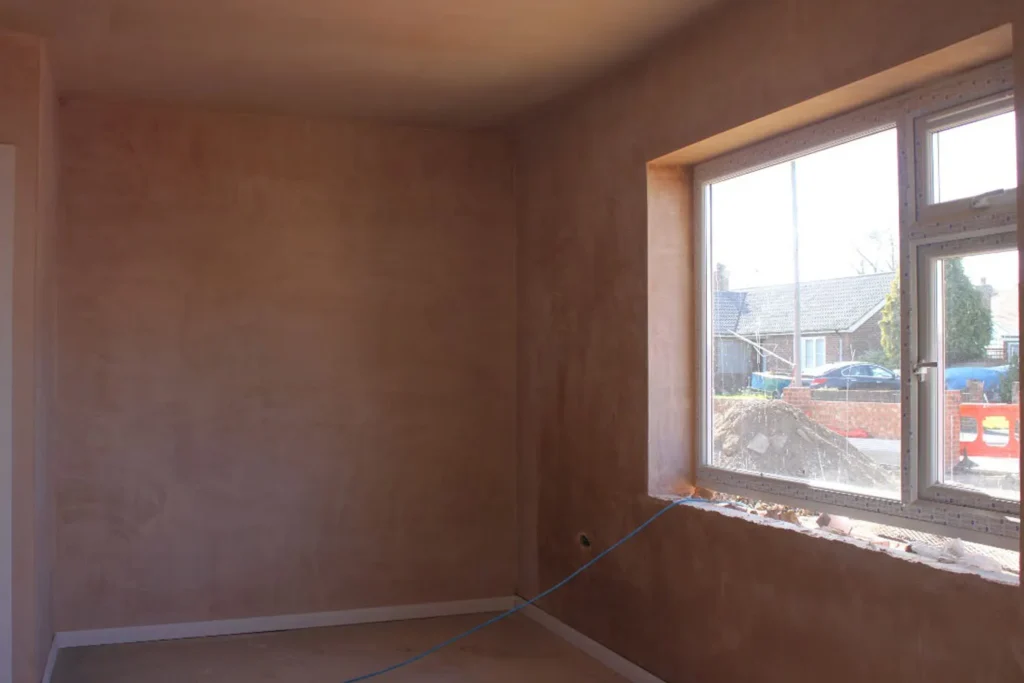
Full room re-plastering delivers complete makeovers with consistent smooth surfaces from floor to ceiling. When walls and ceilings all need work, comprehensive skimming ensures unified finishes throughout — same texture everywhere, seamless results, quality finishing. Skilled tradesmen transform entire rooms efficiently, creating spaces ready for any decorative treatment.
Plastering is a race against drying time — preparation decides whether you win or lose. Here’s our approach to skimming work throughout Canal Quarter.
We’ve opened up walls from Abram village right through to Bickershaw. The surprises reduce over time — you learn where the horse hair plaster sits, which estates used lightweight blocks, where the council did mass re-skims in the eighties. Canal Quarter walls become familiar.
Extension walls joining original walls, old ceilings meeting new plasterboard, repairs that must disappear into existing finishes — transitions need careful handling. Seamless results across Canal Quarter come from managing where different surfaces meet.
Local properties run mainly victorian terraces and council houses, 2.4m to 2.6m (7.9ft – 8.5ft) ceilings. Concentrated work on this housing type creates genuine expertise — not general plastering knowledge, but specific understanding of how Canal Quarter walls respond to skim coats.
Contact connects you directly with your local tradesman — the person who’ll inspect your walls and deliver smooth finishes. Questions about surface types, preparation approaches, and expected results get trade answers, not sales responses.
Initial discussion covers the basics — wall condition, room count, finish expectations, any concerns. The plasterer arranges assessment for suitable timing, allowing proper surface inspection before committing to detailed quotes.
On-site evaluation includes systematic checking — surface soundness, absorption consistency, damp presence, repair history. The plasterer explains what preparation involves and why. Quotes based on actual conditions, not hopeful assumptions about hidden problems.
Work gets completed to standard — proper preparation stages, quality application, careful finishing technique. Dust sheets go down, cleanup follows completion. You’ll know about drying requirements, mist coat application, and when surfaces are ready for full decoration.
Walls and plastering raise plenty of questions — how long it takes, what preparation involves, when you can paint. Here’s the straight answers to what most people ask about skimming.
A typical bedroom skims in a day when walls cooperate. Surface problems — blown plaster, poor adhesion, previous bodge jobs — extend timelines significantly. Ceiling work adds roughly half a day. You’ll get accurate timing once walls have been properly assessed.
Surface condition determines preparation requirements. Solid existing plaster that’s well-bonded can receive skim directly after keying. Blown areas, loose coats, or excessive thickness need stripping. Assessment identifies which walls need what — avoiding unnecessary work while ensuring proper preparation.
Skim coats are thin finish applications — usually 2-3mm — over existing prepared surfaces. Plastering covers broader scope including base coats on bare walls, render application, depth building. Most domestic jobs involve skimming rather than complete replastering from scratch.
Some painted walls skim directly, others need preparation. Matt emulsion over sound plaster takes skim after keying. Gloss, silk, or heavy paint buildup creates adhesion issues — often requiring stripping or bonding agent application. Assessment identifies what your painted walls specifically need.
Standard skimming dries surface-ready within 2-4 days typically, though full curing extends to 2-3 weeks. Mist coat application first — watered-down matt emulsion sealing porous surfaces — then proper decoration. Insufficient drying causes paint failures.
Fill out the form or call now to speak directly to the plasterer covering your area. No call centres, no delays – just clear answers and fast action.
Your details are safe – we only use them to respond to your enquiry
Services extend throughout Canal Quarter for quality skimming. Tradesmen who know local walls — the pre-war terraces, inter-war semis, post-war estates — and what each building era needs for proper finishes.