
Surfaces that perform under paint, paper, or any finish you choose. Quality skimming across Crigglestone — preparation done thoroughly, application done properly, results that show.
Skimming is skilled work that deserves a skilled tradesman, not the cheapest bidder from a platform race to the bottom. When quality matters more than saving twenty quid, direct contact with a proven plasterer makes sense.
We’ve taken a simpler route.
Our system is straightforward: one trusted plasterer handles skimming work across Crigglestone. When you call or submit a form, it goes straight to them — the same person who’ll turn up and transform your walls.
Professional plastering encompasses various skimming scenarios. Patch repairs blending into existing surfaces need precision, full re-skims need consistency, and each job benefits from understanding the surface conditions before work begins.
See if what we offer below matches the finish you’re looking for. If it does, contact us directly. If it doesn’t, no problem at all — appreciate you checking us out.

Re-skimming walls creates the perfect foundation for any decorative finish you’re planning. Old plaster, damaged surfaces, and uneven textures disappear beneath smooth skim coats applied by experienced local plasterers. Proper technique ensures consistent coverage, clean edges, and durable results — walls transformed from rough to ready, making your decorating project straightforward.
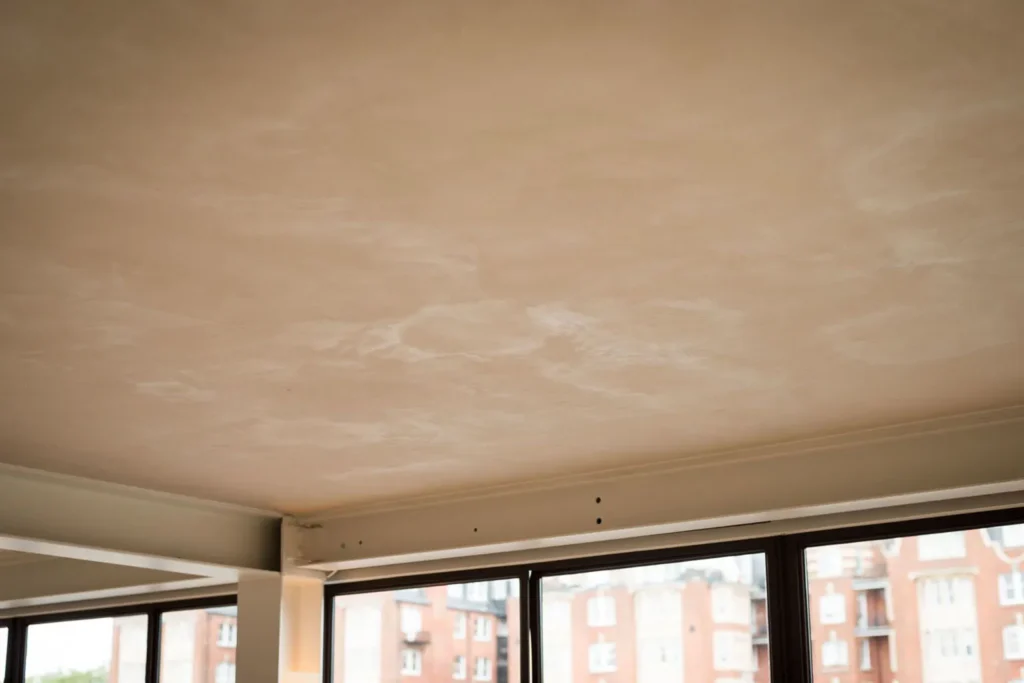
Professional ceiling finishes start with expert skimming that transforms rough or textured surfaces. Outdated Artex, damaged plaster, and uneven areas disappear beneath smooth skim coats applied by skilled tradesmen. Working overhead requires specific technique and experience — delivering flat ceilings that reflect light evenly and make rooms feel fresh.

Seamless repair skimming fixes wall damage efficiently and invisibly. Removed radiator marks, old TV mounting holes, cracked sections, and impact damage respond to professional patching that blends perfectly. Experienced plasterers prepare surfaces correctly, match textures accurately, and finish so patches disappear — walls restored without full re-skim costs.
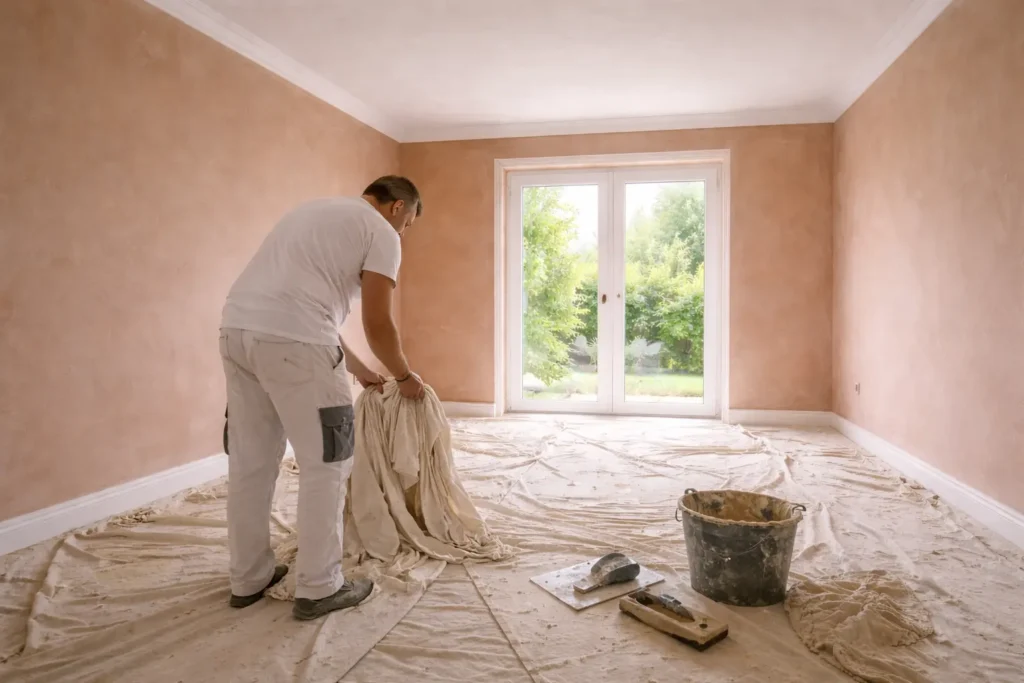
Professional finishing transforms new plasterboard into smooth, seamless surfaces ready for any decorative treatment. Extensions, loft conversions, and new builds need quality taping, jointing, and skimming to create walls that look right. Skilled plasterers ensure lasting results — no visible joints showing through, no cracking over time, just flawless finishes throughout.
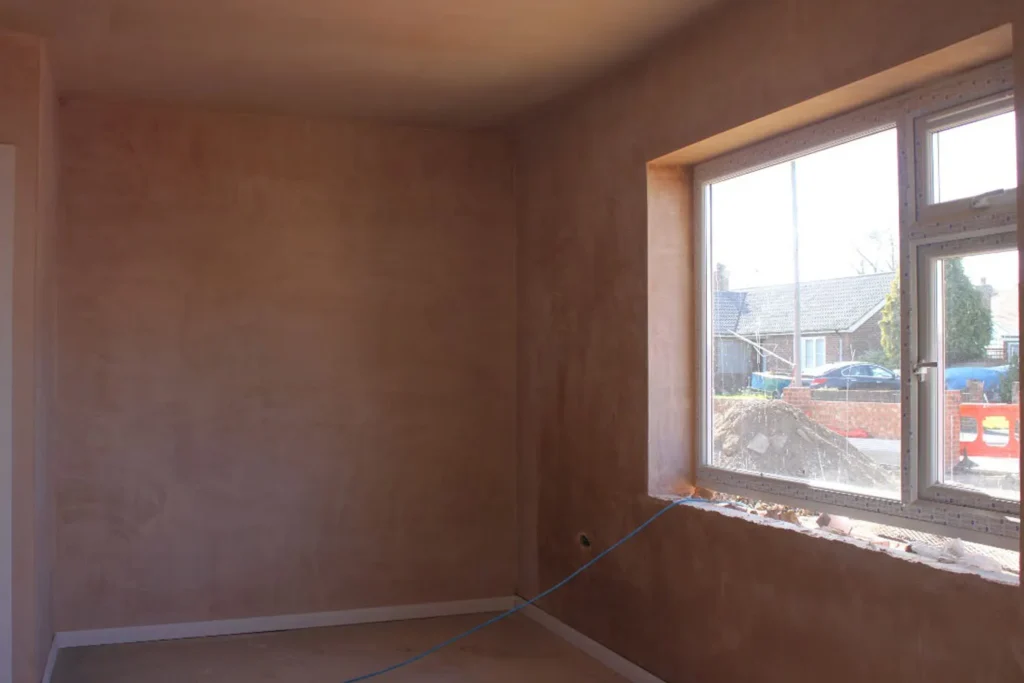
Total room transformation requires full skimming that delivers consistent finishes everywhere. Walls and ceilings get complete professional coverage — no mismatched textures, no visible transitions between old and new work. Experienced plasterers work systematically, creating smooth unified surfaces that make decorating straightforward and results impressive.
Plaster forgives nothing — every shortcut shows eventually. Here’s the honest detail on how we work throughout Crigglestone.
Plastering from Crigglestone village to Denby Dale Road and across to Calder Grove for years teaches you what Crigglestone walls are actually made of. The Victorian terraces have lime underneath. The inter-war semis have hard pink gypsum. The estates have lightweight board. Each needs handling differently.
Victorian solid walls with three previous skim coats, 1970s Artex hiding who-knows-what, plasterboard fitted yesterday — all need different approaches. Assessment across Crigglestone determines preparation, preparation determines finish quality.
Local housing comprises mainly stone cottages and modern houses, 2.5m to 2.7m (8.2ft – 8.9ft) ceiling heights. Familiarity with these exact property types means recognising wall conditions quickly and applying proven preparation approaches rather than guessing.
Your call reaches the plasterer who’ll actually skim your walls — not an office worker reading from a script. You discuss surface conditions, room layouts, and realistic timelines with someone who’s spent years reading walls and knows what questions matter.
Conversation covers current wall condition, rooms requiring attention, and any concerns about existing surfaces. Assessment timing gets agreed based on mutual availability — no rushed phone quotes, just proper site evaluation before pricing.
Site visits involve genuine wall inspection — checking for blown plaster, assessing suction, noting previous repairs, identifying preparation requirements. You’ll understand what needs doing before skimming starts. Quotes reflect actual surface condition and realistic preparation time.
Skimming proceeds professionally — surfaces prepared correctly, plaster mixed fresh, coats applied evenly, finishing done at the right moment. Protection goes down throughout, cleanup happens after. Clear guidance covers drying periods, mist coat timing, and decoration readiness.
Practical questions deserve practical answers — preparation requirements, job duration, drying times. Here’s what you need to know about skimming work.
Room timing reflects preparation requirements more than square metreage. A bedroom with sound walls skims in a day. Add extensive prep, ceiling work, or surface problems, and timing extends. Assessment identifies what your walls actually need, allowing accurate scheduling.
Not always — it depends on existing surface condition. Sound plaster that’s firmly attached just needs keying and coating. Blown plaster that sounds hollow when tapped needs removing. Multiple previous coats building thickness sometimes require stripping. Assessment determines what your specific walls need — some skim straight over, others need work first.
Skimming means thin finish coats over prepared existing surfaces. Full plastering includes base coats on brick, render application, depth building. Typical home jobs involve re-skimming existing plaster rather than plastering from scratch — thinner applications, quicker completion.
Paint type and condition determine approach. Light matt emulsion on sound plaster can take skim after keying. Heavy paint buildup, gloss finishes, or silk coatings cause bonding problems — typically requiring stripping or bonding coat application. Assessment identifies what preparation your painted surfaces need.
Drying varies with conditions — ventilation, temperature, coat thickness. Surface typically dries enough in 2-4 days for mist coating, though full cure takes weeks. Diluted matt emulsion first seals the surface properly. Early decoration causes paint problems.
Fill out the form or call now to speak directly to the plasterer covering your area. No call centres, no delays – just clear answers and fast action.
Your details are safe – we only use them to respond to your enquiry
Skimming services cover all areas throughout Crigglestone. Local plasterers who understand the housing stock — Victorian lime, post-war gypsum, modern board — and what preparation each property type actually needs.