
Smooth walls aren’t luck — they’re preparation meeting technique. Professional skimming across Chirton that delivers flat, lasting surfaces ready for paint or paper.
When you need professional skimming, the traditional platform route adds unnecessary steps. List the job, wait for responses, compare quotes, check reviews, make a decision — all while your walls sit there looking rough. Simpler is better.
Our approach is more straightforward.
Our approach is straightforward: one plasterer covers skimming work across Chirton. Direct contact means honest pricing — you speak to the person who’ll attend your home and deliver quality finishes without unnecessary complications.
Skim coat plastering suits different purposes. Finishing new extensions differs from refreshing tired rooms, and each situation needs its own preparation approach — identifying what’s required ensures smooth, durable surfaces ready for decoration.
Read what we do below and work out if it fits your project. If it sounds right, call or send a message. If it’s not quite the service you need, no hard feelings.

Re-skimming walls removes years of imperfections and creates fresh, smooth surfaces throughout your property. Old wallpaper damage, filled holes, patchy repairs, and uneven textures vanish beneath professional skim coats applied by skilled tradesmen. Proper preparation, quality materials, and careful technique ensure lasting results — walls that stay smooth, take paint evenly, and look professionally finished for years.
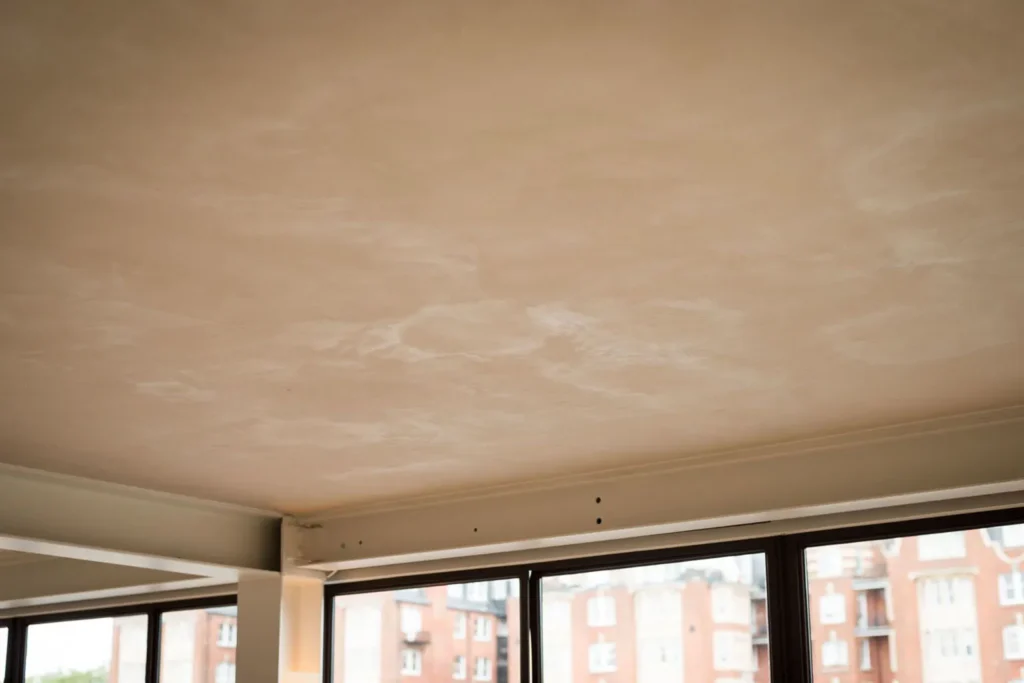
Re-skimming ceilings delivers smooth surfaces that transform room aesthetics completely. Textured patterns, visible repairs, and water staining disappear beneath flat skim coats that reflect light evenly. Professional ceiling work demands specific skills — working overhead, managing materials, finishing seamlessly — delivering results that modernise homes and simplify decorating.

Blending plaster repairs requires professional technique that makes patches invisible on finished walls. Damage from various causes — impacts, removed fittings, cables, cracks — gets properly prepared and skim coated to match existing surfaces. Careful feathering and texture matching ensure seamless results ready for any decorative treatment.
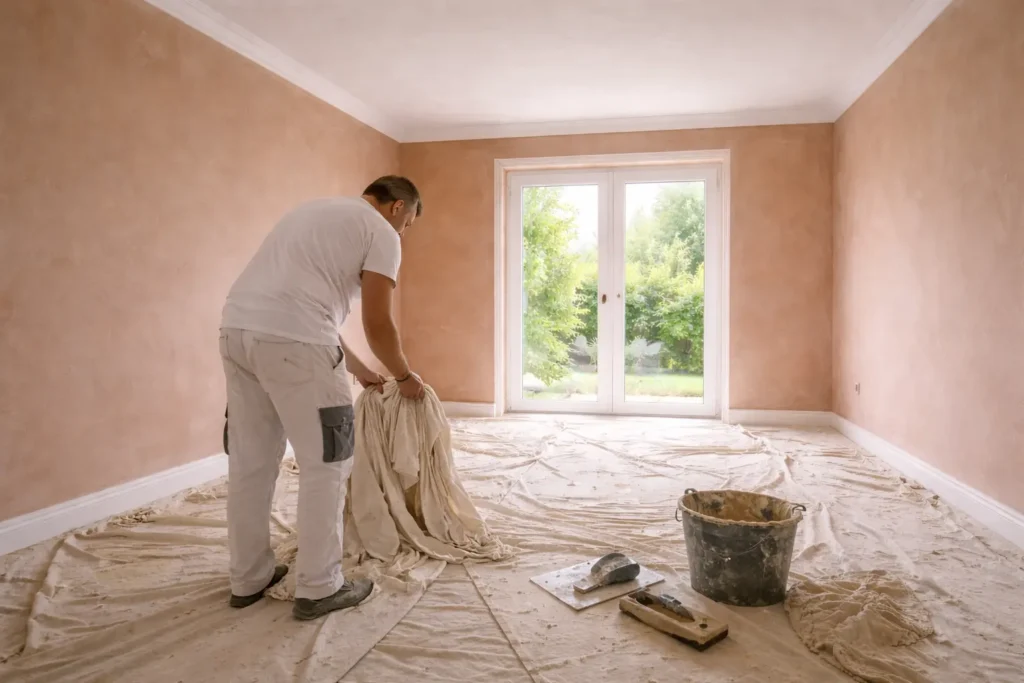
New build plastering finishes fresh plasterboard to smooth, decoration-ready surfaces throughout your property. Extensions, conversions, and new construction all require professional taping, jointing, and skim coating to create seamless walls and ceilings. Experienced plasterers prepare boards correctly, tape joints invisibly, and apply quality skim coats — delivering flawless finishes that make new spaces feel complete.
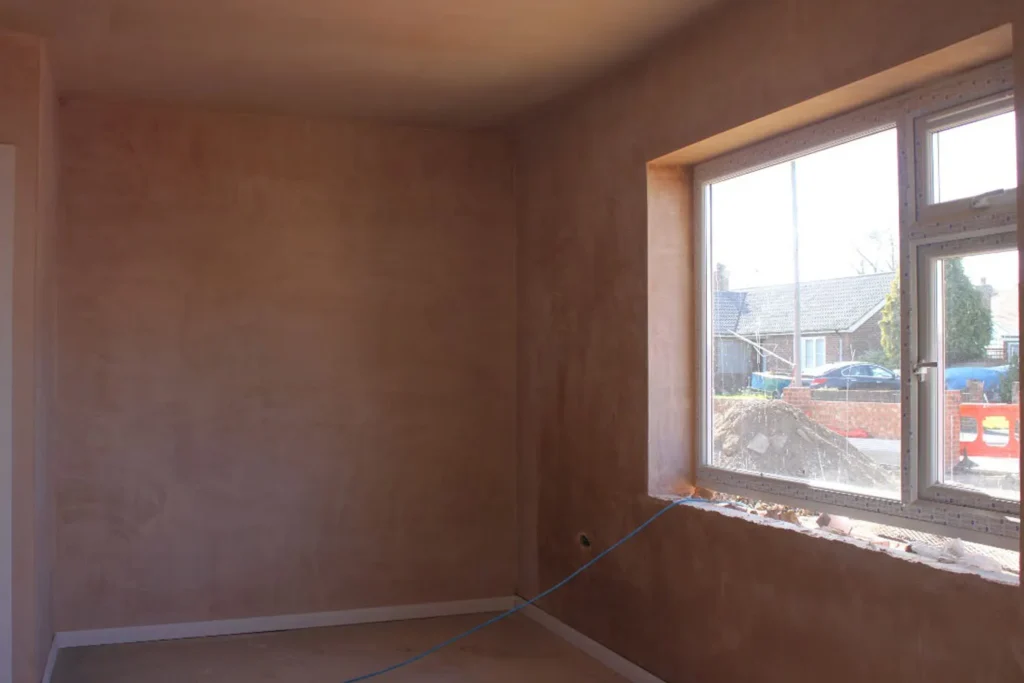
Whole room re-skimming delivers total transformation with consistent professional finishes everywhere. Walls and ceilings receive complete attention — unified textures, even coverage, quality results from floor to ceiling. Experienced tradesmen work systematically, creating smooth surfaces that renew entire rooms and make decorating straightforward.
Most skimming complaints come six months later when cracks appear. Here’s how we prevent that across Chirton properties.
Local knowledge from Fish Quay across to Cliffords Fort means understanding Chirton construction patterns. Victorian artisan housing near the centre, inter-war expansion further out, post-war estates on the edges — each zone has characteristic wall types we’ve learned to handle.
Full room re-skims where everything matches, single walls after radiator moves, ceilings following leak repairs, new boards in extensions — the scope varies but the preparation discipline stays constant across Chirton.
The typical Chirton home — victorian terraced houses or coastal apartments with 2.4m to 2.7m (7.9ft – 8.9ft) ceilings — has walls we’ve skimmed hundreds of times. That repetition builds instinct about what preparation works, what problems to check for, and where shortcuts cause failures.
Contact reaches the tradesman immediately — the same person who’ll assess your walls, solve any surface problems, and deliver the finished skim coats. Questions about wall condition and preparation get proper answers from someone who knows.
Initial chat covers the essentials — current wall condition, work scope, any known problems. The plasterer asks about previous finishes, room usage, and preparation access. Assessment gets booked for convenient mutual timing to inspect surfaces properly before quoting.
On-site evaluation means hands-on wall assessment — tapping surfaces, testing adhesion, checking for damp, noting inconsistencies. The plasterer explains findings and preparation requirements. Pricing reflects genuine surface condition, not optimistic assumptions.
Jobs proceed methodically — surface prep, plaster application, skilled finishing. Protection covers surrounding areas throughout work. Complete tidying follows. You receive practical guidance about drying times, emulsion misting requirements, and decoration scheduling.
People booking skimming want practical details — what’s involved, how long it takes, what happens after. Straight answers here, kept simple.
Timing reflects what walls need, not just room dimensions. Straightforward bedroom re-skim takes a day. Surfaces requiring extensive preparation — bonding, repairs, strip-back — take longer. Ceilings add time. Accurate estimates follow proper surface inspection.
Not always — it depends on existing surface condition. Sound plaster that’s firmly attached just needs keying and coating. Blown plaster that sounds hollow when tapped needs removing. Multiple previous coats building thickness sometimes require stripping. Assessment determines what your specific walls need — some skim straight over, others need work first.
Skimming applies thin finish layers over prepared surfaces — creating smooth walls from existing plaster. Full plastering includes base coat application on masonry, rendering, or building thickness. Typical home re-finishing means skim coats over what exists already.
Depends on the paint and what’s beneath. Thin matt emulsion over good plaster skims after proper keying preparation. Thick paint layers, gloss finishes, or silk coatings prevent proper adhesion — usually needing removal or bonding treatment. Assessment determines requirements for your surfaces.
New skim needs drying time — typically 2-4 days for surface drying, weeks for complete curing. Mist coat first using diluted matt emulsion to seal porous surfaces. Then proper painting follows. Rushing decoration risks adhesion failure and paint defects.
Fill out the form or call now to speak directly to the plasterer covering your area. No call centres, no delays – just clear answers and fast action.
Your details are safe – we only use them to respond to your enquiry
Skimming covers all areas across Chirton. Plasterers who know local walls properly — Victorian lime through to modern board — and what preparation each surface type actually needs.