
Surfaces that perform under paint, paper, or any finish you choose. Quality skimming across Mile Oak — preparation done thoroughly, application done properly, results that show.
Re-skimming a room should be straightforward, but the platform approach complicates everything. Post on Bark and suddenly you’re managing multiple quotes, juggling phone calls, and trying to work out who’s genuine. Direct contact with one trusted plasterer cuts through all that.
We work on trusted connections.
We keep skimming straightforward: one trusted tradesman covers Mile Oak. Contact them directly when your walls need refinishing, and they’ll respond without the delays inherent in multi-quote platform systems.
Skim coat requirements differ between properties and rooms. Bathrooms following re-tiling need different prep than living rooms after wallpaper removal, and each situation benefits from experienced professional assessment and appropriate technique.
Check out the information below to see if we cover what you need. If it matches your situation, get in contact. If not, no worries at all — thanks for having a look.

Re-skimming walls removes years of imperfections and creates fresh, smooth surfaces throughout your property. Old wallpaper damage, filled holes, patchy repairs, and uneven textures vanish beneath professional skim coats applied by skilled tradesmen. Proper preparation, quality materials, and careful technique ensure lasting results — walls that stay smooth, take paint evenly, and look professionally finished for years.
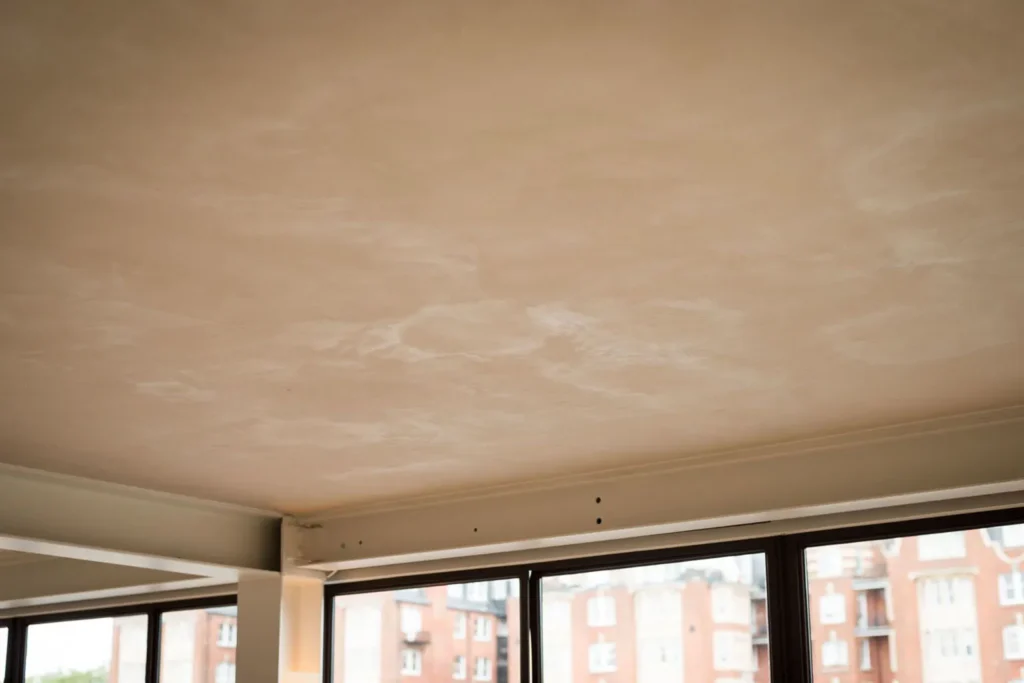
Ceiling skim plastering transforms overhead surfaces from dated eyesores into clean, modern finishes. Whether covering old Artex, repairing water damage, or refreshing tired plasterwork, professional skimming delivers flat ceilings throughout your home. Experienced tradesmen handle the demands of overhead work — proper preparation, consistent application, smooth finishing — for results that last.

Professional patch skimming restores localised damage without full room replastering. Impact holes, cable chases, and cracked sections respond to targeted repairs that blend perfectly with surrounding plaster. Experienced tradesmen match textures and finishes exactly — patches that disappear completely and save the cost of larger-scale work.
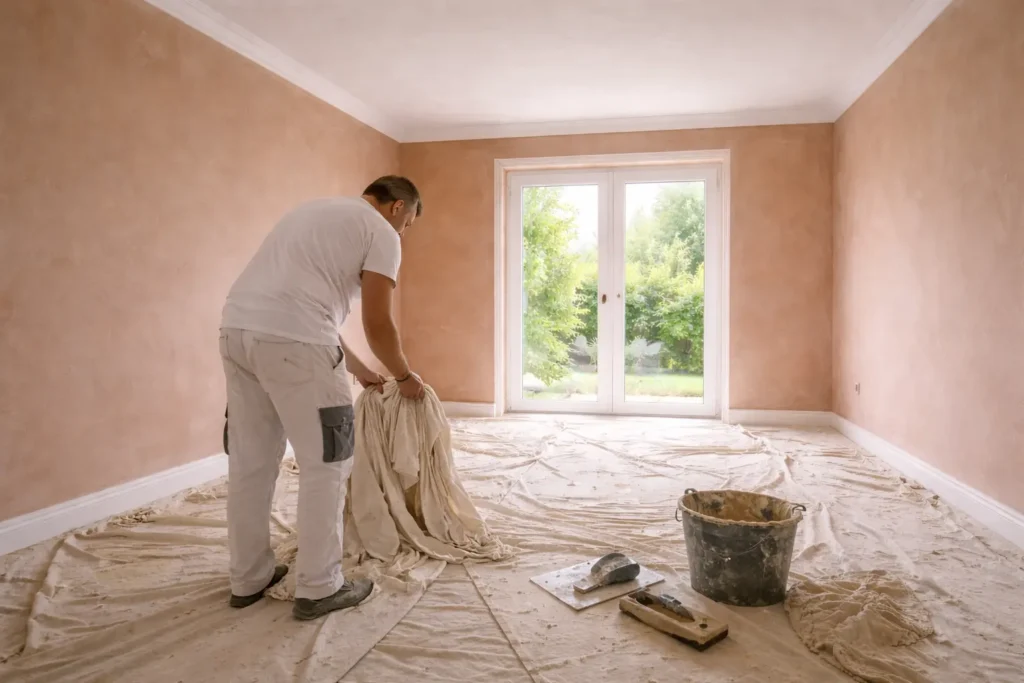
Expert new build finishing transforms plasterboard into the smooth, professional surfaces your project deserves. Extensions, garage conversions, and renovation work all require skilled taping, jointing, and skimming to create seamless walls and ceilings. Quality workmanship ensures lasting results — no visible joints, no future cracking, just flawless finishes throughout.
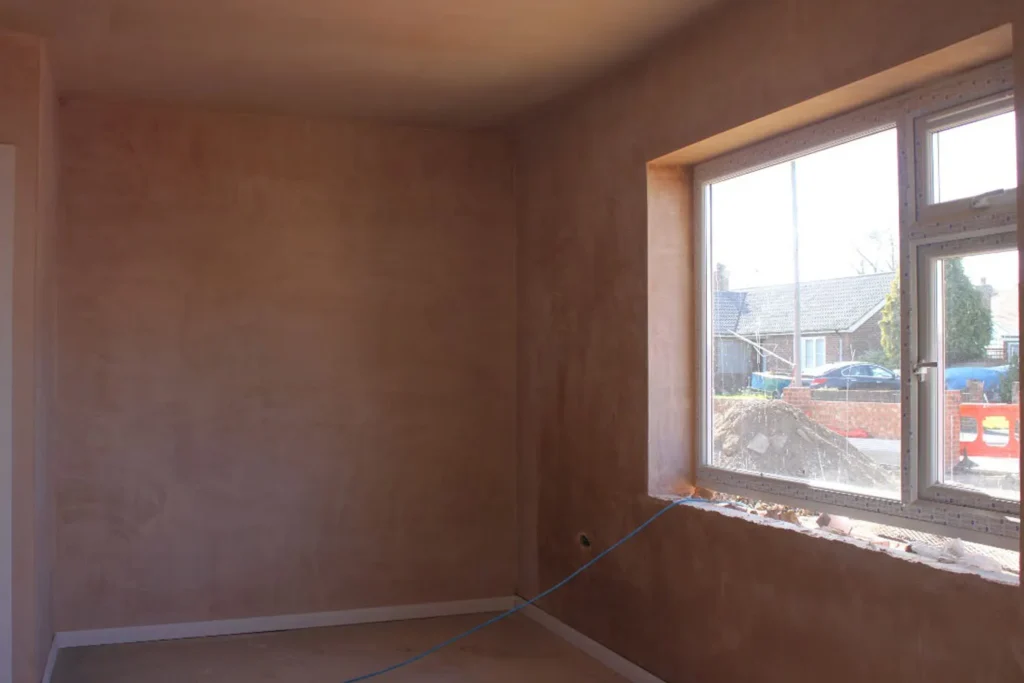
Complete room re-skimming delivers total transformation when walls and ceilings all need attention. Full coverage ensures consistent finishes throughout — no texture variations, no visible joins between old and new work. Experienced plasterers work systematically through each room, creating smooth surfaces that unify spaces and make decorating effortless.
Most skimming complaints come six months later when cracks appear. Here’s how we prevent that across Mile Oak properties.
Plastering from Coleshill Church through Blythe Bridge to M6 Toll builds understanding of what Mile Oak walls actually contain. Old lime that’s gone powdery, hard gypsum that’s cracked with movement, board that’s absorbed moisture — recognising conditions fast comes from local repetition.
Old lime plaster, modern gypsum, fresh plasterboard, patched areas mixing all three — each responds differently to skim coats. Experience across Mile Oak properties means recognising what we’re working on and adjusting technique accordingly.
Mile Oak’s housing — predominantly modern detached houses and modern semi-detached houses with 2.4m to 2.6m (7.9ft – 8.5ft) ceilings — has characteristics we’ve learned through repetition. Typical construction, common problems, effective preparation. That focused experience improves every job.
Your call goes straight to the local tradesman covering Mile Oak — someone who can discuss existing wall types, explain preparation options, and give honest expectations about what’s needed for smooth, lasting finishes.
They’ll want to understand your walls — existing condition, required work, known issues. Based on this, assessment gets scheduled at mutually convenient timing for proper site evaluation and accurate pricing discussion.
Site visits mean proper surface evaluation — checking adhesion, testing suction, spotting failures, assessing previous work. Preparation requirements get explained clearly. Pricing based on what your walls genuinely need, not generic assumptions.
Work happens systematically — thorough preparation, even coating, skilled finishing while plaster’s workable. Protection throughout, cleanup after. You’ll know specific drying times, when mist coat application should happen, and how soon full decoration can begin.
Most people ask similar things before booking — what preparation’s needed, how long work takes, when decorating can start. Direct answers below.
Room duration depends on starting conditions. Sound walls in a standard bedroom complete in a day. Add preparation complications, ceiling work, or surface repairs, and timing stretches. Assessment identifies genuine requirements, enabling realistic scheduling.
Not necessarily — wall condition dictates approach. Solid existing plaster skims over after proper preparation. Blown sections need stripping. Heavy buildup from previous work may require removal. Assessment identifies what each wall actually needs.
Skimming applies thin finish layers over existing prepared surfaces. Plastering covers broader scope — base coats on masonry, render application, building depth. Typical home work involves skim finishing over existing plaster rather than full plastering systems from bare walls.
Some painted walls skim directly, others need preparation. Matt emulsion over sound plaster takes skim after keying. Gloss, silk, or heavy paint buildup creates adhesion issues — often requiring stripping or bonding agent application. Assessment identifies what your painted walls specifically need.
Allow surfaces to dry properly before painting — 2-4 days minimum in ventilated rooms, though complete curing takes 2-3 weeks. Apply mist coat first with watered-down emulsion. Early decoration causes peeling and blistering issues.
Fill out the form or call now to speak directly to the plasterer covering your area. No call centres, no delays – just clear answers and fast action.
Your details are safe – we only use them to respond to your enquiry
Skimming covers all areas across Mile Oak. Plasterers who know local walls properly — Victorian lime through to modern board — and what preparation each surface type actually needs.