
Rough walls transformed into smooth, paintable surfaces. Proper skimming throughout Abbey Foregate — surfaces assessed correctly, prepared thoroughly, finished to standards that show under any light.
The big platforms work for finding options, but too many options creates its own problem. When three plasterers quote different prices for the same skim job, how do you know who’s right? One experienced local tradesman eliminates the guesswork.
We keep things direct.
One experienced plasterer covers skimming work across Abbey Foregate. Direct contact eliminates platform delays — you speak to the tradesman who’ll actually transform your walls into smooth, paintable surfaces.
Skim plastering covers diverse situations. Kitchen refreshes after tile removal differ from bedroom re-skims, and each room presents unique challenges — proper evaluation ensures appropriate methods and smooth, consistent results.
Read through what’s covered below and see if it fits your project. If it does, we’re here to help — just call or message. If it doesn’t quite match, that’s absolutely fine.

Wall skimming transforms rough, damaged, or outdated surfaces into smooth, paintable finishes ready for any decoration. Whether following wallpaper removal, covering old Artex, or refreshing tired plasterwork, professional skim coats create flawless walls throughout your home. Skilled application ensures consistent coverage, clean edges around sockets and switches, and durable surfaces that won’t crack or flake — giving rooms a fresh, modern feel that makes decorating effortless.
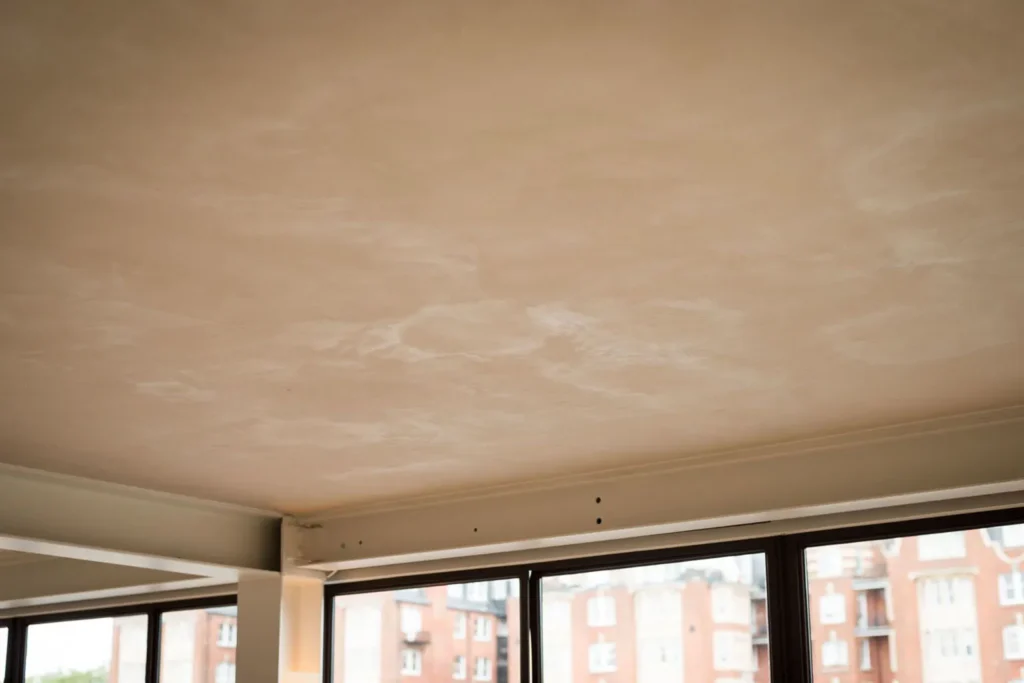
Re-skimming ceilings eliminates textured patterns that date properties and make decorating difficult. Stipple, swirl, bark, and other Artex finishes vanish beneath professional skim coats, leaving smooth surfaces ready for paint. Skilled ceiling work requires experience — working overhead, managing drying times, avoiding joins — delivering flat finishes that transform room appearances.

Targeted repair skimming handles damage efficiently without extensive disruption or cost. Holes from fixtures, cracks from settlement, and impact damage all respond to professional patching that blends invisibly. Skilled plasterers feather edges, match textures, and finish seamlessly — repairs that stay hidden and restore walls to consistent smooth finishes.
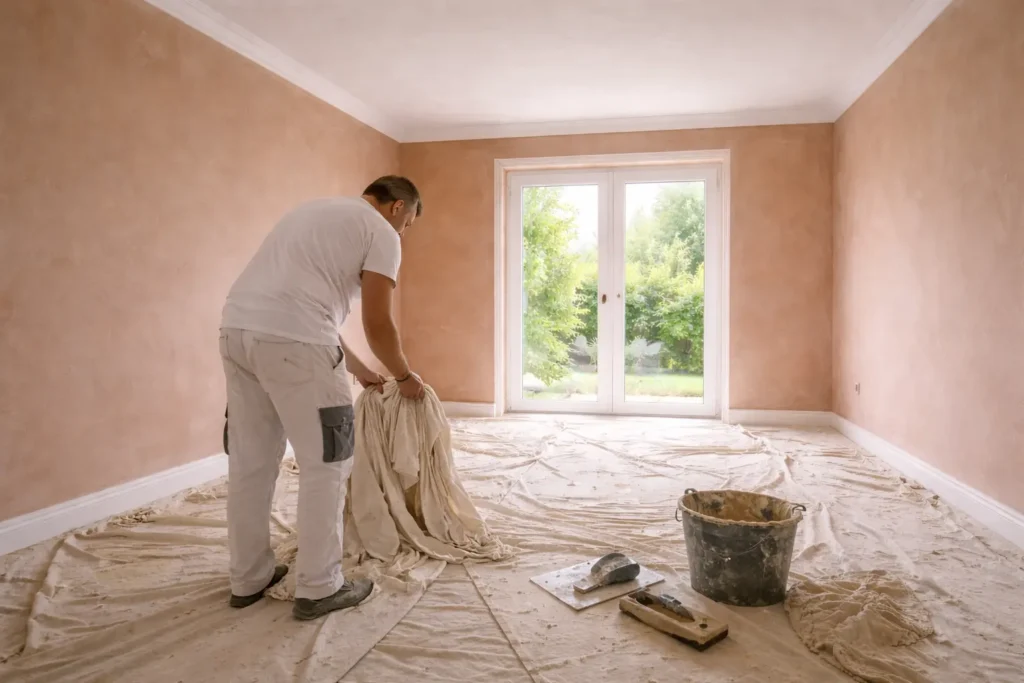
Plasterboard skim finishing delivers new-build quality on extension walls, conversion ceilings, and renovation projects. Professional joint treatment and smooth skim coats create seamless surfaces that transform raw construction into finished living spaces. Quality workmanship ensures lasting results — walls ready for decoration and built to stay that way.
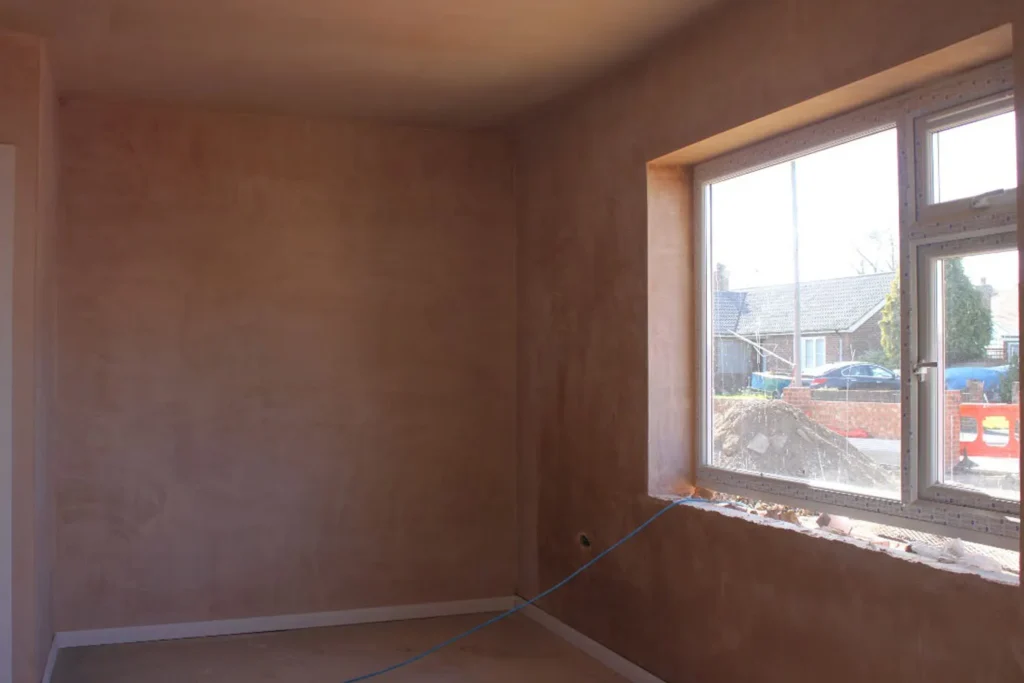
Full room skimming creates fresh, unified spaces with consistent smooth finishes across all surfaces. Comprehensive coverage ensures walls and ceilings match perfectly — no texture variations, no patchy areas, just seamless results throughout. Professional plasterers transform rooms completely, delivering even quality that makes decorating effortless.
Skimming looks easy until you try it yourself. Here’s the trade knowledge behind our consistently smooth finishes across Abbey Foregate.
Properties around Abbey Foregate were mostly built pre-war — lime plaster, lath ceilings, solid walls. Near English Bridge the fifties estates dominate. Toward Shrewsbury Abbey it’s newer construction. Each era across Abbey Foregate needs different preparation approaches.
Full room re-skims where everything matches, single walls after radiator moves, ceilings following leak repairs, new boards in extensions — the scope varies but the preparation discipline stays constant across Abbey Foregate.
The typical Abbey Foregate home — victorian terraces or edwardian semis with 2.4m to 2.7m (7.9ft – 8.9ft) ceilings — has walls we’ve skimmed hundreds of times. That repetition builds instinct about what preparation works, what problems to check for, and where shortcuts cause failures.
Calls and forms go straight to your area’s tradesman — no filtering through people who’ve never held a trowel. You get honest conversation about wall types, preparation needs, and what quality skimming actually requires.
Initial chat covers the essentials — current wall condition, work scope, any known problems. The plasterer asks about previous finishes, room usage, and preparation access. Assessment gets booked for convenient mutual timing to inspect surfaces properly before quoting.
Assessment includes thorough surface checking — hollow spots, suction differences, failed previous coats, damp indicators. You’ll know what preparation’s required before work begins. Clear quotes follow, based on actual wall condition rather than estimates from descriptions.
Work proceeds methodically — surface preparation, fresh plaster mixing, controlled application, skilled finishing. Dust sheets protect belongings throughout. Complete cleanup happens after. You’ll understand drying times, mist coat requirements, and decoration scheduling.
Walls and plastering raise plenty of questions — how long it takes, what preparation involves, when you can paint. Here’s the straight answers to what most people ask about skimming.
A typical bedroom skims in a day when walls cooperate. Surface problems — blown plaster, poor adhesion, previous bodge jobs — extend timelines significantly. Ceiling work adds roughly half a day. You’ll get accurate timing once walls have been properly assessed.
Existing surface quality determines preparation. Well-bonded plaster takes skim coats directly after keying. Problem areas — hollow sections, loose coats, thick buildup — need stripping first. Assessment reveals genuine requirements rather than guessing.
Skimming applies thin finish layers over prepared surfaces — creating smooth walls from existing plaster. Full plastering includes base coat application on masonry, rendering, or building thickness. Typical home re-finishing means skim coats over what exists already.
It depends on paint type and buildup. Thin matt emulsion can receive skim after surface keying. Heavy coatings, gloss finishes, or silk paint cause bonding failures — usually requiring stripping or adhesion agent application. Assessment identifies specific requirements.
New skim needs drying time — typically 2-4 days for surface drying, weeks for complete curing. Mist coat first using diluted matt emulsion to seal porous surfaces. Then proper painting follows. Rushing decoration risks adhesion failure and paint defects.
Fill out the form or call now to speak directly to the plasterer covering your area. No call centres, no delays – just clear answers and fast action.
Your details are safe – we only use them to respond to your enquiry
Skimming covers all areas across Abbey Foregate. Plasterers who know local walls properly — Victorian lime through to modern board — and what preparation each surface type actually needs.