
The finish shows the skill — and rushed work shows too. Quality skimming throughout Crossgates from plasterers who understand preparation, timing, and what makes skim coats last.
Re-skimming a room should be straightforward, but the platform approach complicates everything. Post on Bark and suddenly you’re managing multiple quotes, juggling phone calls, and trying to work out who’s genuine. Direct contact with one trusted plasterer cuts through all that.
Our system prioritises quality over quantity.
One plasterer covers skimming work across Crossgates. You speak to them directly, they assess your walls, and they complete the job. No platform delays, no multiple callbacks — just straightforward professional service.
Skimming addresses different wall and ceiling conditions. New plasterboard finishing differs from renovation re-coating, and each surface type requires appropriate preparation — proper evaluation ensures smooth, lasting results ready for any decorative finish.
Read the breakdown below and decide if we handle your type of skimming. If we do, get in contact and we’ll respond promptly. If we don’t, that’s fine — appreciate you stopping by.

Flawless wall finishes require professional skimming from tradesmen who understand surface preparation and application technique. Rough walls, patchy repairs, and textured surfaces transform into smooth canvases ready for paint or paper. Quality materials, proper preparation, and skilled application combine to create lasting results — walls that stay flat, take decoration evenly, and look professionally finished.
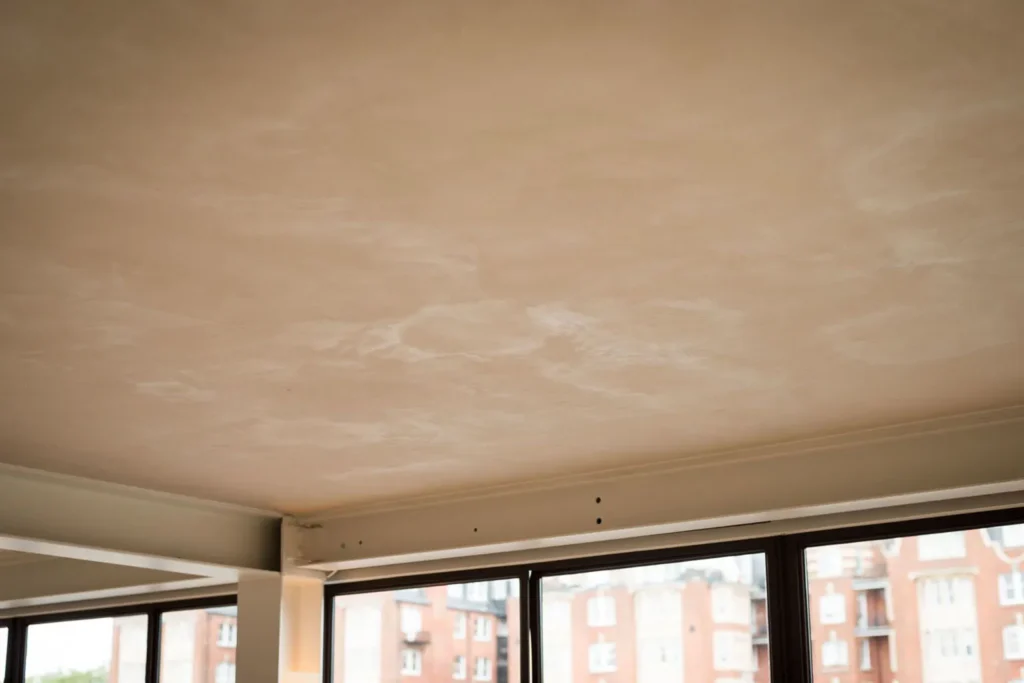
Smooth ceiling finishes require specialist skimming skills that experienced plasterers develop over years of overhead work. Gravity works against ceiling plastering, making technique crucial for consistent, lasting results. Professional skim coats transform textured, damaged, or outdated ceilings into flat surfaces that reflect light evenly — rooms feel brighter, bigger, and more modern.

Professional patch skimming restores localised damage without full room replastering. Impact holes, cable chases, and cracked sections respond to targeted repairs that blend perfectly with surrounding plaster. Experienced tradesmen match textures and finishes exactly — patches that disappear completely and save the cost of larger-scale work.
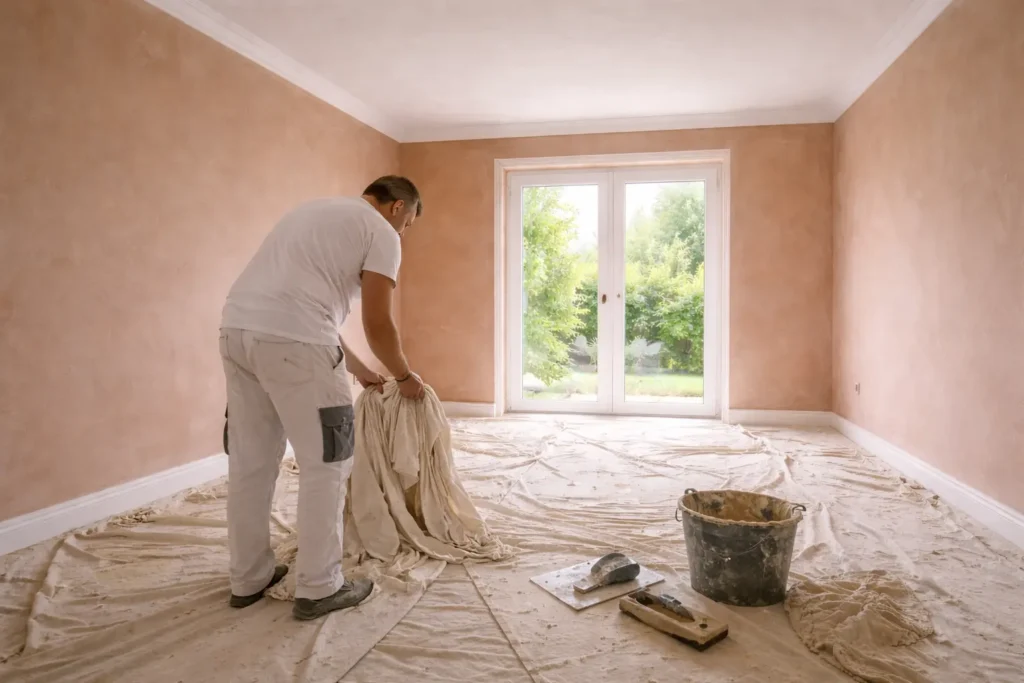
Plasterboard skim finishing creates seamless walls from newly installed boards in extensions and conversions. Professional taping hides joints completely, while quality skim coats deliver smooth surfaces ready for any decorative treatment. Experienced plasterers work methodically — proper preparation, consistent application, clean finishing — transforming raw construction into finished living spaces.
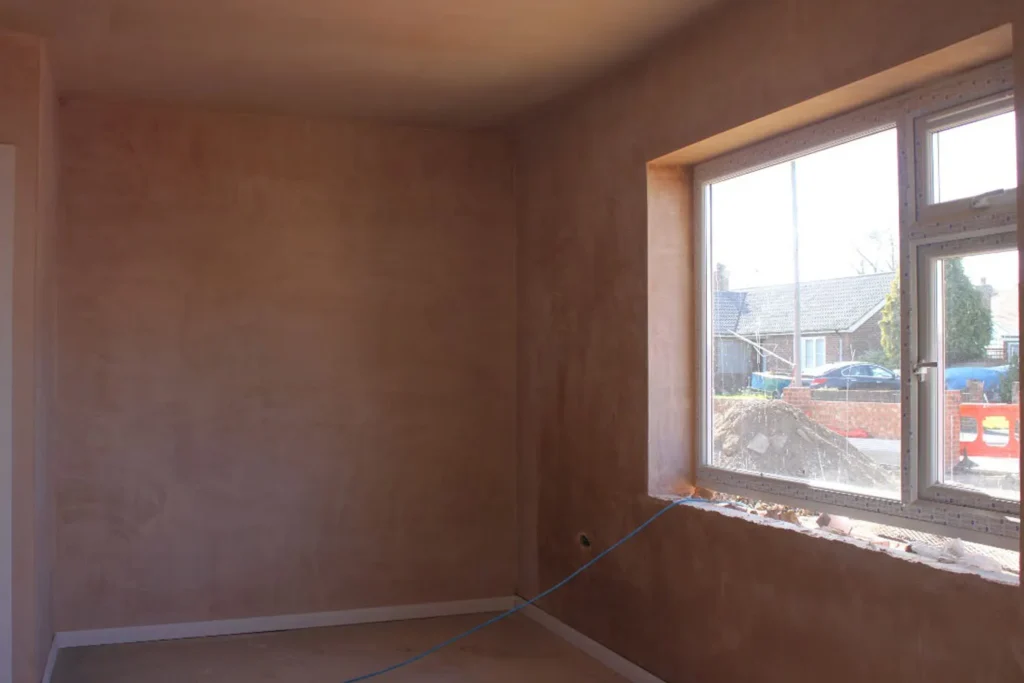
Whole room re-skimming delivers total transformation with consistent professional finishes everywhere. Walls and ceilings receive complete attention — unified textures, even coverage, quality results from floor to ceiling. Experienced tradesmen work systematically, creating smooth surfaces that renew entire rooms and make decorating straightforward.
Anyone can spread plaster — fewer can leave it properly flat. Here’s what separates our skimming work from average results across Crossgates.
Working across Crossgates for years means knowing property histories. The streets around St Martins Church flooded in ’97. The estate near Village crossroads had cavity wall insulation problems. The houses toward Main Street suffer from condensation. History affects wall condition.
Blown plaster that sounds hollow, old distemper that kills adhesion, suction differences between old and new surfaces — these problems sink skimming jobs. We identify them first throughout Crossgates, fixing foundations before applying finishes.
Locally stone cottages and modern estates properties dominate Crossgates, generally 2.5m to 2.7m (8.2ft – 8.9ft) to the ceiling. Years skimming this specific housing builds instinct about wall behaviour, typical conditions, and preparation approaches that deliver lasting results.
Enquiries reach the plasterer personally — not intermediaries booking jobs they don’t understand. You discuss surface conditions with someone who’s seen thousands of walls and knows which need stripping, which need bonding, and which just need keying.
Conversation focuses on understanding the job — current surface state, scope of work, access considerations. Assessment gets booked at convenient timing to inspect walls thoroughly and provide clear, accurate pricing.
On-site evaluation means hands-on wall assessment — tapping surfaces, testing adhesion, checking for damp, noting inconsistencies. The plasterer explains findings and preparation requirements. Pricing reflects genuine surface condition, not optimistic assumptions.
Work gets completed to standard — proper preparation stages, quality application, careful finishing technique. Dust sheets go down, cleanup follows completion. You’ll know about drying requirements, mist coat application, and when surfaces are ready for full decoration.
People booking skimming want practical details — what’s involved, how long it takes, what happens after. Straight answers here, kept simple.
A typical room with reasonable walls takes around a day to complete. Surface condition affects timing more than room size — walls needing stripping, bonding, or extensive prep work add time. Ceiling skimming alongside walls adds half a day typically. Assessment provides accurate scheduling for your specific surfaces.
Existing surface quality determines preparation. Well-bonded plaster takes skim coats directly after keying. Problem areas — hollow sections, loose coats, thick buildup — need stripping first. Assessment reveals genuine requirements rather than guessing.
Skimming applies thin finish layers over prepared existing surfaces. Full plastering includes base coat application, rendering, building thickness on bare walls. Typical home jobs involve skim finishing over existing plaster rather than plastering systems from scratch.
Depends on the paint and what’s beneath. Thin matt emulsion over good plaster skims after proper keying preparation. Thick paint layers, gloss finishes, or silk coatings prevent proper adhesion — usually needing removal or bonding treatment. Assessment determines requirements for your surfaces.
Allow 2-4 days minimum for surface drying in well-ventilated rooms, longer for complete curing. New plaster needs mist coat first — diluted matt emulsion seals the porous surface for proper paint adhesion. Rushing decoration risks peeling and blistering.
Fill out the form or call now to speak directly to the plasterer covering your area. No call centres, no delays – just clear answers and fast action.
Your details are safe – we only use them to respond to your enquiry
Professional skimming covers all locations across Crossgates. Local knowledge of housing types, original construction methods, and surface characteristics that affect preparation requirements and finishing quality.