
Walls ready for anything — paint, paper, whatever you’re planning. Quality skimming throughout Windmill Hill that starts with proper assessment and ends with surfaces that perform.
When you need professional skimming, the traditional platform route adds unnecessary steps. List the job, wait for responses, compare quotes, check reviews, make a decision — all while your walls sit there looking rough. Simpler is better.
We’ve stripped out the unnecessary steps.
We assign one experienced skimming specialist to Windmill Hill. Contact goes directly to them when your walls need attention — no call centres filtering requests, just professional response from the tradesman who’ll do the work.
Skimming requirements vary between properties. Victorian solid walls behave differently than modern plasterboard, and each surface type needs appropriate preparation and application — recognising these differences ensures professional finishes throughout.
Check the information below and see if it matches what you’re dealing with. If it does, we’re ready to help — just get in contact. If not, that’s fine — thanks for taking a look.

Wall skimming transforms rough, damaged, or outdated surfaces into smooth, paintable finishes ready for any decoration. Whether following wallpaper removal, covering old Artex, or refreshing tired plasterwork, professional skim coats create flawless walls throughout your home. Skilled application ensures consistent coverage, clean edges around sockets and switches, and durable surfaces that won’t crack or flake — giving rooms a fresh, modern feel that makes decorating effortless.
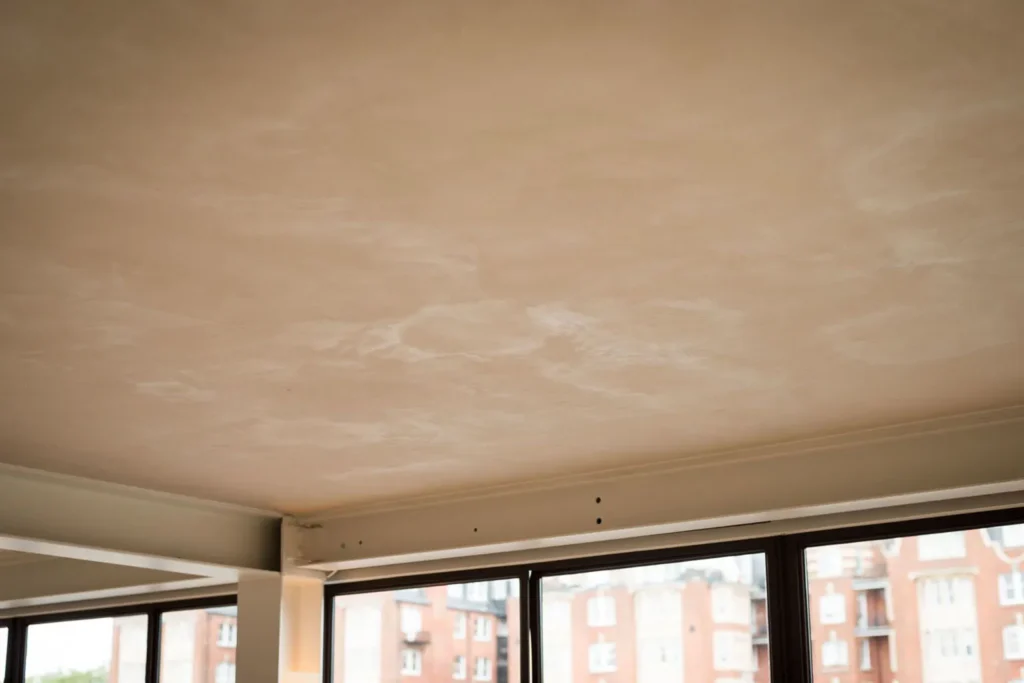
Quality ceiling skimming delivers the flat, smooth finish that makes rooms feel fresh and contemporary. Textured surfaces, old damage, and uneven plaster disappear beneath expertly applied skim coats. Professional plasterers understand overhead work demands — proper technique prevents sagging, ensures even coverage, and creates seamless finishes that last without cracking.

Seamless repair skimming fixes wall damage efficiently and invisibly. Removed radiator marks, old TV mounting holes, cracked sections, and impact damage respond to professional patching that blends perfectly. Experienced plasterers prepare surfaces correctly, match textures accurately, and finish so patches disappear — walls restored without full re-skim costs.
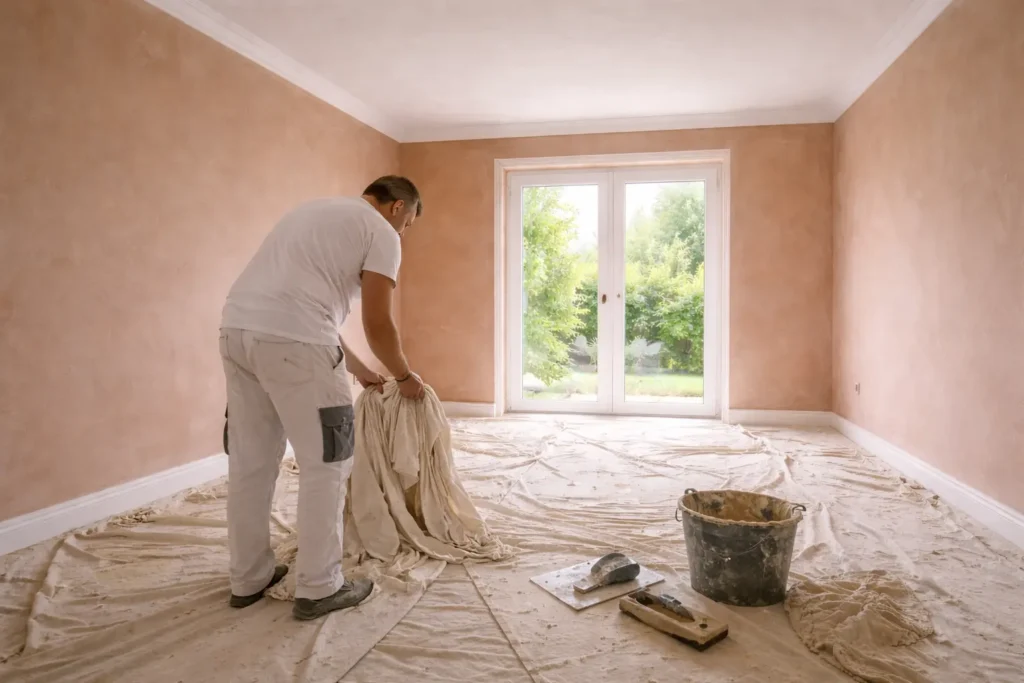
Plasterboard skim finishing creates seamless walls from newly installed boards in extensions and conversions. Professional taping hides joints completely, while quality skim coats deliver smooth surfaces ready for any decorative treatment. Experienced plasterers work methodically — proper preparation, consistent application, clean finishing — transforming raw construction into finished living spaces.
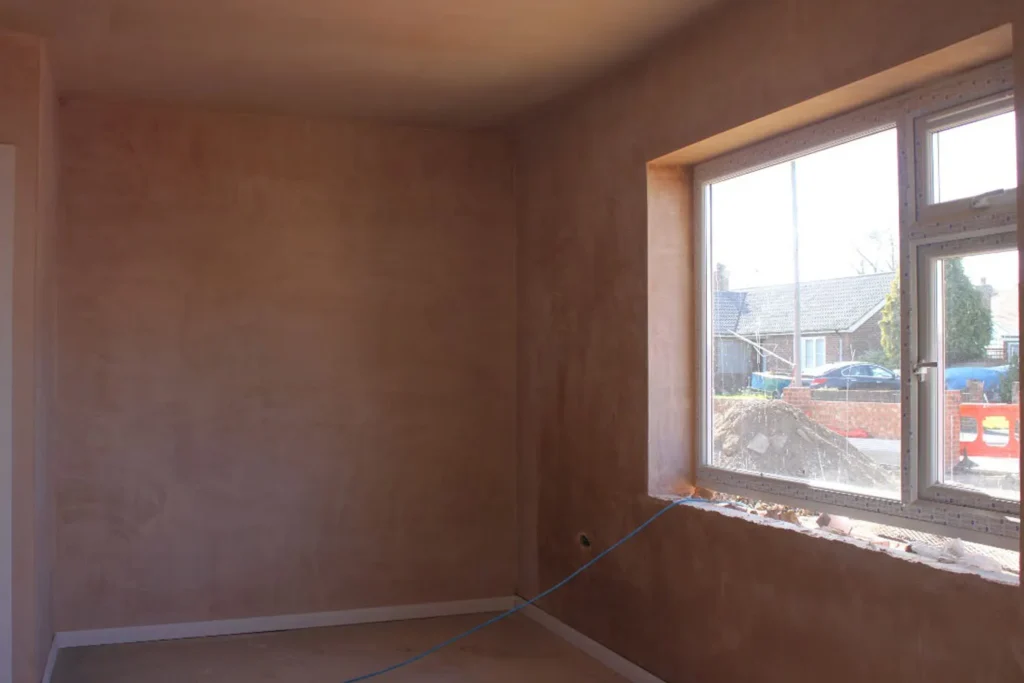
Full room plastering unifies surfaces with consistent smooth finishes across walls and ceilings together. Comprehensive re-skimming eliminates texture variations and patchy areas — delivering seamless results throughout. Skilled tradesmen work room by room, ensuring even quality and professional finishing that transforms spaces completely.
Cheap skimming costs more when you’re repainting rippled walls a year later. Here’s the detail on our quality-first approach across Windmill Hill.
Years covering Windmill Hill from Runcorn Shopping City through Bridgewater Canal to Halton Castle builds genuine understanding. You learn which developers cut corners, which streets have damp problems, which estates used experimental materials. That insight prevents problems before they start.
Extension walls joining original walls, old ceilings meeting new plasterboard, repairs that must disappear into existing finishes — transitions need careful handling. Seamless results across Windmill Hill come from managing where different surfaces meet.
For the most part victorian terraces and modern estates make up most of Windmill Hill, typically with 2.4m to 2.7m (7.9ft – 8.9ft) ceilings. Those building types share common features — similar construction eras, comparable materials, predictable issues. Understanding the patterns improves every job.
When you call, the plasterer picks up — same person who’ll read your walls and make preparation decisions on site. That means proper discussion about surface condition, realistic expectations, and what’s actually involved in getting smooth results.
Initial questions establish the scope — surface types, room count, known problems, finish expectations. The plasterer uses this to plan assessment requirements, then schedules a convenient visit to inspect walls properly and quote accurately.
Wall inspection covers everything relevant — structural soundness, surface adhesion, previous repair quality, moisture levels. The plasterer explains preparation needs in plain terms. Pricing reflects what your walls actually require, not generic per-metre rates.
Skimming follows correct sequence — preparation, coating, finishing. Work areas receive adequate protection throughout. Thorough tidying happens after completion. Clear guidance addresses drying stages, mist coat timing, and realistic decoration readiness timelines.
Planning plastering work brings practical questions — preparation needs, realistic timelines, decoration timing. Here’s the straightforward information most people ask for.
Room duration depends on starting conditions. Sound walls in a standard bedroom complete in a day. Add preparation complications, ceiling work, or surface repairs, and timing stretches. Assessment identifies genuine requirements, enabling realistic scheduling.
Stripping depends on what’s there already. Firmly attached plaster in good condition skims over directly. Hollow-sounding blown areas need removing. Thick multi-coat buildup sometimes requires stripping back. Wall assessment reveals which approach your surfaces need.
Skimming applies thin finish layers over prepared surfaces — creating smooth walls from existing plaster. Full plastering includes base coat application on masonry, rendering, or building thickness. Typical home re-finishing means skim coats over what exists already.
Paint type and condition determine approach. Light matt emulsion on sound plaster can take skim after keying. Heavy paint buildup, gloss finishes, or silk coatings cause bonding problems — typically requiring stripping or bonding coat application. Assessment identifies what preparation your painted surfaces need.
Standard skimming dries surface-ready in 2-4 days typically, though full cure extends weeks. Mist coat application first — watered-down matt emulsion sealing porous surfaces — before proper decoration. Insufficient drying causes paint failures.
Fill out the form or call now to speak directly to the plasterer covering your area. No call centres, no delays – just clear answers and fast action.
Your details are safe – we only use them to respond to your enquiry
We operate across the whole of Windmill Hill. Professional skimming backed by genuine knowledge of local housing construction, typical wall conditions, and effective preparation approaches.